

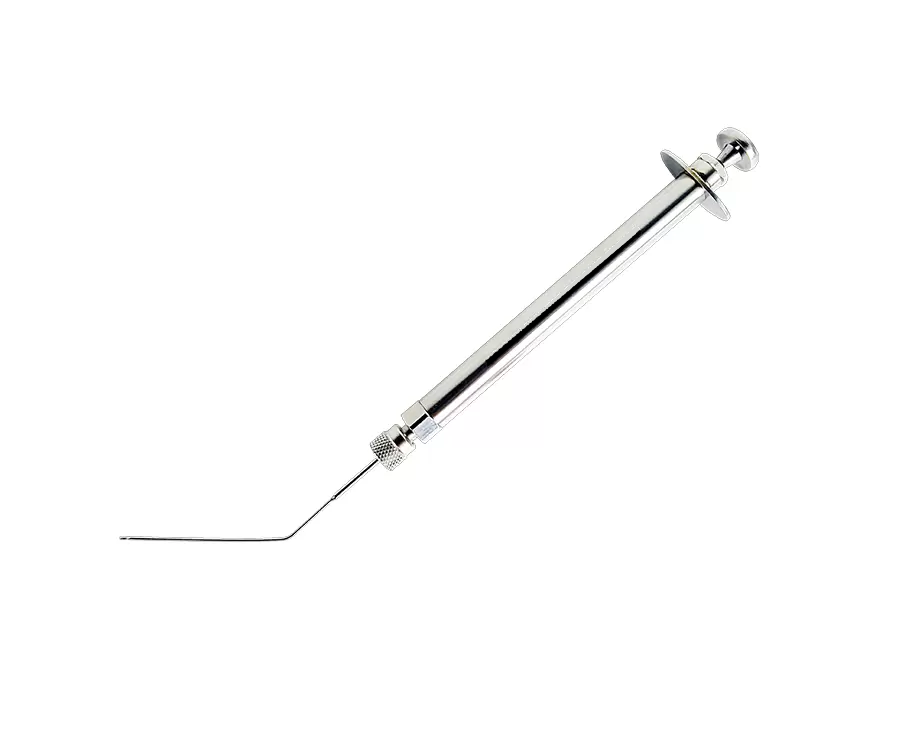
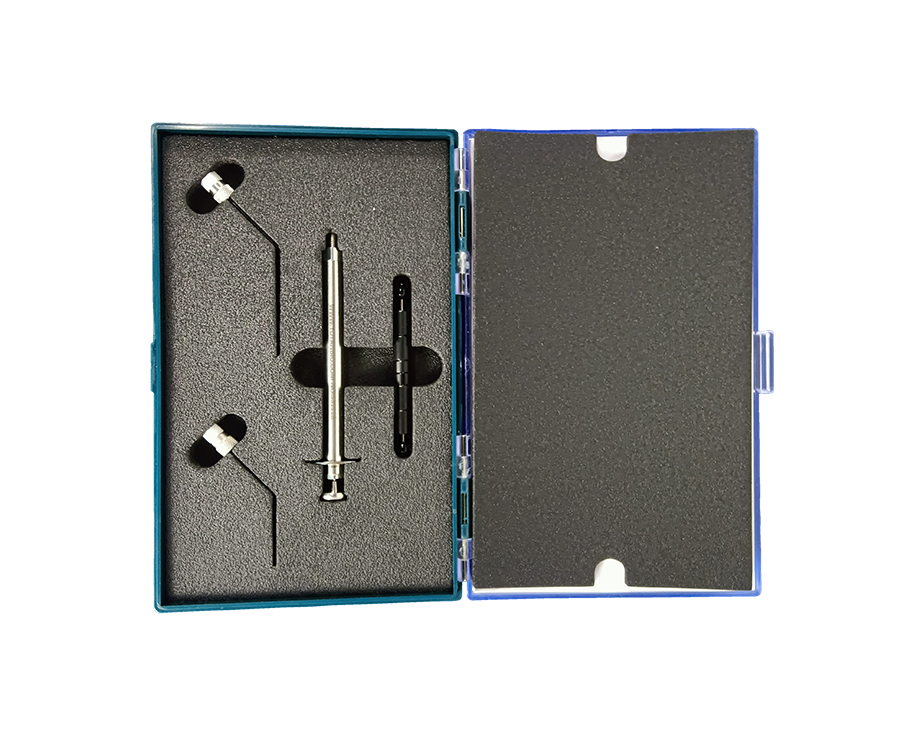
Micro Sprayer Aerosolizer
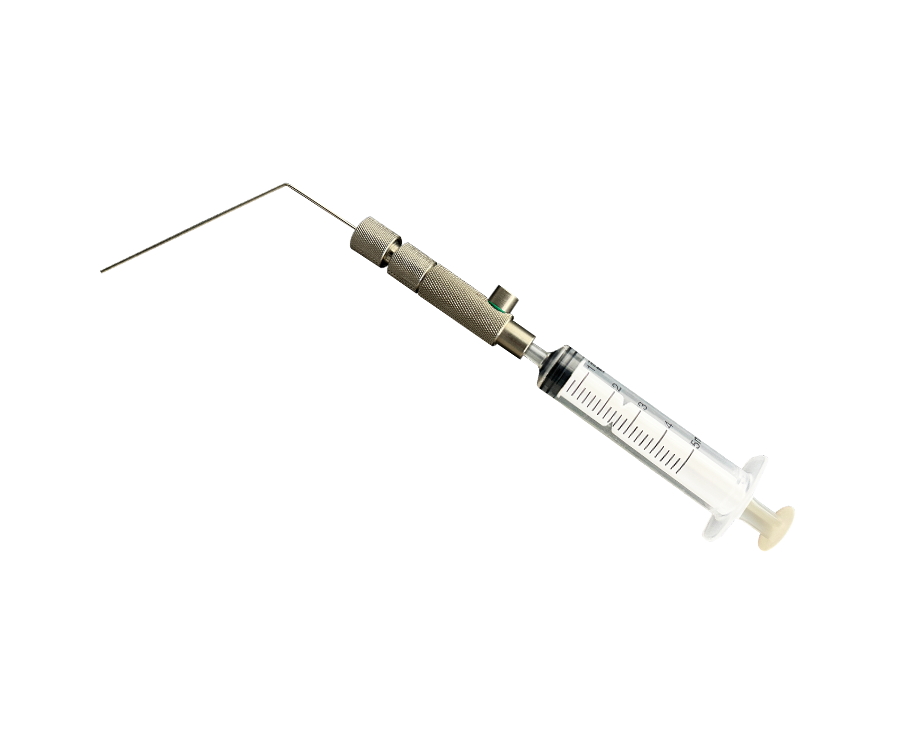
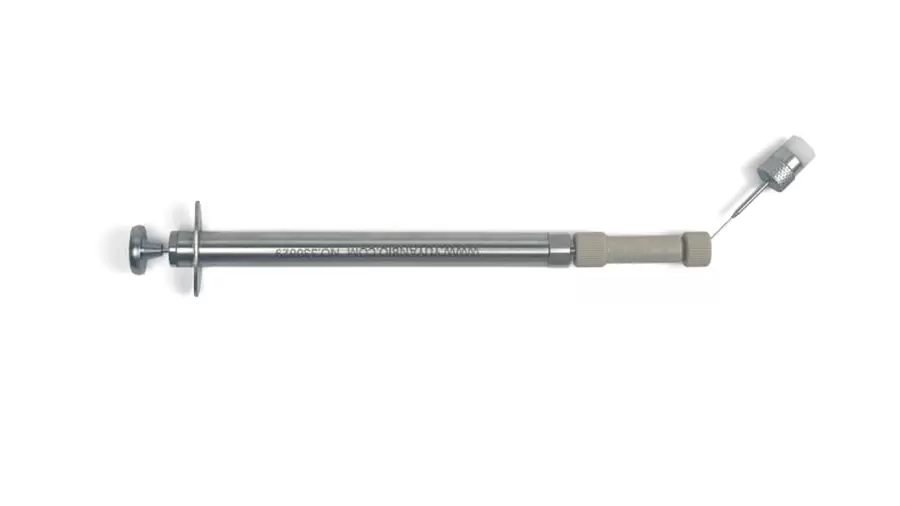
Micro Sprayer Aerosolizer is specially designed for small animals such as mice, rats and guinea pigs, which can accurately quantify intratracheal atomization administration and is suitable for pulmonary physiological, pathological and pharmacological studies.
 Phone Consultation
 Follow us
- Introduction
- Features
- More Recommendations
Introduction
The Micro Sprayer Aerosolizer, also known as the endotracheal nebulization drug delivery device, is specially designed for small animals such as mice, rats, and guinea pigs. It is a device that can precisely and quantitatively perform endotracheal nebulization drug delivery.
Quantified liquid can be atomized through an aerosol atomization micro-nozzle integrated in a stainless steel capillary tube, and the capillary tube can be extended into the bronchial bifurcations of the animal, thereby achieving quantitative atomization into aerosol drug administration within the trachea. Compared with traditional oral or injectable administration, the drug can directly act on the lungs and is suitable for the study of lung physiology, pathology and pharmacology.
Features
Advanced liquid atomization technology:through precise design and efficient operation mechanism, 90% of the drug atomization particle size is less than 30μm, rapidly and evenly converting liquid drugs into tiny mist particles, which can be evenly distributed in the lung tissues of mice and rats, improving drug utilization rate and experimental accuracy.
Precise control of dosage:direct administration into the trachea without first-pass elimination, with minimal systemic drug effects, ensuring that the drug directly and evenly covers the target cells, tissues or samples, achieving the treatment of local or systemic diseases.
Multiple drug types:can be used for solution, small cell suspension, homogeneous suspension, low viscosity emulsion, etc. Microdosing was performed precisely, with a minimum drug dosage of 25μL.Ensure the consistency and accuracy of each drug administration in the experiment and guarantee the repeatability of the experiment.
Design and material:made of imported stainless steel material, strong and durable, with excellent corrosion resistance and high strength, can be used in a variety of environments for a long time to ensure the safety and stability of the drug delivery process.
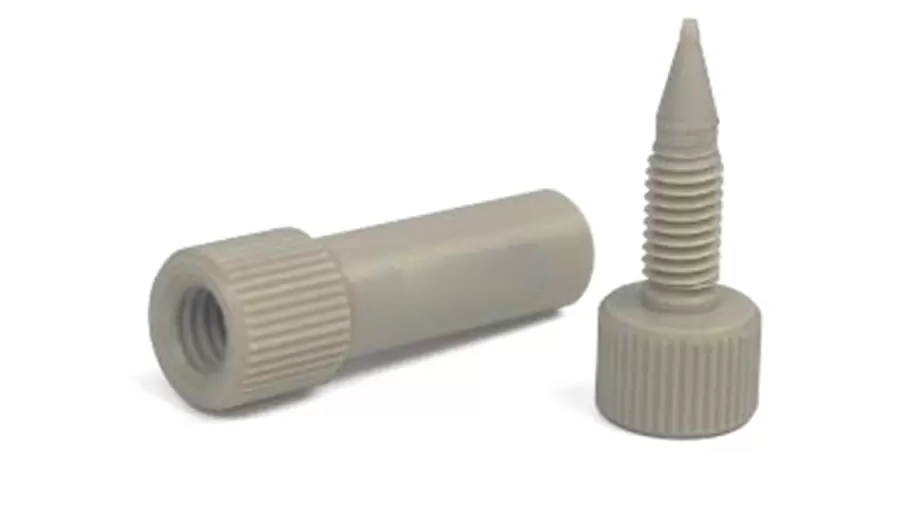
Simple operation: split structure, according to the guidance of drug injection after pressing the piston can quickly complete the lung drug administration, no subsequent operation.Special plugging device can be added, easy to clean and maintain, reduce the burden of the experiment personnel.
Precise control of dosage:direct administration into the trachea without first-pass elimination, with minimal systemic drug effects, ensuring that the drug directly and evenly covers the target cells, tissues or samples, achieving the treatment of local or systemic diseases.
Multiple drug types:can be used for solution, small cell suspension, homogeneous suspension, low viscosity emulsion, etc. Microdosing was performed precisely, with a minimum drug dosage of 25μL.Ensure the consistency and accuracy of each drug administration in the experiment and guarantee the repeatability of the experiment.
Design and material:made of imported stainless steel material, strong and durable, with excellent corrosion resistance and high strength, can be used in a variety of environments for a long time to ensure the safety and stability of the drug delivery process.
Simple operation: split structure, according to the guidance of drug injection after pressing the piston can quickly complete the lung drug administration, no subsequent operation.Special plugging device can be added, easy to clean and maintain, reduce the burden of the experiment personnel.
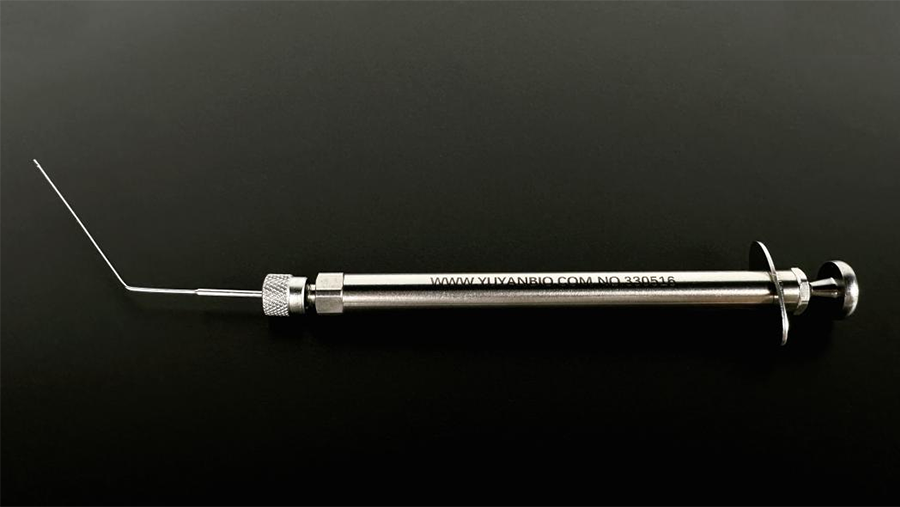
Micro Sprayer Aerosolizer
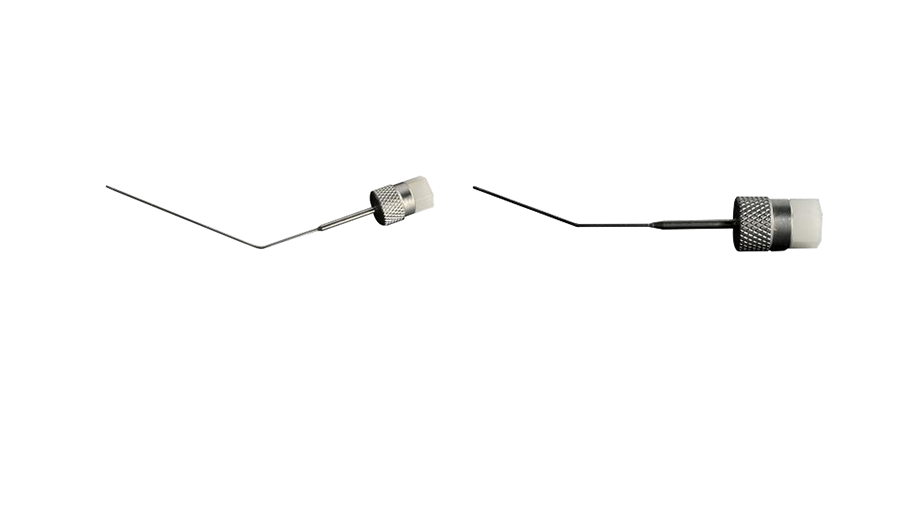
Multiple Atomization Needles Available
Application Areas
- Study the mechanism of pulmonary absorption: by giving labeled drugs, the absorption and transport process of drugs in the alveoli and lung interstitium can be observed, and the rate and degree of drug absorption in different parts of the alveoli and lung interstitium can be accurately measured, so as to establish a reliable drug absorption model.
- Analysis of pulmonary metabolic process: the use of pulmonary drug delivery technology can detect the formation and changes of drug metabolites in the lung after drug administration, help to analyze the activity of pulmonary metabolic enzymes and metabolic pathways, and can also analyze the metabolic kinetics of drugs in the lung, including metabolic rate, metabolite formation and clearance.
- Evaluate the mechanism of pulmonary clearance: pulmonary administration can act on the lung to study the effects of alveolar macrophages, pulmonary surfactant, and ciliary motility on drug clearance.
- Exploring the immune response and barrier function in the lungs: the activation of immune cells and inflammatory response in the lung can be observed by giving immunostimulatory drugs through the lung. Using labeled particles or macromolecules as probes, the regulation of permeability of substances by barrier structures such as pulmonary vascular endothelium and epithelium can be assessed.
- Establish the pharmacokinetic model of pulmonary-systemic circulation: through the data of pulmonary administration, a detailed pharmacokinetic model of pulmonary-plasma-systemic circulation can be established to more accurately predict the absorption, distribution, metabolism and clearance process of the drug in the body.
Atomisation vs. Instillation
| Item | Intratracheal Atomisation | Intratracheal Instillation |
|---|---|---|
| Anaesthesia | Non-invasive—anaesthesia only | InvasiveAfter anesthesia, the muscle groups need to be bluntly separated to expose the trachea |
| Administration mode | Nebulizer rapidly sprayed through glottis into trachea | Slow injection after inserting catheter into trachea |
| Post-Dose Procedures | Allow animals to awake | After drug injection, the mouse should be upright and rotated to evenly distribute the drug in both lungs, and the surgical incision should be sutured |
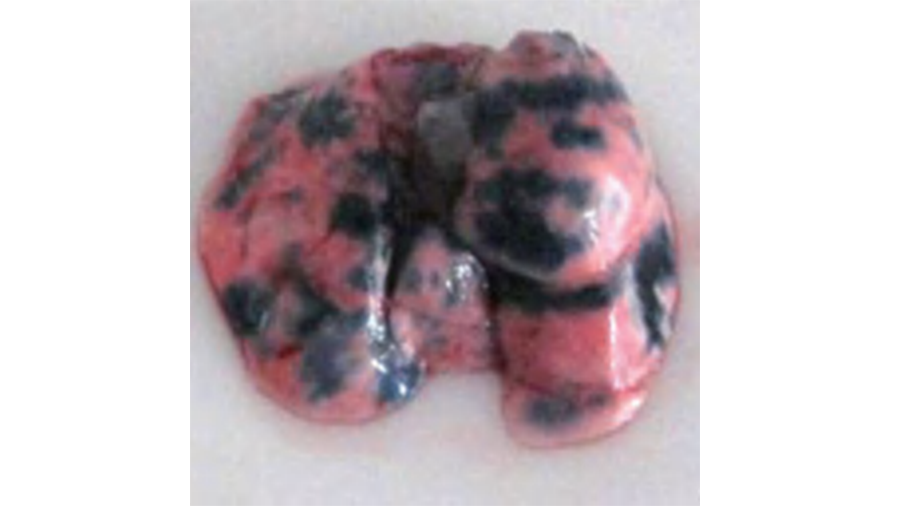
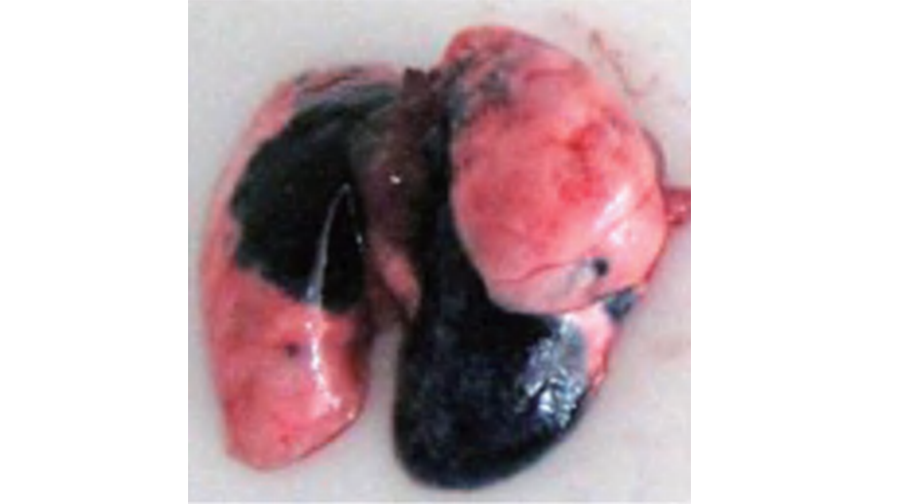
| Drug distribution | The drug was distributed in punctate or patchy patterns in each lobe | The drug was distributed in lumps in each lung lobe |
| Treatment effect | Consistent with the progression of lung disease | Progression of lung disease not in accordance with normal physiological conditions |
| Dye distribution effect |
|
|
Technical Specifications
| Item | Parameter |
|---|---|
| Applicable Samples | Available in solutions, small cell suspensions (up to 15 micron diameter), homogeneous suspensions, low viscosity emulsion |
| Dose range | 25μl-250μl |
| Drug aerosol particle size | 10-30μm |
| Atomization effect | Up to bronchioles and terminal bronchi |
| Single Atomization Accuracy | 2μl |
| Outer diameter of syringe nozzle | 6.3mm |
| Angle to needle tip length | 46mm(Rat),27mm(Mouse)Customized length supported |
| Needle Tail to Angle Length | 15 mm |
| Needle bend angle | 120° |
Related Products
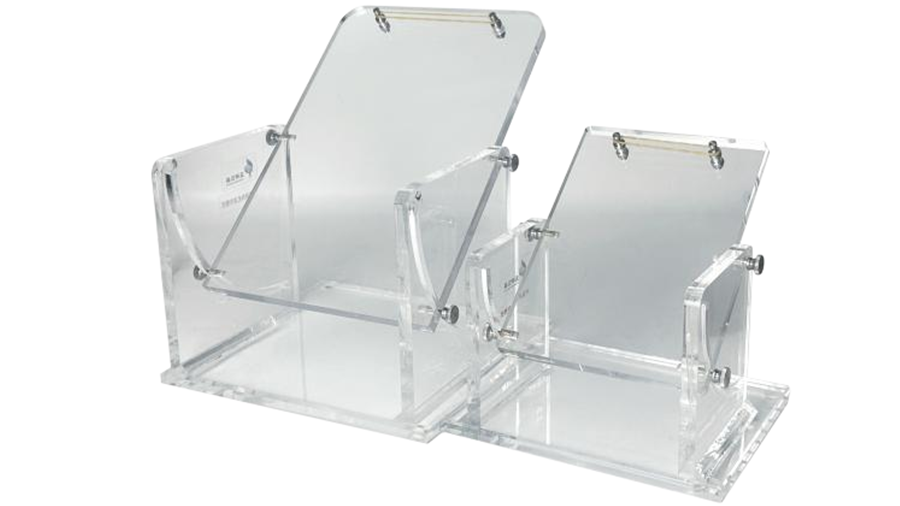
Tracheal intubation platform for mice and rats Model:CG-02-M/CG-02-R
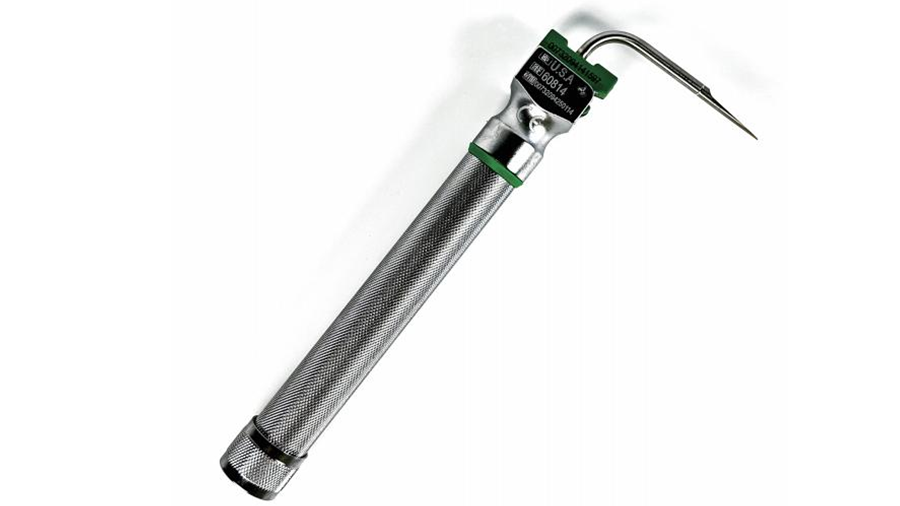
Animal laryngoscope (for mice and rats) Model: SR310-M/SR310-R
Dredging device