

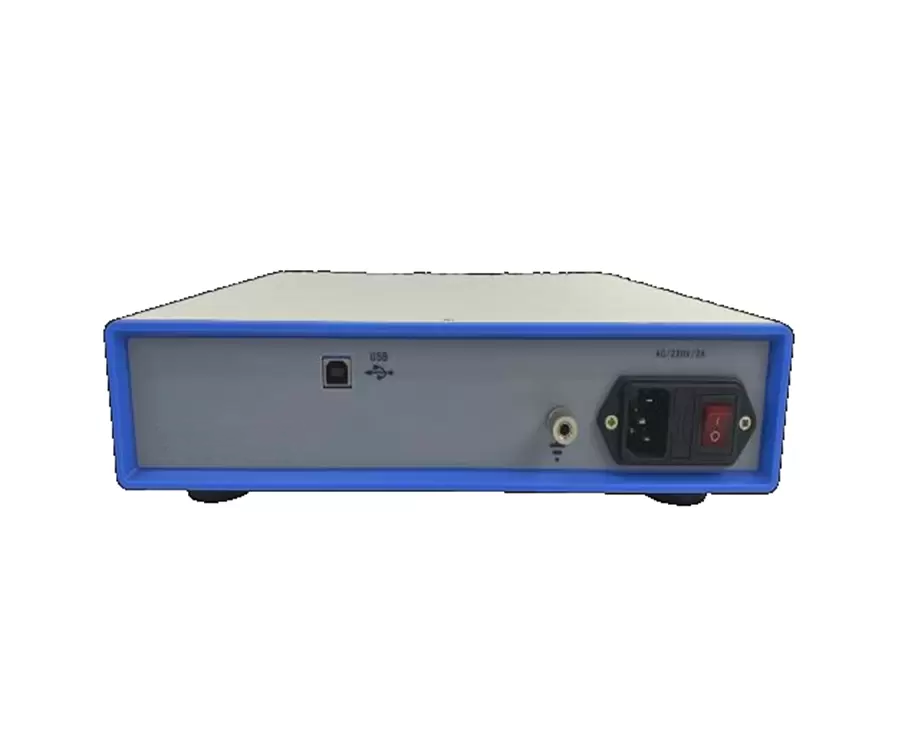
Multi-channel Physiological Signal Acquisition System
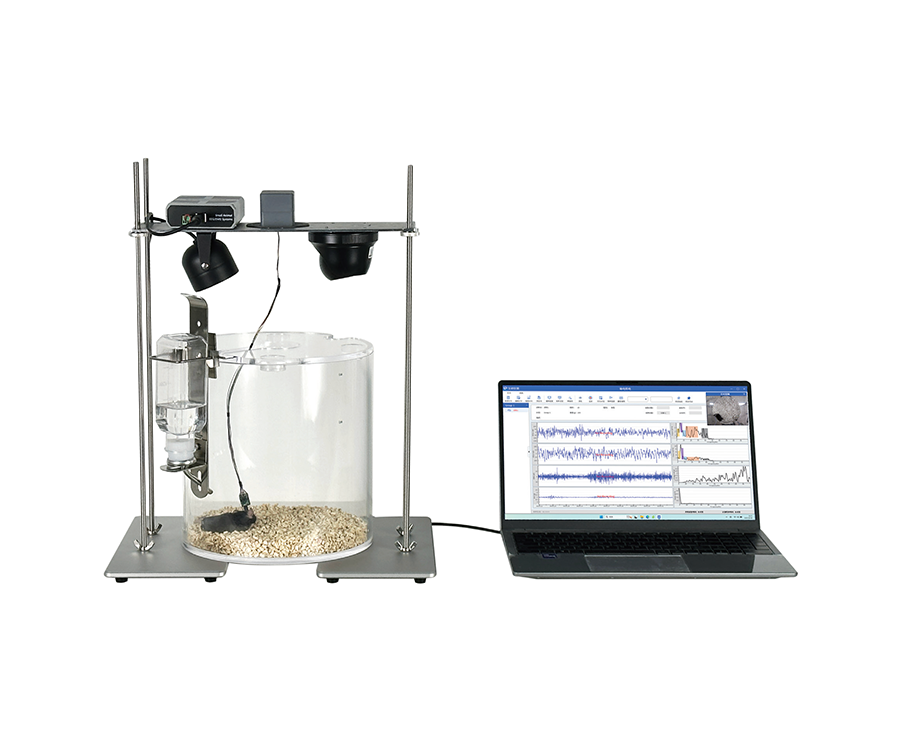
The Multi-channel Physiological Signal Acquisition System is a device widely used in physiological research experiments or physiological teaching experiments. It features multi-channel signal input interfaces and supports the measurement of parameters such as ECG, invasive blood pressure, muscle tension, electromyography, action potentials, respiratory flow, heart sounds, and body temperature.
 Phone Consultation
 Follow us
- Introduction
- Features
- More Recommendations
Introduction
The multi-channel physiological signal acquisition system employs advanced synchronous acquisition and digital filtering technologies, functioning as a professional device that synchronously records and analyzes multiple physiological parameters of living organisms through high-precision sensors and amplification circuits. By processing raw signals via isolated bioelectric amplifiers and adaptive filtering algorithms, the system generates quantifiable physiological parameters. These data comprehensively reflect the temporal changes in an organism.
The YAN-6000 Multi-Channel Physiological Signal Acquisition System, delivers a comprehensive experimental data solution for pharmacological evaluation and pathophysiological research. Featuring unique technologies including synchronized acquisition, high signal-to-noise ratio, and multi-parameter integrated analysis, this system eliminates the need for repeated calibration. With a single-channel sampling frequency up to 1000KHz and microvolt-level voltage resolution, it enables researchers to conduct long-term synchronized observation and dynamic analysis of diverse physiological signals such as neural discharges, cardiac activity, and respiratory rhythms.
The YAN-6000 Multi-Channel Physiological Signal Acquisition System, delivers a comprehensive experimental data solution for pharmacological evaluation and pathophysiological research. Featuring unique technologies including synchronized acquisition, high signal-to-noise ratio, and multi-parameter integrated analysis, this system eliminates the need for repeated calibration. With a single-channel sampling frequency up to 1000KHz and microvolt-level voltage resolution, it enables researchers to conduct long-term synchronized observation and dynamic analysis of diverse physiological signals such as neural discharges, cardiac activity, and respiratory rhythms.
Features
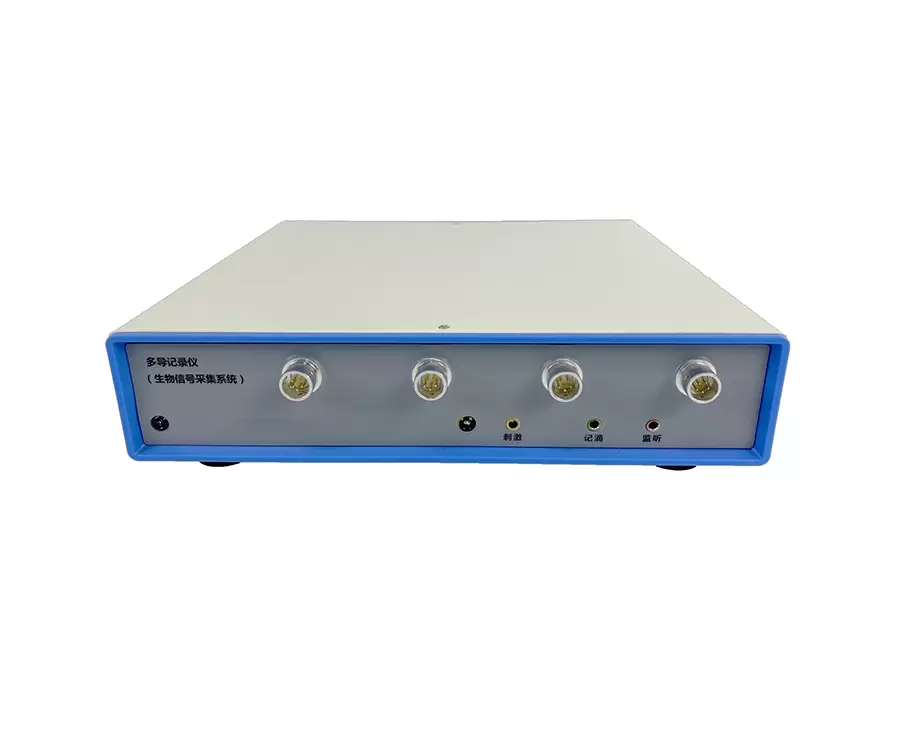
Support multiple signal inputs: All four channels can connect to bioelectrical conductance wires, blood pressure sensors, muscle tone sensors, and other expandable sensors, enabling simultaneous four-channel detection
Built-in electrical stimulation features:Support single, dual, continuous, timed, intensity-increasing, frequency-increasing, pulse-width-increasing, strong-interval-increasing stimulation, and automatic dual-stimulation sequences
Strong anti-interference capability: The integrated anti-interference power supply structure ensures accurate and clear bioelectrical signals without external grounding wires during any bioelectrical experiments
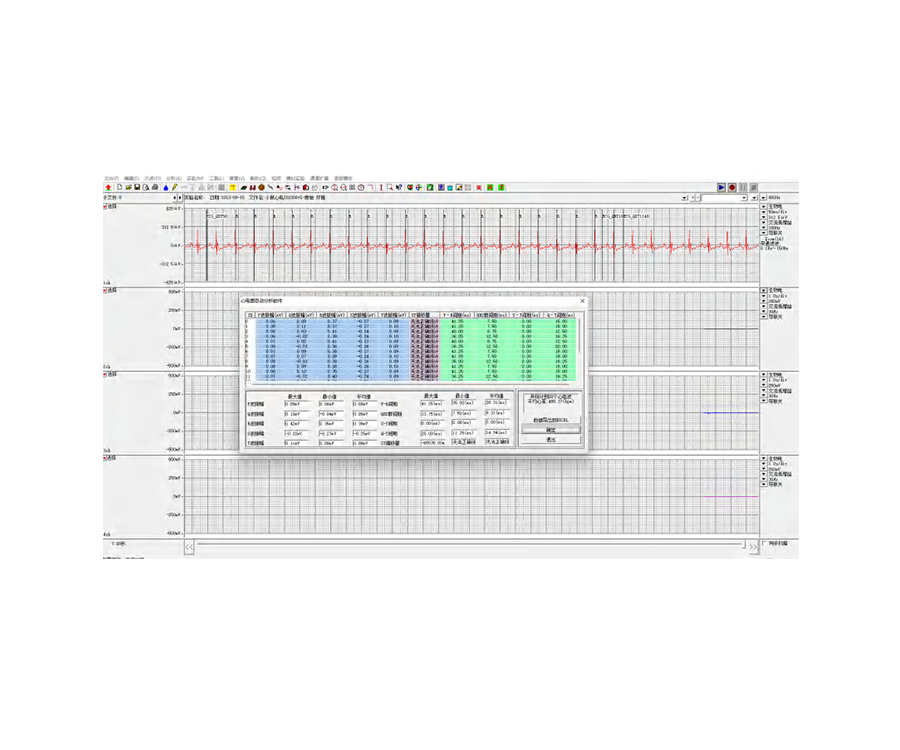
Powerful data analysis features: Automatic ECG measurement, heart rate variability analysis, automatic arterial blood pressure measurement, and discharge statistics measurement
Built-in electrical stimulation features:Support single, dual, continuous, timed, intensity-increasing, frequency-increasing, pulse-width-increasing, strong-interval-increasing stimulation, and automatic dual-stimulation sequences
Strong anti-interference capability: The integrated anti-interference power supply structure ensures accurate and clear bioelectrical signals without external grounding wires during any bioelectrical experiments
Powerful data analysis features: Automatic ECG measurement, heart rate variability analysis, automatic arterial blood pressure measurement, and discharge statistics measurement
Product Composition
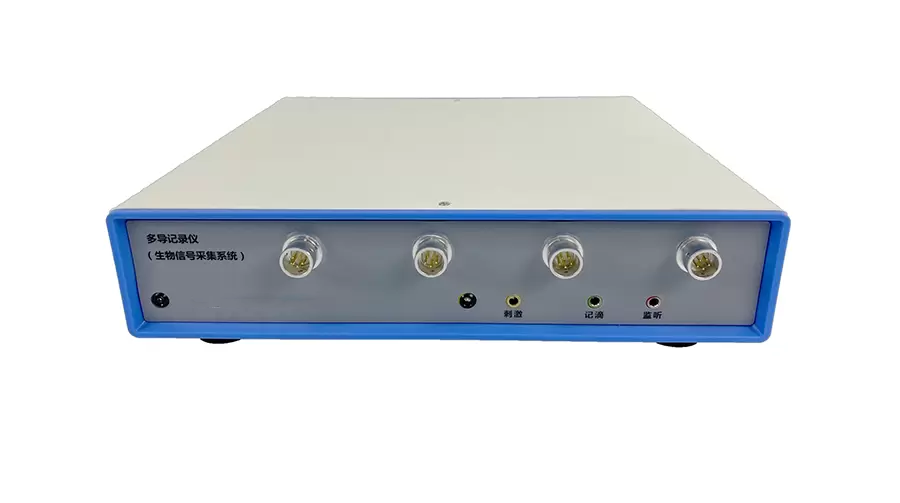
acquisition system host
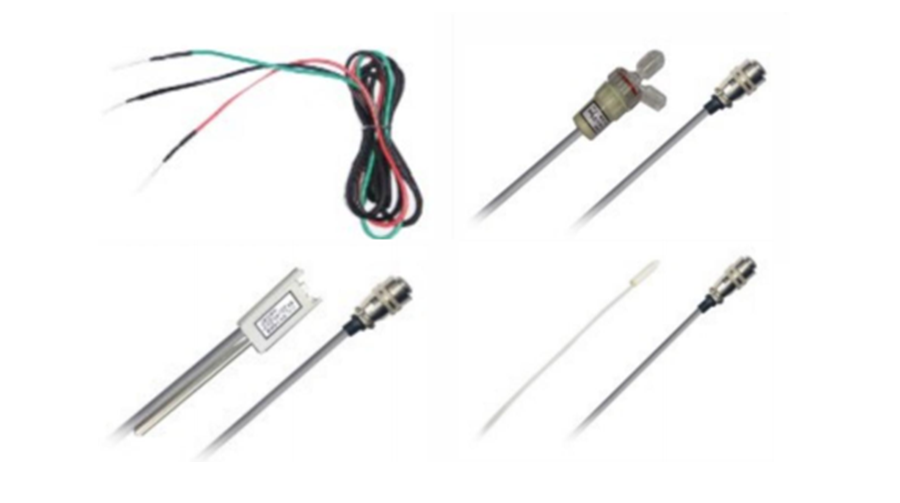
sensors and electrodes
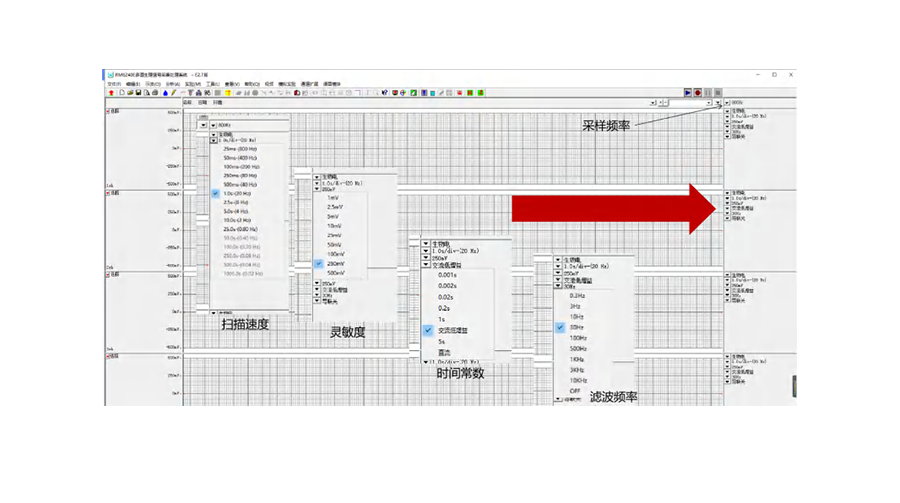
Data acquisition and analysis software
Application field
- Cardiovascular Research:Using Different Sensors to Study Hemodynamics, Cardiac Electrophysiology, In Vitro Perfusion, Arteriovenous Blood Pressure
- Pharmacological studies: The software includes a built-in pharmacological toolkit for evaluating drug pharmacodynamics (particularly cardiovascular drugs) and conducting pharmacotoxicology research
- Respiration and Metabolism Research: Different sensors can record the basic pulmonary function of animals such as respiratory flow and respiratory wave, and combine with the characteristics of exercise physiology for research
- Neuroscience Research: Recording of Action Potentials in Vitro and in Vivo and Research on the Changes of Animal Nervous System
Basic technical parameters
| Definition | Parameter |
|---|---|
| Number of channels | 4 |
| Sampling rate | Single-channel 1000kHz; four-channel continuous sampling up to 200kHz |
| Scanning speed | 0.05ms/div-3200s/div |
| Sensitivity | Bioelectricity:20uV/div-500mV/div Blood pressure:3.6-360(mmHg/div)、0.36-180(mmHg/div)(High-sensitivity) |
| Stimulus pattern | ≥12 |
| Stimulus intensity | Maximum load current: 100mA, maximum output voltage: 50V |
| Software | Contains more than 50 experiments and supports data export and third-party analysis software |
| Sensor type | Respiratory flow, invasive blood pressure, respiratory rate, body temperature, heart sounds, etc. |