

News and Cases News and Cases

News and Cases

Yuyan Instrument was established in 2010 and has been committed to independent research and development for 15 years. We are committed to providing customers with effective and reasonable system solutions for life science research and laboratory construction

Ugo Basile Hot and Cold Pain Measurement: Accurately assessing and analyzing hot and cold pain, driving new scientific breakthroughs

Date:2025-06-13 Author:
Animal experiments provide irreplaceable data support in pain research. In the field of animal pain research, hot and cold pain tests have always been key tools for evaluating hyperalgesia and allodynia.More than 20% of the world's population suffers from pain, placing a significant burden on health and the economy.In-depth exploration of the neural mechanisms of pain and the development of effective analgesics have become urgent issues to be addressed.Compared with mechanical stimulation, hot and cold stimulation can more directly reflect the impact of temperature changes on pain receptors, providing a unique perspective for the analysis of pain mechanisms.


With over half a century of technological expertise and innovative spirit, Italian brand Ugo Basile has provided accurate and reliable heat, cold, and pain measurement equipment to researchers worldwide. As the exclusive distributor for Ugo Basile in China, Yuyan Instruments is pleased to introduce a series of heat, cold, and pain measurement solutions to support your research.

Classic solution: plantar thermal pain meter


01 Equipment Introduction
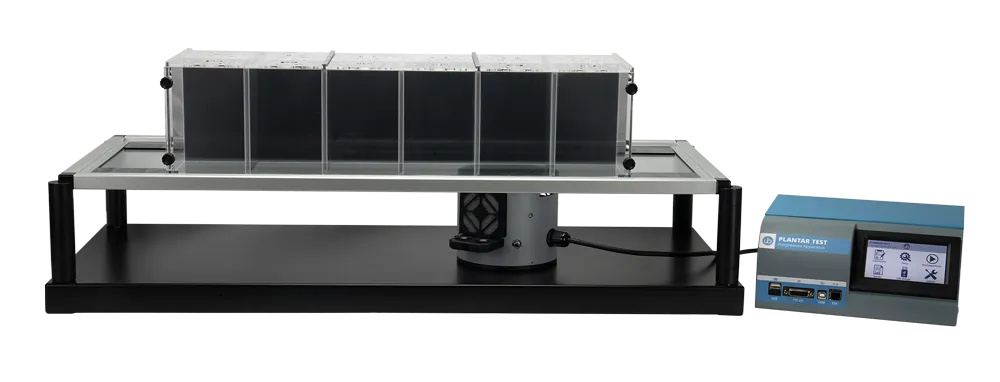

The Hargreaves method, invented by Dr. Hargreaves in the late 1980s, is used to assess the thermal pain threshold of mice and rats. It involves stimulating the animal's paw with a focused infrared light source and observing its response and reaction time. The UGO Basile plantar thermal allometry instrument, based on this method, uses non-contact, point-like thermal stimulation to measure paw withdrawal latency in freely moving animals, offering significant advantages in the study of thermal allergy.


image.png


02Equipment Features


1. Automatic detection: Uses invisible infrared light and heat stimulation to avoid light stress, accurately locates the stimulation site on the sole of the foot, and automatically records the paw withdrawal latency;
2. Point stimulation: The infrared focused light source can achieve small-scale fixed-point stimulation, which can test the left and right feet separately, improving the authenticity of the results. It can also be used for the trigeminal nerve heat pain hypersensitivity test in rats.
3. High-throughput platform: The compact design reduces interference, the transparent glass allows for easy light penetration, and the pen-style activity area can accommodate multiple animals at the same time, meeting the needs of high-throughput experiments;
4. Adjustable light intensity: The infrared stimulation light intensity is adjustable from 1% to 100% to adapt to different animal models and supports automatic or manual scoring.

03Application Areas


1. Neuropathic pain research: used in animal models of nerve injury to measure the paw withdrawal latency to thermal stimulation and evaluate the degree of neuropathic pain and drug efficacy;
2. Drug development: Help screen and evaluate analgesic drugs and non-invasively quantify the effect of drugs on improving hyperalgesia;
3. Disease model research: Evaluate the impact of disease on pain perception in models such as inflammatory pain and postoperative pain, and provide data support for studying pain mechanisms.

04Literature Case
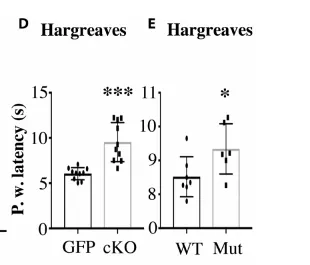

The article, "Cyclin-dependent–like kinase 5 is required for pain signaling in human sensory neurons and mouse models," used a UGO plantar heat sensor to assess thermal pain perception in mice. The researchers evaluated the mice's thermal pain response by measuring the paw withdrawal latency to heat stimulation. The results showed increased paw withdrawal latency in Cdkl5-deficient mice, indicating reduced thermal pain sensitivity. These findings support the critical role of CDKL5 in peripheral nerve pain transmission and provide new research directions for the future treatment of CDKL5-deficient disorders.


image.png


Gold Standard: Hot and Cold Plate Tester


01 Equipment Introduction
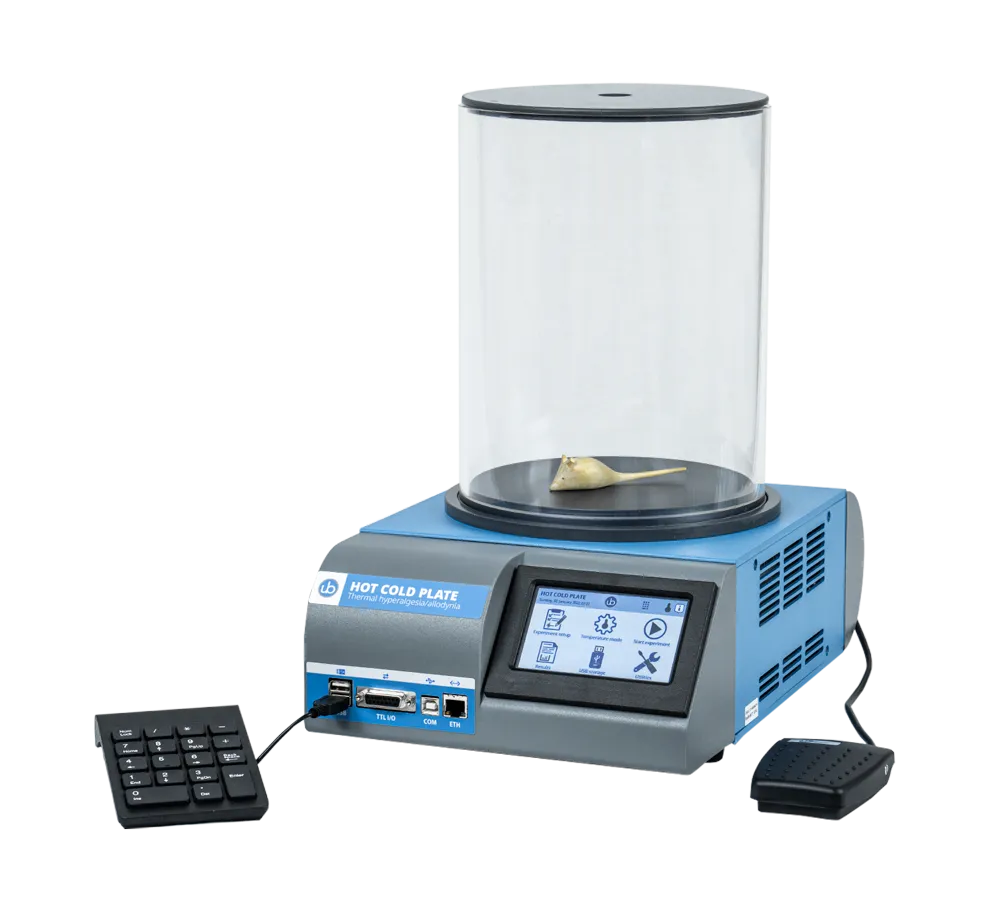

The hot and cold plate test is the gold standard for thermal pain testing in rodents. The Ugo Basile hot and cold plate tester, with its wide temperature range and adjustable multi-stage testing, offers the flexibility to conduct a variety of pain experiments, ranging from hyperalgesia to allodynia. The device's silent mode minimizes disturbance to experimental animals, ensuring nociceptive response data are obtained under natural conditions. It also supports exporting experimental data in CSV format via USB flash drive for easy subsequent analysis.


image.png


02. Equipment Features


1. Multiple temperature control modes: support constant temperature, linear temperature rise and fall, rapid temperature rise and fall modes to meet different experimental needs;
2. Wide temperature range: Provides hot and cold stimulation from -5°C to 65°C, compatible with a variety of animal models and thermosensitivity experiments;
3. Custom temperature control stage: Through X-PAD software, you can program multiple temperature rise and fall programs to achieve automated testing;
4. Behavior recording function: equipped with a digital keyboard and foot pedal, which can record the animal's pain response and stereotyped behavior.

03Application Areas


1. Pain research: used to study inflammatory pain, neuropathic pain, etc.Understand the mechanism of pain by observing animals' pain responses on hot and cold plates;
2. Drug screening and evaluation: It can be used to screen analgesic drugs and evaluate the analgesic effect of drugs;
3. Disease model studies: Evaluate the effects of disease on animal pain perception in relevant disease models.

04Literature Case


In the article "Trendafilova, Teodora, et al. "Sodium-calcium exchanger-3 regulates pain "wind-up": From human psychophysics to spinal mechanisms.", the researchers conducted a hot plate test in wild-type (WT) and NCX3 heterozygous (NCX3HET) and NCX3 homozygous (NCX3HOM) mutant mouse lines lacking functional NCX3 to investigate whether NCX3 (sodium-calcium exchanger type 3) could regulate pain behavior.

Each mouse was placed on a hot plate maintained at a constant temperature (50°C or 55°C); the time it took for each mouse to have a nociceptive response (hind paw withdrawal or licking) was recorded, and the average value was taken for comparison; combined with other behavioral experiments, it was confirmed that the loss of NCX3 was associated with normal acute pain-related behaviors.
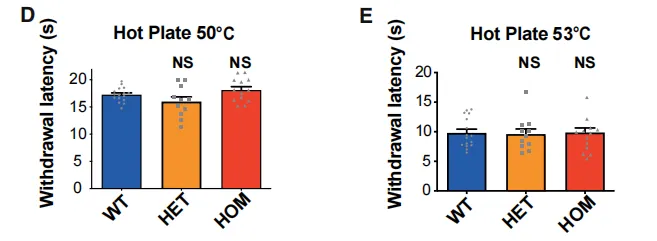


image.png


High repeatability: tail flick tester


01 Equipment Introduction
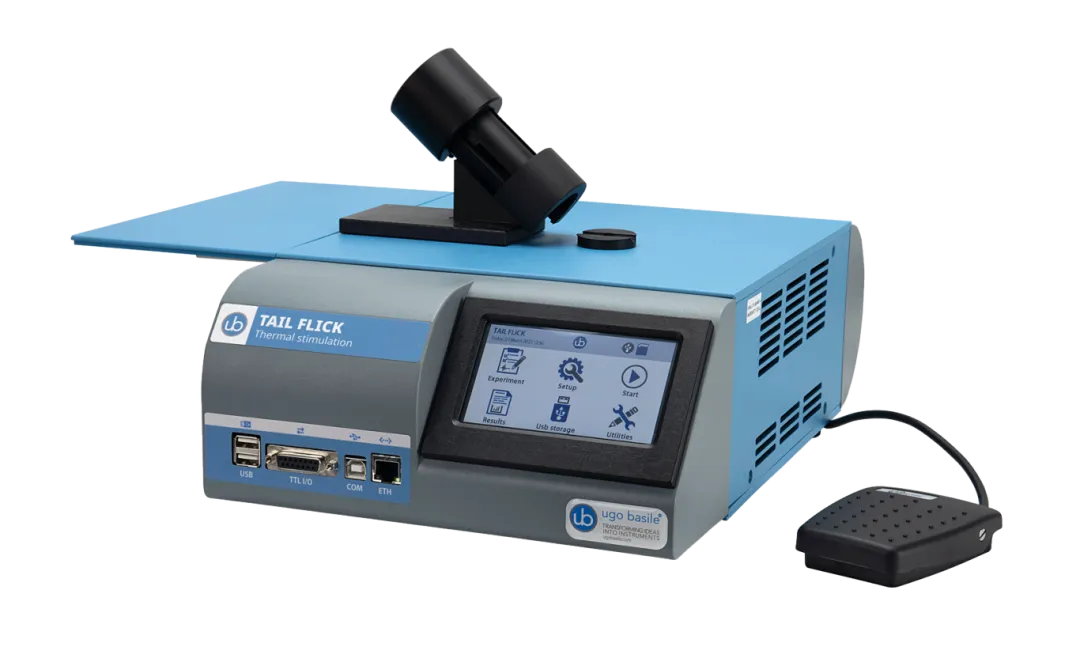

The tail-flick test, originating from a discovery by D'Amour & Smith in 1941, uses a focused beam of light to stimulate the animal's tail, producing a thermal stimulus. When the animal experiences pain, it twitches its tail suddenly, demonstrating high reproducibility. The Ugo Basile tail-flick tester accurately measures the reaction time of mice and rats to infrared thermal stimulation, enabling rapid screening of analgesic drugs and suitable for animals under anesthesia.

image.png


02Equipment Features


1. Authentic results: Using the D'Amour & Smith method, combined with point stimulation and thermal stimulation, eliminates animal stress reactions and ensures that the test results are authentic and reliable;
2. Adjustable light intensity: The infrared stimulation light intensity is adjustable from 1% to 100% to adapt to different animal models and supports automatic or manual scoring;
3. Touch screen control: 4.3" touch screen control, extensive parameter settings, real-time storage and display of results, and convenient data export.


03Application Areas


1. Analgesic drug research: It can be used to quickly screen and evaluate the analgesic effect of drugs for central and peripheral neuropathy;
2. Pain mechanism research: The ability to accurately measure the pain threshold of the tail of mice and rats to infrared thermal stimulation will help study the mechanisms related to pain and inflammation;
3. Disease model evaluation: It can be used for various pain-related disease models to evaluate the impact of diseases on animal pain perception, providing a basis for pain mechanism research and drug development.


04Literature Case
The article, "Altered gut microbiota and endocannabinoid system tone in vitamin D deficiency-mediated chronic pain," used a UGO tail-flick tester to test thermal pain in mice. The study evaluated the effects of vitamin D deficiency on pain behavior by measuring the tail withdrawal latency in response to infrared heat stimulation. The authors found that vitamin D-deficient mice had a shortened thermal pain latency, indicating increased pain sensitivity.
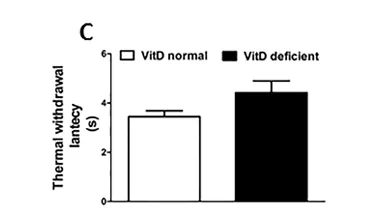
image.png


Advanced Solution: Thermal Runaway Tester


01 Equipment Introduction
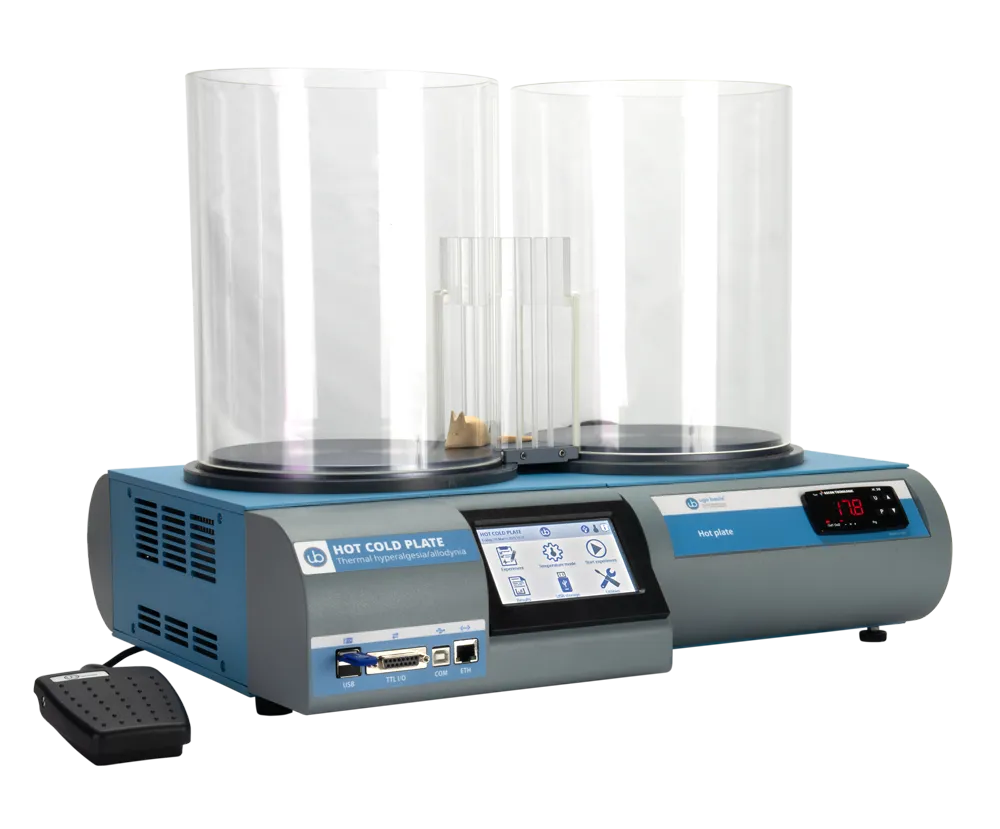

The thermal escape test (TPP) is a tool for assessing animal thermal sensitivity, testing their learning ability and overall response to thermal stimulation at different locations and temperatures. Unlike traditional hot/cold plate tests, which rely on human judgment, the UGO Thermal Escape Tester allows animals to freely select their temperature environment and automatically determines their pain threshold. The device also comes with optional ANY-maze behavioral analysis software, which provides detailed behavioral data, including the animal's duration of stay and movement paths in different temperature zones.

image.png


02Equipment Features


1. Two working modes to meet different experimental needs: In addition to the fixed temperature mode, it also provides a variable temperature mode for dynamic experiments, allowing for flexible conduction of various types of pain experiments;
2. Wide range of temperature control: It has two working modes: plate and hot plate, with a wide range of temperature control from -5℃ to 65℃, and switching temperature control mode is convenient and fast;
3. Can be used with behavioral software: It can be equipped with a video acquisition system and behavioral analysis software to automate the experimental process and additionally calculate and analyze experimental animal activity data.


03Application Areas


1. Neuroscience research: used to study diseases related to the nervous system, such as neuropathic pain;
2. Pharmacological research: It can be used to screen analgesic drugs and observe the effects of drugs on animal heat escape behavior, thereby determining the analgesic effect of the drugs;
3. Disease model research: Play a role in the establishment and research of chronic pain disease models.

04Literature Case


The article "TRESK background K+ channel deletion selectively uncovers enhanced mechanical and cold sensitivity" used the UGO thermal escape tester to investigate the role of K+ channels in sensory neurons. Deletion of these channels was found to enhance the excitability of nociceptors and selectively increase sensitivity to mechanical and cold stimuli in mice, while having no effect on sensitivity to heat. These results suggest that TRESK channels play a crucial role in regulating pain perception.
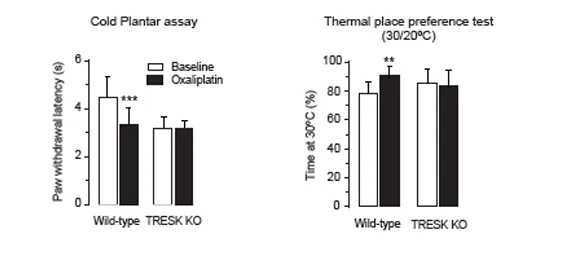


image.png


Fully automatic measurement: Thermal Preference Tester


01 Equipment Introduction
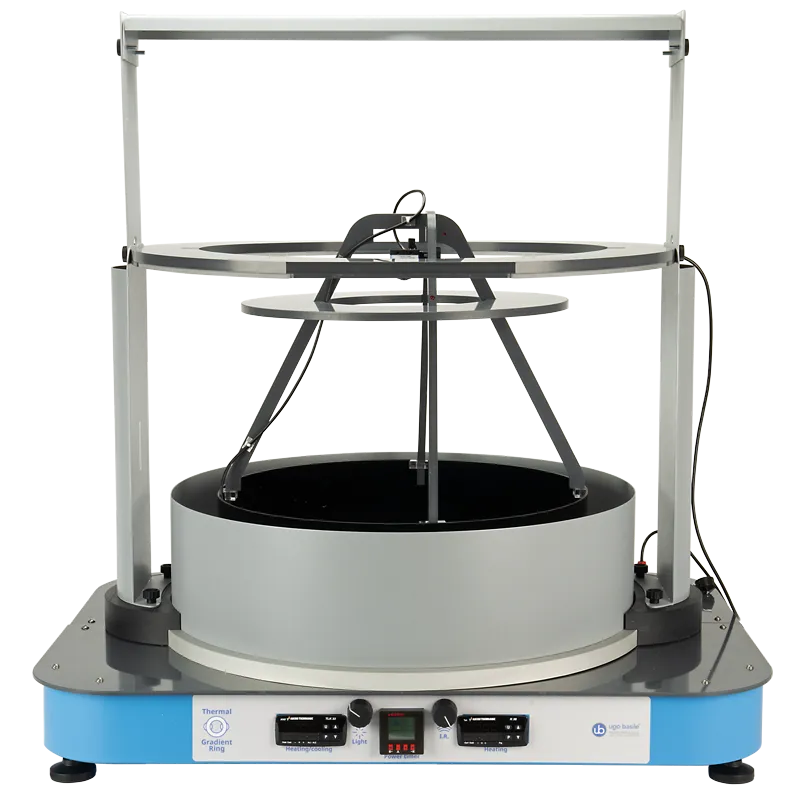

The cellular and molecular mechanisms underlying temperature perception and thermoregulation are important topics in neuropathic pain research. Traditional devices, such as hot and cold plates, have limitations such as restricted animal movement and limited temperature selection. The Ugo Basile Thermal Preference Tester (TGR), designed based on the Zimmermann method, consists of a circular track, heating and cooling mechanisms, a camera, and video tracking software. The circular track creates a temperature gradient through the hot and cold plates, allowing mice to move freely. Their movements are recorded by a camera and analyzed by software, making it suitable for studying thermal preference phenotypes.

image.png


02Equipment Features


1. Ring design: The inner diameter of the track is 45 cm and the outer diameter is 57 cm. There is no boundary effect, the temperature changes evenly, which reduces animal anxiety and experimental deviations.
2. Wide temperature range: supports 4-65℃ gradient, up to 12 temperature gradients, suitable for a variety of models;
3. Dual hot and cold plate configuration: The hot plate and cold plate are located at both ends of the ring, and the embedded sensor controls the temperature gradient in real time. The aluminum track has good thermal conductivity;
4. Video analysis software: equipped with ANY-MAZE software, which can analyze parameters such as trajectory, residence time, number of entries, preferred temperature, etc., reducing experimental costs


0 4 Literature Cases
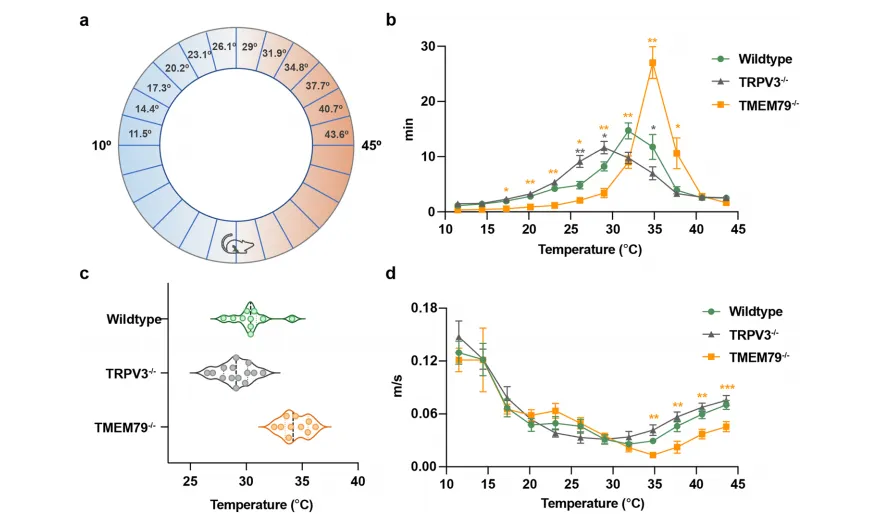

The article "Involvement of skin TRPV3 in temperature detection regulated by TMEM79 in mice" conducted a thermal gradient loop experiment using a UGO thermal preference meter. The experiment recorded the residence time and movement speed of wild-type, TRPV3−/−, and TMEM79−/− mice in each temperature zone. The results showed that compared with wild-type mice, TMEM79−/− mice tended to prefer higher temperature environments, while TRPV3−/− mice had a wider distribution of temperature preferences. This suggests that TRPV3 and TMEM79 play a role in temperature perception, with the loss of TMEM79 leading to an increased preference for warmer temperatures in mice, possibly related to enhanced TRPV3 function.


image.png


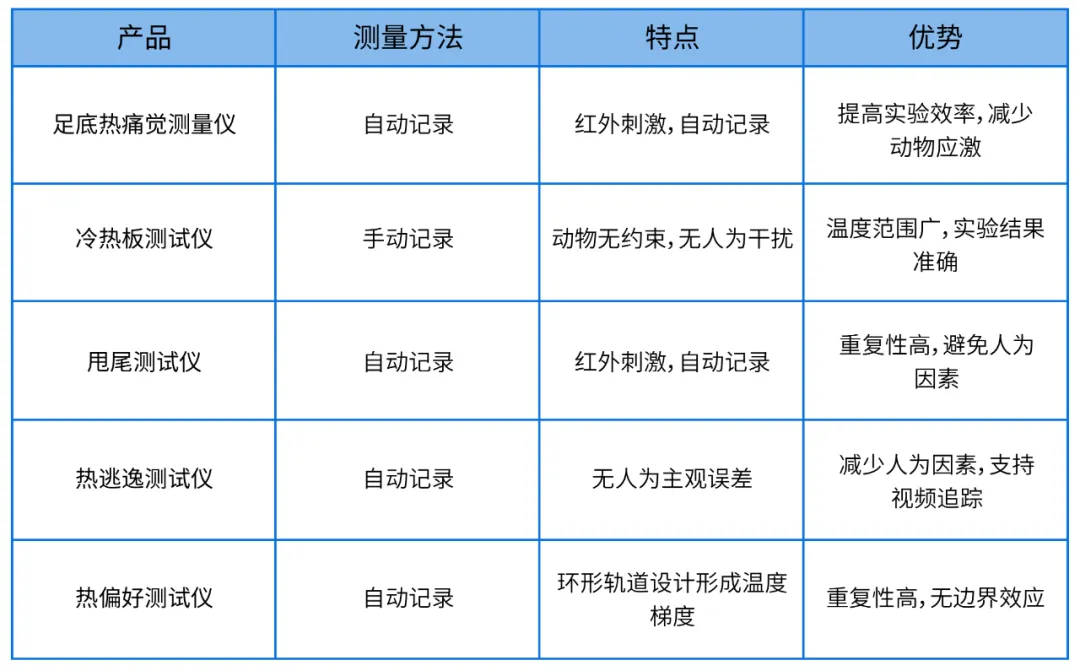
Ugo Basile provides comprehensive mechanical pain measurement solutions. You can choose different measurement instruments according to your needs to facilitate new discoveries in preclinical research.

image.png


Ugo Basile pain measurement instruments, built on precision measurement, bridge the gap between the laboratory and the clinic. As the exclusive domestic distributor for Ugo Basile, Yuyan Instruments offers the gold standard for hot and cold pain measurement, automated thermal escape solutions, classic plantar thermal pain solutions, specialized tail-flick testing solutions, and advanced thermal preference testing solutions. These instruments comprehensively measure hot and cold pain thresholds in mice and rats, facilitating neuroscience research and analgesic drug evaluation.

image.png


Self-developed core creates extraordinary strength

Shanghai Yuyan Scientific Instrument Co., Ltd., as a leading manufacturer of scientific research equipment in the industry, has been adhering to the core concept of "innovation drives development, and self-research creates quality" for 14 years since its establishment in 2010. It is committed to the independent research and development and production of scientific instruments. Its current product line covers multiple scientific research and application fields such as experimental animal husbandry, physiological signal acquisition, and neuroscience research. Not only does it continuously optimize and upgrade conventional instruments, but it also dares to explore cutting-edge technologies and has launched a series of high-end scientific instruments with independent intellectual property rights. The company's R&D personnel account for 40%, and it has a team of scientists in sensors, chip design, core algorithms, etc., and has professional teams to provide support in product implementation and operation, market and academic promotion, comprehensive product solution design and application. The company has service points covering the whole country and strong technical service capabilities. Its customers include Tsinghua University, Peking University, Zhejiang University, Shanghai Jiaotong University, University of Chinese Academy of Sciences, West China Hospital of Sichuan University, Northern Theater Command General Hospital and other first-class research institutions and hospitals at home and abroad.
Back to List