




Experimental Knowledge | Exploring the Secrets of Spatial Memory - A Complete Analysis of the Barnes Maze Experiment
Date:2025-09-09
Author:
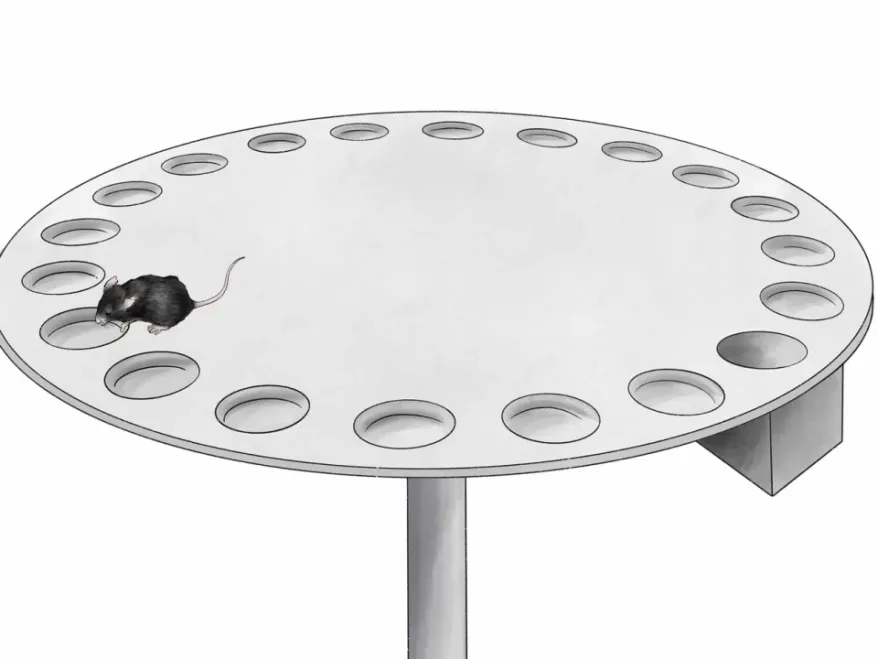
The Barnes Maze is a dry spatial learning and memory behavioral experimental model developed by American neuroscientist Carol A. Barnes in 1979. Its core advantage is that it avoids the stress stimuli (such as swimming fear) and pain stimuli of Morris Water Maze on animals, and is closer to the natural behavioral patterns of animals. It is widely used in research fields such as neuroscience and pharmacology.
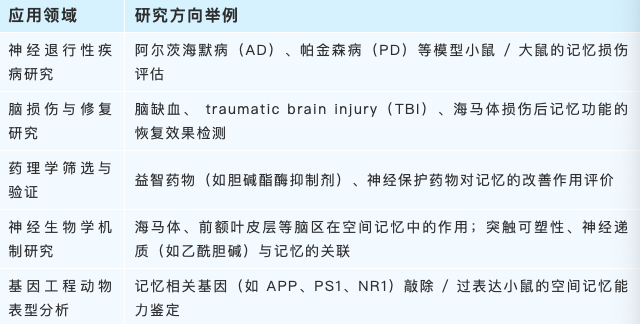
Core application areas
巴恩斯迷宫主要用于评估动物的空间参考记忆(Spatial Reference Memory) 和工作记忆(Working Memory) ,其应用场景高度聚焦于与学习记忆相关的机制研究和干预效果验证,具体领域如下:
系统组成
The Barnes Maze System consists of two parts: the core experimental setup and auxiliary recording equipment. It is necessary to ensure environmental stability to reduce experimental interference
01.核心实验装置
迷宫平台:圆形或正多边形,材质为白色或浅色无毒材质;
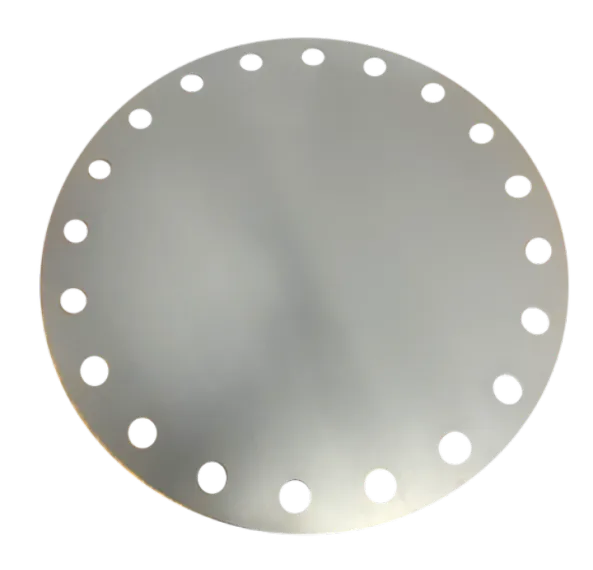
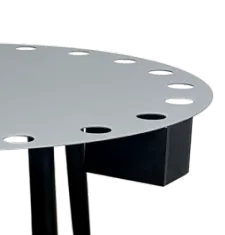
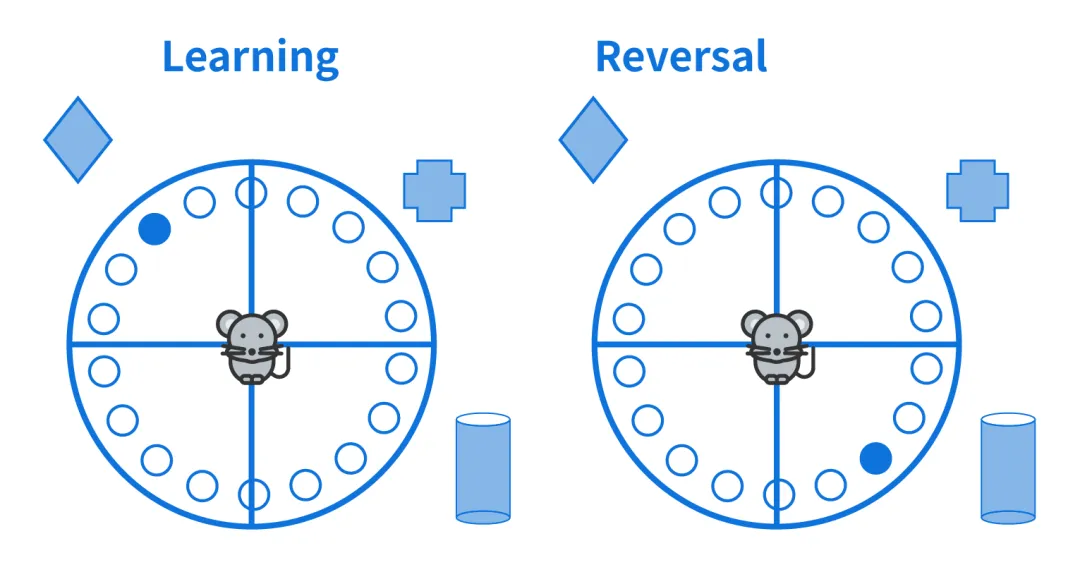
Escape Hole: evenly distributed along the edge of the platform, only one is an effective escape hole (connected to a light shielded and sealed "safety box" below for animals to hide), and the rest are invalid holes;
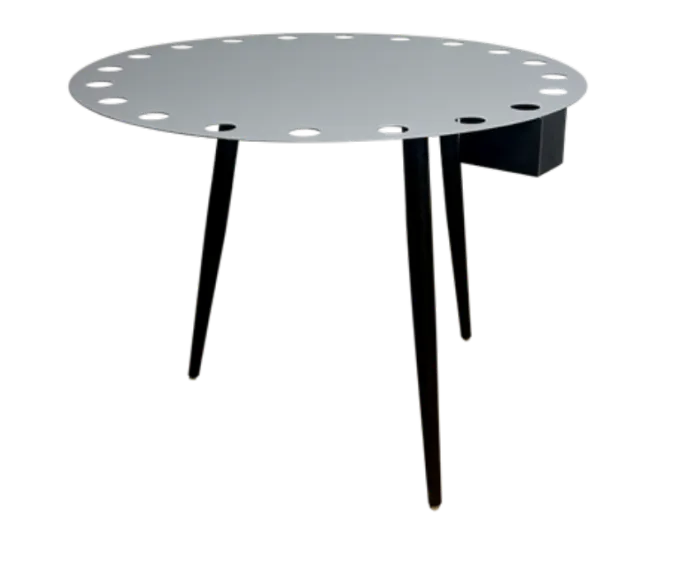
Safety box: docked with an effective escape hole, slightly larger in size than the experimental animal, with soft padding (such as paper towels) inside to provide a "safety signal";
Visual cues (Cues): Set 3-4 fixed markers of different colors and shapes (such as red triangles, blue circles) in the surrounding environment of the maze, with a height higher than the maze platform, as spatial references for animal positioning and effective escape holes (ensuring that the position does not move during the experiment)
02. Auxiliary recording equipment
1. Camera system: placed directly above the maze (1.5-2m in height), connected to a computer, to capture real-time animal movement trajectories;
3.环境控制装置:实验需在隔音、避光(仅开柔和背景光)、温度恒定(22-25℃)的房间内进行,避免人员频繁走动干扰。
Standard Experimental Methods
巴恩斯迷宫实验通常分为适应期、训练期和测试期三个阶段,周期约 5-7 天,具体流程需根据实验目的调整:
01. Preparation before the experiment - key! reduce interference
动物适应:实验前1周将动物转移至行为实验房饲养,适应环境;实验前1小时将动物置于实验房,减少应激。
02. Adaptation period -1 day, eliminate fear
1.目的:让动物熟悉迷宫环境,消除 “新环境恐惧”,而非学习定位;
2.操作:关闭所有逃避孔(或仅开放无效孔),将动物置于迷宫中心,允许自由探索5分钟;探索结束后将动物放回饲养笼,用75% 酒精擦拭迷宫表面(去除气味残留,避免动物通过嗅觉定位)。
03. Training period -4-5 days, core stage: memory acquisition
1.训练原则:每天1次训练,每次1只动物,每只动物训练1-2轮(轮间休息 10 分钟);
2.动物放置:将动物用透明圆筒(直径10cm)罩在迷宫中心,静置10秒(让动物观察视觉线索),随后移除圆筒,开始计时;
3.训练规则:允许动物自由探索,若在3分钟内找到有效逃避孔并进入安全盒,则训练结束,立即将其放回笼中;若3分钟内未找到,需人工引导动物进入安全盒(停留30秒,强化 “安全记忆”),同样计时3分钟;
4.清洁步骤:每只动物训练后,用酒精擦拭迷宫表面和有效逃避孔边缘,避免气味线索干扰下一只动物。
04. Testing period -1 day, evaluate memory retrieval
1. Testing principle: After the training period ends, conduct a "probe test" every 24 hours;
2. Key adjustment: Remove the safety box, seal all escape holes (or only open invalid holes), and keep the visual clues unchanged;
3. Test operation: Place the animal in the center of the maze and allow it to explore for 5 minutes. The software records its dwell time, number of entries, etc. in the "original escape hole area" (at this time, the animal cannot reinforce its memory through "entering the safety box" and can only rely on previously learned spatial clues to locate and reflect its memory retrieval ability).
核心评价指标
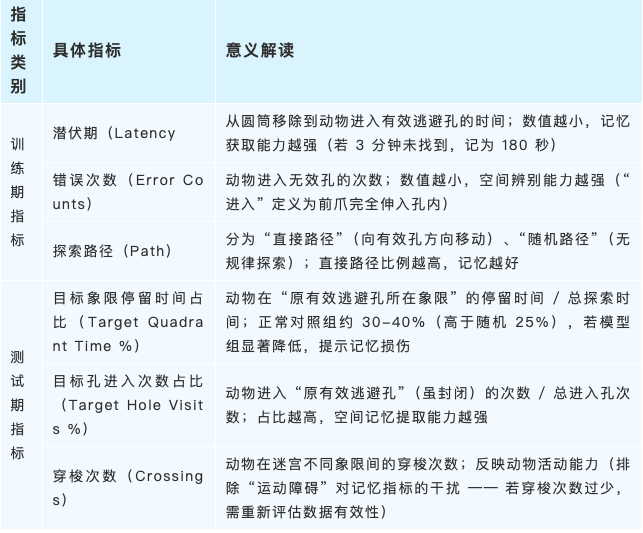
The indicators of Barnes Maze are divided into training period indicators (reflecting memory acquisition efficiency) and testing period indicators (reflecting memory retrieval ability) | | | | | | | | | | | | | | | |
|
Precautions
1.环境控制:实验期间(包括训练期和测试期),视觉线索的位置、颜色、形状不能更改;甚至实验者的站立位置也需固定;
2.嗅觉/触觉线索清除:每只动物实验后必须用酒精擦拭迷宫表面(去除尿液、气味),禁止使用有气味的清洁剂;
3.声音控制:实验房需隔音,禁止手机铃声、人员交谈等突发噪音(动物对高频声音敏感,易引发应激,影响探索行为);
4.统一实验时间:所有动物的训练和测试需在每天同一时间段进行(如上午 9-11 点),避免 “昼夜节律” 对行为的影响(动物在活跃期的探索能力更强);
5.避免重复使用迷宫:若同一迷宫用于多批实验,需彻底清洁(如用肥皂水清洗、晾干),防止前一批动物的气味残留;
6.统一放置方式:每次将动物置于迷宫中心时,头部朝向需一致(如均朝向正前方视觉线索),避免初始方向不同导致探索起点偏差。
Yuyan Instrument Barnes Maze System
玉研仪器提供专业的巴恩斯迷宫实验系统,包括迷宫硬件、高清摄像头、视频跟踪与分析软件等,能够精准记录动物的行为轨迹和探索时间,自动计算关键数据指标,为巴恩斯迷宫实验提供高效、可靠的解决方案。
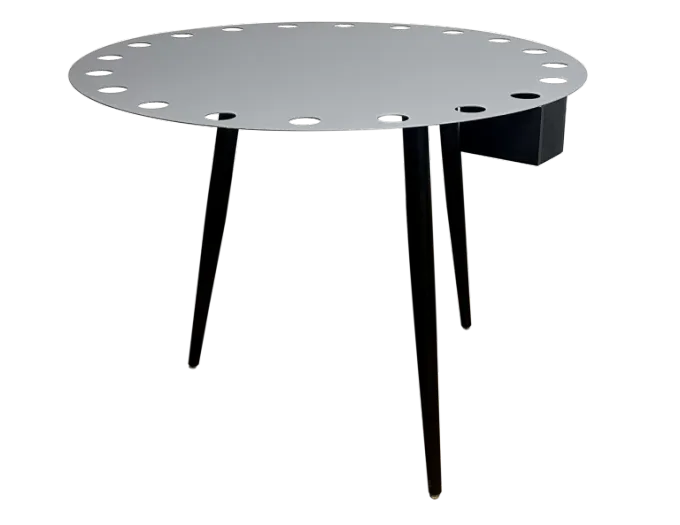
1.专业设计,结果可靠:巴恩斯迷宫尺寸专为大小鼠实验设计,材质、尺寸符合实验动物形态特征与实验要求,确保测试结果准确可靠;
2.视频采集,减少干扰:采用视频摄像技术,实现了实验过程的自动化,避免了人工观察引入的主观误差和对实验动物的干扰,增加了实验结果的真实性;
3.自动追踪分析,结果准确:采用视频追踪技术,自动识别实验动物、提取行动轨迹、分析实验参数,使实验结果更加客观准确。
Recommended Reading
Experimental Knowledge | New Object Recognition Experiment: Analyzing the Secrets of Cognition and Memory
实验干货 | 神经科学研究利器——旷场实验的操作指南与数据解读
实验干货 | 揭秘记忆密码——Morris水迷宫实验全解析

自研核心,铸就非凡实力
上海玉研科学仪器有限公司,作为业内领先的科研设备制造商,自2010年成立以来15年始终秉承创新驱动发展,自研铸就精品”的核心理念,致力于科学仪器的自主研发与生产,目前产品线覆盖实验动物饲养、生理信号采集、神经科学研究等多个科研及应用领域,不仅在常规仪器上不断优化升级,更勇于探索前沿技术,推出了一系列具有自主知识产权的高端科学仪器。
公司研发人员占比40%,拥有传感器、芯片设计、核心算法等科学家团队,在产品落地与运营,市场与学术推广,综合产品方案设计与应用等方面均有专业的团队提供支持,公司拥有可覆盖全国的服务点,技术服务能力强大,客户涵盖清华大学、北京大学、浙江大学、上海交通大学、中国科学院大学、四川大学华西医院、北部战区总医院等国内外一流研究机构、医院。