



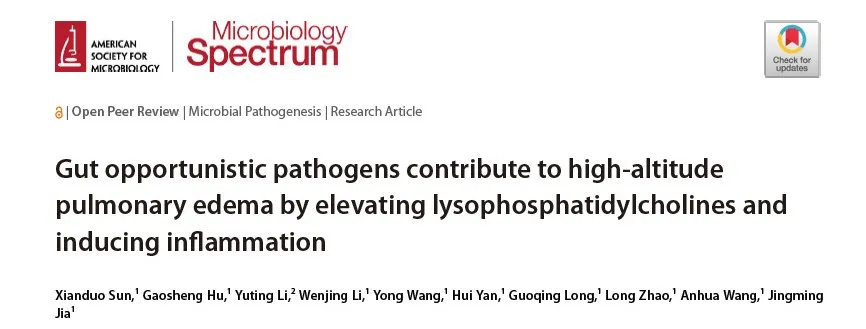
Literature Interpretation | Hypobaric Oxygen Control System Aids Research on the Pathogenic Mechanism and Microecological Intervention Strategies for High-Altitude Pulmonary Edema
Research Background and Significance
High-altitude pulmonary edema (HAPE), the most severe non-cardiogenic form of altitude sickness, remains a subject of considerable scientific debate regarding its pathogenesis. HAPE typically occurs when individuals rapidly ascend to high altitude, and its pathological features exhibit typical acute pulmonary edema. While existing research has proposed explanatory models such as the hydrostatic pressure hypothesis, the theory of increased endothelial permeability, and the inflammatory cytokine-mediated hypothesis, these theories remain significantly underdeveloped in terms of systematic integration and molecular validation.
Core findings
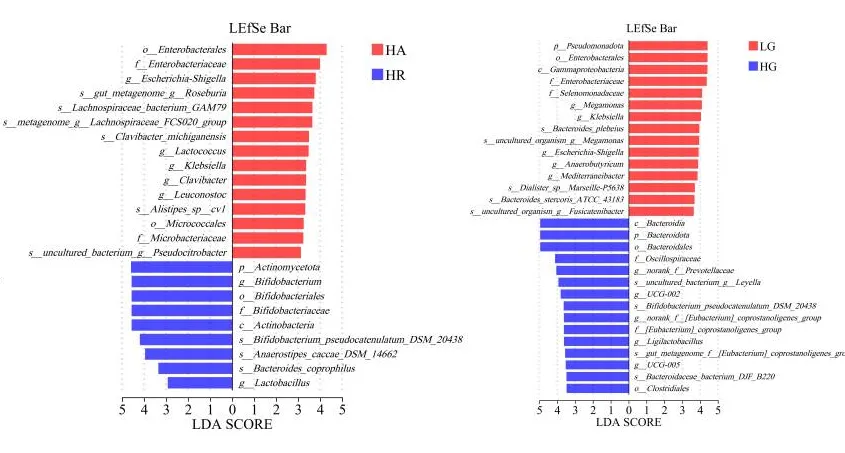
01. Plateau hypoxia changes the human intestinal floraA research team collected stool samples from 12 volunteers during their acute plateau syndrome (AMS) and recovery phases as they traveled from the plains to the plateau (4,300 meters). 16S rRNA sequencing revealed a significant increase in the number of opportunistic pathogens, such as Klebsiella pneumoniae and Escherichia coli, during AMS episodes, but a gradual decrease during recovery. Meanwhile, probiotics such as Bifidobacterium longum and Lactobacillus plantarum showed the opposite trend. This finding suggests that dysbiosis may be associated with high-altitude adaptation.
02. Escherichia coli and Klebsiella pneumoniae induce inflammation and HAPE under high altitude hypoxia
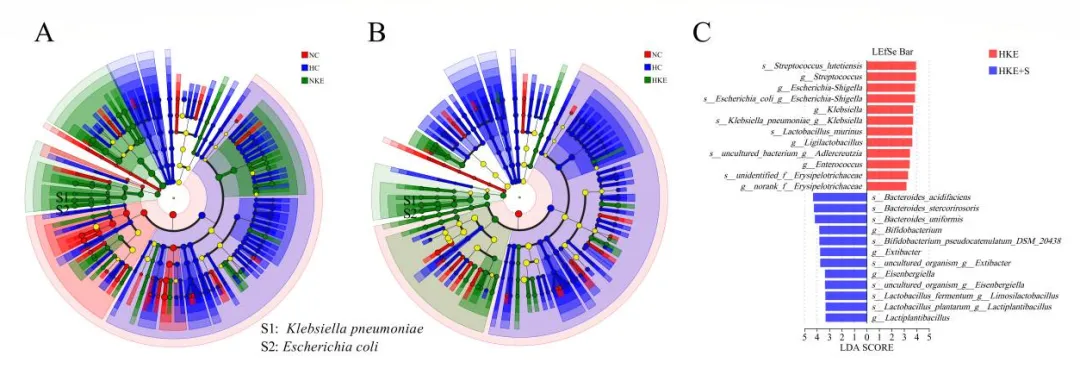
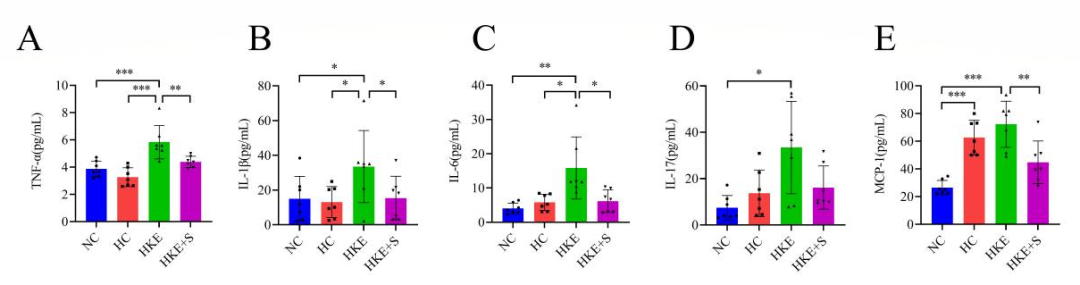
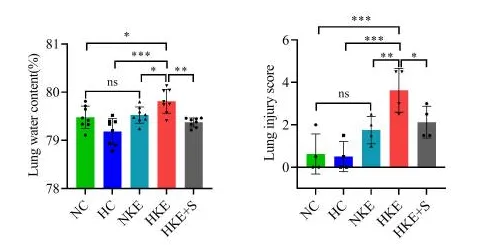
To verify the role of these opportunistic pathogens, researchers orally administered Klebsiella pneumoniae (K. pneumoniae) and Escherichia coli (E. coli) to SD rats. Using a Yuyan instrument's low-pressure oxygen concentration control system, the rats were exposed to a hypobaric oxygen chamber equivalent to 6500 m. The results showed that these rats developed typical signs of pulmonary edema, including an increased lung wet-to-weight ratio, increased inflammatory cell infiltration in bronchoalveolar lavage fluid, and a significant increase in serum inflammatory factors (TNF-α, IL-6, and IL-1β). In contrast, a control group exposed only to hypoxia did not develop similar damage, demonstrating a clear synergistic effect between enteric pathogens and lung injury.
03. LPC can damage HPMEC and HPAEpiC
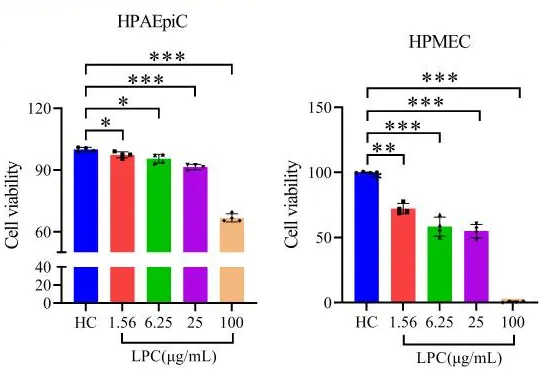
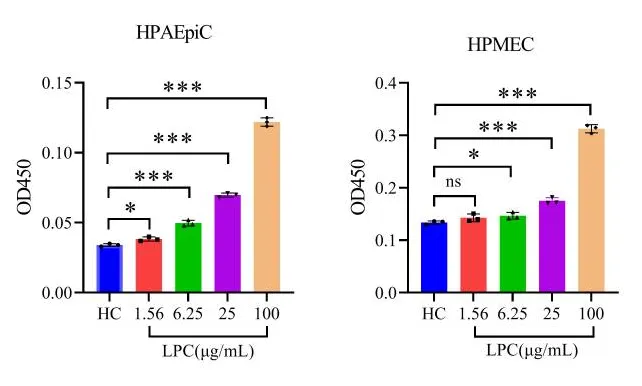
Further metabolomics analysis revealed significant elevations in multiple lysophosphatidylcholine (LPC) metabolites in the plasma of rats in the oral gavage group. These LPC levels were positively correlated with indicators of lung inflammation and the degree of tissue damage, suggesting a possible mediating role in the pathogenesis. Subsequently, the research team treated alveolar epithelial cells (HPAEpiC) and pulmonary microvascular endothelial cells (HPMEC) with LPC in vitro. The results showed that LPC significantly reduced the expression of intercellular junction proteins (such as occludin and VE-cadherin) and increased cell permeability, mimicking alveolar-vascular barrier disruption, confirming LPC's ability to directly induce lung injury.
04. Prebiotics can alleviate HAPE
Researchers designed an intervention study, treating rats with a symbiotic formulation consisting of probiotics (Bifidobacterium longum and Lactobacillus) and prebiotics (fructooligosaccharides and isomalto-oligosaccharides) administered orally. The results showed that this regimen significantly inhibited the expansion of harmful bacteria, reduced inflammation, alleviated lung tissue damage, and alleviated HAPE symptoms, validating the "microbiome regulation, metabolism control, and inflammation suppression" prevention and treatment pathway.
Mechanism summary: intestinal flora-LPC-inflammation-HAPE
Through multi-level experimental verification, this study constructed a new pathological pathway: "intestinal pathogens → increased LPC → lung inflammation and damage → high-altitude pulmonary edema", and provided multi-angle experimental evidence such as microbiology, metabolomics and cell function verification, expanding the understanding of the pathogenesis of HAPE, revealing the metabolic pathway of remote regulation of lung injury by intestinal flora, and providing new directions for future intervention.Research significance
This study not only reveals the remote regulatory mechanisms of the gut microbiome on lung function in high-altitude environments, but also suggests that regulating gut microbiota and LPC metabolism may become a new strategy for preventing and treating high-altitude pulmonary edema. This study has practical implications for high-altitude workers and tourists, as well as for the military and aerospace industries.In the study, the researchers used the Yuyan instrument's low-pressure oxygen concentration control system to verify the role of conditional pathogens and concluded that there is a clear synergistic effect between intestinal pathogens and lung damage.
Hypobaric oxygen: a powerful tool for modeling plateau illnesses
The Yuyan Instruments low-pressure oxygen concentration control system utilizes the low-pressure, hypoxic environment of high altitudes to simulate the hypoxic environment at high altitudes by creating a low-pressure environment. The system can simulate the different pressure changes at different altitudes, and can more accurately simulate the effects of different altitudes on experimental animals.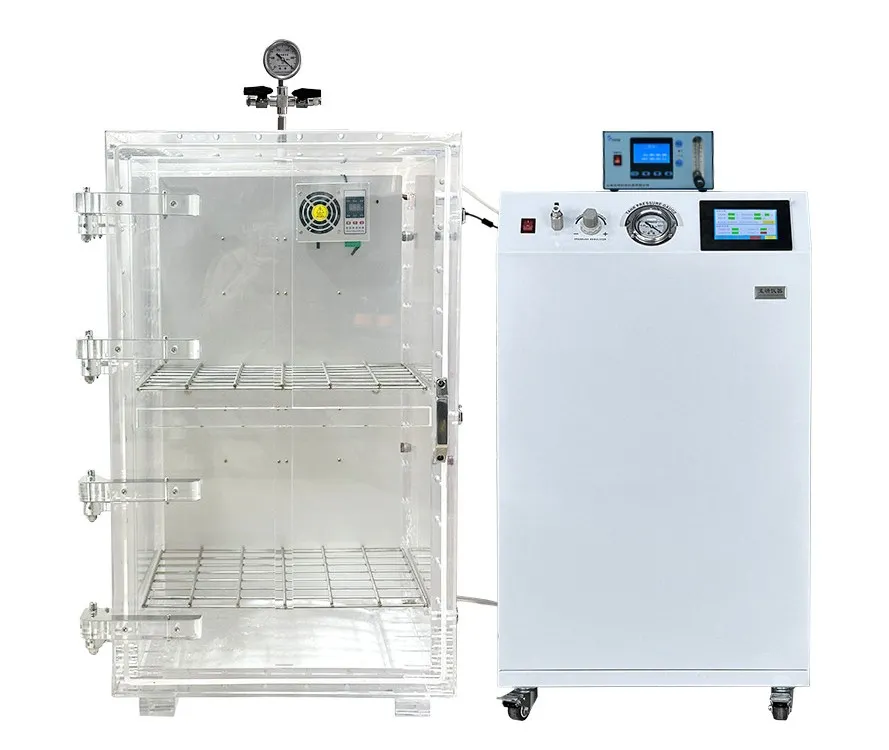
01. Intelligent pressure control system to maintain stable air pressure inside the box
Equipped with a high-precision pressure sensor and closed-loop feedback mechanism, it monitors and dynamically adjusts the cabin air pressure in real time, achieving precise control and long-term stable maintenance of the laboratory environment air pressure;
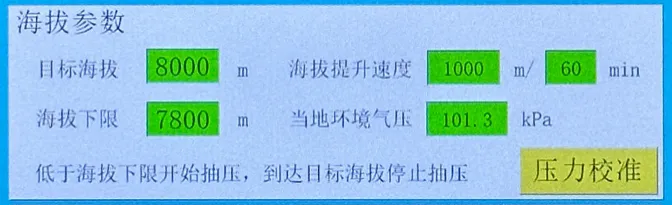
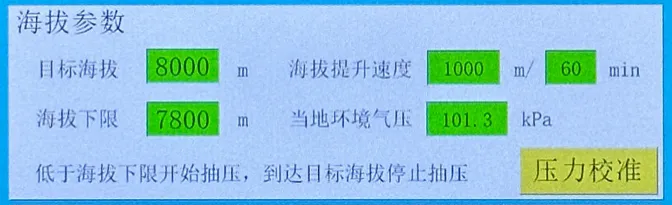
After setting the current ambient air pressure, you can directly set the target altitude and the lower altitude limit. The host can automatically control the air pressure value corresponding to the target altitude. The altitude control is flexible and can simulate the low-pressure oxygen environment of the local altitude -8000 meters above sea level.
03. Dynamic gas management to maintain pressure balance
The system has a circulating ventilation function, providing fresh air to the hypobaric oxygen chamber, preventing carbon dioxide accumulation caused by long-term experiments, ensuring animal survival, and maintaining a dynamic balance of pressure in the chamber. The ventilation frequency adjustment range is: 0-9999s, the ventilation time adjustment range is: 0-9999s, and the ventilation speed adjustment range is: 0-40L/min. 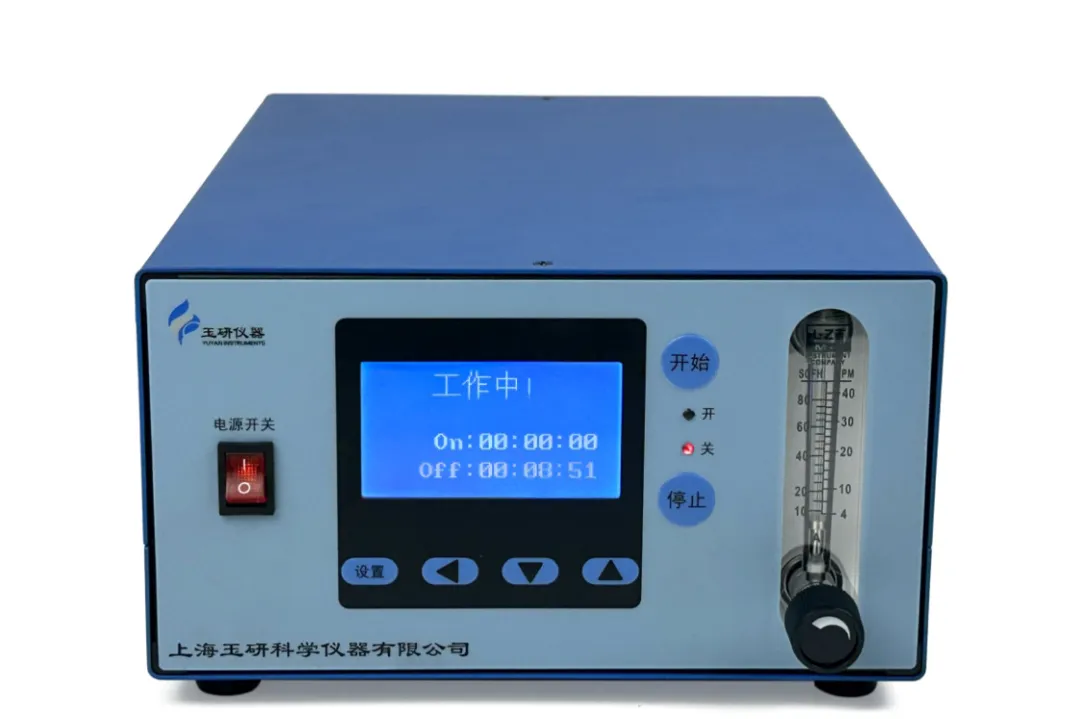
04. Fingertip interactive touch screen, easy to operate
It has a touch screen display, which can complete the settings of local ambient air pressure, target altitude, lower altitude limit and altitude gradient control parameters on the screen; 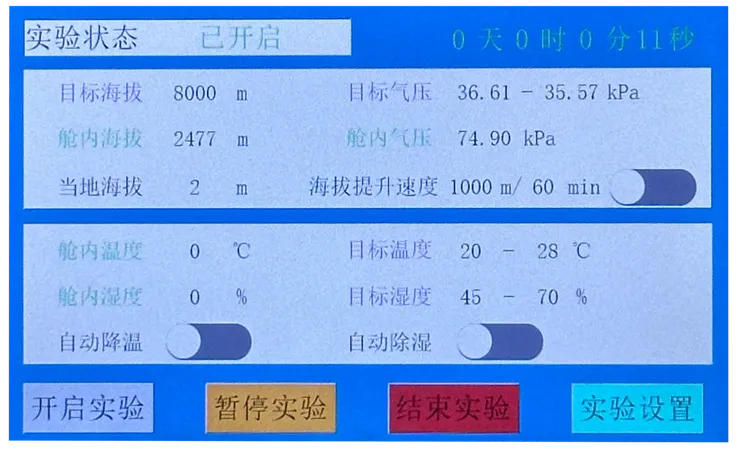
05. Temperature and humidity controller can be added
The high-end version (LP-1800) is equipped with temperature and humidity controllers. The temperature controller can reduce the chamber temperature to 5°C below room temperature (the temperature control range is customizable) to simulate a low-temperature environment and meet the needs of different experimental environments. The humidity controller can be customized within a certain range to strictly control the humidity of the oxygen chamber environment, ensuring stable chamber humidity and controlling the impact of humidity on oxygen partial pressure. 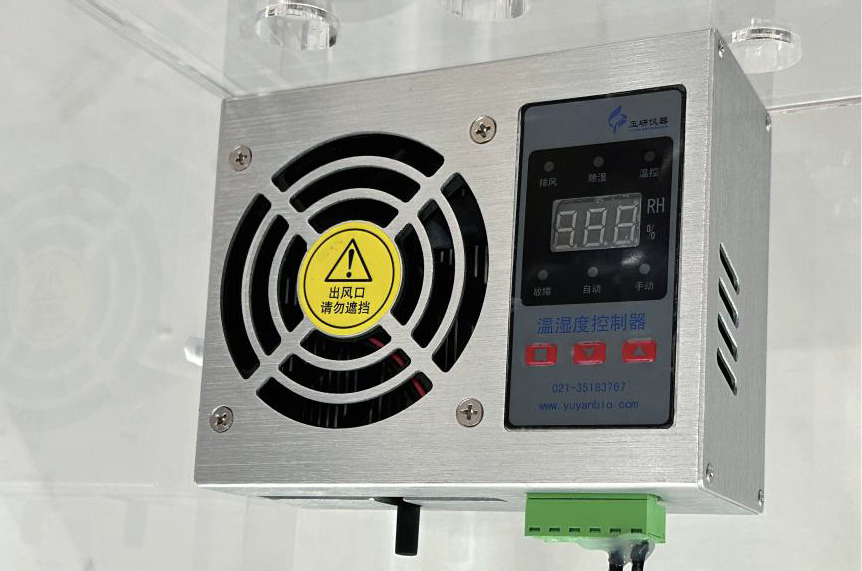
06. Equipped with overvoltage protection to ensure experimental safety
Equipped with an overpressure protection knob to adjust the maximum suction pressure of the host to avoid low pressure caused by continuous suction due to instrument failure, thus ensuring animal survival; 
07. Equipped with pressure gradient rise control module
By controlling the gradient rise of the simulated oxygen chamber altitude, the animals are given sufficient time to adapt to low pressure and low oxygen. The time setting range is: 0-999 minutes to ensure the survival of the animals.
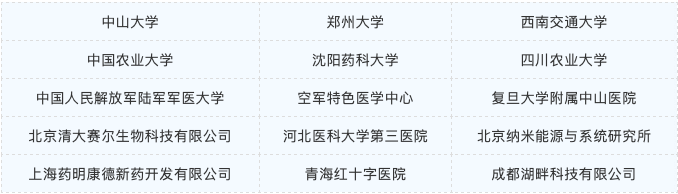
Partial user list