




Literature Interpretation | Unveiling the Secrets of Qingfei Paidu Granules: Pulmonary Atomization Technology Empowers New Breakthroughs in Traditional Chinese Medicine Preparations
Research background and purpose
QFPDG is a granule based on four classic Chinese medicine formulas (Ma Xing Shi Gan Tang, She Gan Ma Huang Tang, Xiao Chai Hu Tang, and Wu Ling San), which have a long history of treating respiratory diseases.Although QFPDG has shown significant efficacy in the treatment of pneumonia and lung injury in clinical practice, its active ingredients and mechanism of action need to be further elucidated.This study aims to use a variety of advanced technologies to reveal the material basis and mechanism of action of QFPDG in the treatment of acute pneumonia, and to provide new scientific basis for the modernization of traditional Chinese medicine preparations.This product ensures that drugs reach the lungs directly and evenly through precise intratracheal atomization, significantly improving drug utilization and experimental accuracy. Compared to traditional drug delivery methods, the pulmonary atomizer offers advantages such as precise dosing, ease of operation, and reduced drug waste, providing a strong guarantee for experimental success.
Research methods and technical highlights
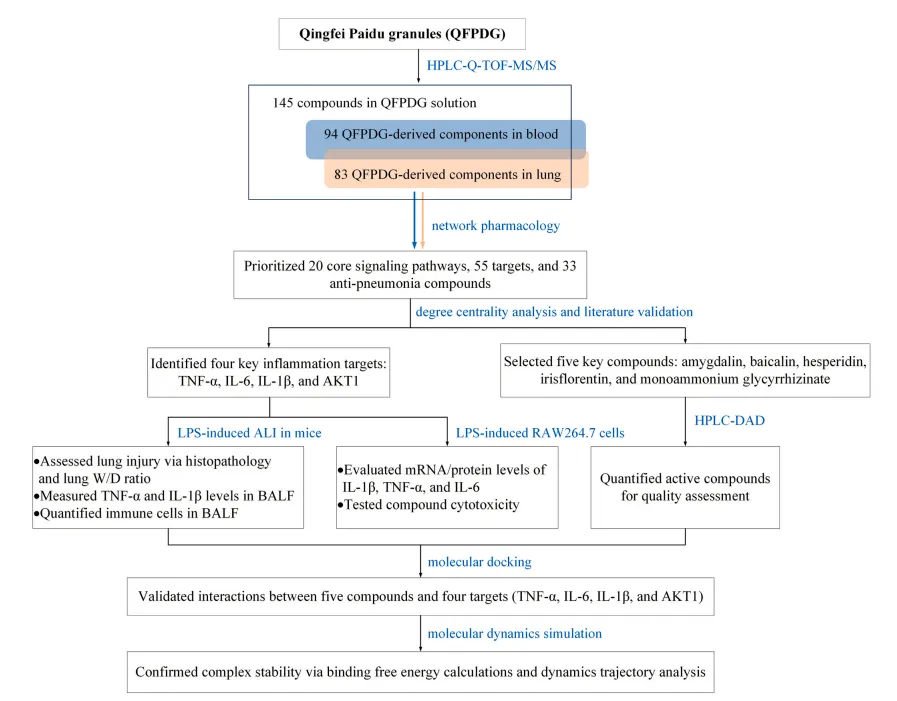
The study employed a variety of methods, including HPLC-Q-TOF-MS/MS (high-performance liquid chromatography-quadrupole time-of-flight mass spectrometry), network pharmacology, molecular docking, and experimental validation, to comprehensively analyze the chemical composition, pharmacological targets, and mechanism of action of QFPDG. The Yuyan Instruments pulmonary atomizer played a crucial role in the drug delivery process during the experiment.This product ensures that drugs reach the lungs directly and evenly through precise intratracheal atomization, significantly improving drug utilization and experimental accuracy. Compared to traditional drug delivery methods, the pulmonary atomizer offers advantages such as precise dosing, ease of operation, and reduced drug waste, providing a strong guarantee for experimental success.
Recently, a research team from the School of Traditional Chinese Medicine of Capital Medical University published an article titled "Investigation of the material basis and mechanism of Qingfei Paidu granules in treating LPS-induced acute pneumonia using UPLC-Q-TOF-MS/MS, network pharmacology, molecular docking and experimental verification" in the renowned journal Journal of Pharmaceutical and Biomedical Analysis. The article describes the research on the mechanistic principles of Qingfei Paidu Granules (QFPDG), a traditional Chinese medicine for treating lung diseases, including drug purification, component analysis, and in vitro and in vivo experiments. Let's explore the advancements in this traditional formula.
The researchers first purified the formula. The preparation involved pre-decocting gypsum powder in water for 30 minutes, then adding the remaining herbs and boiling for a further 30 minutes. After filtration, the residue was decocted in water a second time for 30 minutes. The combined filtrate was concentrated using a rotary evaporator and then dissolved under vacuum to obtain a pure drug extract for subsequent dosing studies.
02Drug ingredient analysis
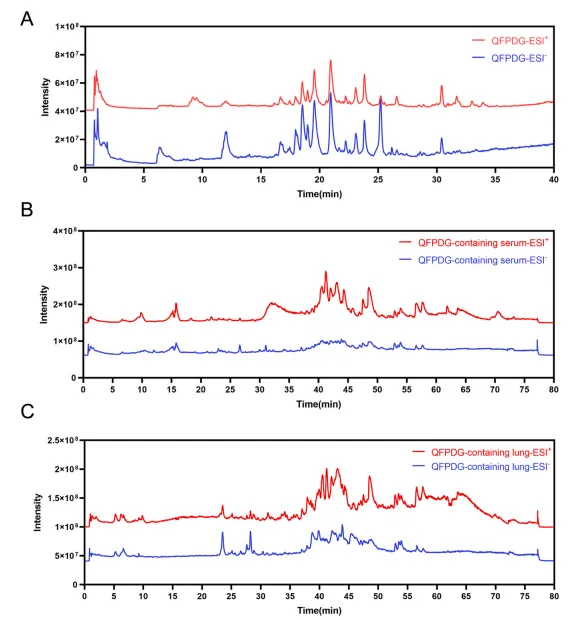
The research team conducted an in-depth analysis of the drug's ingredients.They randomly divided 12 mice into two groups: one group received the traditional Chinese medicine preparation QFPDG, and the other group received distilled water as a control.Samples were collected from two mice at 30 minutes, 1 hour, 2 hours, 4 hours, and 6 hours after the final oral administration. Samples were collected through a series of complex sampling.
By HPLC-Q-TOF-MS/MS analysis, 145 compounds were identified in QFPDG solution, 94 compounds were identified in serum, and 83 compounds were identified in lung tissue. After network pharmacology analysis, 97 components were identified in serum and lung that were associated with 350 pneumonia-related targets and key pathways.
03Cell and Animal Experiments
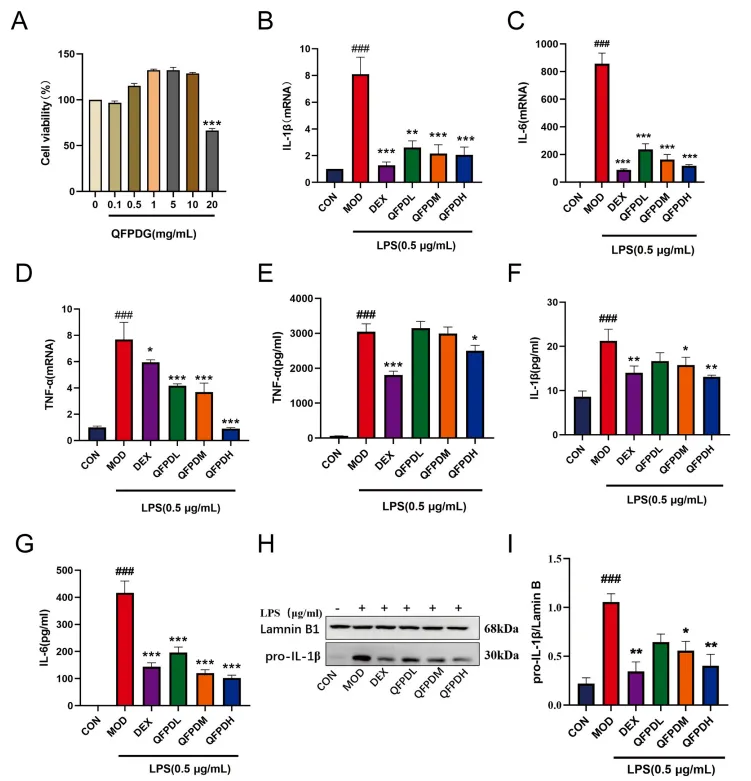
At the cellular level, the researchers found that QFPDG could effectively reduce the inflammation level of RAW264.7 cells, showing good anti-inflammatory effects.
2. Animal Experiments
In animal experiments, the research team used 60 mice and performed precise tracheal instillation using the YAN-30012 pulmonary atomizer from Yuyan Instruments. The control group of mice received normal saline, while the experimental group received LPS stimulation and then different doses of QFPDG or dexamethasone. The YAN-30012 pulmonary atomizer played a crucial role in this process, ensuring that the drug reached the mice's lungs evenly and accurately.
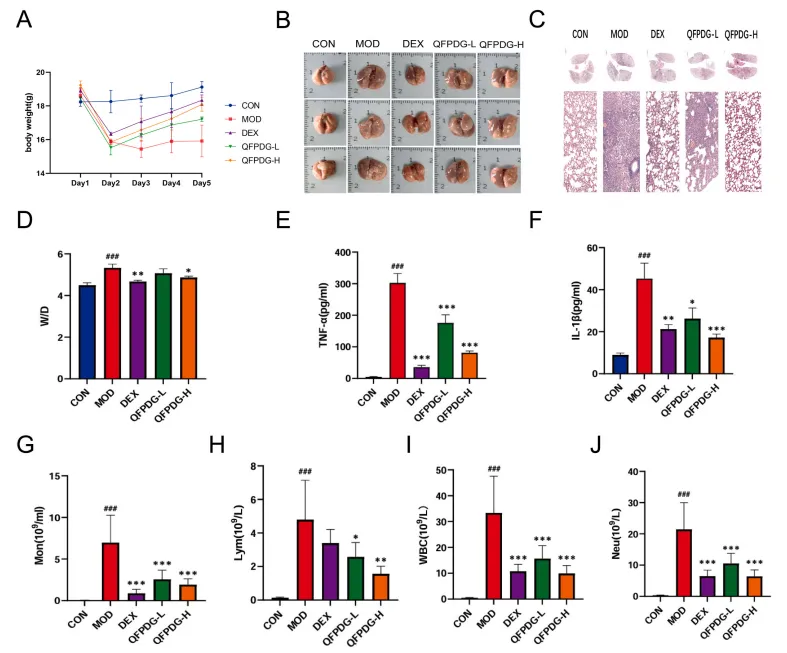
The effects of QFPDG on LPS-induced acute pneumonia in mice were evaluated. (A) Body weight change trends of mice in each group; (B) Lung tissue morphology; (C) H&E staining; (D) Lung wet-to-dry ratio (W/D); (E) TNF-α and (F) IL-1β levels in BALF; (G) monocyte, (H) lymphocyte, (I) leukocyte, and (J) neutrophil numbers in BALF.
QFPDG attenuated acute lung injury and inflammation in mice with LPS-induced acute pneumonia, reduced monocyte, neutrophil, lymphocyte, and leukocyte counts in bronchoalveolar lavage fluid (BALF), and decreased TNF-α and IL-1β levels.
04Results Analysis and Summary Outlook
This study comprehensively verified the therapeutic effect of QFPDG on pneumonia from three dimensions: molecules, cells, and experimental animals.The use of Yuyan Instrument's pulmonary atomizer provides a strong guarantee for the success of the experiment.This study provides a new perspective for QFPDG research. From molecules to cells to experimental animals, three dimensions of measurement have been used to verify its therapeutic effect on pneumonia. It aims to deepen the understanding of how the clinical preparation QFPDG can treat acute pneumonia.Although many chemical components of QFPDG are identified, the individual contribution of each component to the overall therapeutic effect remains unclear. Future studies will likely focus on isolating and characterizing individual compounds and comprehensively evaluating their pharmacological activities, including their synergistic effects when used in combination.
Pulmonary liquid atomizer: a powerful tool for respiratory disease research
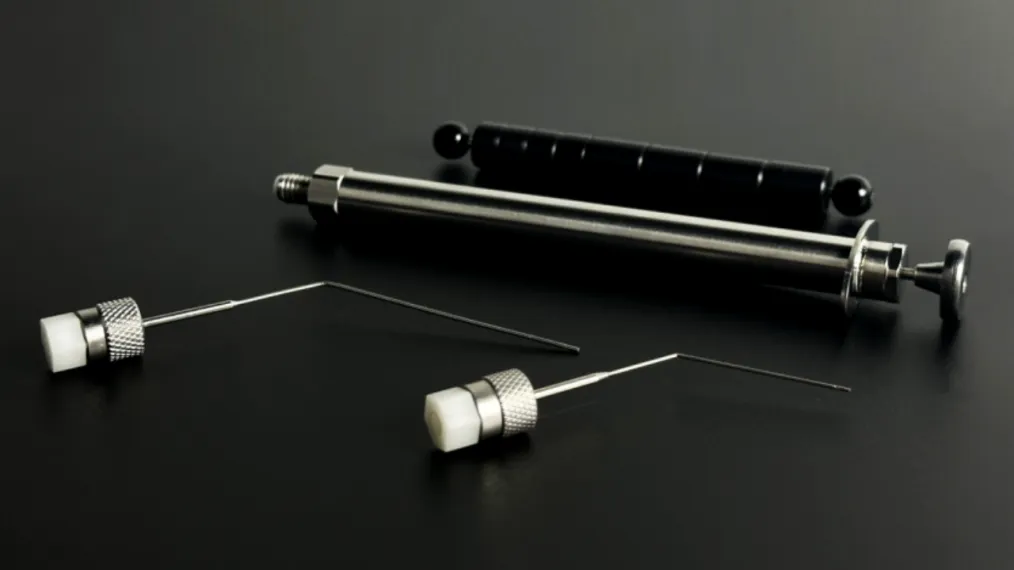
Yuyan Instruments' pulmonary liquid atomizer is specially designed for small animals such as mice, rats, and guinea pigs. It can accurately and quantitatively perform intratracheal atomization drug delivery.
A trace amount of liquid can be quantitatively atomized through an aerosol atomization micro nozzle integrated in a stainless steel capillary cannula. The capillary cannula can penetrate deep into the animal's trachea to achieve quantitative atomization into aerosol drug delivery in the trachea.
Compared with traditional oral or injection administration, drugs can act directly on the lungs and are suitable for research on lung physiology, pathology, and pharmacology.
01Advanced liquid atomization technology
90% of the drug atomization diameter is less than 30μm and can be evenly distributed in the lung tissues of mice and rats.
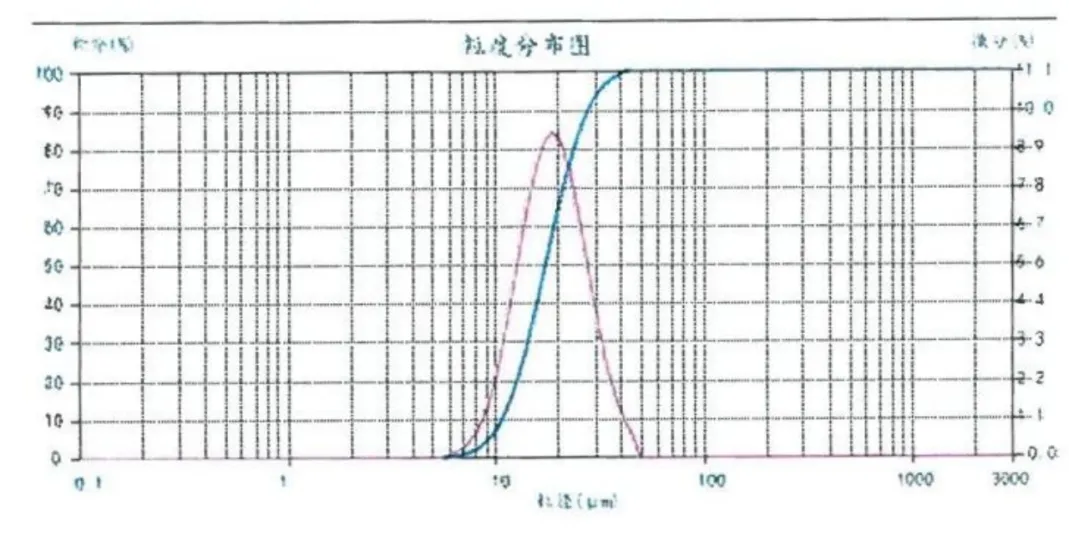
※ Entrusted to Beijing Zhongke Optical Analysis Chemical Technology Research Institute (CNAS accredited institution) for testing and analysis

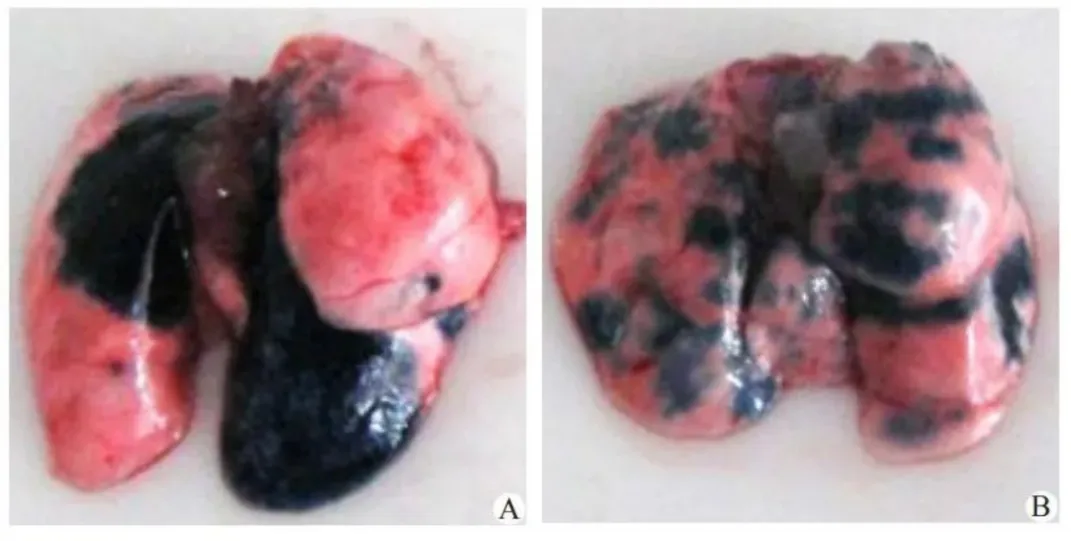
Direct drug administration into the trachea without first-pass elimination allows the drug to directly and evenly cover the target cells.
03Easy to operate
The gas-split structure allows for quick pulmonary administration by injecting the drug according to instructions and pressing the piston without the need for subsequent operations.
With EU CE certification, our products have been exported to many well-known universities and research institutions around the world.
More product recommendations
01Needle blocker for pulmonary drug delivery device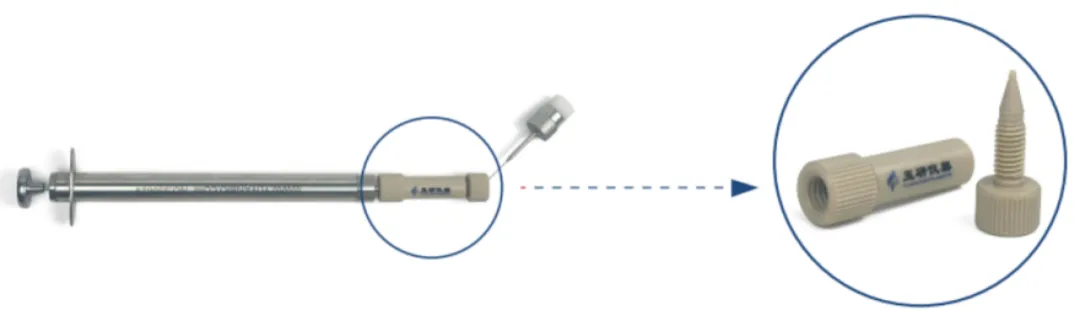
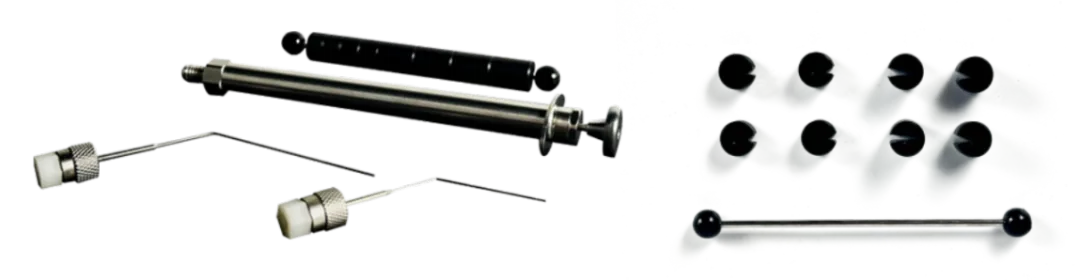
Needle clearers can be used to clear obstructions in the needle tubing of pulmonary drug delivery devices and can also be used as a routine maintenance measure to prevent future obstructions.
02Tracheal intubation platform
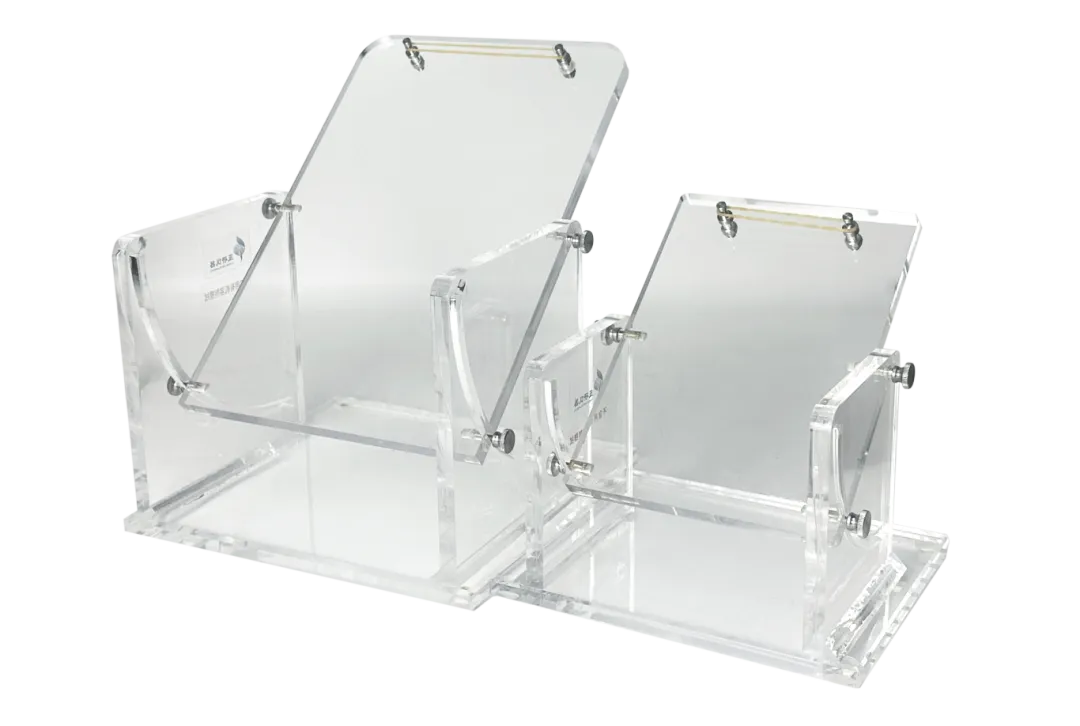
The endotracheal intubation platform can be fixed at different hole positions as needed and adjusted to various operating angles to meet the needs of different experimental types and experimental animal species. The double-sided operation mode makes pulmonary drug administration operations smoother and more successful.
03Small Animal Laryngoscope
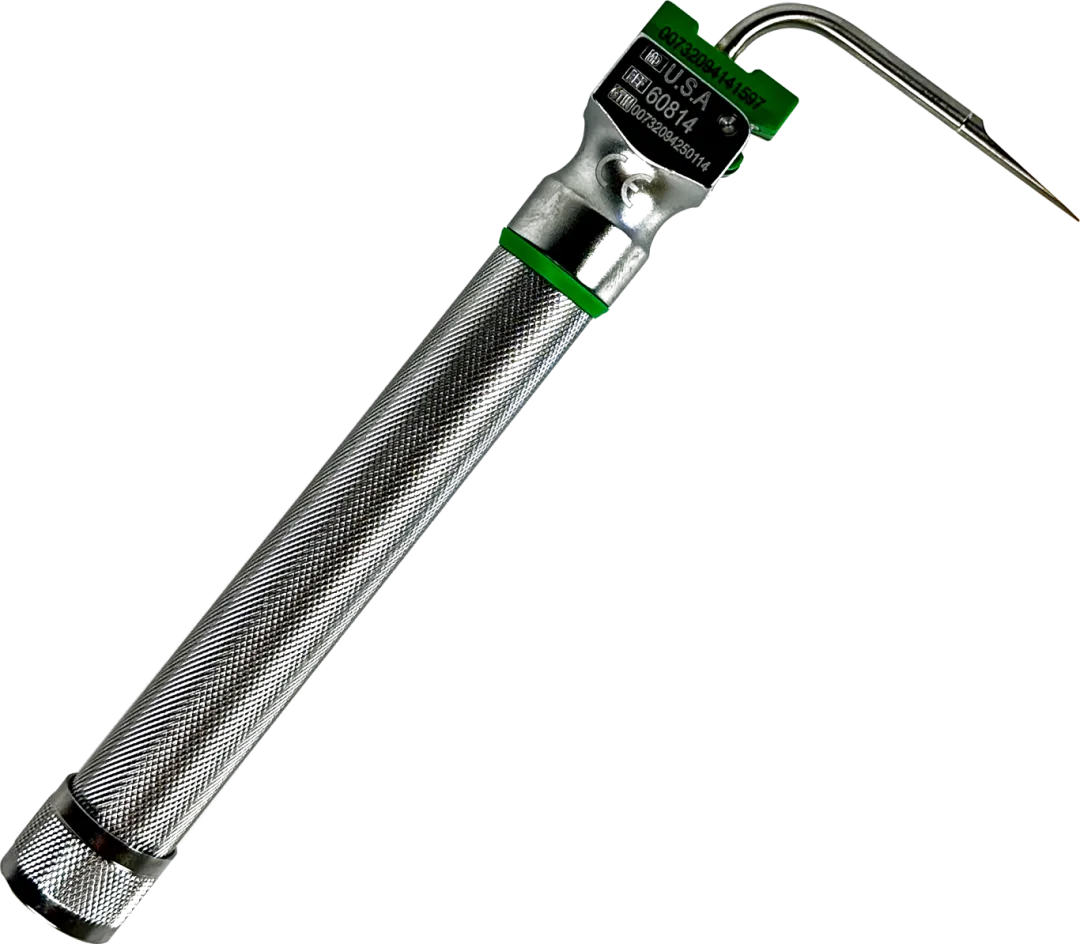
Small animal laryngoscopes can be used to assist in observing the laryngeal structures of experimental animals for procedures such as pulmonary drug administration and orotracheal intubation. Fiber optic LED lighting system provides a brighter and clearer field of view.
Partial user list
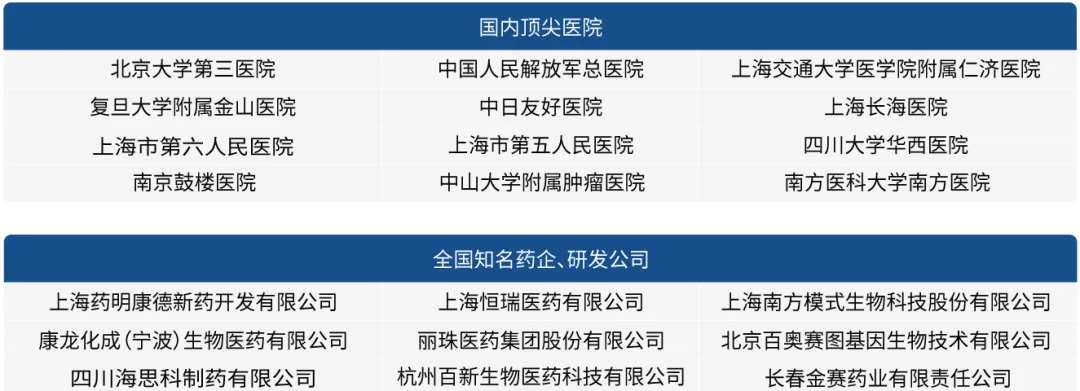
Some published literature
[1]. Bortolini, M., et al., Preliminary characterization of a novel form of progressive retinal atrophy in the German Spitz dog associated with a frameshift mutation in GUCY2D. Veterinary Ophthalmology, 2023.
[2]. Megaw, R., et al., Ciliary tip actin dynamics regulate the cadence of photoreceptor disc formation. bioRxiv, 2022: p. 2022.11. 10.516020.
[3]. Sacaki, CS, et al., Potential of Human Neural Precursor Cells in Diabetic Retinopathy Therapeutics–Preclinical Model. Current eye research, 2022. 47(3): p. 450-460.
[4]. Kick, GR, Disease Characterization and Pre-clinical Testing in Canine Models of the Neuronal Ceroid Lipofuscinoses. 2021, University of Missouri-Columbia.
[5]. Kick, GR, et al., Visual system pathology in a canine model of CLN5 neuronal ceroid lipofuscinosis. Experimental Eye Research, 2021. 210: p. 108686.
[6]. Manna, S., et al., Non-invasive evaluation of toxicity in vitreoretinal domain following insertion of sustained release methotrexate micro-implant. Experimental eye research, 2021. 205: p. 108505.
[7]. Ho, J., et al., Protective effects of PARP1-inhibitory compound in dry age-related macular degeneration. Biomedicine & Pharmacotherapy, 2021. 133: p. 111041.
[8]. Freitas, HM, et al., Retrospective and prospective study of progressive retinal atrophy in dogs presented to the veterinary hospital of the Federal University of Parana, Brazil. Open Veterinary Journal, 2021. 11(3): p. 370-378.
[9]. Glickman, RD and I. Nasonkin, Comparison of retinal characteristics in two rabbit strains. Investigative Ophthalmology & Visual Science, 2021. 62(8): p. 354-354.
[10]. Bacellar-Galdino, M., et al., Ophthalmic findings in sheep treated with closantel in Curitiba, Brazil. Veterinary World, 2020. 13(5): p. 860.
- Prev: Literature Interpretation | Hypobaric Oxygen Control System Aids Research on the Pathogenic Mechanism and Microecological Intervention Strategies for High-Altitude Pulmonary Edema
- Next: Literature Interpretation | Non-invasive Sphygmomanometers Assist Blood Pressure-Lowering Research on Multifunctional Globulin Peptides from Sweet Almonds