



Literature Express | IF=13.19 Yuyan Pulmonary Atomization Drug Delivery Device Combined with Cascade Nanozymes to Effectively Intervene Acute Lung Injury
At the forefront of medical research, the treatment of acute lung injury (ALI) has always been a difficult problem.
Severe inflammatory response is the core pathological link in the occurrence and development of ALI. Its close relationship with oxidative stress makes the generation of excessive reactive oxygen species (ROS) a key target for treatment.
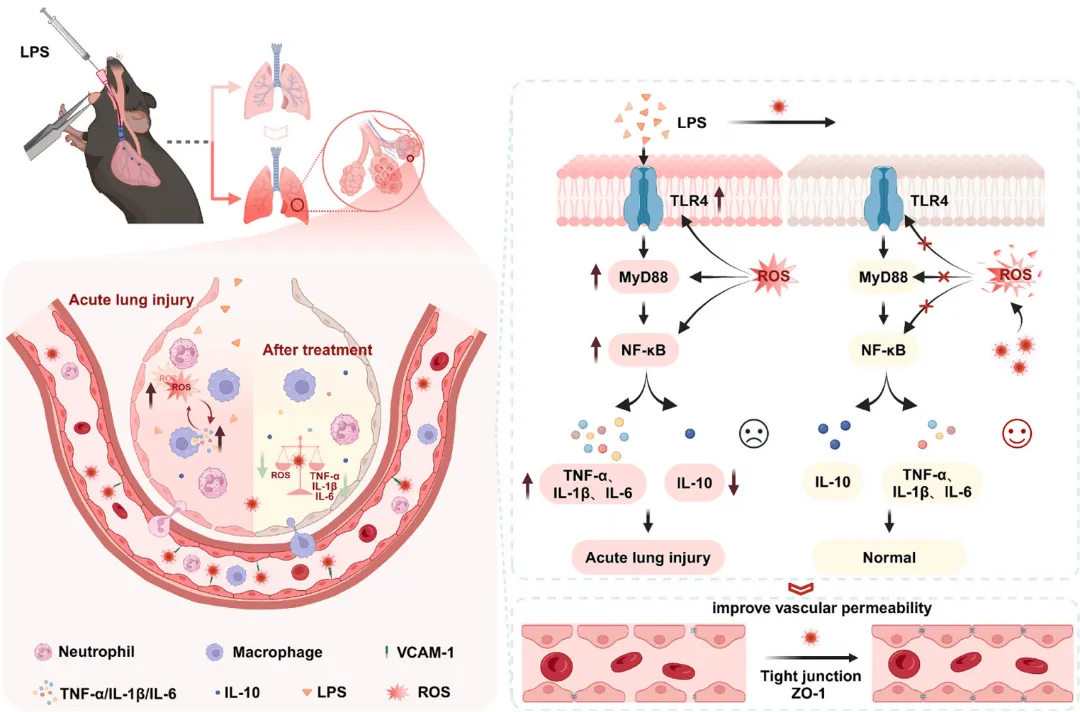
Traditional treatments, such as supportive care, mechanical ventilation, and glucocorticoids, while effective to some extent, have significant limitations. In recent years, small molecule antioxidants and nanomaterials have shown promise as potential treatment options for ALI due to their ability to scavenge excess ROS.
The limitations of natural antioxidants and the rise of artificial nanozymes
Natural antioxidants, such as catalase (CAT), glutathione peroxidase (GPx), and superoxide dismutase (SOD), play a central role in neutralizing ROS.
However, these natural enzymes have problems such as structural instability, high production cost, large molecular weight and potential immunogenicity, which limit their widespread clinical application.
Cascade nanozymes VTMn-CDs: a new hope for precision treatment of ALI
Recently, Professor Jiang Jingying's team from the School of Medical Science and Engineering at Beihang University published a groundbreaking study in the internationally renowned journal Chemical Engineering Journal (IF=13.19) .
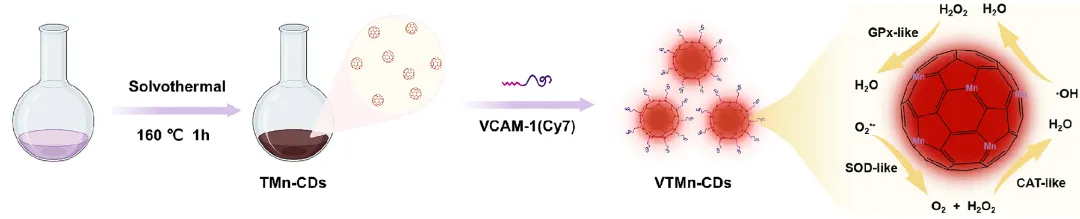
This study constructed a manganese-doped carbon dots (CDs) cascade nanozyme, VTMn-CDs, which targets the transmembrane protein VCAM-1 and exhibits multiple antioxidant enzyme activities, providing a new strategy for the precise treatment of ALI.
01. Unique advantages of carbon dots (CDs)
02. Innovative Design of VTMn-CDs
In vitro and in vivo experiments validate the excellent therapeutic effect of VTMn-CDs
01. In vitro experiments
The researchers selected H2O2 as an oxidant and used RAW 264.7 cells and HUVECs cells as cell models to detect the antioxidant activity of VTMn-CDs through CCK8, confocal microscopy and immunofluorescence experiments.
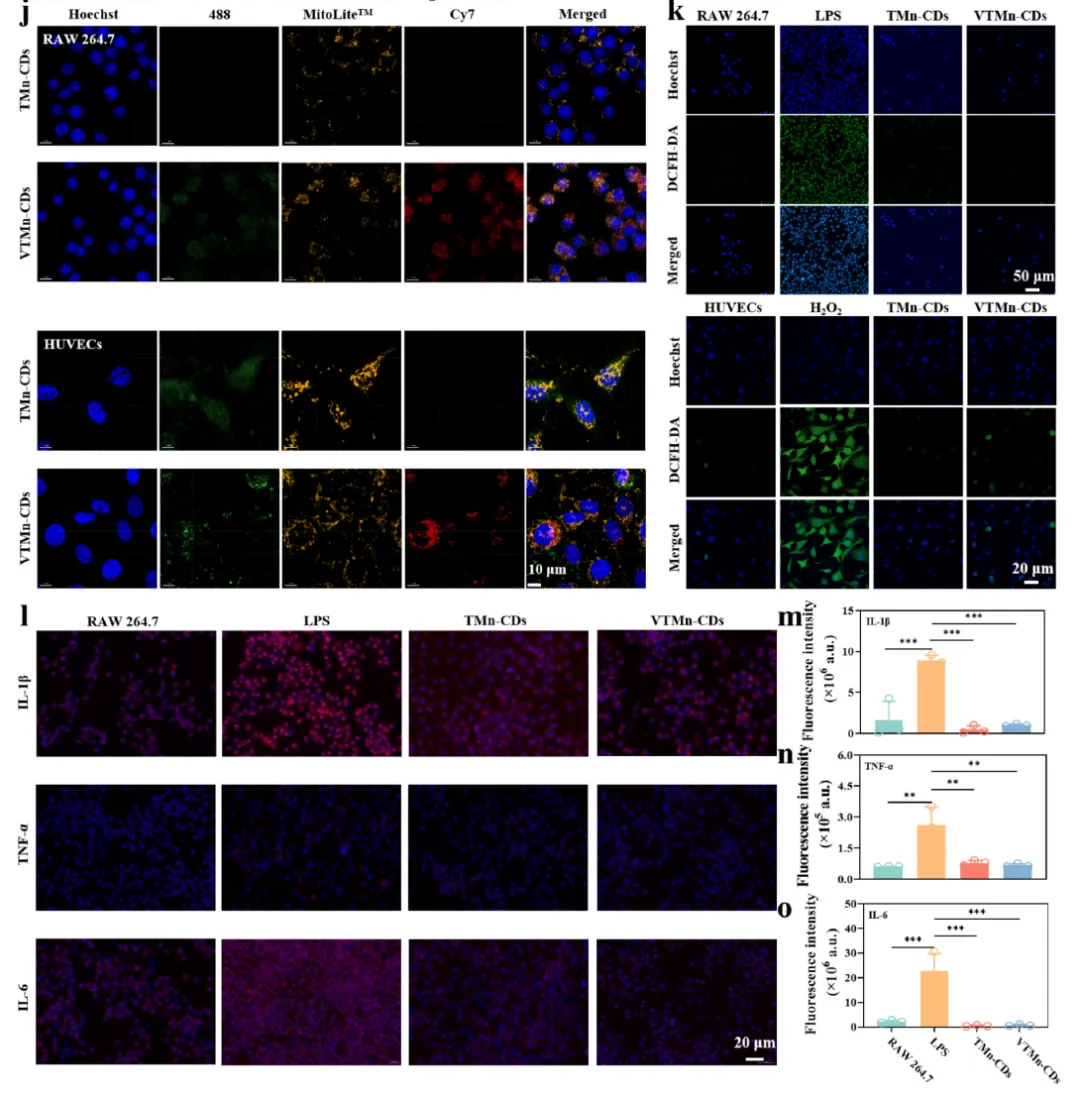
The results showed that VTMn-CDs exhibited good biocompatibility and focused on mitochondria to exert efficient antioxidant and anti-inflammatory effects.
02. In vivo experiments
VTMn-CDs served as the experimental group, and DXMS served as the positive control group. The experimental results showed that the Yuyan pulmonary drug delivery device could evenly disperse the drug in the lung tissue, greatly increasing the reliability of the experimental results.
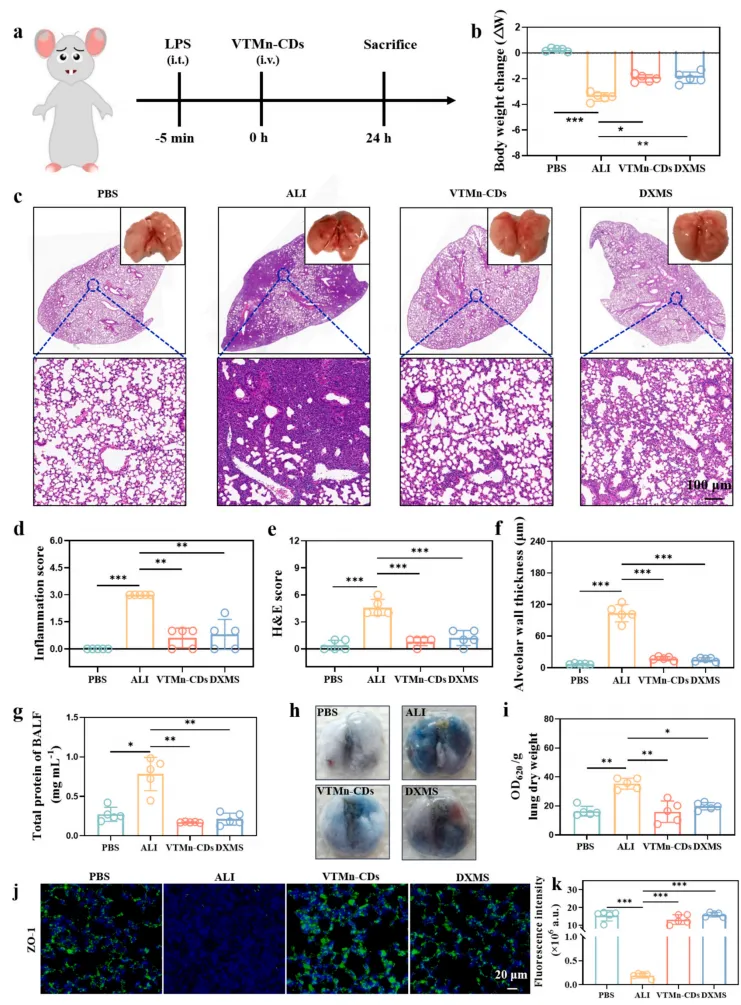
VTMn-CDs exhibited highly effective antioxidant and anti-inflammatory effects, significantly alleviating the inflammatory response.
Exploration of the mechanism of action of VTMn-CDs
The study further explored the mechanism by which VTMn-CDs treat ALI mice. The results showed that VTMn-CDs exerted a potent therapeutic effect by inhibiting the TLR/MyD88/NF-κB signaling pathway, alleviating oxidative stress and downregulating the expression of inflammatory molecules.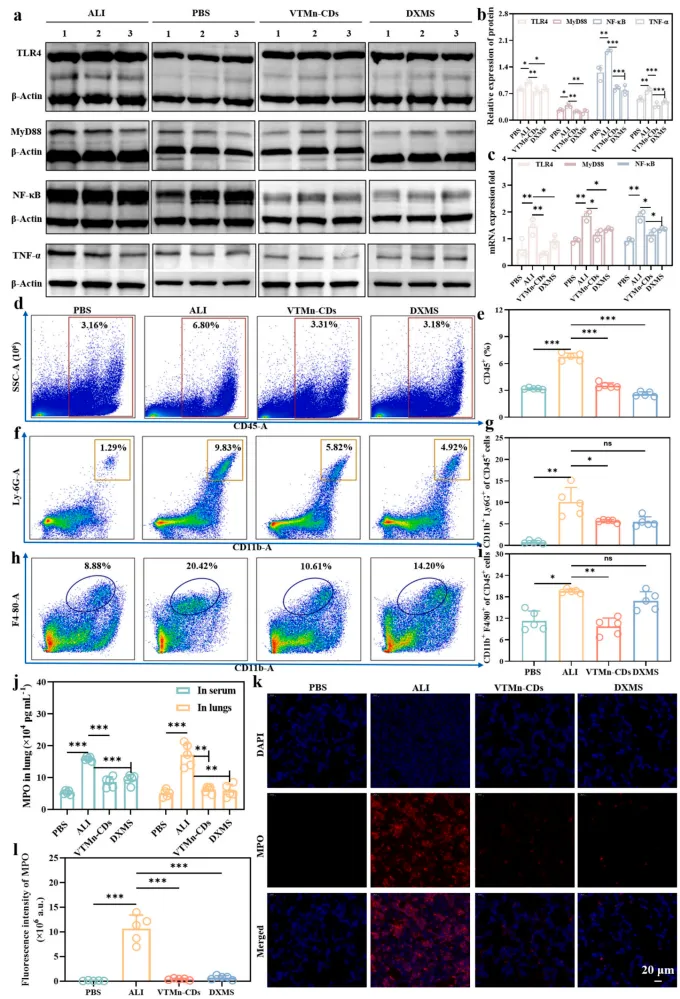
Yuyan Pulmonary Atomizer Device: A Powerful Tool for Precise Drug Delivery
Yuyan Instruments' pulmonary aerosol drug delivery device (Microsprayer Aerosolizer), also known as an intratracheal aerosol drug delivery device, is an intratracheal aerosol drug delivery device specially designed for small animals such as mice, rats, and guinea pigs.
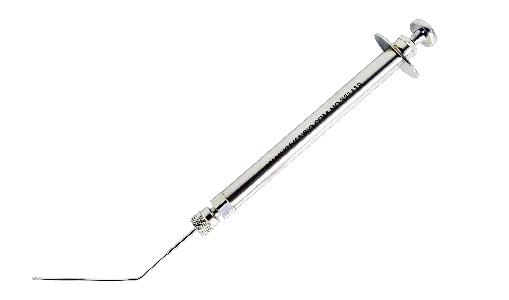
The device uses an aerosol atomizing micro-nozzle in a stainless steel capillary cannula to deliver a trace amount of liquid medicine deep into the animal's trachea, achieving quantitative atomization into aerosol drug delivery in the trachea.

01. Product Features
1. Suitable for a variety of small animals, and can also be customized for large animals.
2. Direct administration into the trachea, without first-pass elimination, results in minimal systemic drug effects.
3. The drug can be liquid or dry powder to meet different needs.
4. Micro-precision administration, the minimum drug dosage is 25μL (liquid).
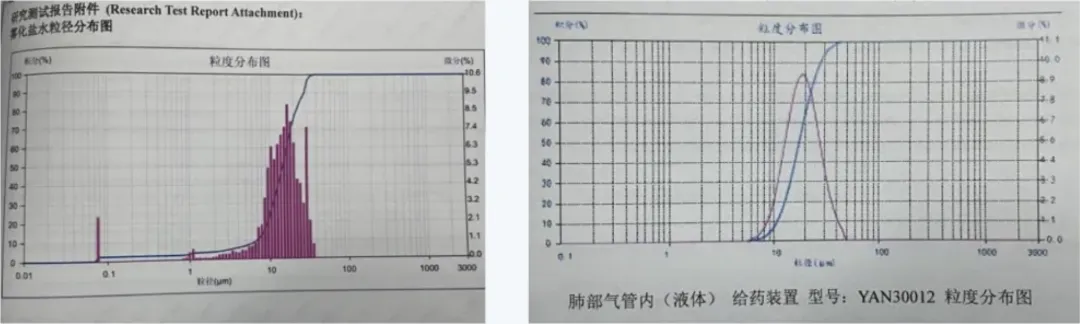
5.90% of the drug atomization diameter is less than 30μm (liquid) and is evenly distributed in the lung tissue.
6. Easy to use, safe and stable, made of stainless steel, strong, stable and corrosion-resistant.
02. Advantages and application prospects of pulmonary aerosol drug delivery
This new drug delivery method only requires a single atomization, and the dosage can be accurately controlled, providing an effective way to deliver biomacromolecules such as proteins and peptides.
Application example: A team from Fudan University used the Yuyan Instruments lung atomization drug delivery device to deliver the new SARS-CoV-2 Omicron single-domain antibody to the lungs of mice through atomization inhalation, providing new possibilities for the treatment of COVID-19.