




Pinnacle | A one-stop epilepsy monitoring and analysis system for small animals, enabling high-throughput screening models for anti-epileptic drugs to achieve new results
Date:2024-04-02
Author:Yuyan Instrument
1. Application Background
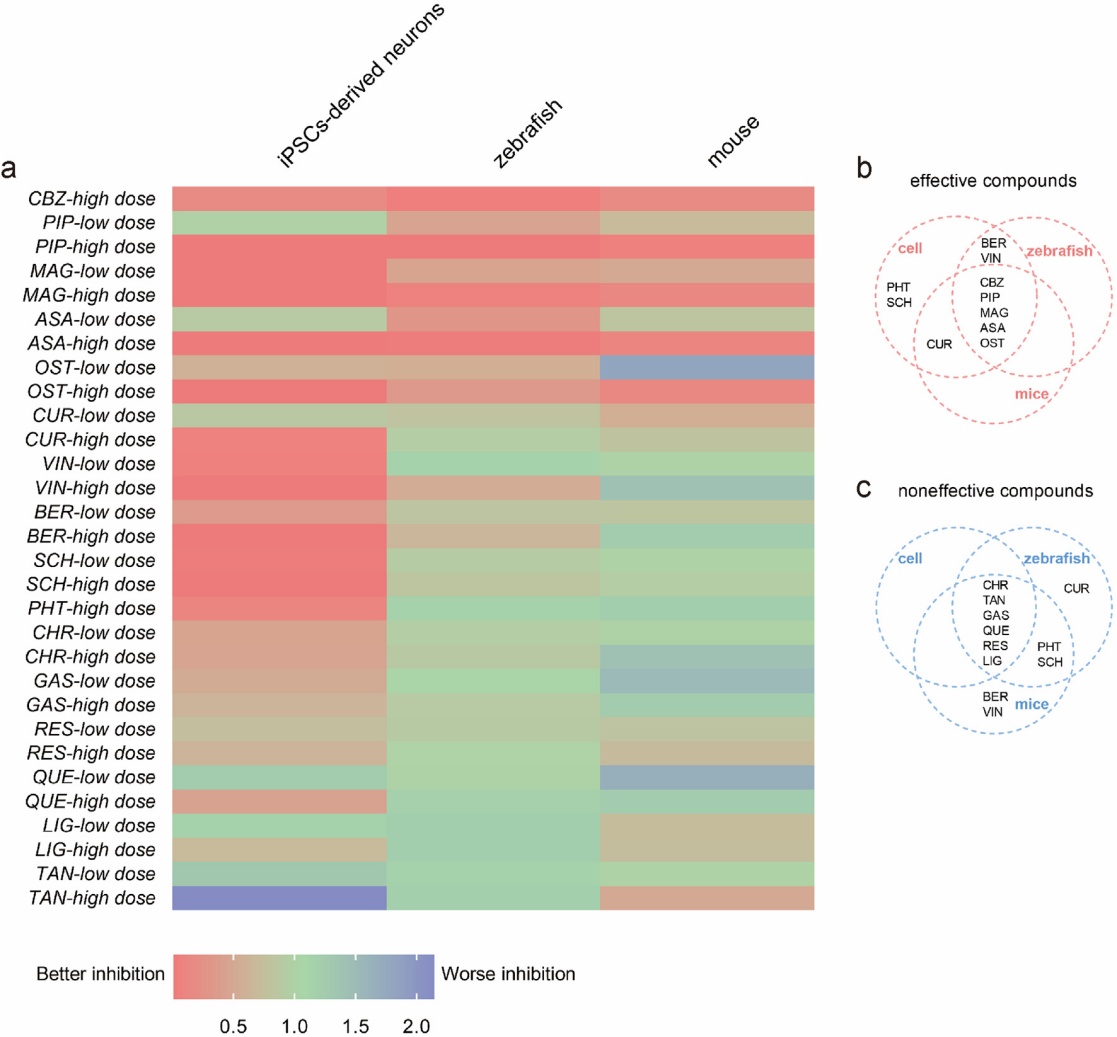
In November 2023, Zhang Chunbo's team from the School of Pharmacy of Nanchang University and Patrick Kwan's team from the Department of Neuroscience of Monash University in Melbourne published an article titled "An integrated in vitro human iPSCs-derived neuron and in vivo animal approach for preclinical screening of anti-seizure compounds" in the Journal of Advanced Research. The article detailed that the researchers developed a set of preclinical anti-epileptic drug (ASM) high-throughput screening (HTS) models, which combines in vitro human induced pluripotent stem cells (iPSCs)-induced neurons with in vivo animal models, making up for the defects of the existing anti-epileptic drug screening process that relies too much on acute rodent models and is not suitable for high-throughput experiments.
In the study, the researchers used a multi-electrode array (MEA) method to determine the ability of 14 natural compounds (α-asarone, curcumin, vinpocetine, magnolol, ligustrazine, osthole, tanshinone, piperine, gastrodin, quercetin, berberine, chrysin, schisandrin, and resveratrol) to inhibit epileptic seizures in iPSC neural culture species. At the same time, the anti-epileptic effects of these substances were tested in vivo in zebrafish and mouse models. The results showed that 8 natural compounds (Piperine, magnolol, α-asarone, osthole, curcumin, vinpocetine, berberine, schisandrin) have inhibitory effects on epileptiform activity in iPSCs-induced neurons. Among these 8 compounds, 6 and 5 substances have anti-epileptic properties in the in vivo electrophysiological models of zebrafish and mice, respectively. The substances that did not show anti-epileptic ability in the iPSCs-induced neuron model also did not show anti-epileptic effects in the in vivo electrophysiological models of zebrafish and mice.
The experimental protocol used in this paper to validate the anti-epileptic effects of various compounds in a mouse model employed Pinnacle's EEG/EMG neurophysiology products. Researchers implanted EEG and EMG electrodes in the mouse skull and neck muscles, respectively, to collect EEG and EMG signals. By monitoring abnormal discharges in the brain and neck muscles, they were able to analyze epileptic seizures. Currently, rat and mouse EEG/EMG acquisition systems are widely used internationally as animal models for epilepsy monitoring and anti-epileptic drug development. Pinnacle is a leading provider of these products, with thousands of SCI publications and international recognition since their introduction.
2. Product Introduction
The American Pinnacle EEG/EMG acquisition system has two solutions: wired and wireless, respectively suitable for different types of epilepsy experimental models in mice and rats. Depending on the type of epileptic seizure, there are two different configurations: pure EEG type and EEG and EMG combination type, providing users with a variety of experimental plans and configuration options.1. Wired EEG/EMG acquisition system
The Pinnacle wired EEG/EMG system uses a low-torque universal steering design to prevent twisting and tangling of the data acquisition cables caused by animal activity, ensuring the animal's free and unrestrained movement during EEG and myoelectric signal acquisition. The unique head-mounted preamplifier design amplifies and filters EEG signals to minimize signal artifacts (including motion artifacts). The data collector performs secondary data amplification and filtering, resulting in exceptionally clean data waveforms. The system is available in three or four channels. The three-channel system is designed specifically for EEG and myoelectric acquisition of epilepsy, while the four-channel system expands EEG and myoelectric acquisition capabilities with optogenetics, brain chemical measurement, or acceleration measurement, making it suitable for more comprehensive neurophysiological research.
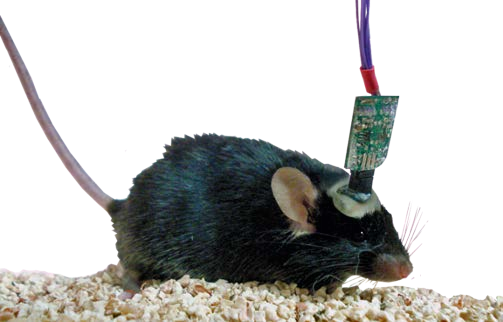
The 4-channel EEG/EMG system can expand electrophysiological detection parameters by changing the type of preamplifier, such as 2EEG/1EMG/1opt for EEG and myoelectric optogenetic detection, 2EEG/1EMG/1Accelerometer for EEG and myoelectric acceleration detection, and 2EEG/1EMG/1bio for EEG and myoelectric biosensor detection. This combines EEG/EMG with optogenetics, bioactive substances, and acceleration measurement. While monitoring the EEG/EMG of epilepsy model animals, it can also achieve a series of neuroelectrophysiological studies such as regulating epileptic seizure events through optogenetic stimulation and/or electrical stimulation, and exploring the mechanism of action of different neurotransmitters in the process of epileptic seizures by detecting the release concentration of substances such as glutamate, lactate, and glucose in the animal brain.
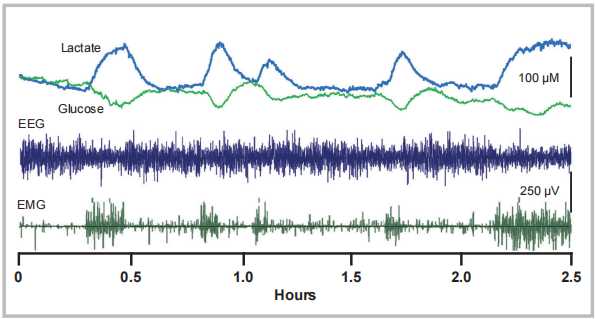
Monitor EEG and EMG while recording changes in brain lactate and glucose concentrations
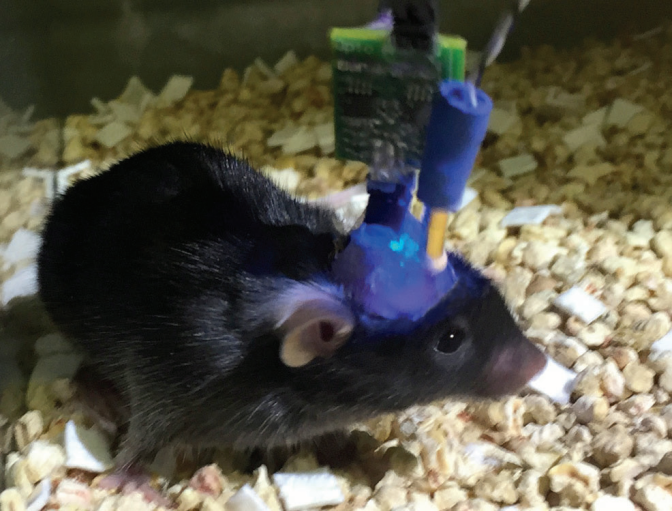
Optogenetic modulation of epileptic seizure events in mice
2. Wireless EEG/EMG acquisition system
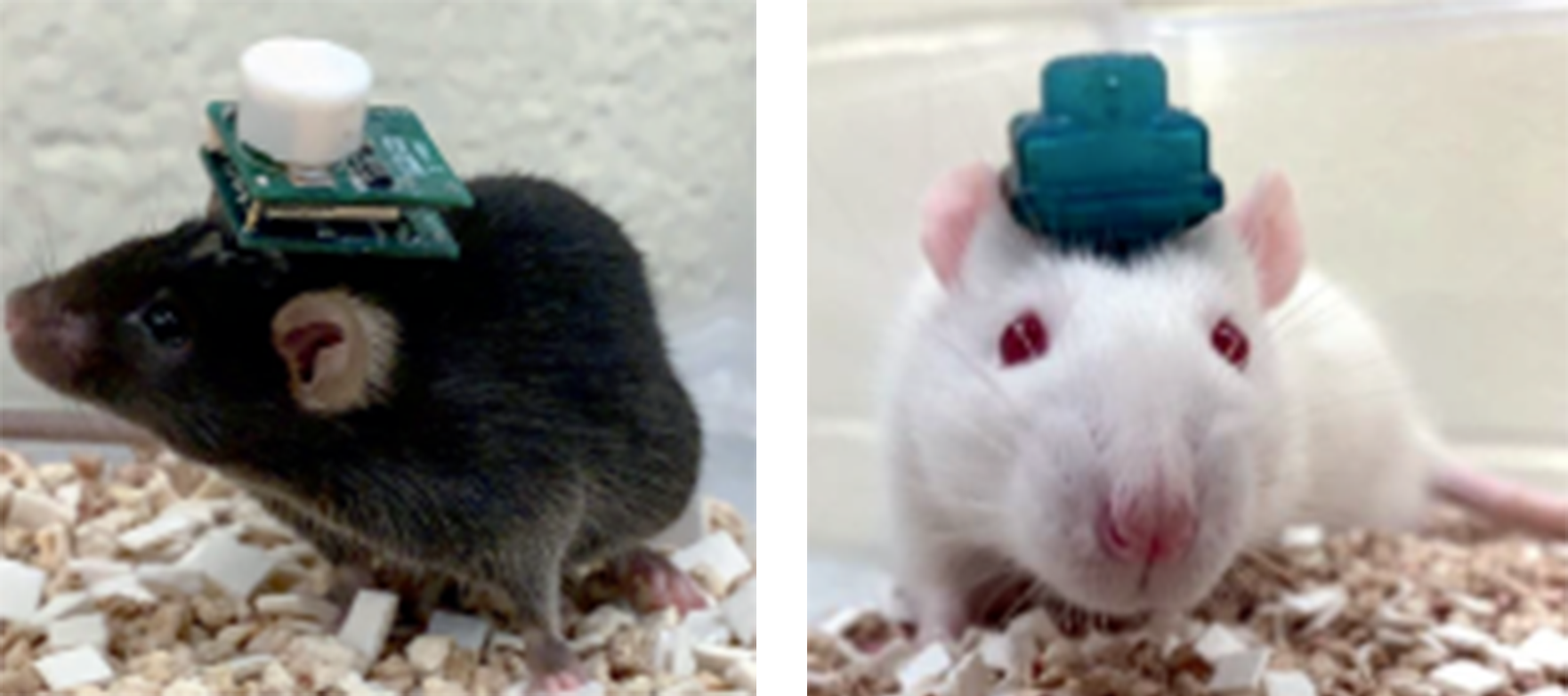
The wireless EEG/EMG acquisition system utilizes a lightweight wireless voltage regulator device to digitize EEG and EMG signals directly on the animal's head, transmitting them via Bluetooth to computer acquisition software for processing and analysis. This system places fewer restrictions on the animal's range of motion, allowing the animal to more closely resemble its physiological state during free movement. This system is particularly suitable for use in conjunction with behavioral experiments, such as using the Racine scoring system to assess the severity of epileptic seizures in mice and rats, combining it with a motion counter to record the animal's activity level during epilepsy to assess its impact on mobility, or using the Morris water maze and Y maze to assess the impact of epilepsy on cognitive function and memory.
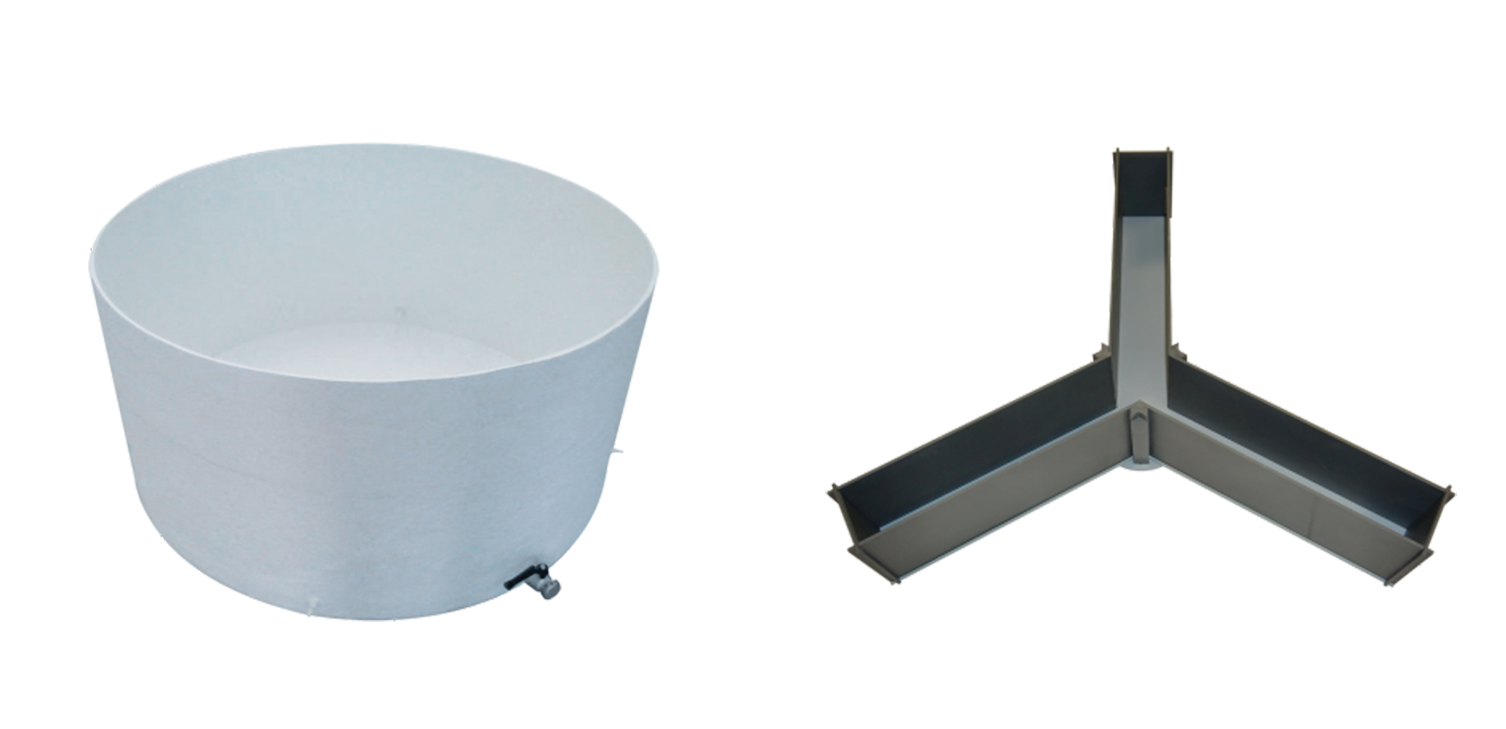
Morris water maze and Y maze
The above-mentioned wired and wireless EEG/EMG acquisition systems can not only be used for the study of epilepsy models in rats and mice, but also for animal sleep rhythm analysis research. The same set of hardware can meet the EEG/EMG signal acquisition needs of animal models in both epilepsy and sleep research directions. For the application of EEG/EMG acquisition systems in the sleep direction of rats and mice, please refer to the previous public account tweets of Shanghai Yuyan Scientific Instruments.
3. Professional Epilepsy Analysis Software
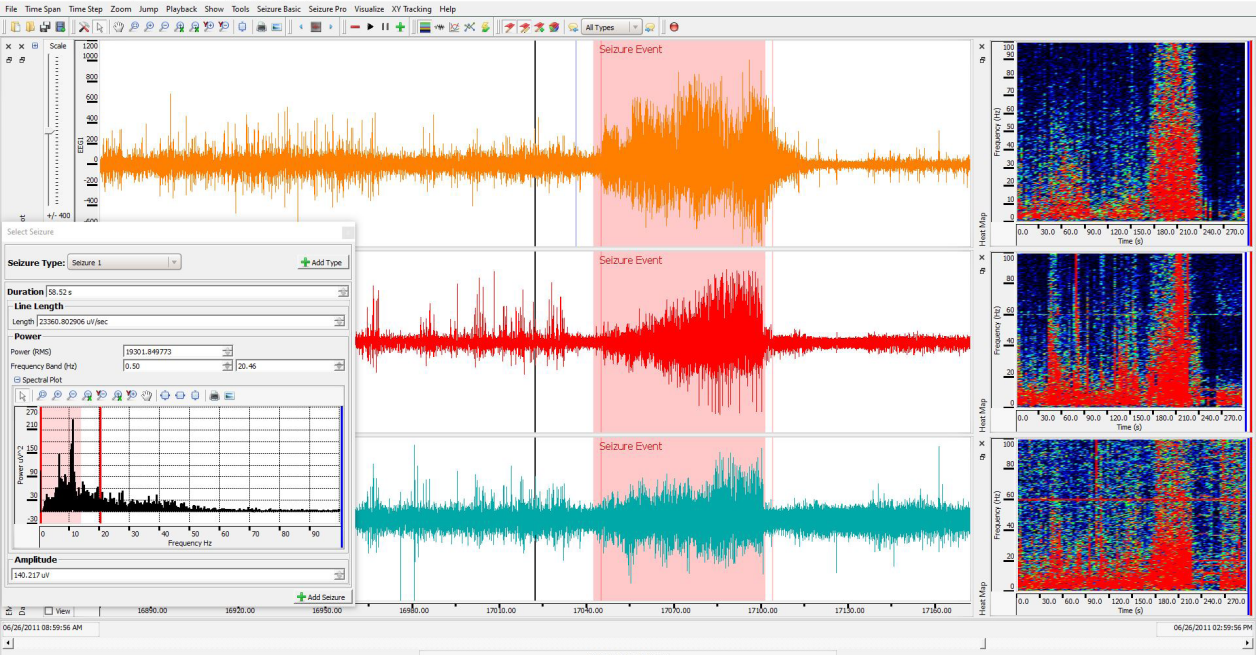
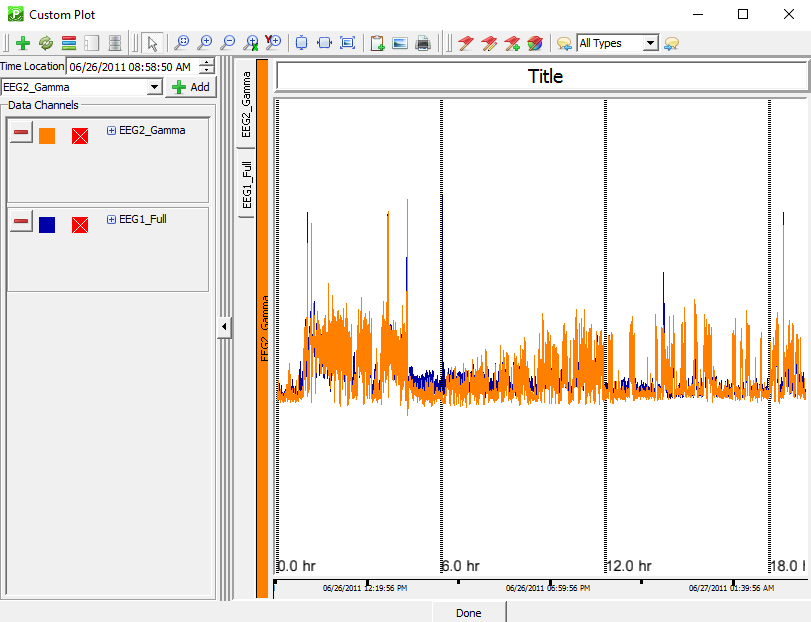
Pinnacle offers SIRENIA® SEIZURE PRO, a professional version of its epilepsy analysis software, compatible with its rat and mouse EEG/EMG acquisition hardware. This software provides three epilepsy event scoring methods: power, line length, and amplitude. Assisted by tools such as spectrograms and heat maps, it quickly assists researchers in statistically analyzing events such as seizure time, duration, and number of seizures.
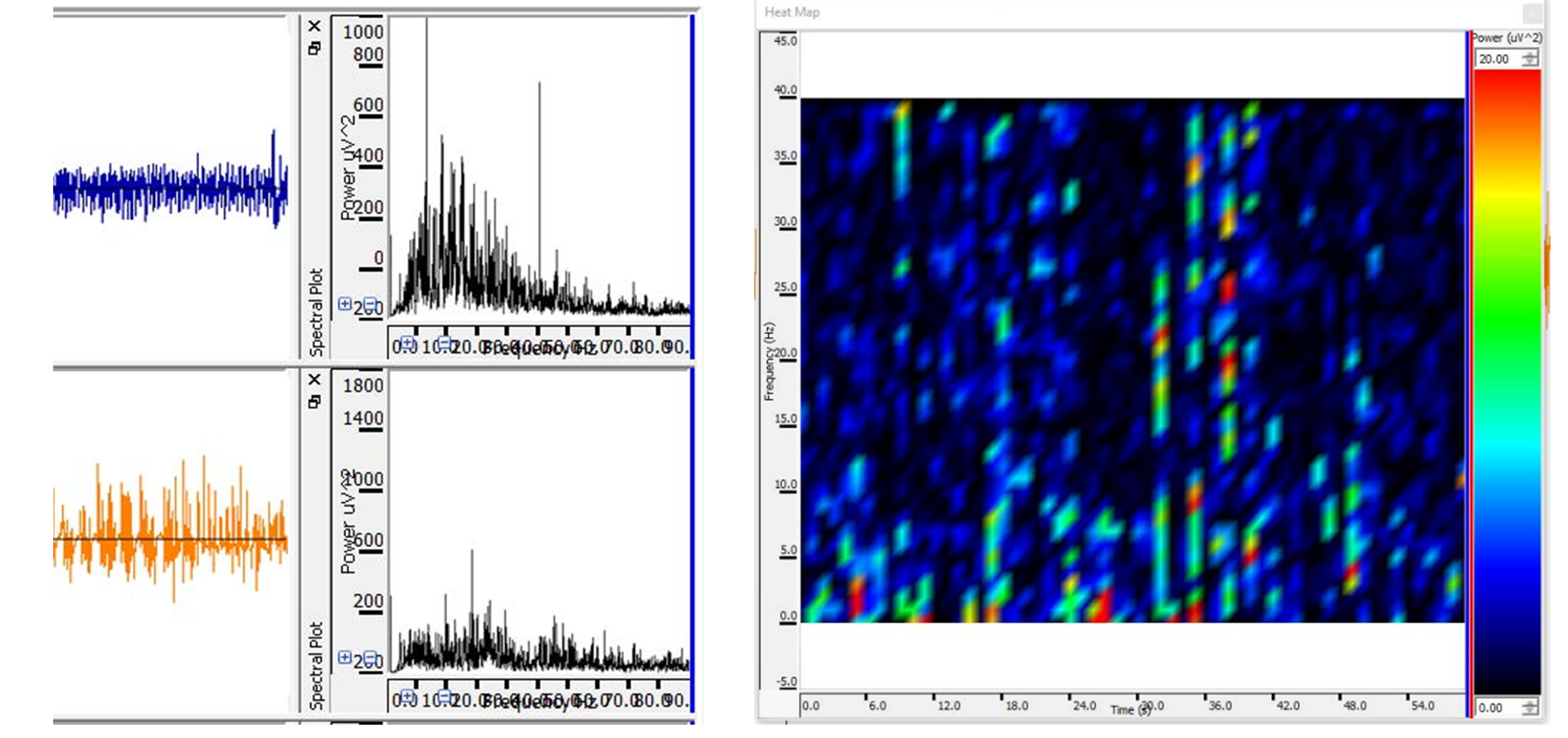
1. Store typical epilepsy data in the database;
2. Select an epileptic event from the database for target screening and choose to analyze it using the power method, line length method, or amplitude method;
3. The software scans the entire record file, screens and identifies epileptic seizure events similar to the target and performs statistical analysis.
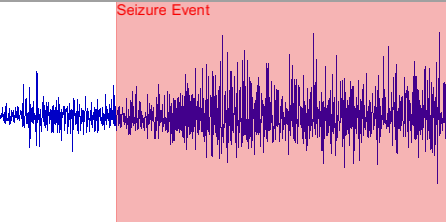
SEIZURE PRO can perform automated power analysis, line length analysis, peak frequency analysis, epilepsy duration analysis, and epilepsy event statistics on EEG/EMG waveform data of model animals. It can customize the analysis results into high-quality charts for use in papers, presentations, and daily research. It is also compatible with EDF and TXT files generated by EEG/EMG recording devices used in third-party recordings.
3. Application Cases
1. Cannabidiol regulates the excitation-inhibition ratio to counteract hippocampal hyperactivity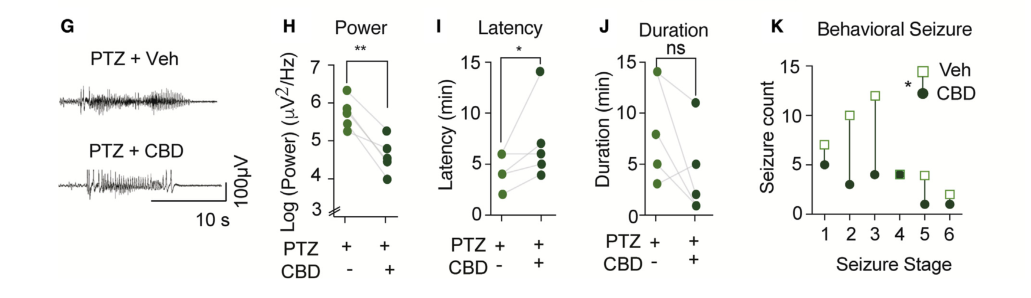
In April 2023, Evan C. Rosenberg and other researchers at New York University's Glenn Medical Center published a research paper titled "Cannabidiol modulates excitatory-inhibitory ratio to counter hippocampal hyperactivity" in the journal Neuron. Using a GPR55 KO mouse model, the researchers demonstrated that cannabidiol can exert its potential anti-epileptic effects by blocking the synaptic effects of the endogenous membrane phospholipid lysophosphatidylinositol (LPI) and inhibiting the hyperexcitability of the G protein-coupled receptor GPR55. In the experiment, EEG electrodes were implanted in the frontal lobe, temporal lobe (hippocampus), and occipital lobe of mice to capture EEG signals. Analysis of EEG epileptic events using SIRENIA® SEIZURE PRO analysis software from Pinnacle, USA, showed that 200 mg/kg CBD pretreatment reduced the average level of EEG power (p=0.0036), increased the latency of the first epileptic EEG seizure (p=0.04), and produced a non-significant trend of shortening the duration of EEG seizures (p=0.11).
2. Enhanced excitability of the hippocampal CA2 region in a mouse model of temporal lobe epilepsy and its impact on epileptic seizure activity
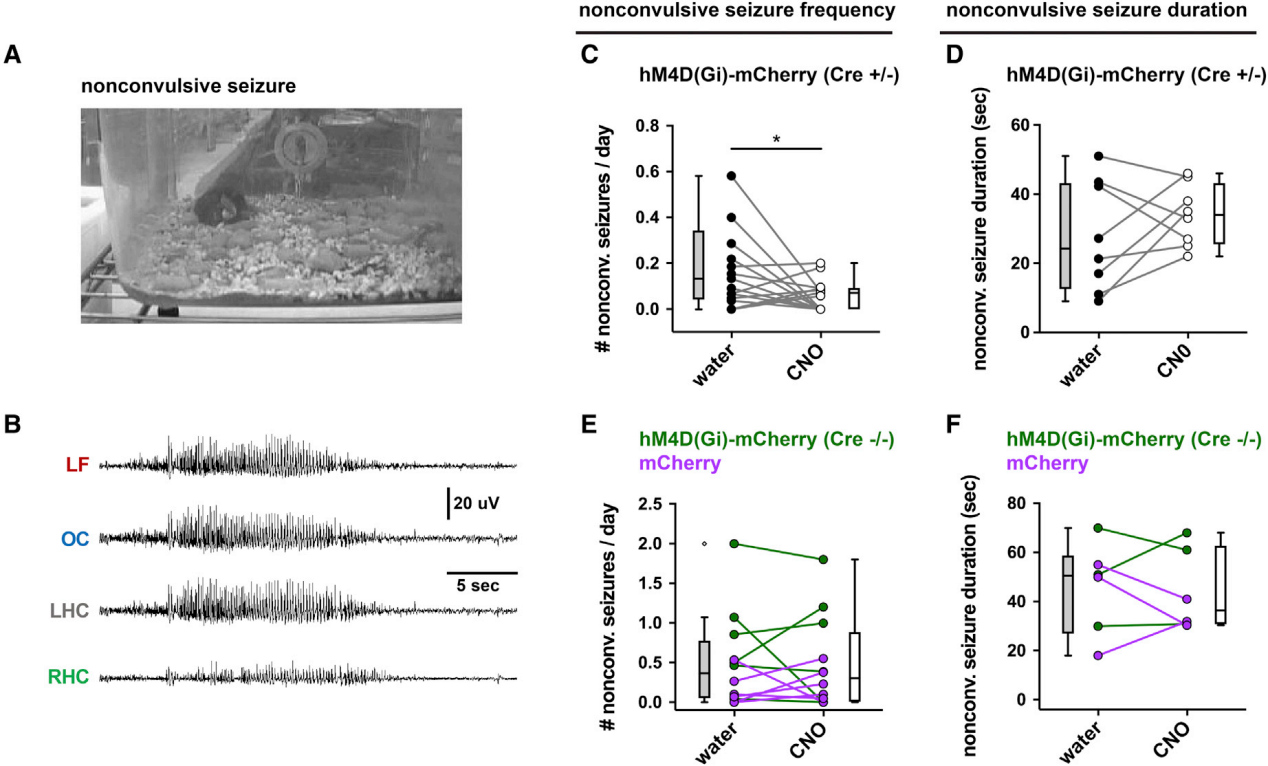
In October 2022, Alexander C. Whitebirch et al. published an article titled "Enhanced excitability of the hippocampal CA2 region and its contribution to seizure activity in a mouse model of temporal lobe epilepsy" in Neuron, which explored the role of the hippocampal CA2 region in temporal lobe epilepsy (TLE). The researchers used the American Pinnacle EEG/EMG acquisition system to collect EEG and EMG data from the experimental and control mice. The experiment found that the frequency of non-convulsive epileptic seizures in mice treated with clozapine-N-oxide (CNO) was significantly reduced compared with that in the untreated mice (as shown in Figures C and E; t test; t=2.352, df=16; *p=0.032; n=17 mice), while CNO had no significant effect on the duration of non-convulsive epileptic seizures.
Pinnacle, a US-based company, upholds a pioneering and innovative approach to research in the field of neuroelectrophysiology in rats and mice, including epilepsy monitoring and analysis. The company continuously develops and refines its EEG and EMG epilepsy monitoring technology, enabling researchers to achieve new breakthroughs in brain science. Shanghai Yuyan Instrument Science Co., Ltd. maintains a long-standing partnership with Pinnacle, providing cutting-edge neuroelectrophysiology technology solutions to researchers both domestically and internationally.
4. User List
Peking University, Peking University Sixth Hospital, Beijing Tiantan Hospital, Institute of Neurology, Chinese Academy of Sciences, Institute of Biomedical Engineering, Chinese Academy of Medical Sciences, Second Military Medical University, Anhui Medical University, Xuzhou Medical College, Affiliated Hospital of Dalian Medical University, Beijing Institute of Acupuncture, Inner Mongolia University of Technology, East China Normal University5. More Literature
1. Zhu, Q., et al., Human cortical interneurons optimized for grafting specifically integrate, abort seizures, and display prolonged efficacy without over-inhibition. Neuron, 2023.2. Rosenberg, EC, et al., Cannabidiol modulates excitatory-inhibitory ratio to counter hippocampal hyperactivity. Neuron, 2023.
3. Tipton, AE, et al., Selective neuronal knockout of STAT3 function inhibits epilepsy progression, improves cognition, and restores dysregulated gene networks in a temporal lobe epilepsy model. Annals of Neurology, 2023.
4. Zhao, C., et al., An integrated in vitro human iPSCs-derived neuron and in vivo animal approach for preclinical screening of anti-seizure compounds. Journal of Advanced Research, 2023.
5. Whitebirch, AC, et al., Enhanced excitability of the hippocampal CA2 region and its contribution to seizure activity in a mouse model of temporal lobe epilepsy. Neuron, 2022. 110(19): p. 3121-3138. e8.
6. Weber, M., et al., Pharmacological suppression of seizure‐like activity in the PS2APP model of amyloidosis: Development of new models and analysis methods/amyloid/Abeta. Alzheimer's & Dementia, 2020. 16: p. e045557.
7. Han, Z., et al., Antisense oligonucleotides increase Scn1a expression and reduce seizures and SUDEP incidence in a mouse model of Dravet syndrome. Science translational medicine, 2020. 12(558): p. eaaz6100.
8. Ibhazehiebo, K., et al., A novel metabolism-based phenotypic drug discovery platform in zebrafish uncovers HDACs 1 and 3 as a potential combined anti-seizure drug target. Brain, 2018. 141(3): p. 744-761.
9. Casalia, ML, MA Howard and SC Baraban, Persistent seizure control in epileptic mice transplanted with gamma-aminobutyric acid progenitors. Annals of neurology, 2017. 82(4): p. 530-542.
10. Hsieh, LS, et al., Convulsive seizures from experimental focal cortical dysplasia occur independently of cell misplacement. Nature communications, 2016. 7(1): p. 11753.