




Want to know how neuroscience is studied?Review of cutting-edge technologies and methods such as stereotaxic devices
Neuroscience is undoubtedly a crucial discipline in the quest to uncover the mysteries of the human brain and nervous system. Neuroscience research on experimental animals, such as mice and rats, not only reveals the fundamental workings of the nervous system but also provides a solid scientific foundation for understanding human behavior, cognition, emotion, and various neurological diseases.
Animal neuroscience research methods are evolving rapidly, driving progress in the field. This article systematically reviews cutting-edge technologies and methods in neuroscience from four perspectives: stereotaxic imaging, behavioral research, pain research, and bioelectrical signal acquisition, aiming to provide a comprehensive guide for researchers.
Stereotaxic apparatus: a fundamental tool for brain science research
01Technical Features
1. Targeted stimulation and disruption: Regulating activity in specific brain regions through electrodes or surgical tools for neural circuit analysis or disease modeling.
2. Drug injection and cell transplantation: Accurately deliver drugs, stem cells, etc. to the target area to study the therapeutic effects of neurological diseases;
3. Potential guidance and recording: Record electrophysiological signals in deep brain regions and analyze the relationship between neural activity and behavior.
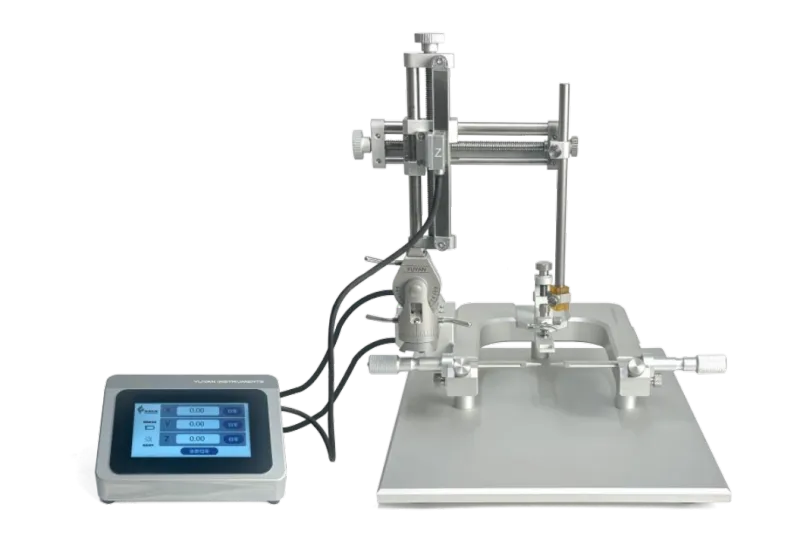
02Technical Features
1. Three-rod reinforced cross arm: The cross arm is upgraded to a three-rod fixed one, with double-sided penetration, precise and stable, and the rotation adopts a bearing-like design, free calibration for three years, small wear and accurate positioning
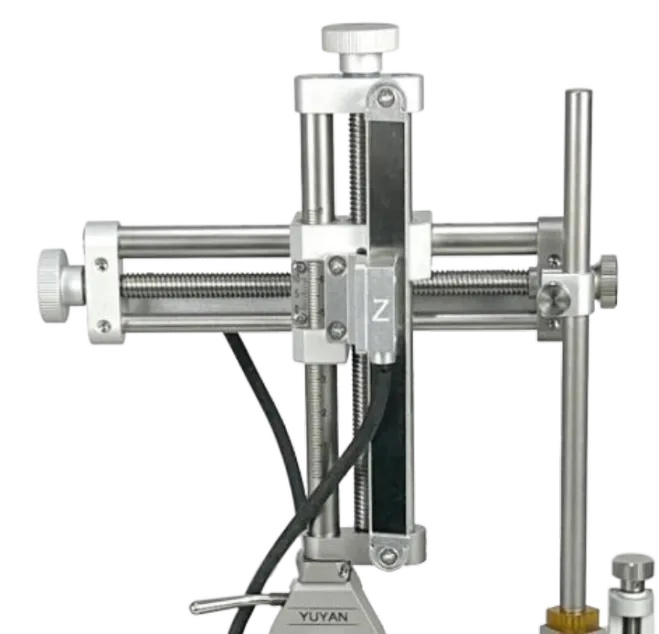
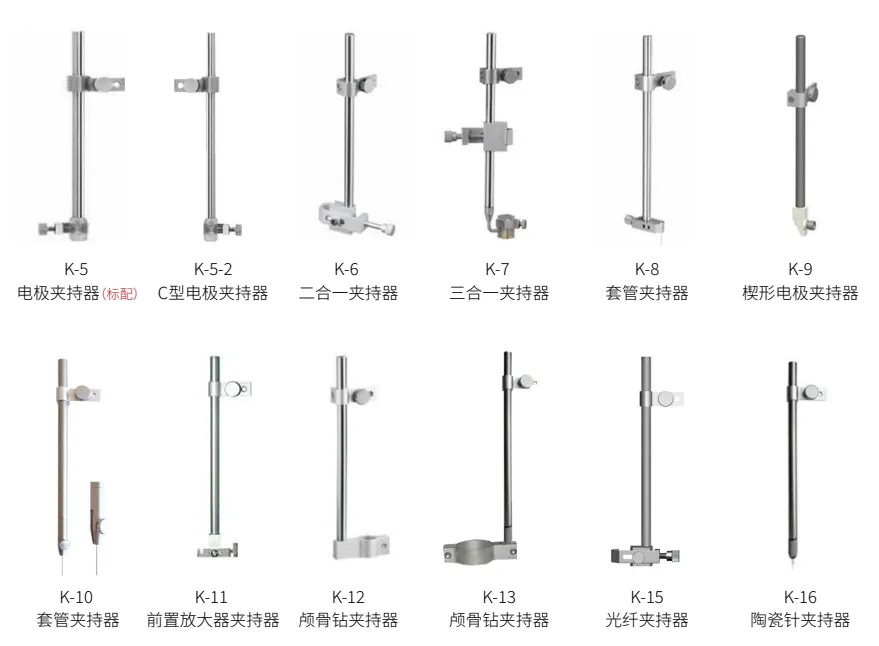
2. Multi-dimensional adjustment: The three-dimensional operating arm supports up and down, left and right, front and back, and rotation adjustment to meet complex experimental needs;
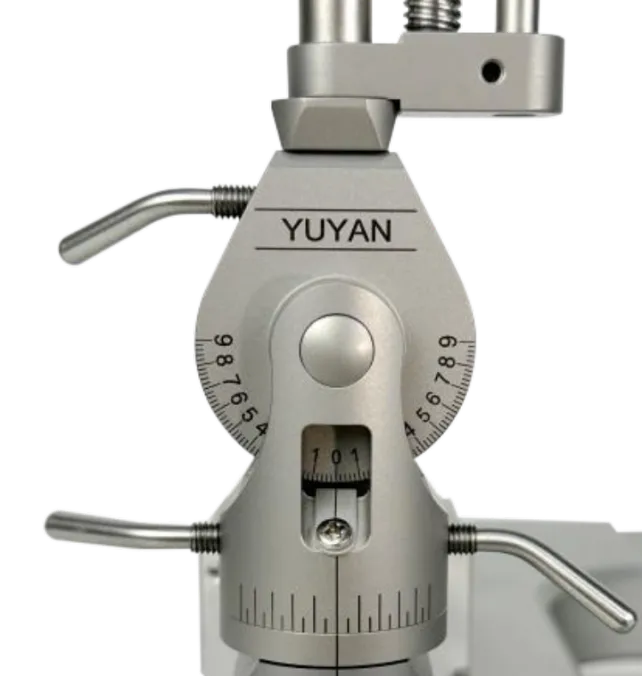
3. Compatibility and scalability: Modular design supports rapid replacement of fixtures or tools, adapting to various experimental needs such as electrophysiology and optogenetics
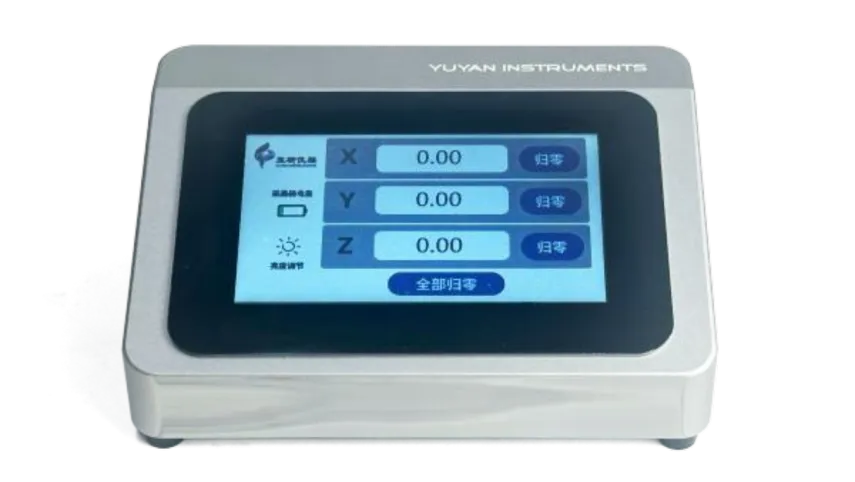
4. Large digital display: Equipped with a 4.3-inch digital display, the data is displayed more clearly and the touch screen control is visual, which is convenient for users to use, without the need for training, and can be quickly started.
02Neural Modeling Application Scenarios
a. Procedure: Stereotaxic destruction of the substantia nigra pars compacta is performed to simulate dopaminergic neuron loss.
b. Value: Uncover the pathogenesis of Parkinson's disease and evaluate the effectiveness of new treatment strategies (such as stem cell transplantation and gene therapy).
2. Cerebral Ischemia Model:
a. Procedure: Locate the middle cerebral artery territory for induction of embolization and evaluate the effects of neuroprotective agents;
b. Value: Study the pathophysiological process of cerebral ischemia and develop brain protective drugs.
3. Epilepsy Model:
a. Procedure: Injecting chemicals (such as kainic acid) into the hippocampus or amygdala to induce epileptic seizures;
b. Value: Exploring the neural mechanisms of epilepsy and testing the efficacy of anti-epileptic drugs.
4. Neurodegenerative Disease Models:
a. Procedure: Injection of toxic substances (such as Aβ protein) into specific brain regions to simulate Alzheimer's disease;
b. Value: Research early diagnostic markers and therapeutic targets for neurodegenerative diseases.
Behavioral research: fundamental methods for decoding animal neural mechanisms
Behavioral research is an important part of neuroscience research. It reveals the functional mechanisms of the nervous system by quantifying the behavioral patterns of animals. The following instruments are "standard" for behavioral experiments:
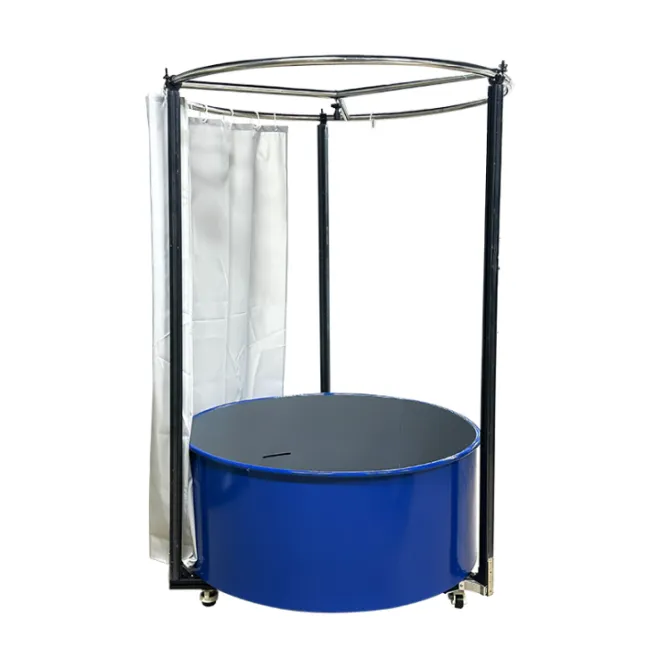
1. Morris water maze: This test assesses spatial memory by forcing animals to swim to find a hidden platform. It is a classic tool for studying hippocampal function and Alzheimer's disease models.
2. Y-maze: used to test animals' spatial memory and working memory, suitable for studying cognitive function in rodents;
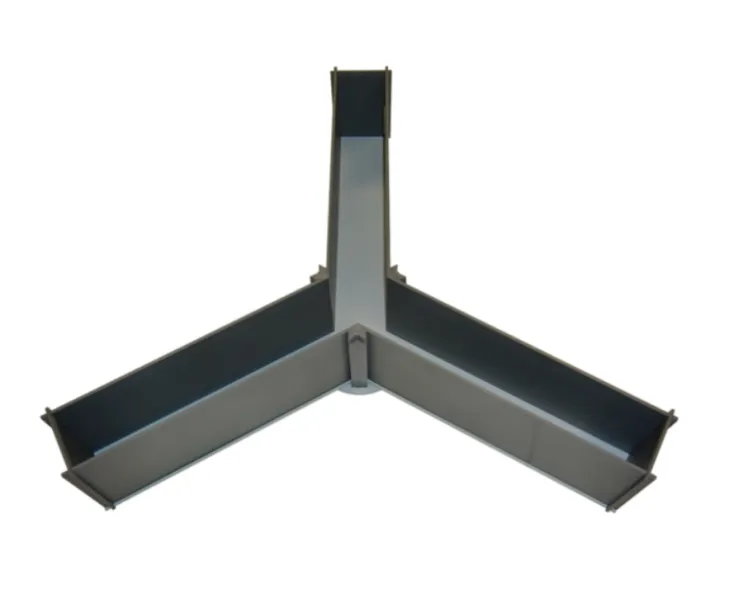
3. T-maze: used to measure the position preference, spatial memory and learning ability of experimental animals. It can evaluate the spatial memory ability of experimental animals;

02Anxiety and Depression Research Instrument"
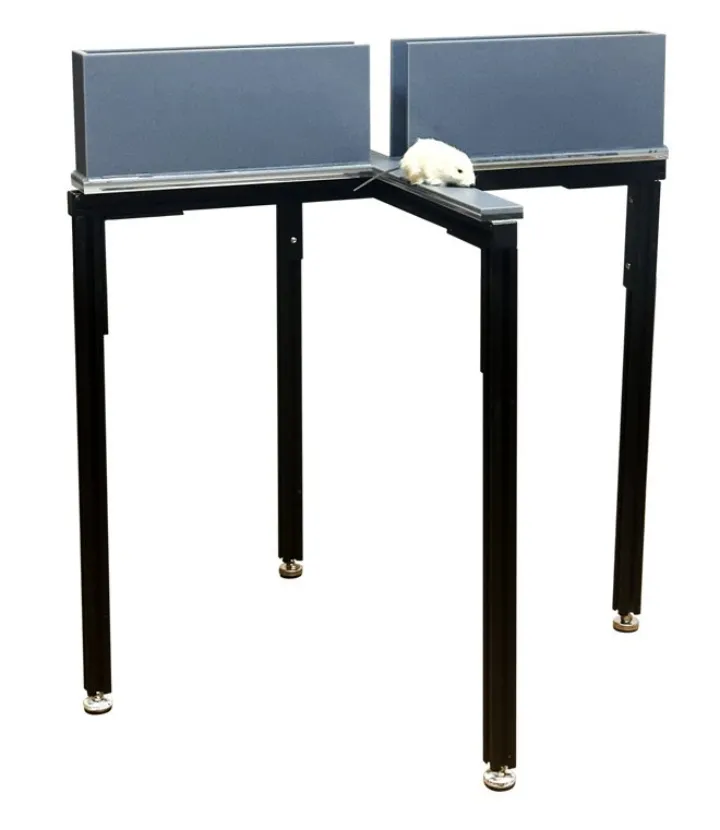
1. Elevated plus maze: This test assesses anxiety levels by monitoring the animal's behavior between open and closed arms. It is the "gold standard" for anxiety research.
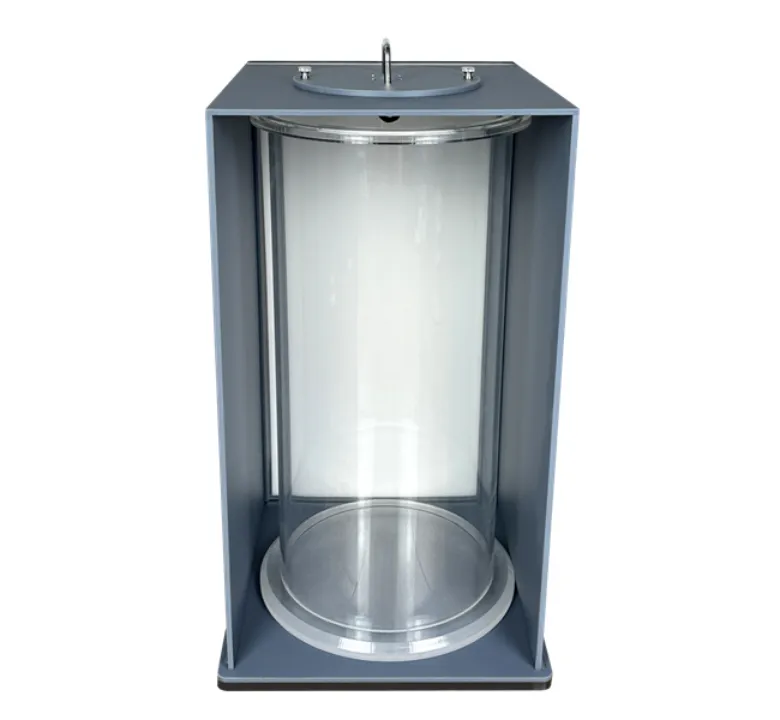
2. Forced swim test system: records the time animals spend immobile in an inescapable environment, used for screening antidepressant drugs and studying their mechanisms;
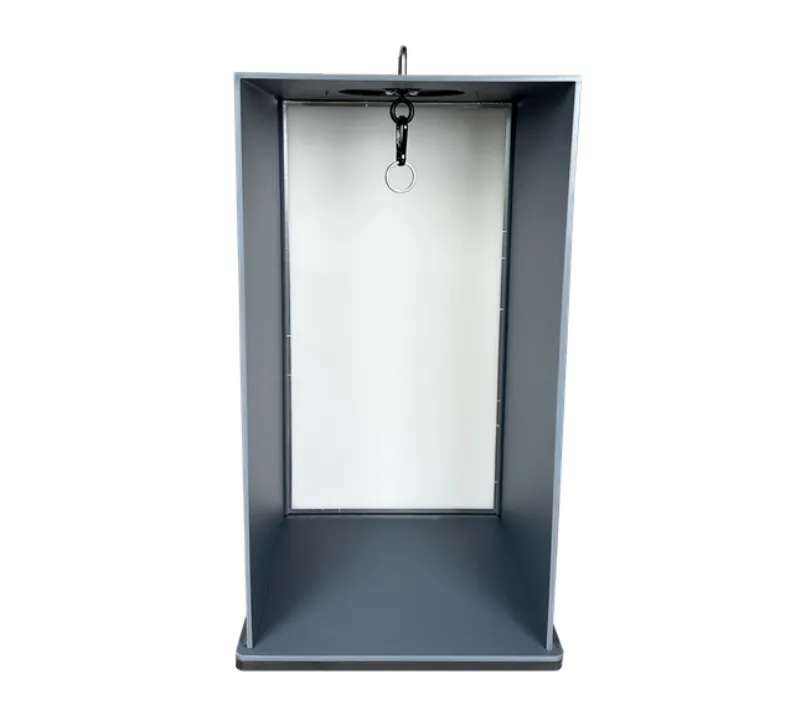
3. Tail suspension test system: By fixing the animal's tail so that its head is suspended downward, a series of parameters are recorded during the process of the animal's desperate immobility in this environment. It is used for the research of antidepressants, analgesics and analgesic drugs.
03Movement and Coordination Ability Assessment Tool"
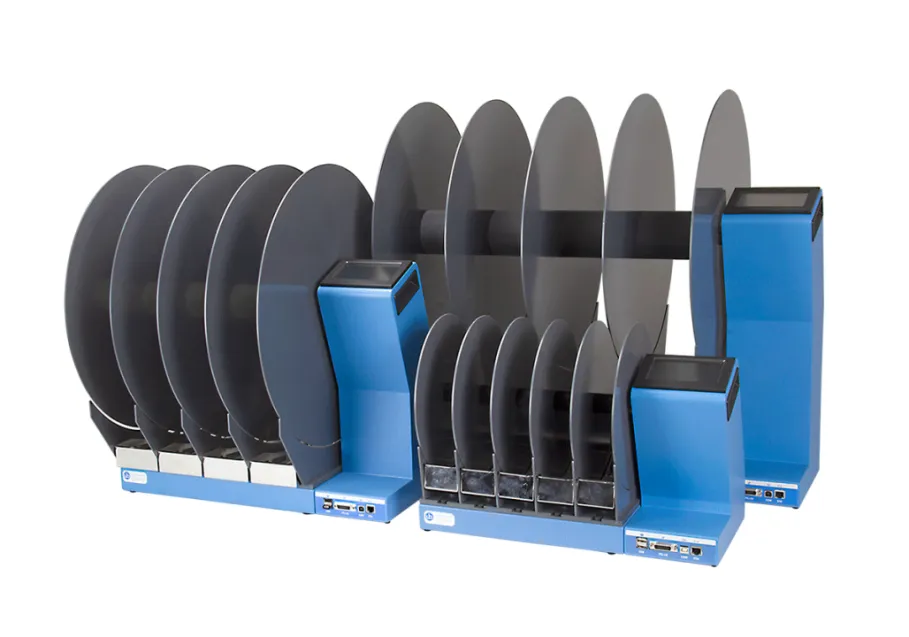
1. Rotarod fatigue test: This instrument tests the balance and fatigue resistance of animals by rotating the rod. It is suitable for the study of neurodegenerative disease models (such as Parkinson's disease).
2. Small Animal Treadmill: It can be used for exercise fatigue experiments in mice and rats in various disease models. The equipment is based on a conveyor belt runway. By setting the conveyor belt speed and runway inclination, forced exercise training and accurate fatigue testing can be performed on mice and rats.
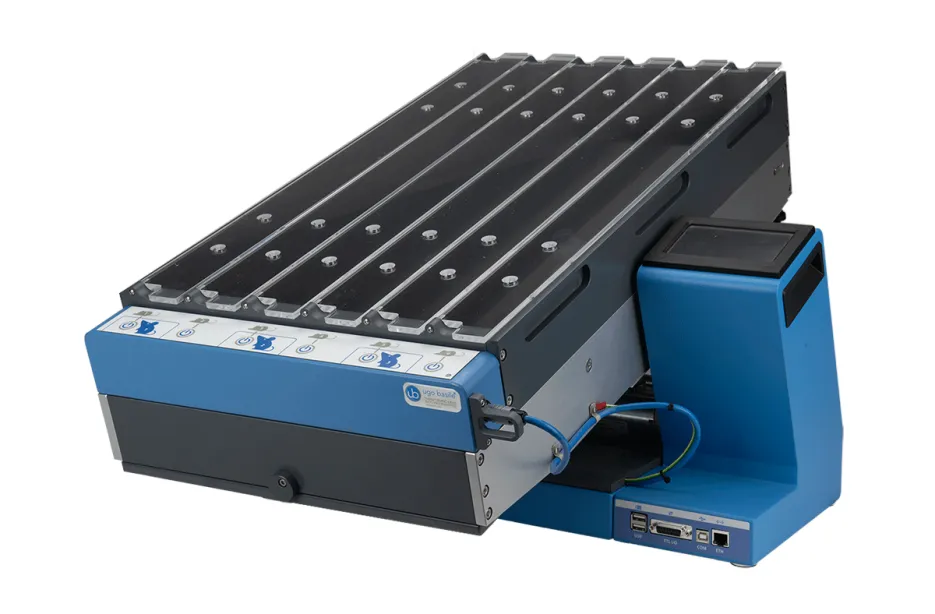
3. Ladder test platform: It is a commonly used behavioral assessment tool to evaluate sensory and motor function deficits, functional recovery, and the efficacy of drug intervention after cerebral ischemia, cerebral hemorrhage or brain injury.
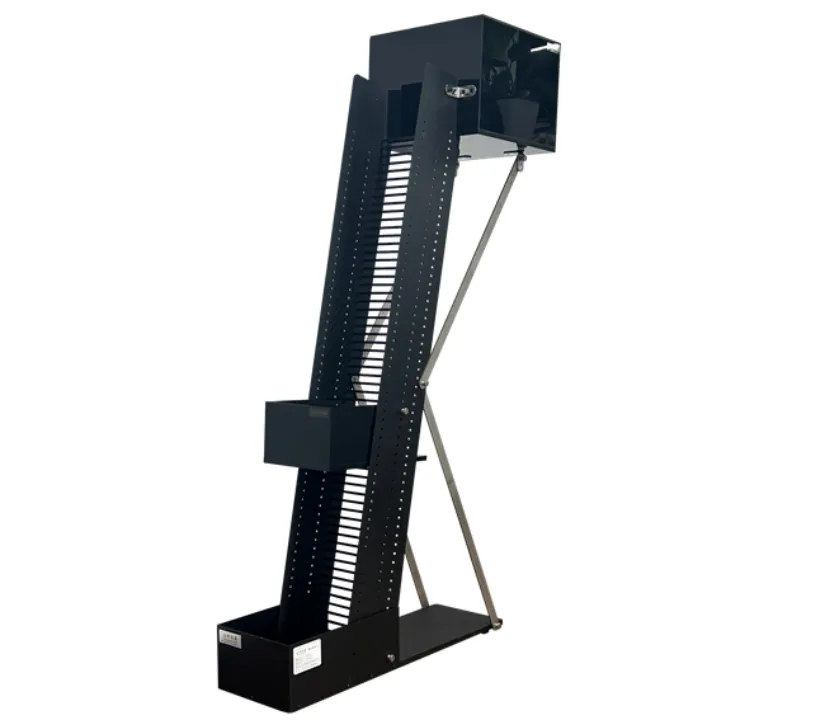
4. In addition, there are climbing poles, autonomous running wheels and other movement and coordination research tools
Technical endorsement: authoritative certification and detailed polishing
Pain and inflammation research focuses on the pathological mechanisms and therapeutic targets of neuropathic pain and inflammatory diseases. The following instruments are "powerful tools" for pain research:
01Mechanical and thermal pain tester
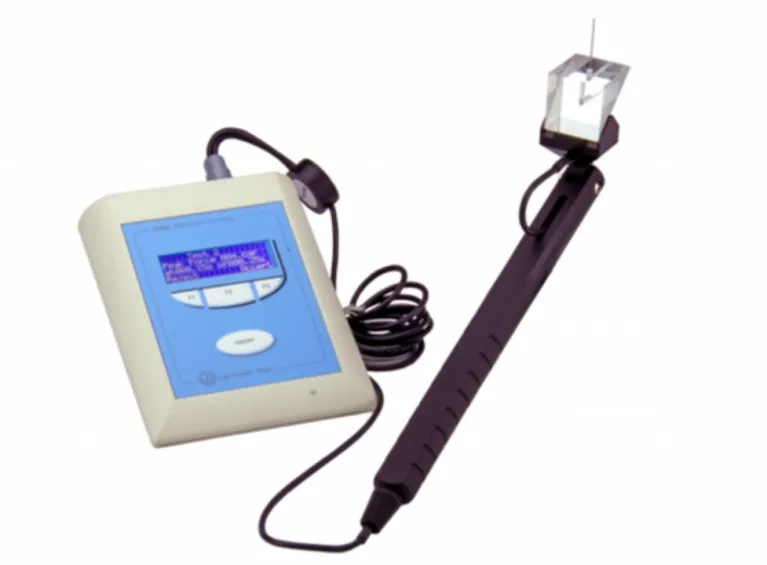
1. Electronic analgesia: This device accurately measures the mechanical pain threshold of animals through mechanical acupuncture, and is suitable for the screening of analgesic drugs and mechanism research;
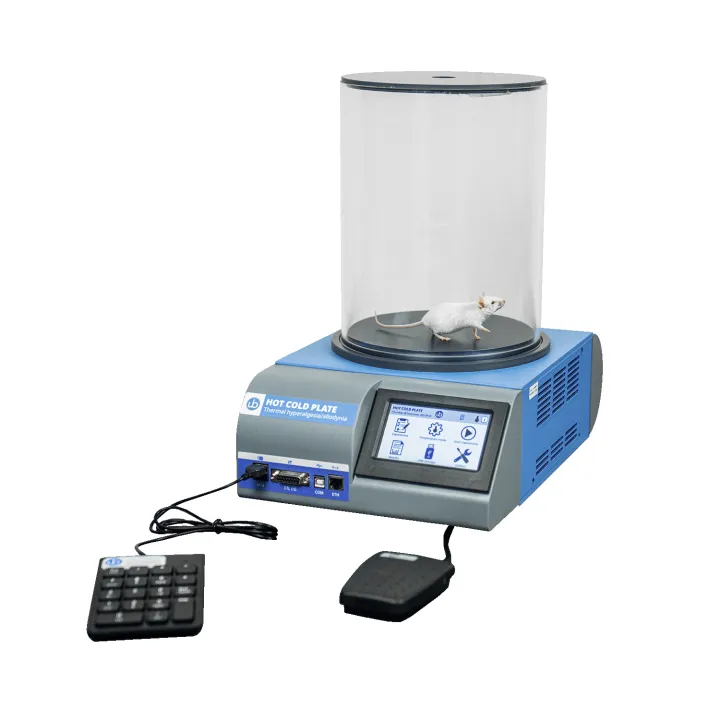
2. Hot and cold plate analgesia: records the latency of animals to lift their feet on hot and cold plates, assesses the difference between physiological pain and pathological pain, and is suitable for neuropathic pain models.
02Inflammation and spontaneous pain assessment tool"
1. Rat Paw Swellometer: This is a classic tool for inflammation research, used to measure the swelling of rat paws and evaluate the efficacy and mechanism of action of anti-inflammatory drugs.
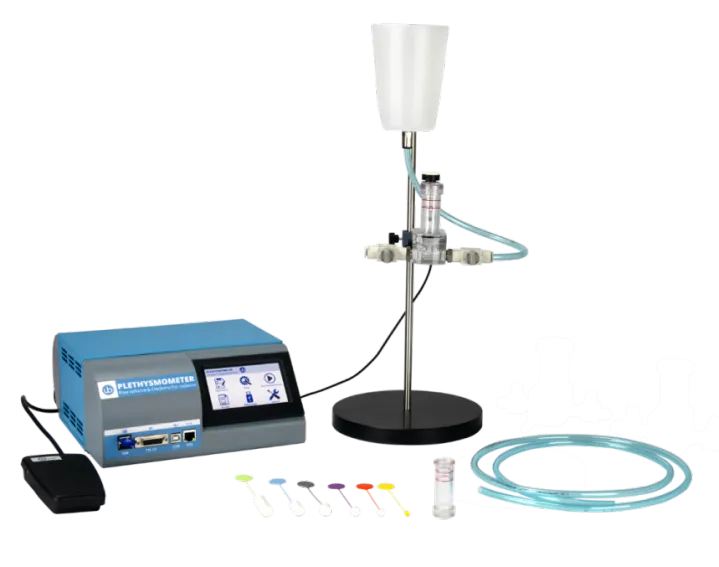
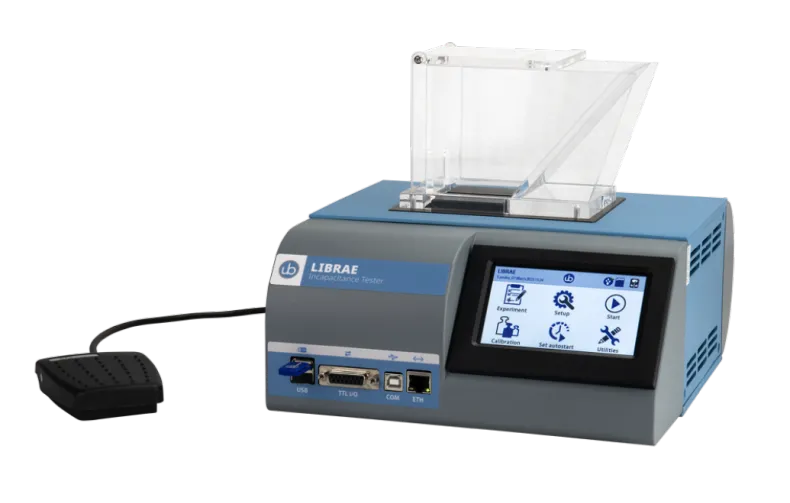
2. Bipedal balance tester: measures the difference in weight distribution between the hind paws of mice or rats and is used to assess spontaneous pain in osteoarthritis, nerve injury and postoperative pain research.
EEG and EMG acquisition: the "black box" for decoding neural electrical signals
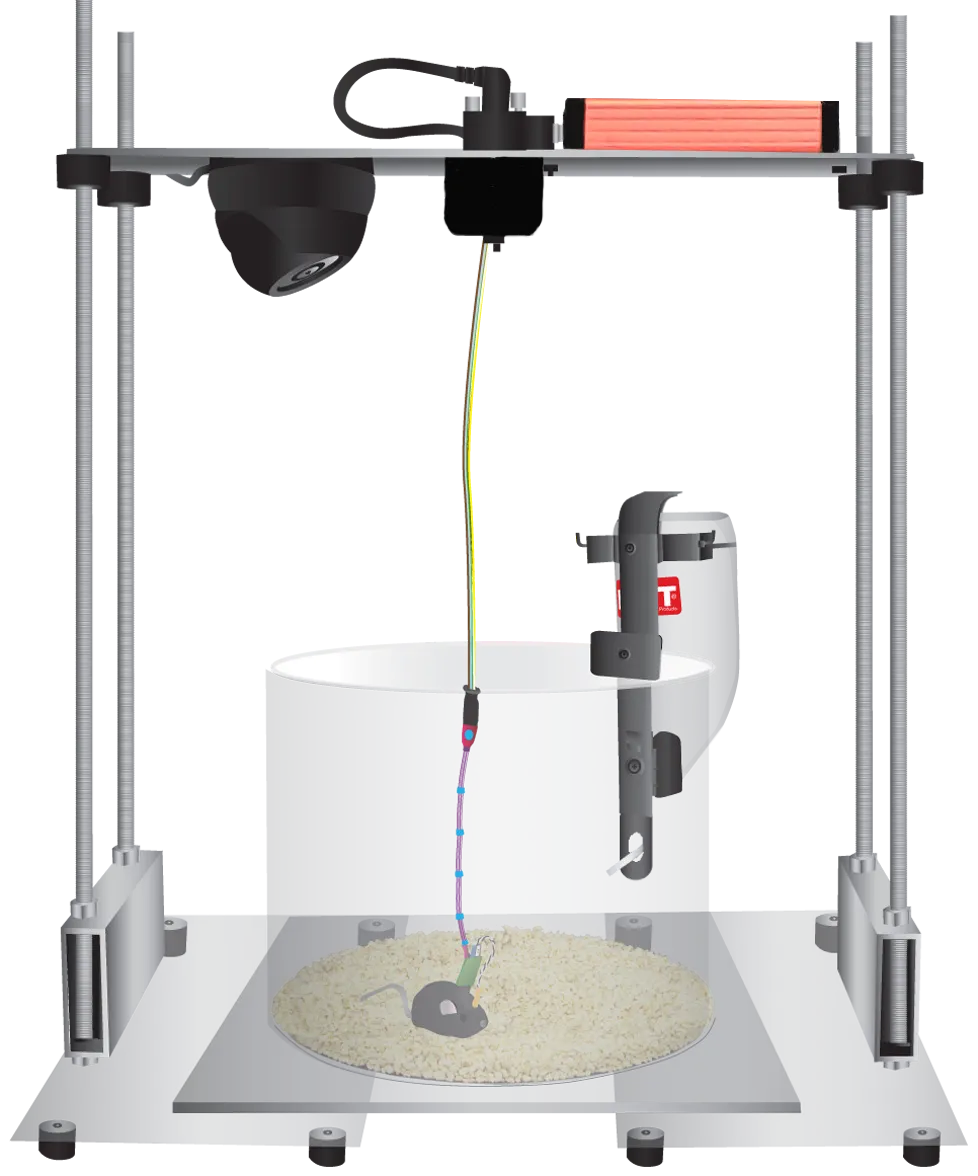
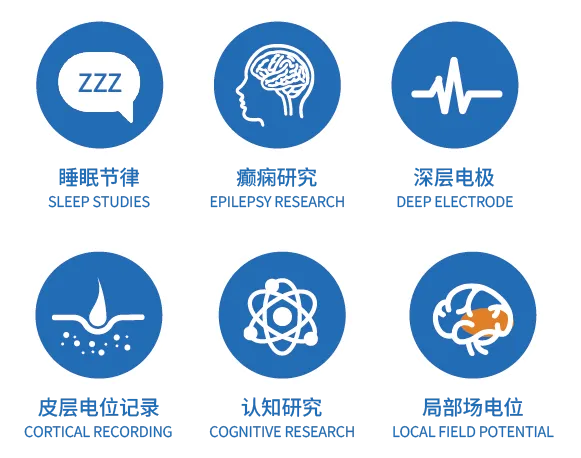
EEG and EMG signals are direct reflections of nervous system activity. Yuyan Instruments provides EEG/EMG acquisition systems for mice and rats to record EEG and EMG signals during sleep, epilepsy, and normal behavior patterns in freely moving mice and rats.
01 Application Direction
02Advanced Software Analysis
Rapidly identify and analyze user-defined epileptic events within a given timeframe. EEG and EMG data are automatically analyzed and stored, and the system can customize reports and charts for publication.
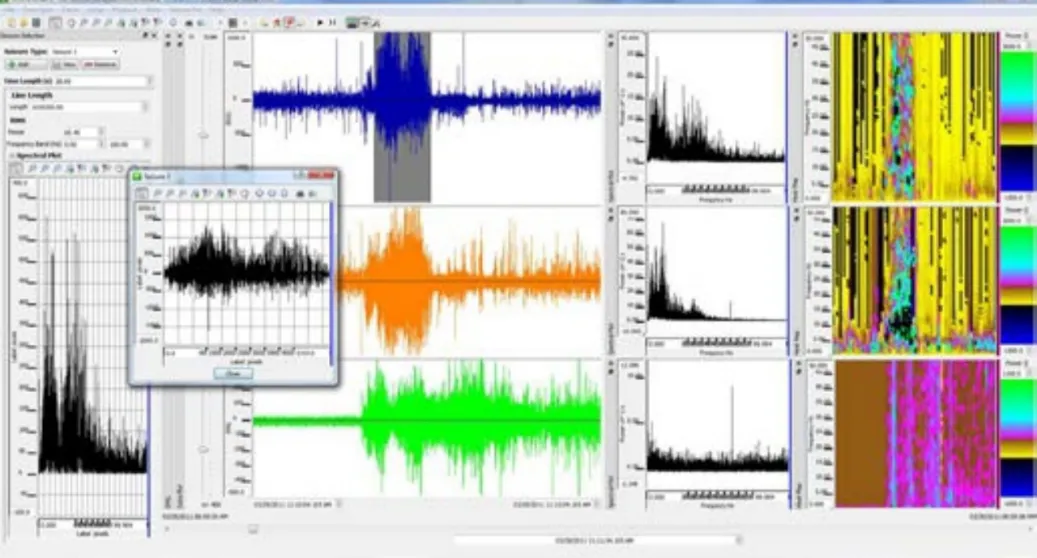
Analysis methods include: power spectrum density map, peak frequency calculation, heat map, line length, Racine grade, epilepsy duration, interval time, etc.
2. Sleep analysis
Sleep analysis software can effectively reduce user scoring and analysis time and improve the quality and accuracy of data analysis.
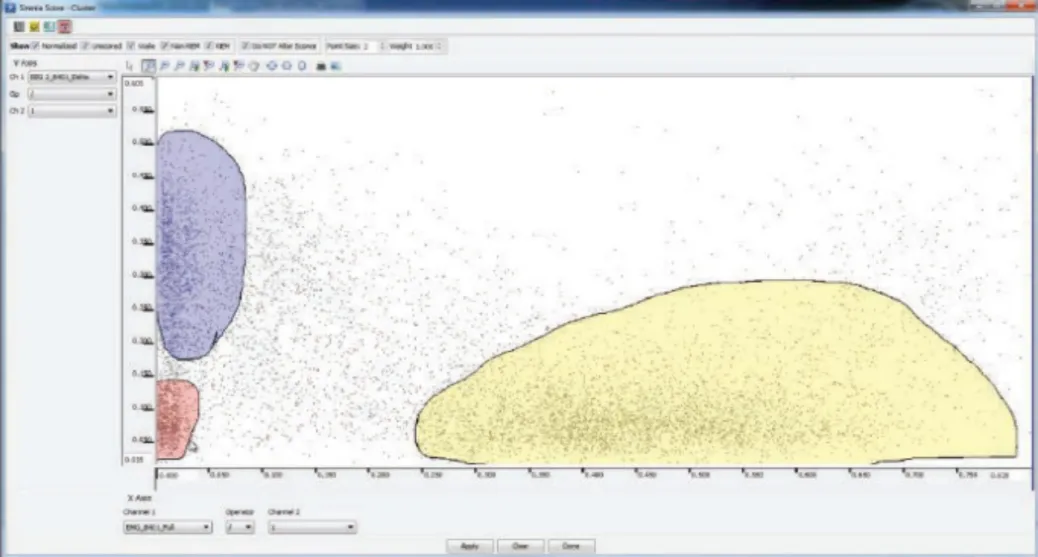
Sleep analysis methods include cluster scoring, threshold scoring, hypnograms, spectral plots, etc. The software allows users to quickly compare scores, perform analyses, and customize high-quality charts and tables.
Conclusion
Neuroscience research methods encompass multiple dimensions, including stereotaxic brain positioning, behavioral studies, pain and inflammation research, and bioelectrical signal acquisition. Together, these methods and technologies form the cornerstone of neuroscience research. Future neuroscience research will be even more in-depth and comprehensive, providing a more solid scientific basis for uncovering the mysteries of the brain and nervous system.
The choice of neuroscience research instrument directly determines the depth and breadth of your experiments. Whether it's behavioral research, pain and inflammation studies, or EEG and EMG acquisition, precise instrumentation is crucial for successful research. Yuyan Instruments is committed to providing one-stop solutions for neuroscience research, helping researchers break through technical bottlenecks and promote innovative development in neuroscience!

Self-developed core creates extraordinary strength
Shanghai Yuyan Scientific Instrument Co., Ltd., as a leading manufacturer of scientific research equipment in the industry, has been adhering to the core concept of "innovation-driven development and self-research to create high-quality products" for 15 years since its establishment in 2010. It is committed to the independent research and development and production of scientific instruments. Its current product line covers multiple scientific research and application fields such as experimental animal husbandry, physiological signal acquisition, and neuroscience research. Not only does it continuously optimize and upgrade conventional instruments, but it also dares to explore cutting-edge technologies and has launched a series of high-end scientific instruments with independent intellectual property rights.
The company's R&D personnel account for 40%, and it has a team of scientists in sensors, chip design, core algorithms, etc., and has professional teams to provide support in product implementation and operation, market and academic promotion, comprehensive product solution design and application. The company has service points covering the whole country and strong technical service capabilities. Its customers include Tsinghua University, Peking University, Zhejiang University, Shanghai Jiaotong University, University of Chinese Academy of Sciences, West China Hospital of Sichuan University, Northern Theater Command General Hospital and other first-class research institutions and hospitals at home and abroad.The company has service points covering the whole country and strong technical service capabilities. Its customers include Tsinghua University, Peking University, Zhejiang University, Shanghai Jiaotong University, University of Chinese Academy of Sciences, West China Hospital of Sichuan University, General Hospital of Northern Theater Command, and other first-class research institutions and hospitals at home and abroad.