




Yuyan's self-developed high-quality brain stereotaxic device: the key to unlocking the mysteries of the brain
In the process of exploring the brain, the most complex and mysterious organ in the human body, the brain stereotaxic device, as a key device in the field of neuroscience research, plays an irreplaceable role. Like a precise "navigator," it allows researchers to break through the complexity of brain structure and deeply explore its mysteries.
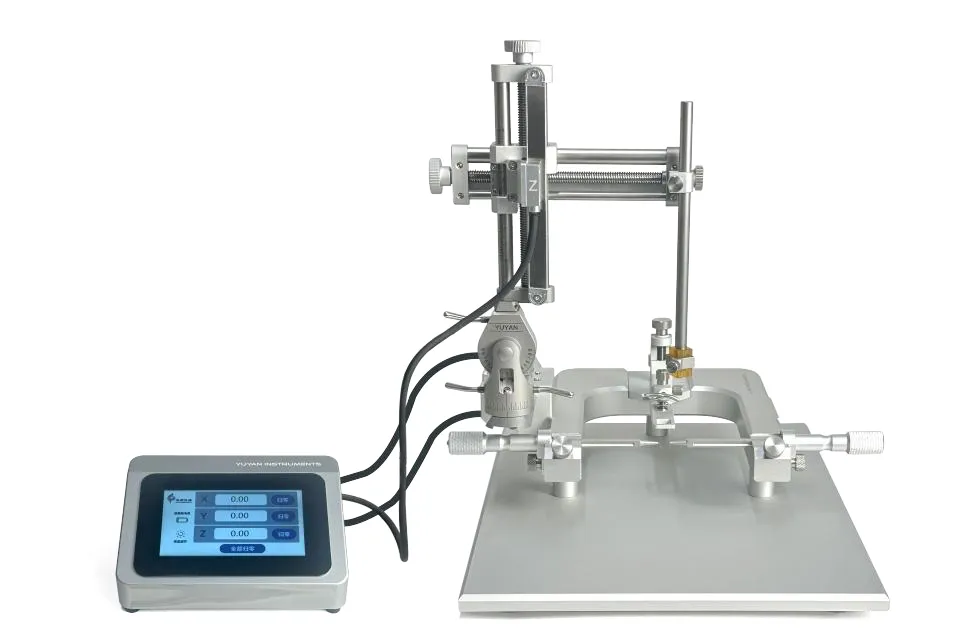
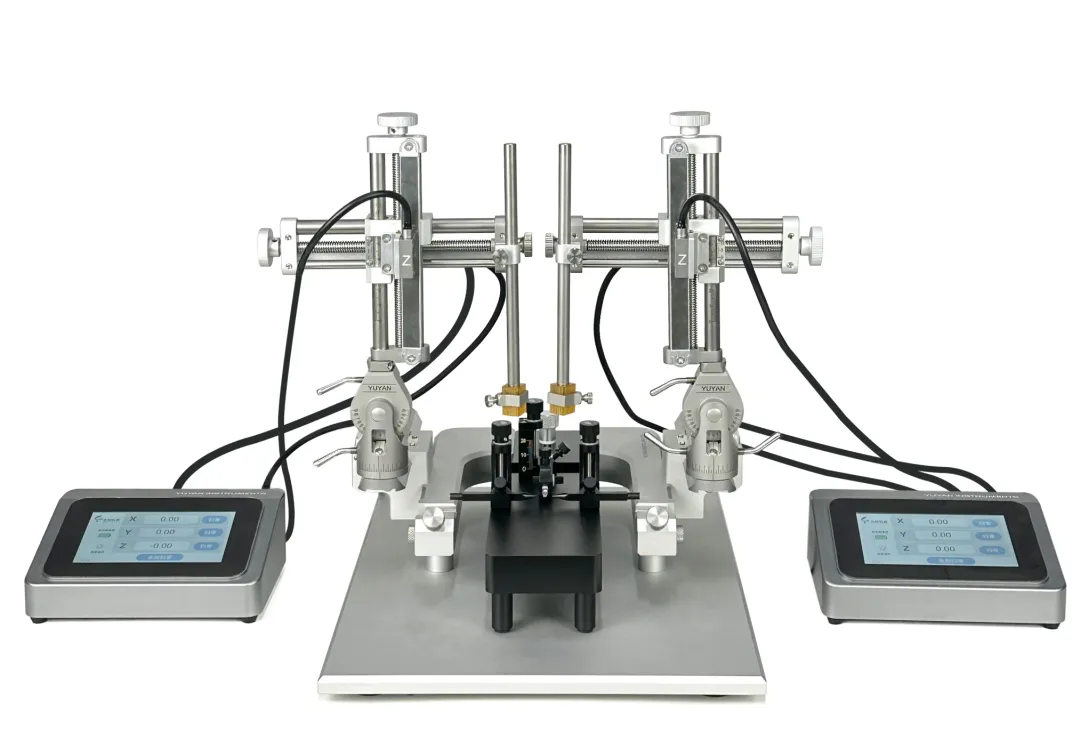
Shanghai Yuyan Scientific Instrument Co., Ltd. independently develops and produces a small animal brain stereotaxic system. It achieves precise positioning based on the fixed positional relationship between extracranial landmarks and intracranial structures. The instrument is available in three series: fractional phenotyping, standard, and lightweight, each with its own unique advantages. It features numerous innovative designs, such as a three-rod reinforced cross arm and a new spiral-patterned knob, ensuring excellent performance and ease of operation. With a wide range of accessories, it is suitable for a variety of experimental animals and scenarios. It is used by numerous renowned universities, research institutes, hospitals, and businesses, and its research results have been widely published in various fields.
How it works
A stereotaxic apparatus, also known as a brain fixation device, relies on a cleverly constructed three-dimensional coordinate system. Using easily identifiable landmarks on the skull, such as the anterior and posterior fontanelles, the external auditory canal, the eye sockets, the sagittal suture, or other reference points, it precisely locates the positions of certain subcortical neural structures.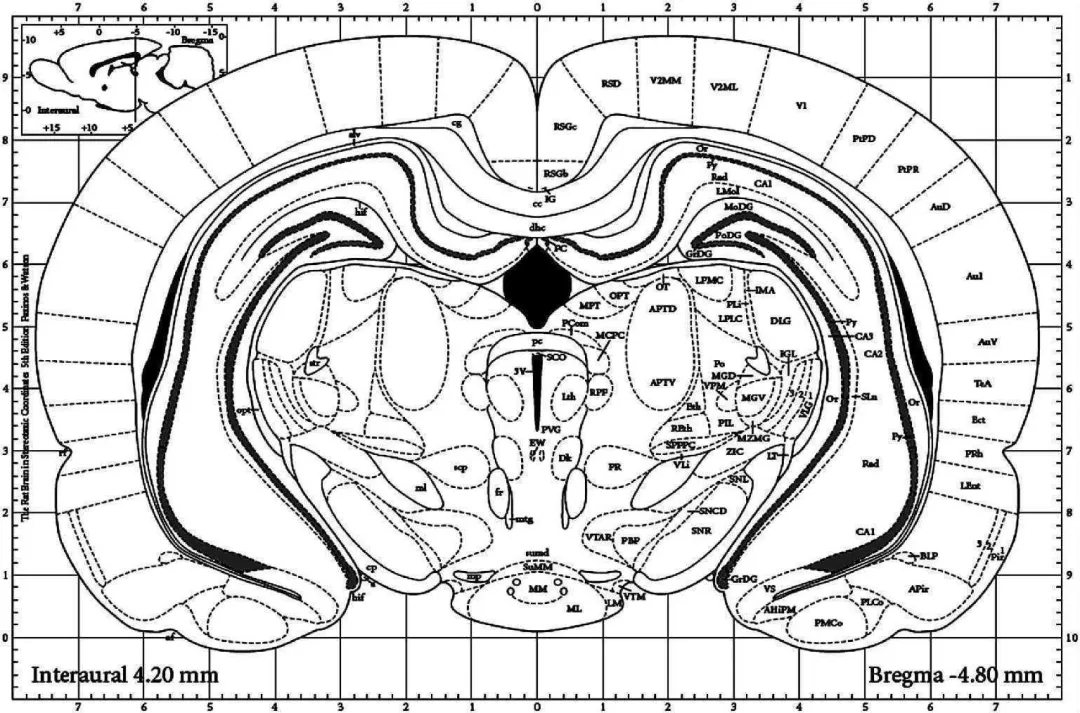
For example, just as we use a map to locate a specific location in a city, we need to know its coordinate information, such as longitude and latitude. A stereotaxic device uses these cranial landmarks to construct a coordinate system. Without directly exposing the brain's internal structures, it can conduct targeted stimulation, disruption, drug injection, and potential guidance on target neural structures. This coordinate-based positioning method provides a precise and controllable means for neuroscience research, allowing researchers to delve into the microscopic world of the brain and explore the mysteries of neural structure and function.
Application Areas
01. Establishment of disease animal models1. Parkinson's disease animal model: Parkinson's disease is a common neurodegenerative disorder that severely impacts patients' quality of life. When studying the pathogenesis and treatment of Parkinson's disease, researchers use a stereotaxic device to precisely inject specific neurotoxins (such as 6-hydroxydopamine) into the substantia nigra and other relevant areas of the animal brain, mimicking the neural damage process of human Parkinson's disease, thereby establishing an animal model of Parkinson's disease.
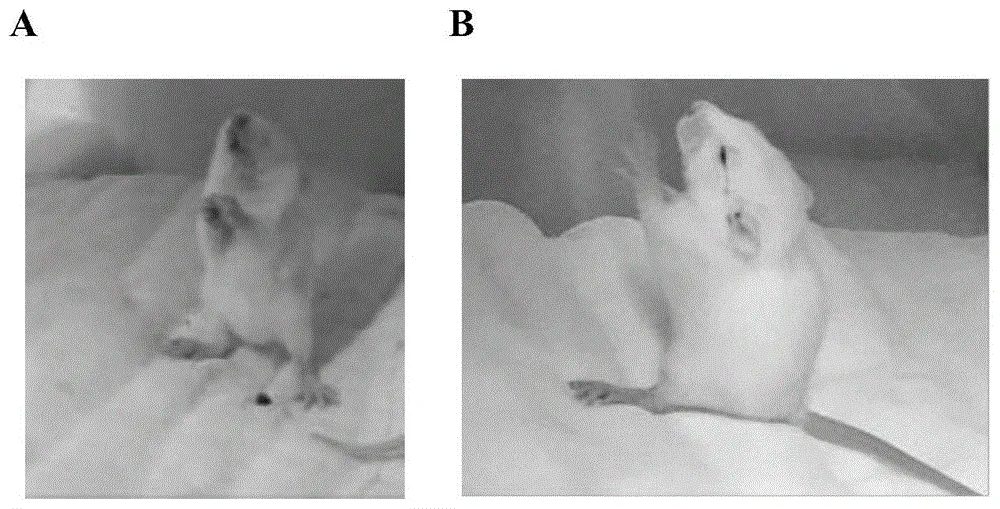
3. Brain tumor models: Stereotactic imaging also plays a key role in brain tumor research. Researchers can precisely implant tumor cells (such as glioma cells) into specific locations in the animal brain to create brain tumor models.
1. Learning and memory research: Learning and memory are one of the advanced functions of the brain, and their neural mechanisms have always been a hot topic in neuroscience research.Using a stereotaxic device, researchers inject electrodes or drugs into brain regions related to learning and memory (such as the hippocampus and prefrontal cortex). By recording neural electrical activity or observing the effects of drugs on behavior, they delve deeper into the neural mechanisms of learning and memory.
2. Research on the Correlation between Neural Activity and Behavior: Stereotactic brain positioning can also be used to implant electrodes to record electrical activity in brain regions. Combined with behavioral observations, this can be used to analyze the correlation between brain function and behavior. For example, when studying animal motor control, electrodes can be implanted in the motor cortex to record neuronal discharge activity while simultaneously observing the animal's motor behavior, thereby revealing the neural mechanisms of motor cortex motor control. This research method has been widely reported in high-profile journals such as the Journal of Neuroscience, providing important experimental evidence for our understanding of how the brain controls behavior.
1. Neural stem cell transplantation in the brain: Neural stem cell transplantation is a potential method for treating neurological diseases, and the brain stereotaxic device plays a key positioning role in it.Researchers can use a stereotaxic device to precisely transplant neural stem cells into damaged areas of the brain, hoping that the neural stem cells can differentiate into the required neurons and repair damaged neural tissue.
For example, in spinal cord injury research, researchers use a stereotaxic device to transplant neural stem cells into the injured spinal cord to observe their survival, differentiation, and impact on spinal cord function recovery. This research has brought new hope to the treatment of neurological diseases, with many findings published in authoritative journals such as Cell Stem Cell.
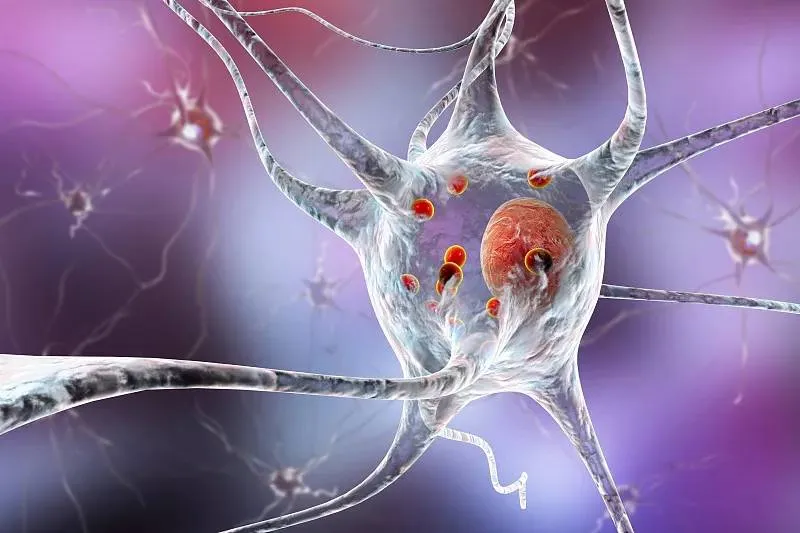
2. Gene therapy research: Gene therapy is an emerging treatment method that treats diseases by altering a patient's genes. Stereotactic brain positioning devices can be used to accurately deliver viral vectors (such as adeno-associated virus (AAV)) carrying therapeutic genes to specific areas of the brain for gene therapy research.
Product Performance
01. Positioning accuracyTaking the standard stereotaxic apparatus as an example, its moving distance reading accuracy can reach 10 microns. Such high precision can meet the needs of various experiments with extremely high positioning requirements, ensuring that experimental operations can accurately reach the target neural structure, and providing a solid guarantee for the accuracy and reliability of experimental results.
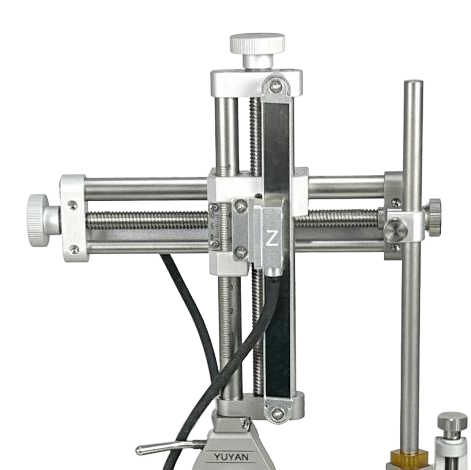
02. Manipulator flexibility
The manipulator arm is designed to be extremely flexible, with 360-degree rotation and 180-degree swing capability. This allows researchers to manipulate experimental objects from various angles and easily adjust the position of experimental tools such as electrodes and injection catheters to suit different experimental needs.
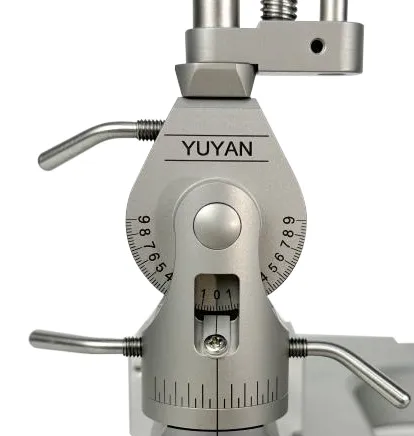
03. Three-dimensional propulsion stroke and positioning function
With a three-dimensional propulsion range of 80mm, it enables precise positioning in up and down, left and right, front and back, and rotation. Experimenters can freely adjust the position of experimental tools in three dimensions to accurately reach target areas in the brain and perform various experimental operations, such as injecting drugs and recording neural electrical activity.
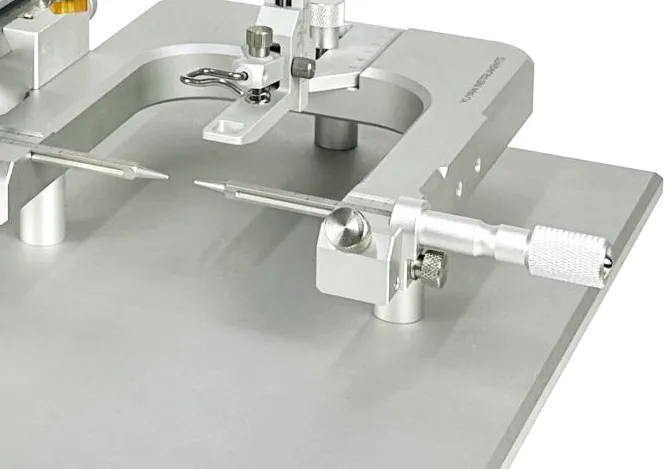
04. Material and size
Made of alloy materials, it ensures the instrument is both durable and lightweight. It is easy to move and place in the laboratory without taking up too much experimental space, and is also easy to carry to different experimental sites for use.
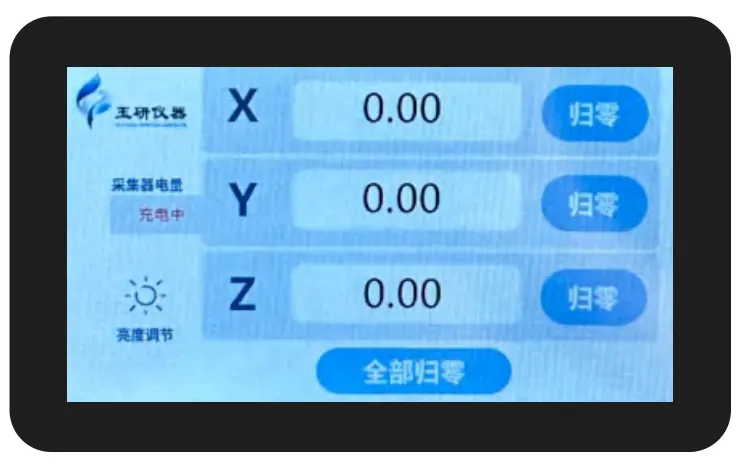
05.Digital display
The digital LCD display can directly read the moving distance of the X, Y, and Z axes. The three-dimensional operating arm display can also be calibrated to zero at any point. Experimenters can directly locate according to the map, avoiding secondary readings and calculations, greatly simplifying the experimental operation process and improving experimental efficiency.

06. Arm extension
When the manipulator uses the dual-manipulator mode, it can record and stimulate simultaneously and achieve rapid positioning. The universal contact makes it easy for the experimenter to move the electrode horizontally or vertically. The locking device can fix the electrode at any angle to ensure that the electrode will not slip during the experiment.
Looking to the Future: Leading a New Era in Neuroscience
With the continuous deepening of neuroscience research and the rapid development of technology, the application prospects of brain stereotaxic devices will be broader.In the future, Yuyan will launch a more intelligent and automated brain stereotactic instrument to provide a more convenient and efficient tool for neuroscience research.At the same time, with the growing demand for neuroscience research results in the medical field, brain stereotactic positioning devices are also expected to play a greater role in neurosurgery, neurorehabilitation treatment and other fields, and contribute more to human health.
User List
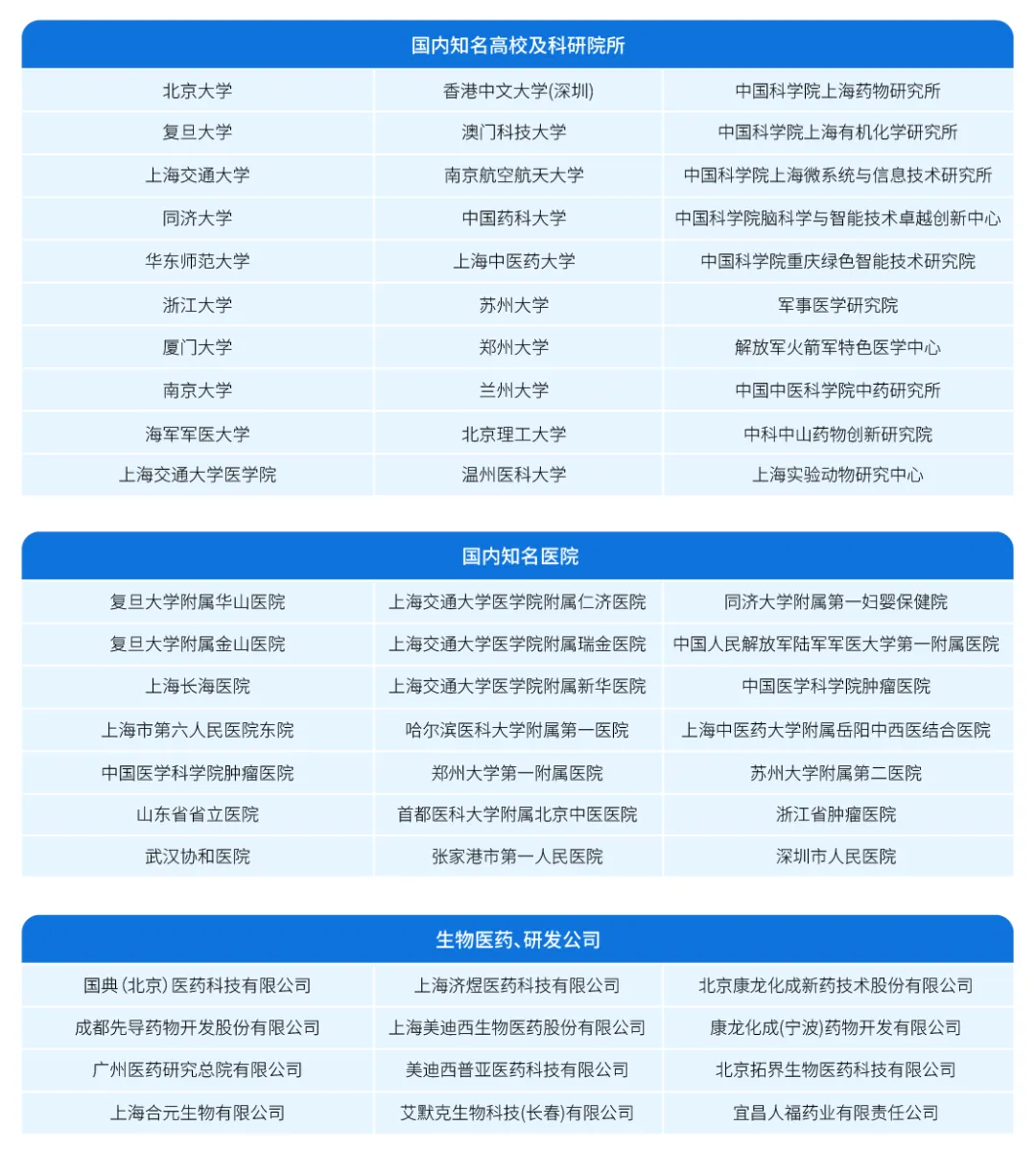
Some user documentation
1.Li, Qiuying et al. "Armcx1 Reduces Neurological Damage Via a Mitochondrial Transport Pathway Involving Miro1 After Traumatic Brain Injury." Neuroscience vol. 545 (2024): 111-124. doi:10.1016/j.neuroscience.2024.03.009
2.Wang, Chaoyu et al. "Tetramethylpyrazine protects mitochondrial function by up-regulation of TFAM and inhibition of neuronal apoptosis in a rat model of surgical brain injury." Iranian journal of basic medical sciences vol. 27,
3.(2024): 352-359. doi:10.22038/IJBMS.2023.72947.15862 3.Duan, R., Hong, CG, Chen, ML, Wang,
4.Xia, Pengcheng et al. "MicroRNA-22-3p ameliorates Alzheimer's disease by targeting SOX9 through the NF-κB signaling pathway in the hippocampus." Journal of neuroinflammation vol. 19,1 180. 12 Jul. 2022, doi:10.1186/s12974-022-02548-1
5. Chen, Meng-Lu et al. "Inhibition of miR-331-3p and miR-9-5p ameliorates Alzheimer's disease by enhancing autophagy." Theranostics vol. 11,5 2395-2409. 1 Jan. 2021, doi:10.7150/thno.47408
6.Shen, Jie et al. "PDGFR-beta signaling mediates endogenous neurogenesis after postischemic neural stem/progenitor cell transplantation in mice." Brain injury vol. 37,12-14 (2023): 1345-1354. doi:10.1080/02699052.2023.2280894
7. Wu, Muyao et al. “The Blood Component Iron Causes Neuronal Apoptosis Following Intracerebral Hemorrhage via the PERK Pathway.” Frontiers in neurology vol. 11 588548. 7 Dec. 2020, doi:10.3389/fneur.2020.588548
8. Jiang C, Wu X, Wang J, Li C, Luo G. Activation of CB1 pathway in the perirhinal cortex is necessary but not sufficient for destabilization of contextual fear memory in rats. Behavioral Brain Research. 2022;416:113573.
9. Liu Z, Li H, Hong C, et al. ALS-associated E478G mutation in human OPTN (Optineurin) promotes inflammation and induces neuronal cell death. Frontiers in immunology. 2018;9:2647.
10.Zhang Z, Chen W, Luan J, Chen D, Liu L, Feng X. Ameliorative effects of olibanum essential oil on learning and memory in Aβ1-42-induced Alzheimer's disease mouse model. Tropical Journal of Pharmaceutical Research. 2020;19(8):1643-1651.
11.Wang Y, Zhang H, Hua L, et al. Curcumin prevents Alzheimer's disease progression by upregulating JMJD3. American Journal of Translational Research. 2022;14(8):5280.
12.Shi M, Gong Y, Wu M, et al. Downregulation of TREM2/NF-кB signaling may damage the blood-brain barrier and aggravate neuronal apoptosis in experimental rats with surgically injured brain. Brain Research Bulletin. 2022/06/01/ 2022;183:116-126.
13. Zhang BJ, Yuan CX. Effects of ADAM2 silencing on isoflurane-induced cognitive dysfunction via the P13K/Akt signaling pathway in immature rats. Biomedicine & Pharmacotherapy. 2019/01/01/ 2019;109:217-225.
14.Chen ML, Hong CG, Yue T, et al. Inhibition of miR-331-3p and miR-9-5p ameliorates Alzheimer's disease by enhancing autophagy. Theranostics. 2021;11(5):2395-2409.
15.Gong Y, Wu M, Shen J, et al. Inhibition of the NKCC1/NF-κB signaling pathway decreases inflammation and improves brain edema and nerve cell apoptosis in an SBI rat model. Frontiers in Molecular Neuroscience. 2021;14:641993.
16. Zhang D, Pan N, Jiang C, Hao M. LncRNA SNHG8 sponges miR-449c-5p and regulates the SIRT1/FoxO1 pathway to affect microglia activation and blood-brain barrier permeability in ischemic stroke. Journal of Leukocyte Biology. 2022/05/01 2022;111(5):953-966.
17. Zhou G, Ye Q, Xu Y, et al. Mitochondrial calcium uptake 3 mitigates cerebral amyloid angiopathy-related neuronal death and glial inflammation by reducing mitochondrial dysfunction. International Immunopharmacology. 2023/04/01/ 2023;117:109614.
18.Liu FX, Niu YG, Zhang DP, et al. Modified Protocol for Establishment of Intracranial Arterial Dolichoectasia Model by Injection of Elastase Into Cerebellomedullary Cistern in Mice. Frontiers in Neurology. 2022:748.
19.Xu Z, Lu W, Miao Y, Li H, Xie X, Zhang F. mRNA profiling reveals the potential mechanism of TIPE2 in attenuating cognitive deficits in APP/PS1 mice. International Immunopharmacology. 2020;87:106792.
2.Hu WB, Wang X, Pang ZL, Duan R, Hong CG, Liu ZZ. Neutralizing peripheral circulating IL1β slows the progression of ALS in a lentivirus‐infected OPTNE478G mouse model. Animal Models and Experimental Medicine. 2022.
21.Jiao, Yingfu et al. "Pre-treatment with morphine prevents lipopolysaccharide-induced acute respiratory distress syndrome in rats via activation of opioid receptors." Experimental cell research vol. 418,1 (2022): 113224. doi:10.1016/j.yexcr.2022.113224
22. Liu, Yamei et al. "Rescuing Kv10.2 protein changes cognitive and emotional function in kainic acid-induced status epilepticus rats." Epilepsy & behavior : E&B vol. 106 (2020): 106894. doi:10.1016/j.yebeh.2019.106894
23. Huang S, Hu W, Rao D, et al. RIPK3-Dependent Necroptosis Activates MCP-1-Mediated Inflammation in Mice after Intracerebral Hemorrhage. Journal of Stroke and Cerebrovascular Diseases. 2022;31(1):106213.

Self-developed core creates extraordinary strength
Shanghai Yuyan Scientific Instrument Co., Ltd., as a leading manufacturer of scientific research equipment in the industry, has been adhering to the core concept of "innovation drives development, and self-research creates quality" for 14 years since its establishment in 2010. It is committed to the independent research and development and production of scientific instruments. Its current product line covers multiple scientific research and application fields such as experimental animal husbandry, physiological signal acquisition, and neuroscience research. Not only does it continuously optimize and upgrade conventional instruments, but it also dares to explore cutting-edge technologies and has launched a series of high-end scientific instruments with independent intellectual property rights. The company's R&D personnel account for 40%, and it has a team of scientists in sensors, chip design, core algorithms, etc., and has professional teams to provide support in product implementation and operation, market and academic promotion, comprehensive product solution design and application. The company has service points covering the whole country and strong technical service capabilities. Its customers include Tsinghua University, Peking University, Zhejiang University, Shanghai Jiaotong University, University of Chinese Academy of Sciences, West China Hospital of Sichuan University, Northern Theater Command General Hospital and other first-class research institutions and hospitals at home and abroad.