




Technical Analysis | Ugo Basile Startle Reflex Prepulse Inhibition (PPI) Test System: A Key Tool for Detecting Sensorimotor Gating Function
Date:2025-08-12
Author:Yuyan Instrument
When an animal or human encounters a sudden and intense external stimulus, such as a deafening roar or a blinding flash of light, the body reacts immediately and without hesitation. An animal might instantly tense its muscles and jump in surprise; a human might involuntarily tremble, blink, or even experience a sudden acceleration of their heartbeat. This is the basic startle reflex. This primitive reaction actually hides the brain's unique "filtering" ability—sensory-motor gating.
PPI testing can effectively assess the effects of various psychiatric disorders and medications on sensorimotor gating function. In 2025, Sabrine Bilel's team at the University of Ferrara, Italy, published the study "Acute Effects of the Psychedelic Phenethylamine 25I-NBOMe in C57BL/6J Male Mice" in the International Journal of Molecular Sciences. The study revealed the mechanism of acute toxicity of 25I-NBOMe on the central nervous system, using the Ugo-Basile startle reflex prepulse inhibition (PPI) system as a key experimental tool.
A microdialysis probe was implanted in the nucleus accumbens shell (NAc shell), and DA release after injection of 25I-NBOME (0.1-1 mg/kg) was measured by HPLC.
Behavioral testing
Spontaneous locomotor activity: Mice were placed in 60 × 60 cm square plastic cages in a soundproof, light-proof room. Horizontal spontaneous locomotor activity was monitored using an Ugo Basile camera at multiple time points (0, 5, 30, 60, 120, 180, 240, and 300 minutes). Each time point was recorded for 5 minutes, and the duration of locomotor activity was measured in seconds.
Reaction time test: Place the mouse in the center of a 15×15 cm square open chamber and allow it to acclimate to the experimental environment for 5 minutes. Gently lift the mouse by the tail and place it 3 cm above the bottom of the chamber. Then lower it and measure the time from the mouse contacting the surface to the first movement of its limbs.
Drag test: Lift the mouse's tail, place its front paws on the table, and drag it backward for 100 cm at a speed of 20 cm/s. The number of steps taken by the front paws is recorded.
Accelerating Rotarod Test: The animal is placed on a rotating cylinder whose speed is automatically increased from 0 to 60 rpm over a 5-minute period, while the time the animal remains on the cylinder is measured.
PPI test
Using Ugo Basile's PPI testing system, equipped with a speaker to generate acoustic stimuli, a pressure sensor was used to detect the peak and amplitude of the mouse's startle response. The experiment involved a single pulse stimulus (120 dB) and three intensities of pre-pulse stimulation (68, 75, and 85 dB + 120 dB). After the mice had adapted to a 10-minute background noise (65 dB), a total of 40 single pulse stimulation and three intensities of pre-pulse stimulation were performed.
Synaptic plasticity assay
mPFC slices (350 μm) were prepared and excitatory postsynaptic potentials (fPSPs) were recorded. LTD and LTP were induced using low-frequency and high-frequency stimulation, respectively, to analyze the effects of 25I-NBOMe on synaptic plasticity.
Figure 1 Experimental schematic
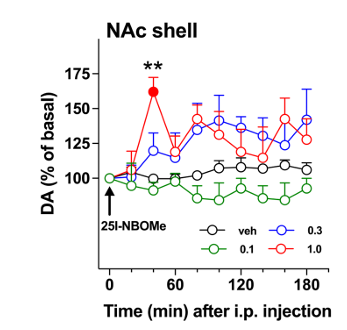
Figure 2 Effects of different doses of 25I-NBOMe on dopamine release in mice
The reaction time within 30 minutes in the 0.1-1.0 mg/kg dose group increased by 2-3 times compared with the control group, but there were no significant changes in the spontaneous motor activity, drag test and accelerating rotarod test of the mice, indicating that 25I-NBOMe mainly affects the sensory-motor integration function of mice.
Figure 3 Effects of different doses of 25I-NBOMe on the motor and reaction abilities of mice
The authors used the Ugo Basile startle reflex prepulse inhibition (PPI) test system and found that 15 minutes after administration, the PPI in the 0.1-1.0 mg/kg dose groups was significantly reduced, and the PPI inhibitory effect persisted after 120 minutes. This indicates that 25I-NBOMe will impair the animal's sensorimotor gating ability, and continued abnormality of this function will further induce mental illnesses such as perceptual distortion and cognitive disorder.
Figure 4 Effects of different doses of 25I-NBOMe on startle reflex and PPI in mice
Since hallucinogen abuse can disrupt the function of the medial prefrontal cortex, thereby impairing higher-level cognitive functions, the authors studied the effects of acute 25I-NBOMe treatment on long-term depression (LTD) and long-term potentiation (LTP) in the medial prefrontal cortex and found that 1 μM 25I-NBOMe did not affect fPSP and LTD, but completely blocked LTP formation, indicating that 25I-NBOMe can cause long-term cognitive impairment.
Figure 5 Effects of 25I-NBOMe on synaptic responses and synaptic plasticity in mice
The pressure sensor sensitivity and sound intensity can be calibrated directly through firmware or software without manual intervention, and support unified sensitivity across multiple test chambers. The CBOARD01 control board enables rapid switching between the PPI and conditioned fear (FC) modules without the need for manual plugging and unplugging of devices. The AUX1 (stimulus association) and AUX2 (environmental control) signals are accessible through a TTL interface, adapting to diverse experimental protocols.
The software is powerful and highly adaptable
Sensor sensitivity can be directly calibrated through firmware/software, test chamber numbers can be customized, and there is no need for operating system restrictions. Experimental protocols are designed through "module splicing" graphical programming, without the need for code knowledge.
Multimodal stimulation and high flexibility
A variety of prepulse and main pulse stimulations are provided, including white noise, frequency noise, light, and air blowing. The noise intensity ranges from 65-120dB and the frequency ranges from 100Hz to 18kHz. The number of experiments, stimulation type, and time interval (such as prepulse-pulse interval) can all be customized to meet the needs of different research designs.
High throughput and strong scalability
It supports up to 4 channels of simultaneous testing, greatly improving experimental efficiency. The test box has built-in electronic components and can be seamlessly upgraded to a conditioned fear system by adding cameras and software.
Adaptable to various animal models
We offer a variety of sizes of holders to accommodate rodents of varying weights (mice and rats, ranging from under 100 grams to 400 grams), ensuring experimental stability and accuracy.
Drug development and screening: Evaluate the effects of candidate drugs on sensorimotor gating, such as whether antipsychotic drugs can reverse PPI deficits in model animals, to provide behavioral evidence for drug efficacy.
Toxicological evaluation: Detect the neurotoxicity of new psychoactive substances (NPS), determine their potential harm to cognitive function through the degree of PPI abnormality, and provide experimental support for drug regulation.
Sensorimotor gating function
Sensorimotor gating helps us screen out irrelevant sensory stimuli and avoid information overload. Prepulse inhibition (PPI) is a key measure of this function: when a weak stimulus that doesn't elicit a startle reflex precedes a stronger stimulus, it significantly suppresses the startle reflex evoked by the subsequent stronger stimulus. However, the brains of people with mental illnesses struggle to effectively filter redundant information, resulting in significantly reduced PPI levels, which can lead to symptoms such as cognitive impairment and hallucinations.PPI testing can effectively assess the effects of various psychiatric disorders and medications on sensorimotor gating function. In 2025, Sabrine Bilel's team at the University of Ferrara, Italy, published the study "Acute Effects of the Psychedelic Phenethylamine 25I-NBOMe in C57BL/6J Male Mice" in the International Journal of Molecular Sciences. The study revealed the mechanism of acute toxicity of 25I-NBOMe on the central nervous system, using the Ugo-Basile startle reflex prepulse inhibition (PPI) system as a key experimental tool.
Background
25I-NBOMe (commonly known as "N-Bomb") is widely abused as a substitute for the potent hallucinogen lysergic acid diethylamide (LSD). Due to its strong 5-HT receptor agonist activity, it can induce hallucinations, tachycardia, and other symptoms. Although studies have suggested that it may affect dopamine transmission and motor function, its acute effects on sensory gating (such as prepulse inhibition (PPI)) and synaptic plasticity remain largely unexplored.Experimental methods
Dopamine dynamic monitoringA microdialysis probe was implanted in the nucleus accumbens shell (NAc shell), and DA release after injection of 25I-NBOME (0.1-1 mg/kg) was measured by HPLC.
Behavioral testing
Spontaneous locomotor activity: Mice were placed in 60 × 60 cm square plastic cages in a soundproof, light-proof room. Horizontal spontaneous locomotor activity was monitored using an Ugo Basile camera at multiple time points (0, 5, 30, 60, 120, 180, 240, and 300 minutes). Each time point was recorded for 5 minutes, and the duration of locomotor activity was measured in seconds.
Reaction time test: Place the mouse in the center of a 15×15 cm square open chamber and allow it to acclimate to the experimental environment for 5 minutes. Gently lift the mouse by the tail and place it 3 cm above the bottom of the chamber. Then lower it and measure the time from the mouse contacting the surface to the first movement of its limbs.
Drag test: Lift the mouse's tail, place its front paws on the table, and drag it backward for 100 cm at a speed of 20 cm/s. The number of steps taken by the front paws is recorded.
Accelerating Rotarod Test: The animal is placed on a rotating cylinder whose speed is automatically increased from 0 to 60 rpm over a 5-minute period, while the time the animal remains on the cylinder is measured.
PPI test
Using Ugo Basile's PPI testing system, equipped with a speaker to generate acoustic stimuli, a pressure sensor was used to detect the peak and amplitude of the mouse's startle response. The experiment involved a single pulse stimulus (120 dB) and three intensities of pre-pulse stimulation (68, 75, and 85 dB + 120 dB). After the mice had adapted to a 10-minute background noise (65 dB), a total of 40 single pulse stimulation and three intensities of pre-pulse stimulation were performed.
Synaptic plasticity assay
mPFC slices (350 μm) were prepared and excitatory postsynaptic potentials (fPSPs) were recorded. LTD and LTP were induced using low-frequency and high-frequency stimulation, respectively, to analyze the effects of 25I-NBOMe on synaptic plasticity.
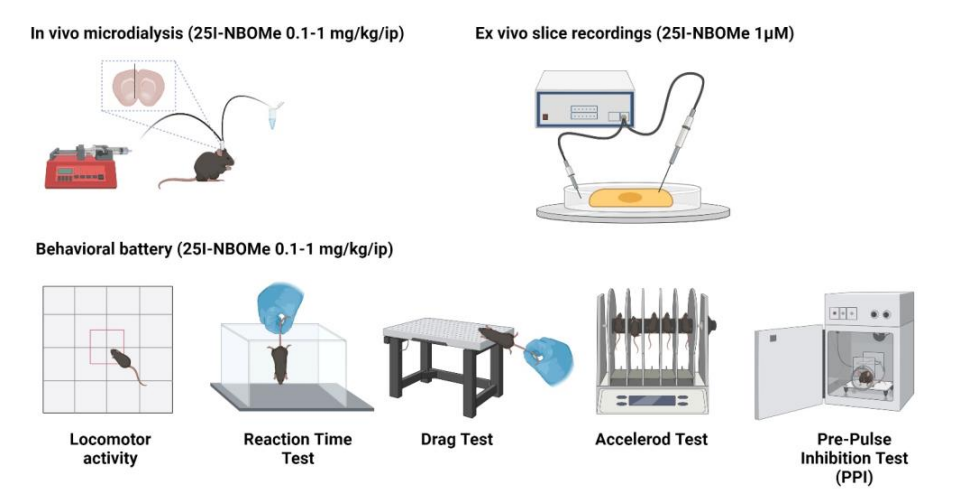
Figure 1 Experimental schematic
Experimental Conclusion
The study found that 40 minutes after administration of 1.0 mg/kg 25I-NBOMe, the NAc shell dopamine level increased by 60% compared with the control group and lasted for 80 minutes; the 0.3 mg/kg 25I-NBOMe dose had no acute peak, but still maintained a high level after 3 hours, indicating that high-dose 25I-NBOMe can continuously activate the brain reward circuit and enhance its abuse potential.Figure 2 Effects of different doses of 25I-NBOMe on dopamine release in mice
The reaction time within 30 minutes in the 0.1-1.0 mg/kg dose group increased by 2-3 times compared with the control group, but there were no significant changes in the spontaneous motor activity, drag test and accelerating rotarod test of the mice, indicating that 25I-NBOMe mainly affects the sensory-motor integration function of mice.
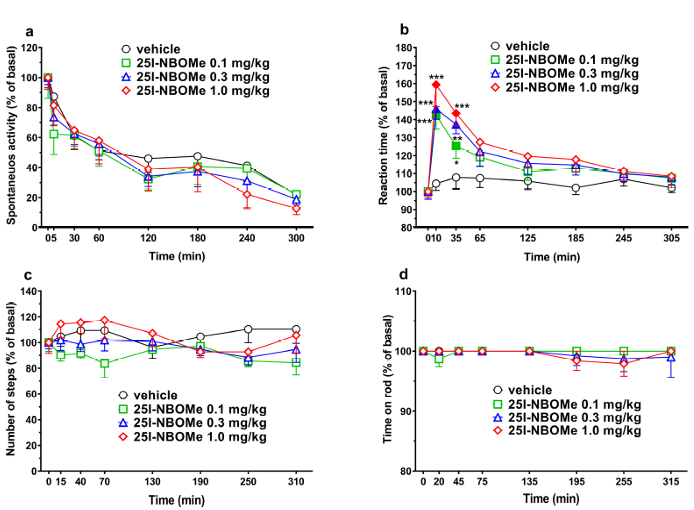
Figure 3 Effects of different doses of 25I-NBOMe on the motor and reaction abilities of mice
The authors used the Ugo Basile startle reflex prepulse inhibition (PPI) test system and found that 15 minutes after administration, the PPI in the 0.1-1.0 mg/kg dose groups was significantly reduced, and the PPI inhibitory effect persisted after 120 minutes. This indicates that 25I-NBOMe will impair the animal's sensorimotor gating ability, and continued abnormality of this function will further induce mental illnesses such as perceptual distortion and cognitive disorder.
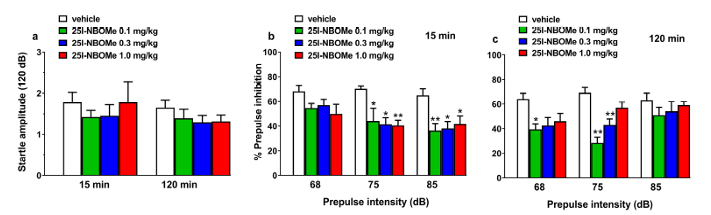
Figure 4 Effects of different doses of 25I-NBOMe on startle reflex and PPI in mice
Since hallucinogen abuse can disrupt the function of the medial prefrontal cortex, thereby impairing higher-level cognitive functions, the authors studied the effects of acute 25I-NBOMe treatment on long-term depression (LTD) and long-term potentiation (LTP) in the medial prefrontal cortex and found that 1 μM 25I-NBOMe did not affect fPSP and LTD, but completely blocked LTP formation, indicating that 25I-NBOMe can cause long-term cognitive impairment.
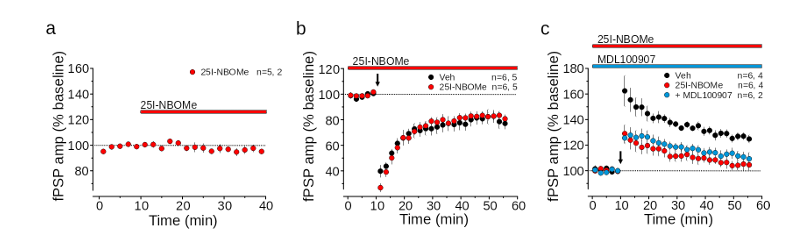
Figure 5 Effects of 25I-NBOMe on synaptic responses and synaptic plasticity in mice
Research Conclusions
Acute administration of the synthetic hallucinogen 25I-NBOMe dose-dependently increases dopamine release in the nucleus accumbens shell of mice, prolongs reaction time, disrupts prepulse inhibition (PPI), and irreversibly inhibits long-term potentiation (LTP) in the medial prefrontal cortex (mPFC). This effect is independent of 5-HT₂ₐ receptor activation. These results indicate the neurochemical and behavioral effects of 25I-NBOMe in the cortical and subcortical regions. The article emphasizes the need to be vigilant against the dangers of abuse of this new psychoactive substance.Ugo Basile Startle Reflex Prepulse Inhibition (PPI) Test System
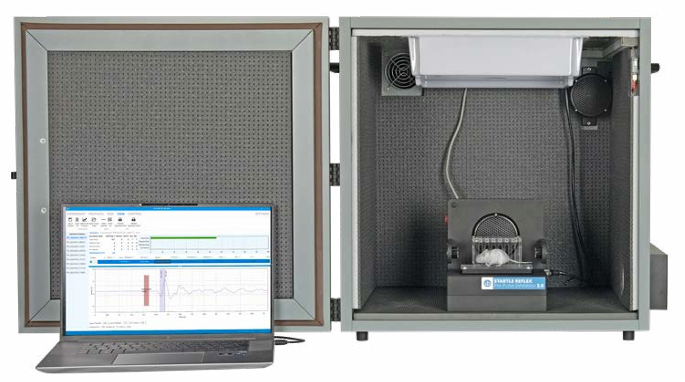
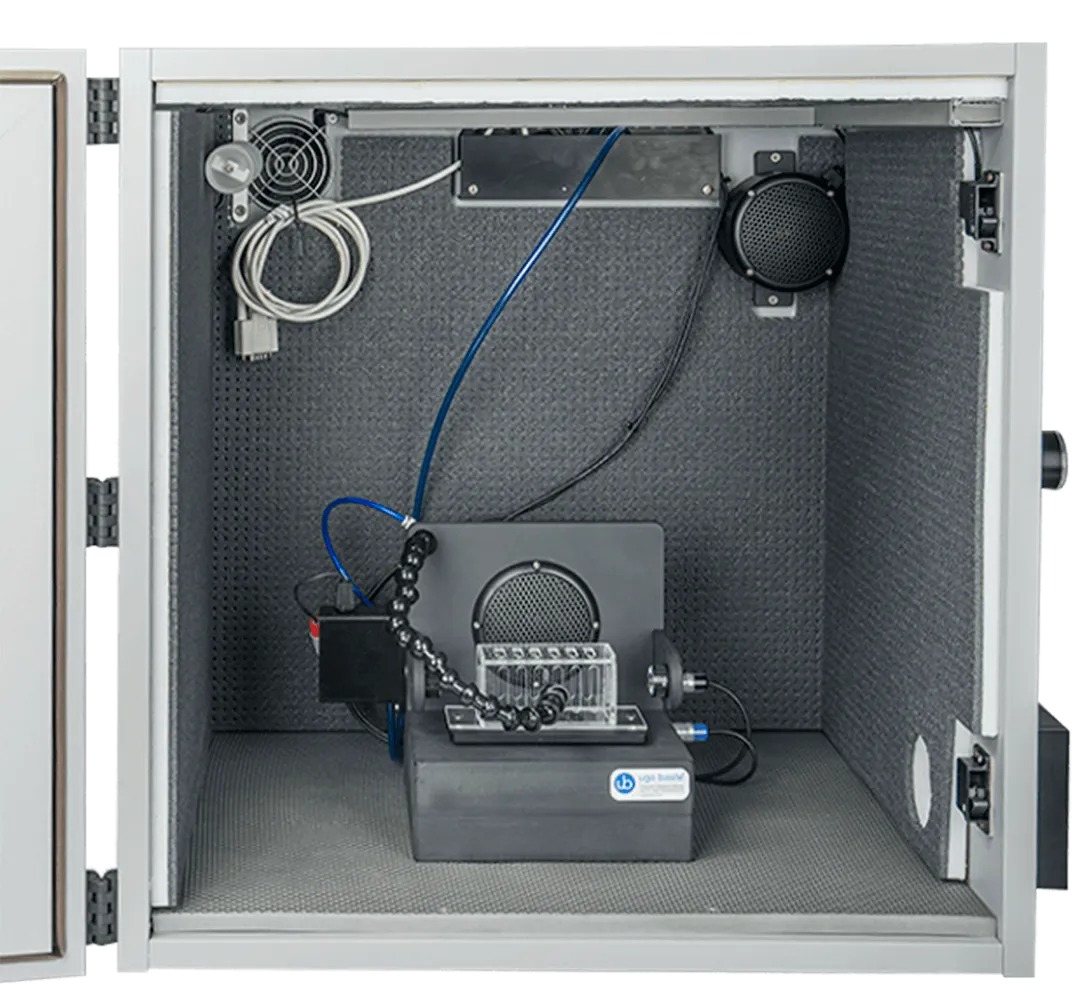
The Ugo Basile startle reflex prepulse inhibition (PPI) test system is primarily used to evaluate sensorimotor gating function in rodents (mice and rats), facilitating research into abnormal sensorimotor gating mechanisms in diseases such as schizophrenia and Alzheimer's disease. It can also be applied to drug screening and neural mechanism exploration. The system fully automates experimental preparation and data analysis, supports multi-channel parallel testing, and is compatible with expansion modules such as conditioned fear, making it a core tool for neuroscience and behavioral research.Features
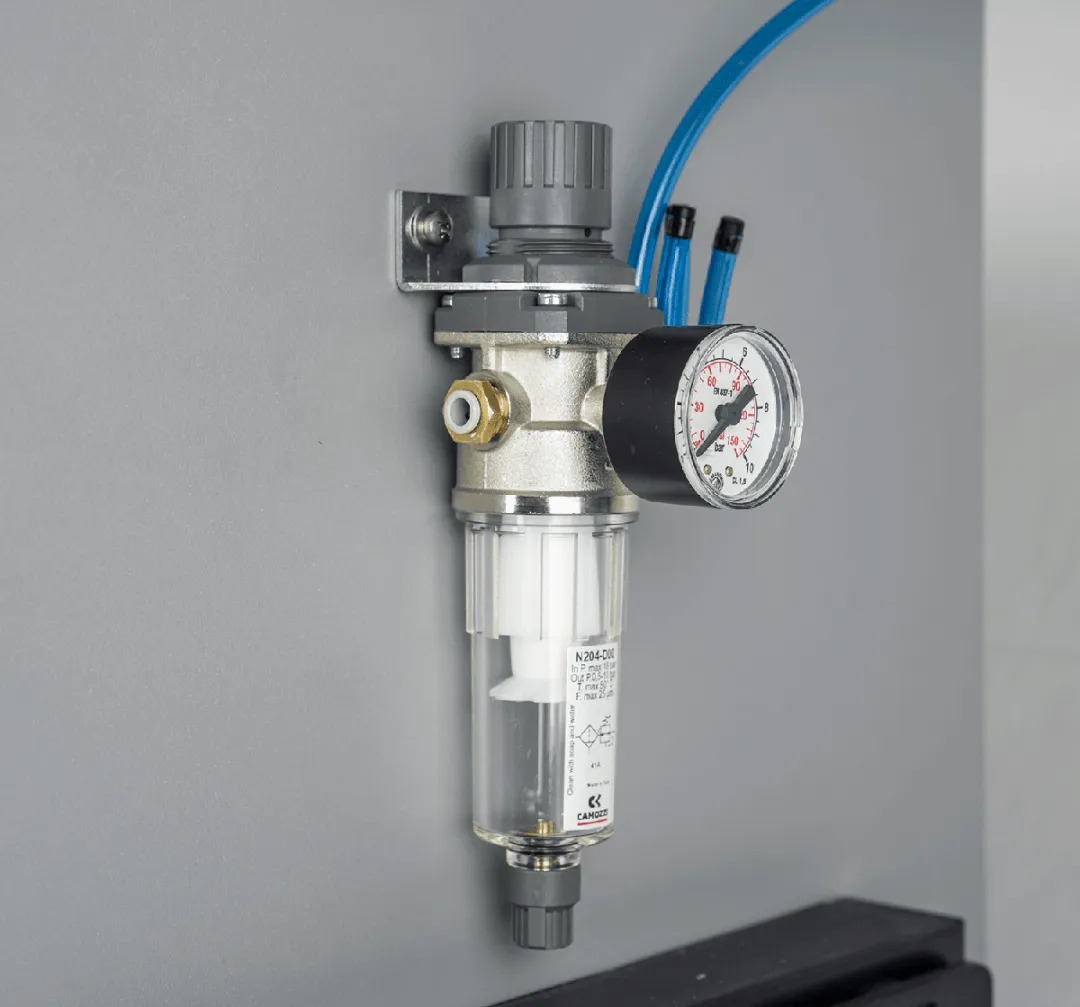
Standardized operation, more convenient to useThe pressure sensor sensitivity and sound intensity can be calibrated directly through firmware or software without manual intervention, and support unified sensitivity across multiple test chambers. The CBOARD01 control board enables rapid switching between the PPI and conditioned fear (FC) modules without the need for manual plugging and unplugging of devices. The AUX1 (stimulus association) and AUX2 (environmental control) signals are accessible through a TTL interface, adapting to diverse experimental protocols.
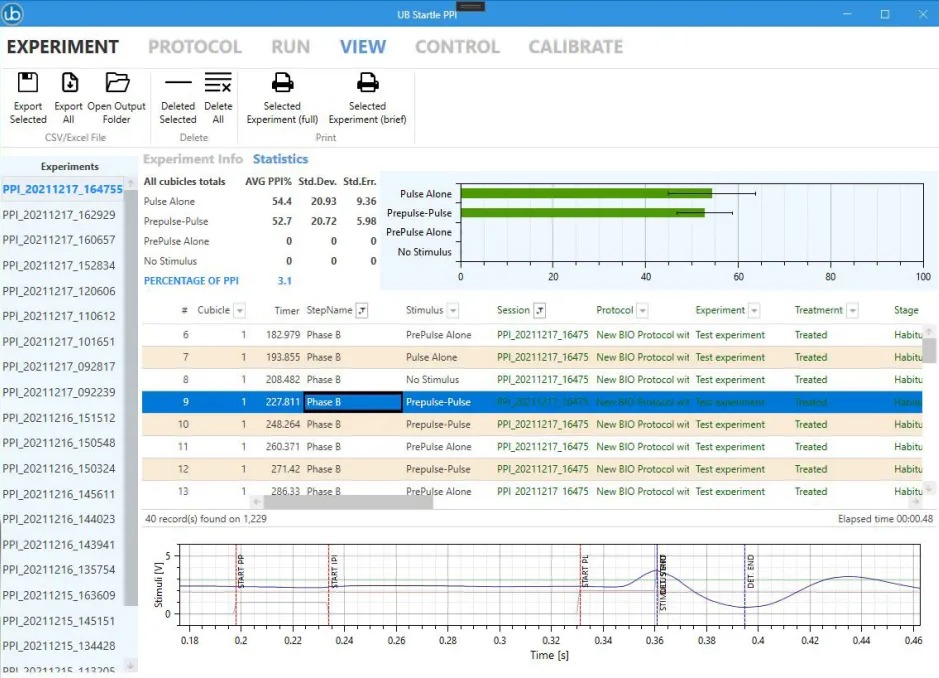
The software is powerful and highly adaptable
Sensor sensitivity can be directly calibrated through firmware/software, test chamber numbers can be customized, and there is no need for operating system restrictions. Experimental protocols are designed through "module splicing" graphical programming, without the need for code knowledge.
Multimodal stimulation and high flexibility
A variety of prepulse and main pulse stimulations are provided, including white noise, frequency noise, light, and air blowing. The noise intensity ranges from 65-120dB and the frequency ranges from 100Hz to 18kHz. The number of experiments, stimulation type, and time interval (such as prepulse-pulse interval) can all be customized to meet the needs of different research designs.
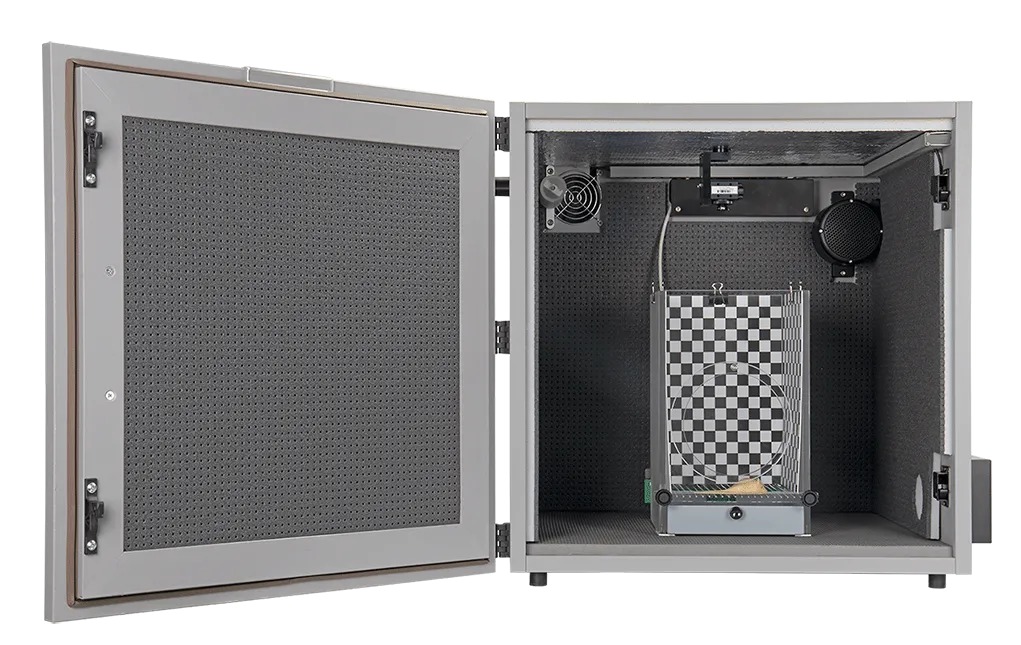
High throughput and strong scalability
It supports up to 4 channels of simultaneous testing, greatly improving experimental efficiency. The test box has built-in electronic components and can be seamlessly upgraded to a conditioned fear system by adding cameras and software.
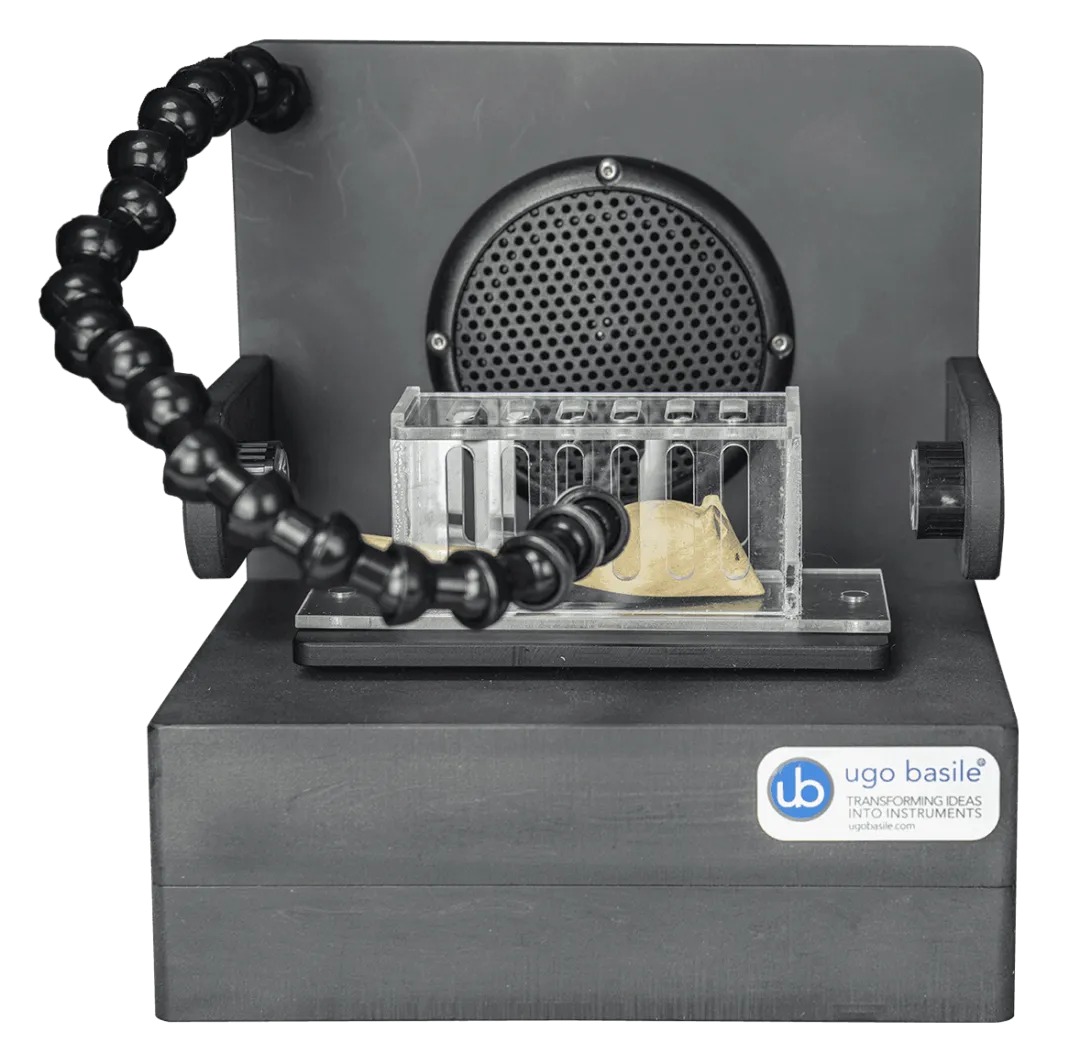
Adaptable to various animal models
We offer a variety of sizes of holders to accommodate rodents of varying weights (mice and rats, ranging from under 100 grams to 400 grams), ensuring experimental stability and accuracy.
Application Directions
Mental illness research: Commonly used to verify disease models such as schizophrenia, autism, and obsessive-compulsive disorder. These diseases are often accompanied by PPI defects, and the pathological mechanisms can be explored by detecting PPI changes.Drug development and screening: Evaluate the effects of candidate drugs on sensorimotor gating, such as whether antipsychotic drugs can reverse PPI deficits in model animals, to provide behavioral evidence for drug efficacy.
Toxicological evaluation: Detect the neurotoxicity of new psychoactive substances (NPS), determine their potential harm to cognitive function through the degree of PPI abnormality, and provide experimental support for drug regulation.