

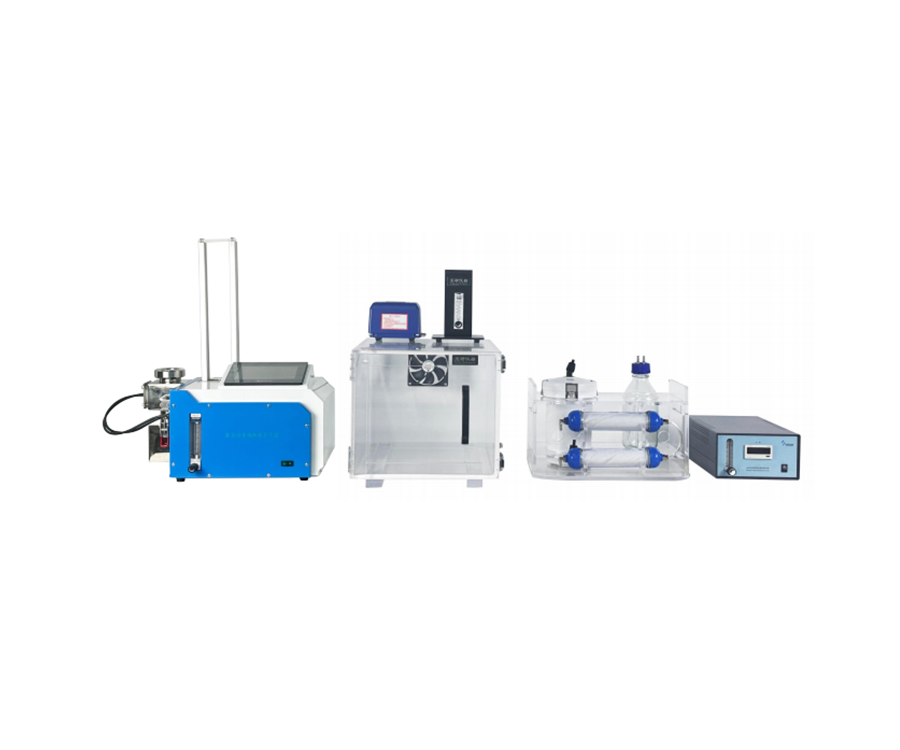
Small Animal Aerosol Atomization Exposure Chamber
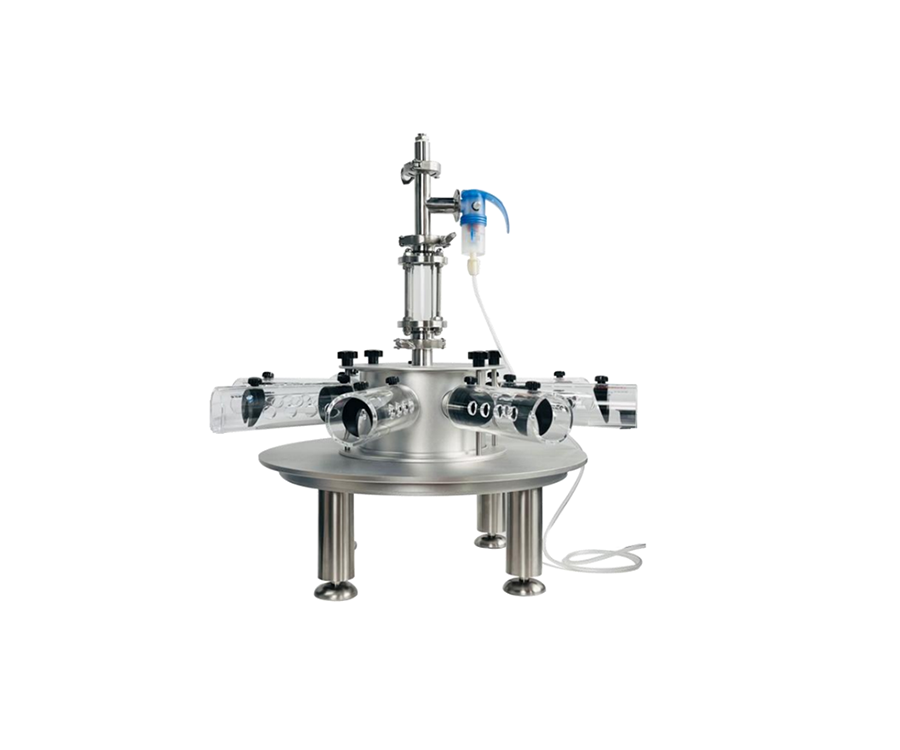
The small animal aerosol atomization exposure chamber (whole-body exposure system) achieves whole-body exposure by controlling the air composition within the chamber, allowing animals to inhale aerosols, gases, or vapors evenly during natural breathing. This method simulates a real environment, placing animals in a state closer to actual exposure and more scientifically reflecting the comprehensive effects of toxins on the body.
 Phone Consultation
 Follow us
- Introduction
- Features
- More Recommendations
Introduction
Small animal aerosol nebulization exposure chambers (whole-body exposure systems) achieve whole-body exposure by controlling the air composition within the chamber, allowing animals to uniformly inhale aerosols, gases, or vapors through natural respiration. The principle involves using a generator or nebulizer to produce and distribute a stable aerosol, which the animal can freely move and continuously inhale. This method provides uniform exposure, controllable conditions, and results that more closely resemble actual environmental effects. The system is typically equipped with concentration monitoring and adjustment devices to ensure stability, and features ventilation and exhaust gas removal functions to ensure the safety of the experimental environment and operators.
Features
Supports simultaneous experiments with multiple animals:Multiple enclosure sizes are available, and multiple animal models can be created simultaneously, saving time and ensuring good consistency.
Fresh air provided:Off-flow air supply can provide fresh air to animals in the enclosure for an extended period of sensitization, while maintaining proper temperature and humidity levels within the enclosure.
Two atomizing heads are available.:Two nebulizer heads are available with atomized particle diameters of 2.5~4μm and 4~6μm to ensure that the nebulized drug is deposited into the animal's lungs.
Available in transparent acrylic and stainless steel enclosures. Both types allow mice and rats to move freely within their enclosures. Various sizes and specifications are available, and custom orders are also accepted.
Note: The actual number of animals that can be accommodated varies depending on the age and weight of the animals. Nebulization and exposure devices are used in biosafety cabinets depending on the characteristics of the drug. Please select the appropriate exposure chamber size based on the type and number of laboratory animals being exposed.
Aerosol atomizer
It can be used with the Aerogen Pro atomizer and the Aerogen Solo atomizer; This atomizer uses palladium alloy vibration mesh technology, with a central orifice plate diameter of 5mm and 1000 precisely shaped micropores evenly distributed. It vibrates 128,000 times per second to form aerosol droplets that are very conducive to precipitation into the lungs.
Main parameters of the atomizing head:
The image below shows the Collison aerosol generator, along with an animal exposure chamber and compressor pump, used for whole-body animal exposure therapy.
Fresh air provided:Off-flow air supply can provide fresh air to animals in the enclosure for an extended period of sensitization, while maintaining proper temperature and humidity levels within the enclosure.
Two atomizing heads are available.:Two nebulizer heads are available with atomized particle diameters of 2.5~4μm and 4~6μm to ensure that the nebulized drug is deposited into the animal's lungs.
Product composition
Whole body exposure boxAvailable in transparent acrylic and stainless steel enclosures. Both types allow mice and rats to move freely within their enclosures. Various sizes and specifications are available, and custom orders are also accepted.
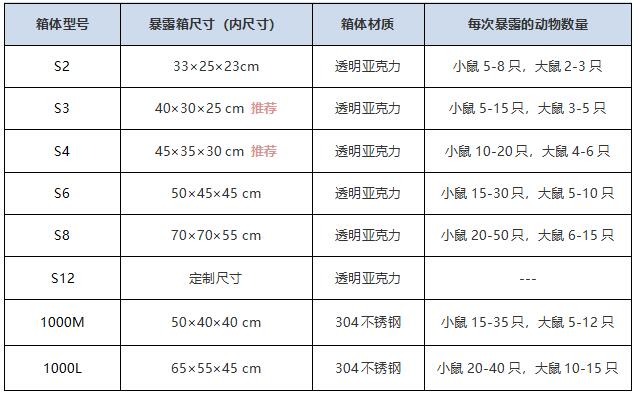
Note: The actual number of animals that can be accommodated varies depending on the age and weight of the animals. Nebulization and exposure devices are used in biosafety cabinets depending on the characteristics of the drug. Please select the appropriate exposure chamber size based on the type and number of laboratory animals being exposed.
Aerosol atomizer
It can be used with the Aerogen Pro atomizer and the Aerogen Solo atomizer; This atomizer uses palladium alloy vibration mesh technology, with a central orifice plate diameter of 5mm and 1000 precisely shaped micropores evenly distributed. It vibrates 128,000 times per second to form aerosol droplets that are very conducive to precipitation into the lungs.
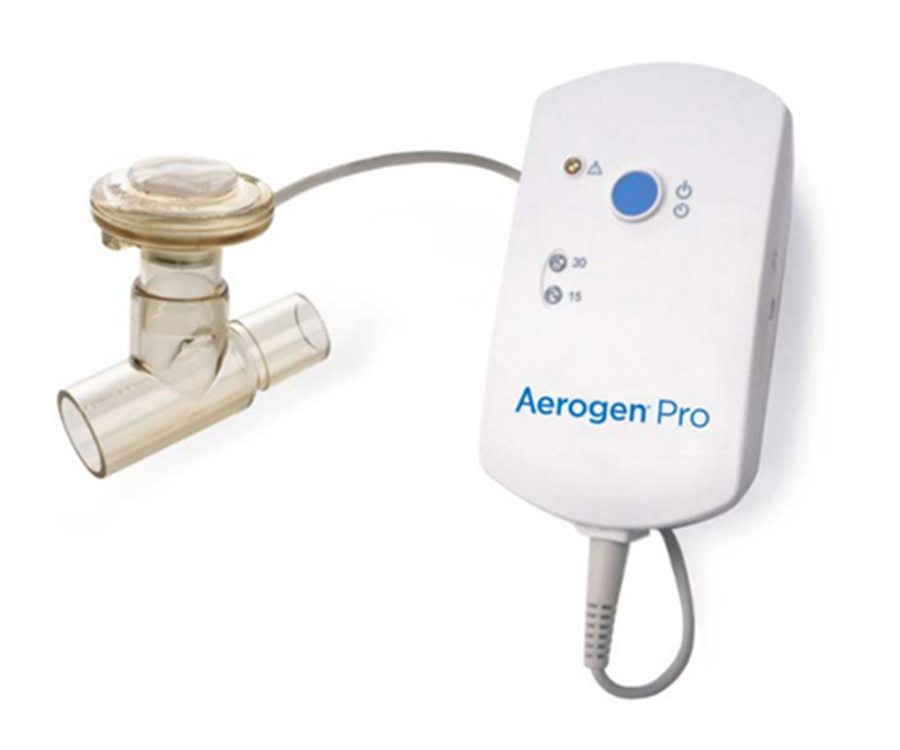
Model:Aerogen Pro
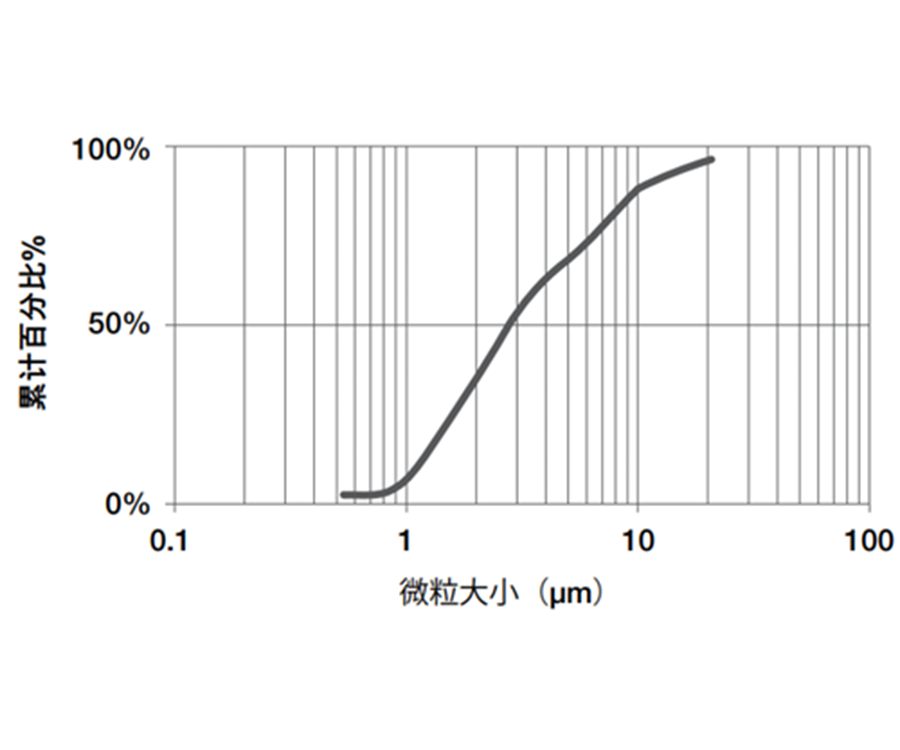
Atomized particulate matter particle size distribution
Main parameters of the atomizing head:
| Project | Content |
|---|---|
| Particle size | VMD (median diameter of volume):4μm - 6μm |
| Drug residue | <0.1mL |
| Atomization rate | 0.24mL/min |
| Maximum dosage | 10ml |
The image below shows the Collison aerosol generator, along with an animal exposure chamber and compressor pump, used for whole-body animal exposure therapy.
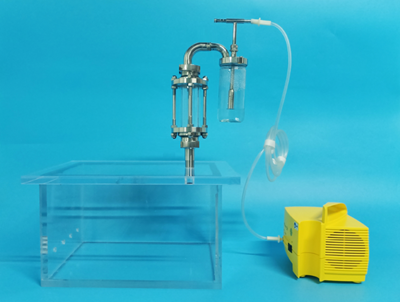
Diagram of total exposure to poison
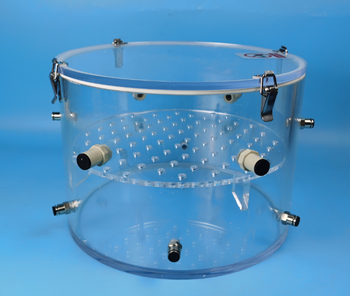
Custom animal poisoning boxes
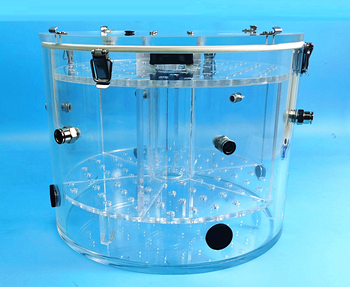
Custom animal poisoning boxes