

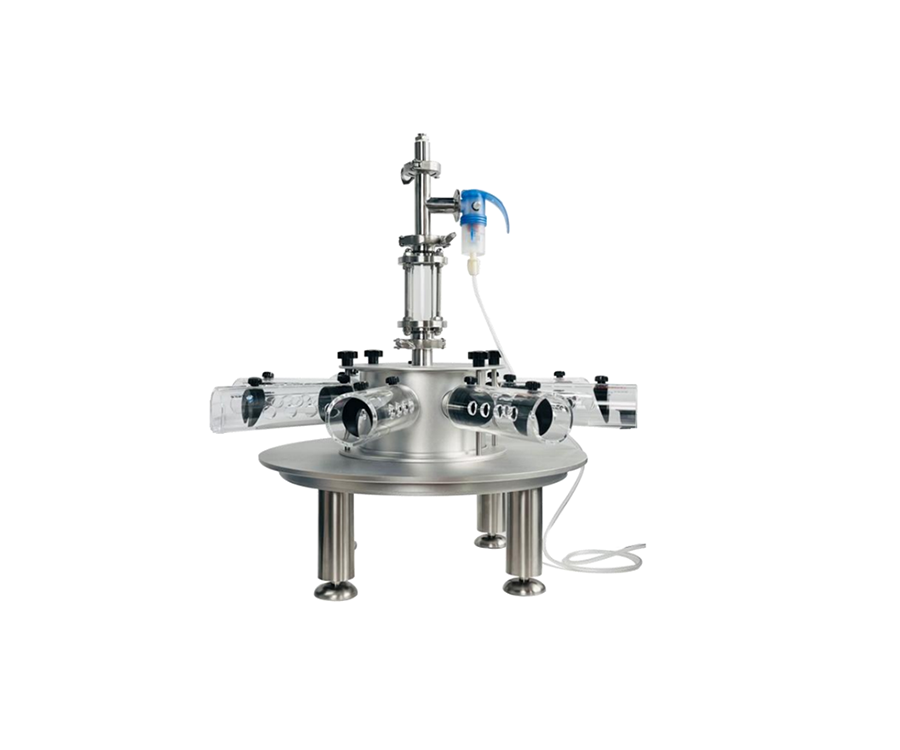
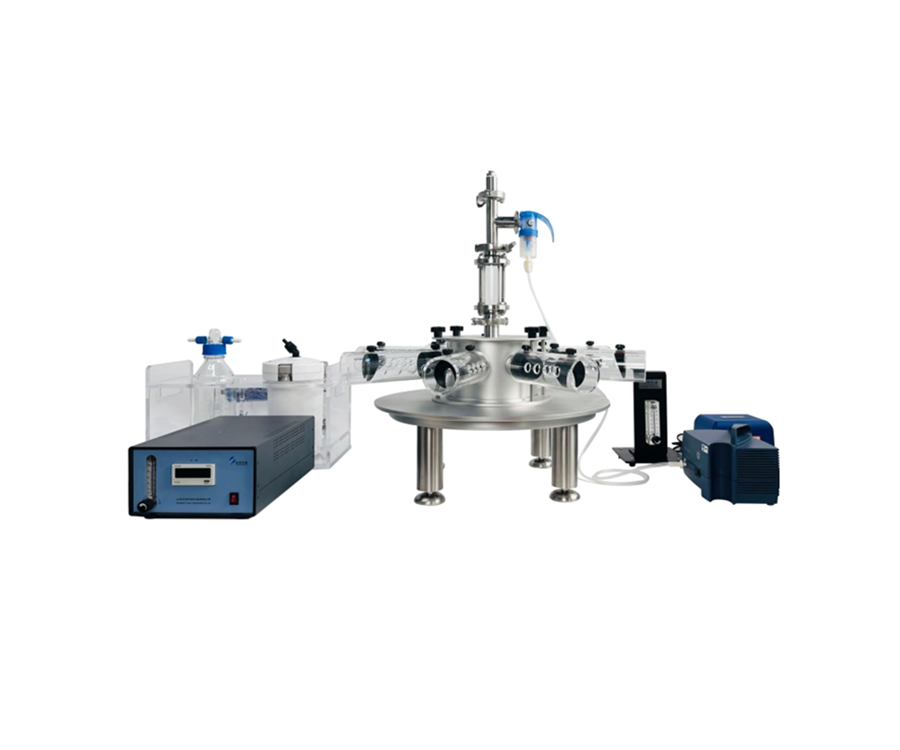
Oral and nasal exposure system
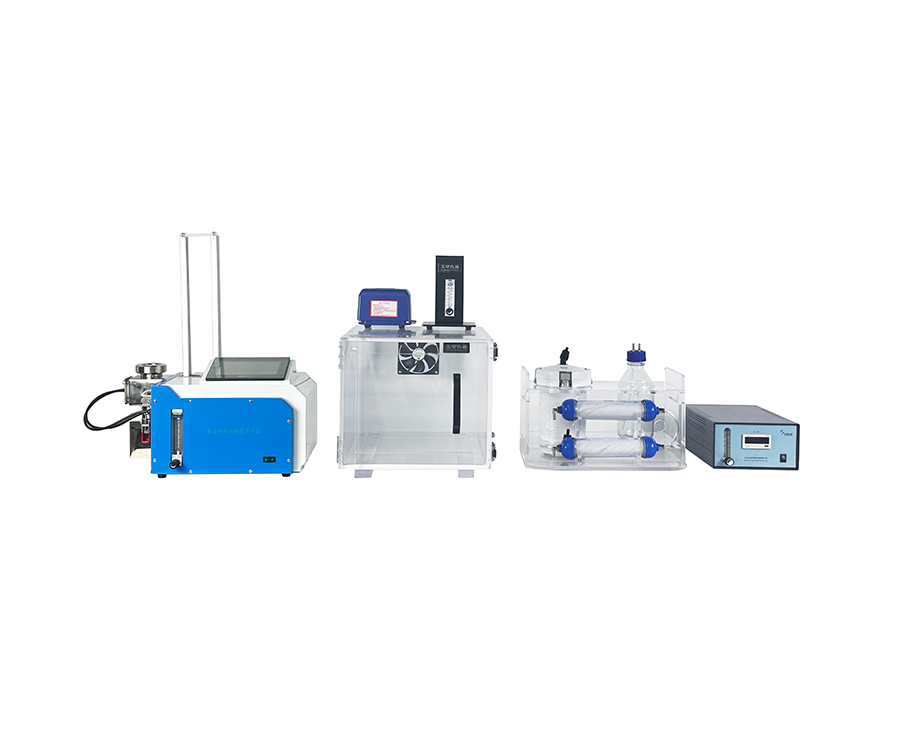
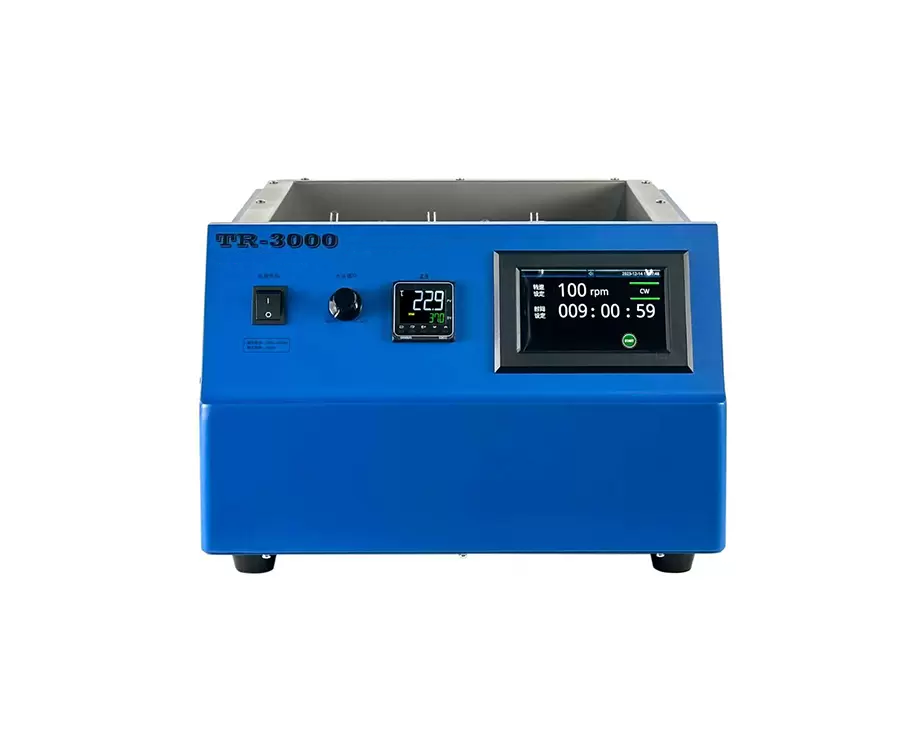
The oral and nasal exposure system is specially designed for rodent experimental animals such as rats and mice, and can be used for oral and nasal inhalation exposure experiments, and is widely used in animal disease models, toxicology, pharmacodynamics and pharmacokinetics.
 Phone Consultation
 Follow us
- Introduction
- Features
- More Recommendations
Introduction
The oral and nasal exposure poisoning system is based on imported advanced instruments, which highly restores the design principle of oral and nasal inhalation, with exquisite design, efficient and stable performance and high cost performance. The equipment is specially designed for rodents, such as rats and mice. The original imported atomization device has extremely fine atomized particles and stable aerosol output. The aerosol output of dust, liquid, volatility, incense smoke and other substances can be selected according to different experimental requirements.
Features
Multiple atomization targets:It can output aerosols of substances such as dust, liquid, volatile substances, and cigarette smoke according to experimental needs, making it widely applicable.
Nasal and oral exposure only:It can prevent skin contact with the exposed substance and eye irritation, and reduce interference with experimental results.
Active waste gas recovery device:Actively control the recovery of various toxic substances and pharmaceutical aerosol waste gases to ensure that the waste gases meet emission safety standards.
Ventilation function is unobstructed:Its unique circulating ventilation function ensures stable and fresh drug concentration while promoting timely emission of waste gases.
The original imported nebulizer uses jet atomization, employing compressed air propelled through a narrow tube at high speed to propel the solution, creating an aerosol through high-speed impact. This method produces extremely fine atomized particles that are less prone to collision and aggregation, ensuring comfortable inhalation and allowing direct penetration into deep lung tissue.
2.Universal Exposure Tower for Rats and Mice
This is a universal oral-nasal exposure tower for rats and mice, constructed entirely of stainless steel. Different mounting tubes are used for rats and mice. The tower can be configured with 1-3 layers, with 8 mounting tubes per layer, allowing for 8, 16, or 24 channels.
The inner layer of the tower contains a uniform diffusion layer to ensure consistent aerosol volume in each mounting tube. The inner and outer layers have different airflow pathways, preventing interference between inhaled and exhaled gases and minimizing the impact on inhaled aerosol concentration.
3.Waste gas recovery device
Active waste gas recovery devices can absorb and filter animal respiratory exhaust gases at a specific rate, ensuring that the exhaust gases meet emission safety standards and reducing harm to laboratory personnel and the environment.
Nasal and oral exposure only:It can prevent skin contact with the exposed substance and eye irritation, and reduce interference with experimental results.
Active waste gas recovery device:Actively control the recovery of various toxic substances and pharmaceutical aerosol waste gases to ensure that the waste gases meet emission safety standards.
Ventilation function is unobstructed:Its unique circulating ventilation function ensures stable and fresh drug concentration while promoting timely emission of waste gases.
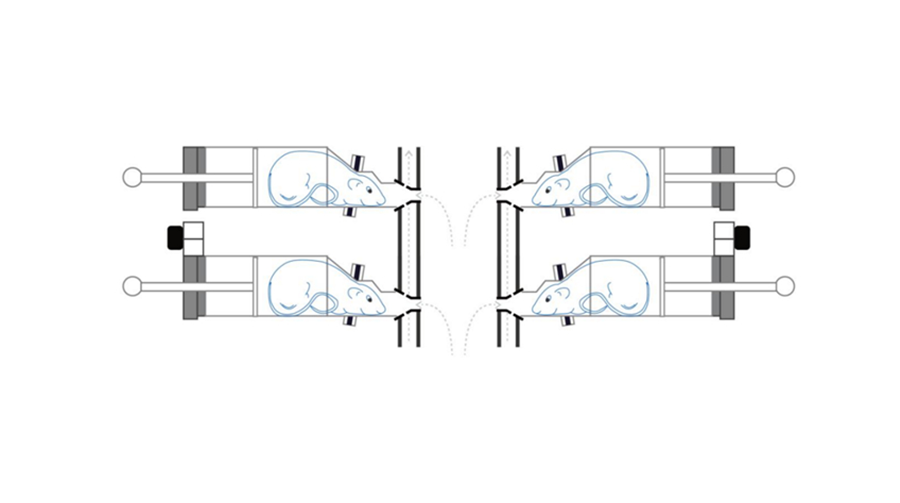
Diagram of the exposure mechanism of mouth and nose
Product Composition
1. Aerosol generator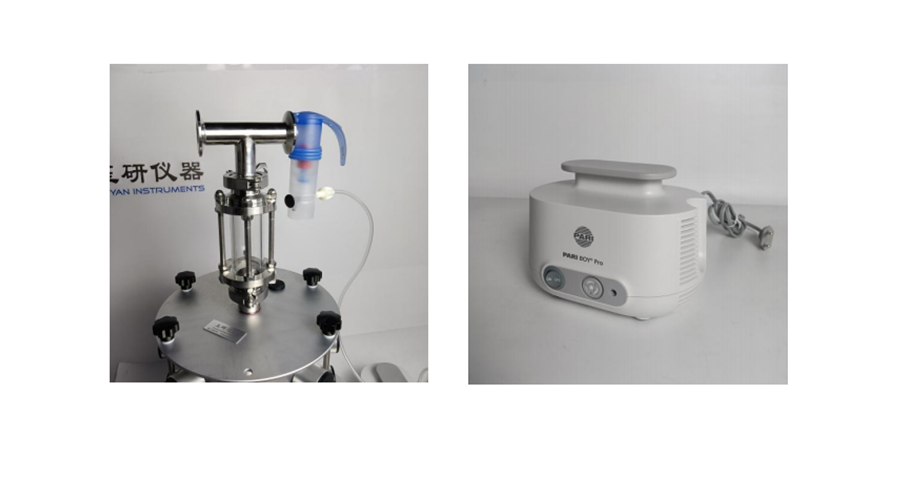
Aerosol generator
The original imported nebulizer uses jet atomization, employing compressed air propelled through a narrow tube at high speed to propel the solution, creating an aerosol through high-speed impact. This method produces extremely fine atomized particles that are less prone to collision and aggregation, ensuring comfortable inhalation and allowing direct penetration into deep lung tissue.
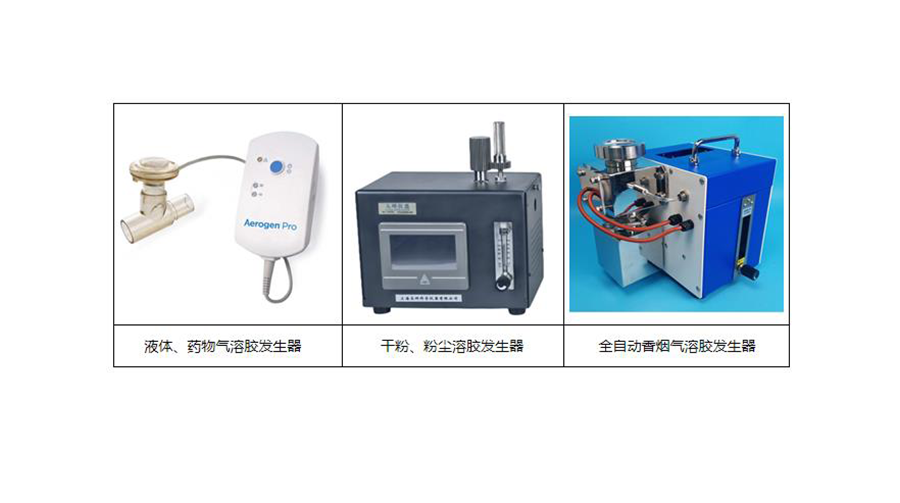
Multiple Aerosol Generator Solutions
2.Universal Exposure Tower for Rats and Mice
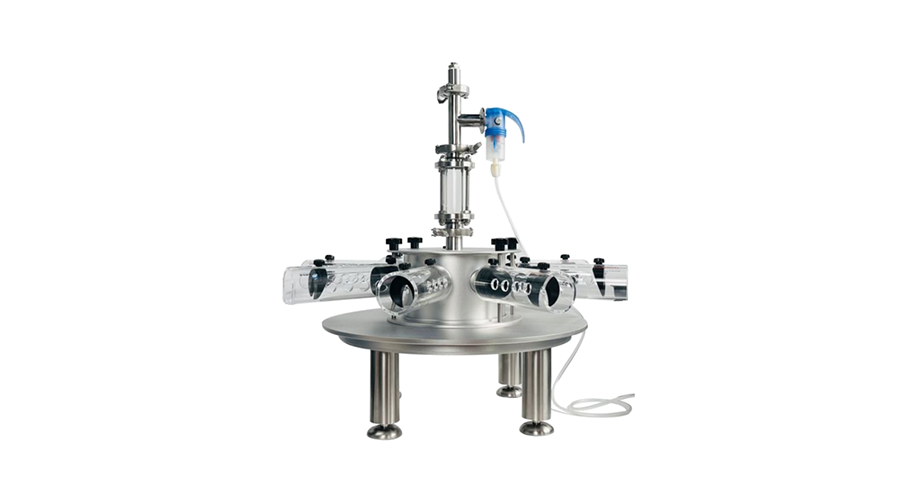
Mouth and nose exposure tower
This is a universal oral-nasal exposure tower for rats and mice, constructed entirely of stainless steel. Different mounting tubes are used for rats and mice. The tower can be configured with 1-3 layers, with 8 mounting tubes per layer, allowing for 8, 16, or 24 channels.
The inner layer of the tower contains a uniform diffusion layer to ensure consistent aerosol volume in each mounting tube. The inner and outer layers have different airflow pathways, preventing interference between inhaled and exhaled gases and minimizing the impact on inhaled aerosol concentration.
3.Waste gas recovery device
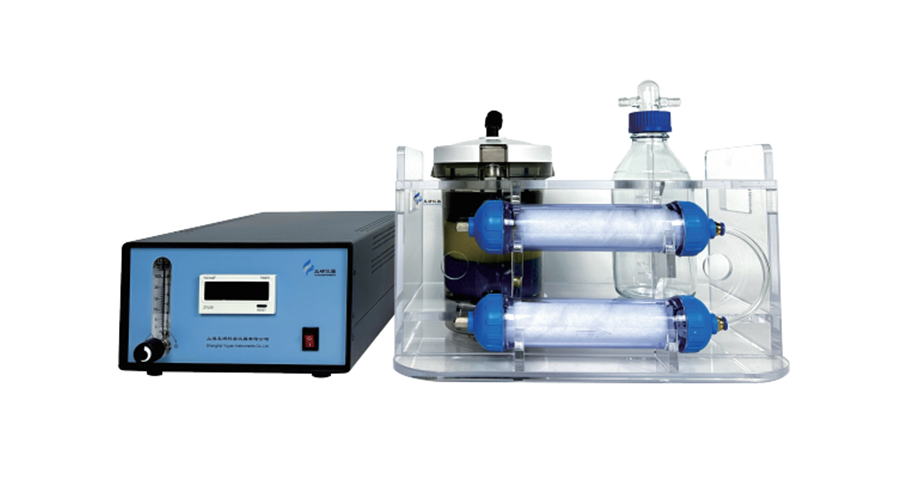
Waste gas recovery device
Active waste gas recovery devices can absorb and filter animal respiratory exhaust gases at a specific rate, ensuring that the exhaust gases meet emission safety standards and reducing harm to laboratory personnel and the environment.
Technical Parameters
| Project | Content |
|---|---|
| MMD atomizing particle size | 2.2μm(red inner core)、3.5μm(blue inner core),Particles with a diameter of 2.5μm-5μm account for >80%. |
| Atomized liquid volume per unit time | 0.6ml/min(blue inner core),0.45ml/min(red inner core) |
| Aerosol balance chamber | Size:φ15cm*17cm |
| Biased air supply function | Have |
| Mouse restraint cylinder size | φ30mm*95mm |
| Rat restraint cylinder size | φ54mm*200mm |
| Exposure tower size | φ500mm*800mm(Three-layer 24-channel) |
| Exhaust gas processor filter structure | The 5-layer filtration structure includes: water vapor treatment, a cleaner, a dryer, and an activated carbon adsorber. |
| Exhaust gas processor continuous operating time | >24hour |
| Negative pressure suction air velocity | 0-10L/Min |
| Activated carbon powder can capacity | >3500ml |
| Water vapor processor Capacity | >800ml |
| Dryer capacity | >500g |