




Literature Express | Yuyan Pulmonary Drug Delivery Device Empowers Tetrahedral Nanomedicine for Precision Treatment of Acute Lung Injury
In the field of drug delivery, nanotechnology has long been seen as a promising approach to improving drug efficacy and reducing side effects. However, conventional nanodrug delivery systems often struggle to balance penetration rate and in vivo retention. This challenge has limited the application of nanodrugs in the treatment of respiratory diseases such as acute lung injury.

Recently, the research team of West China Hospital of Stomatology, Sichuan University has made a progress.They used small tetrahedral nanocarriers (tFNAs) to successfully deliver microRNA-155 (miR-155) to animals with acute lung injury through the Yuyan Instruments pulmonary atomizer, achieving rapid drug penetration and long-term retention.
This innovation not only provides new possibilities for the treatment of acute lung injury, but also opens up new paths for the development of drugs for future respiratory diseases.
Background
Recently, Lin Yunfeng's research team from the West China Hospital of Stomatology, Sichuan University, published a research paper titled "Ultrahigh Pyridinic/Pyrrolic N Enables N/S Co-Doped Holey Graphene with Accelerated Kinetics for Alkali-Ion Batteries" in Advanced Materials (IF=27.4), a top international journal in the field of materials. They used small-sized tetrahedral nanocarriers tFNAs to deliver microRNA-155 (miR-155) to animals with acute lung injury by aerosol administration using a Yuyan Instrument lung aerosolizer, meeting the dual requirements of rapid penetration and prolonged residence time of therapeutic drugs.
Compared to the most advanced LNPD coating system (IR-117-17), the tFNA inhalation formulation has inherent advantages in dispersibility. When delivering microRNA inhibitors, tFNAs maintain 100% accumulation after aerosolization, effectively treating acute lung injury and reducing various inflammatory markers.
Research Methods
01. Atomization stability

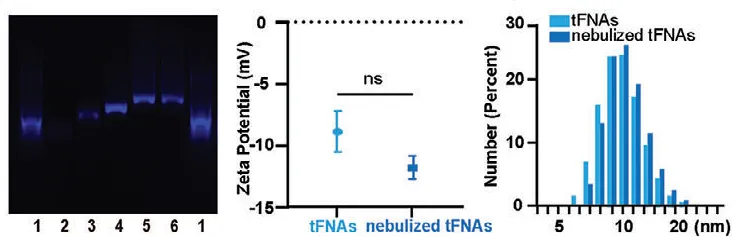
The nebulized solution was then collected and subjected to 2% agarose gel electrophoresis (AGE) and particle analysis. The results showed no significant differences in the electrophoretic band position, potential, or particle size distribution of the tFNAs before and after nebulization. Electron microscopy revealed a tetrahedral structure. These findings indicate that nebulization with the Yuyan Instruments pulmonary nebulizer does not affect the framework structure of tFNAs.
02Carrier penetration
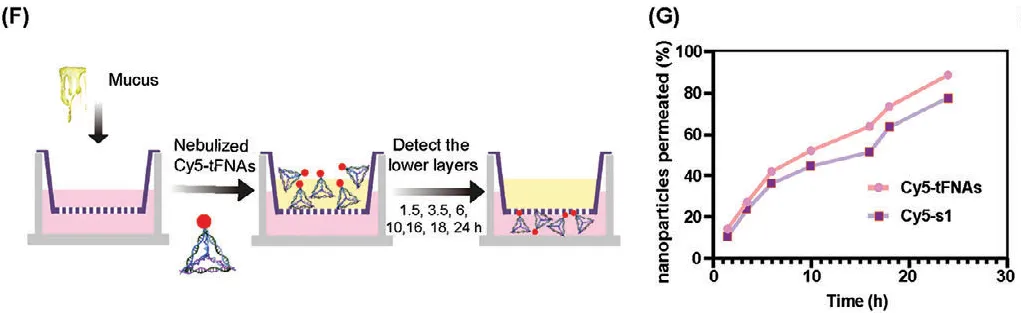
The permeability of tetrahedral carriers may be due to their unique tetrahedral structure with four vertices, which is less likely to entangle with macromolecular structures in mucus components. Furthermore, compared with liposomes or liposome-serum exosome hybrid nanostructures, TFNA penetrated into the mucus more rapidly (14.3% within 1.5 hours) in an in vitro assay device with the same pore size and artificial mucus volume, while liposomes and analogs had penetration rates of less than 1% after 2 hours. Penetration efficiency is a crucial factor influencing drug absorption.
03Drug absorption effect in the body
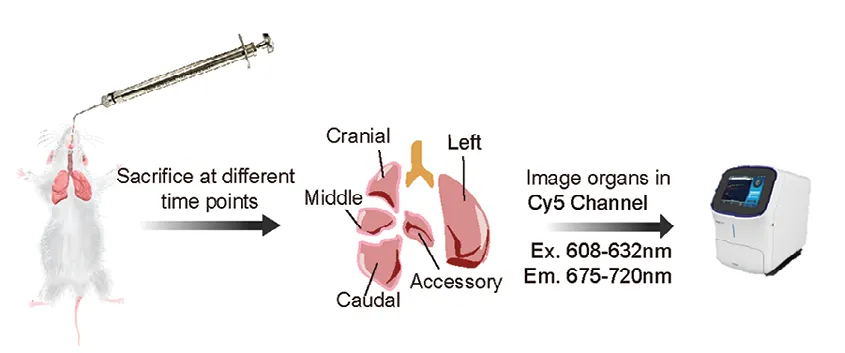
In vitro experiments confirmed its excellent stability and ability to carry drugs across barriers. The authors then used it on mice to observe its in vivo effects. First, the mice were divided into two groups and given either the tetrahedral carrier or the S1 carrier. The fluorescent carriers were injected into the mice's lungs via pulmonary aerosolization, and their distribution over time was observed.
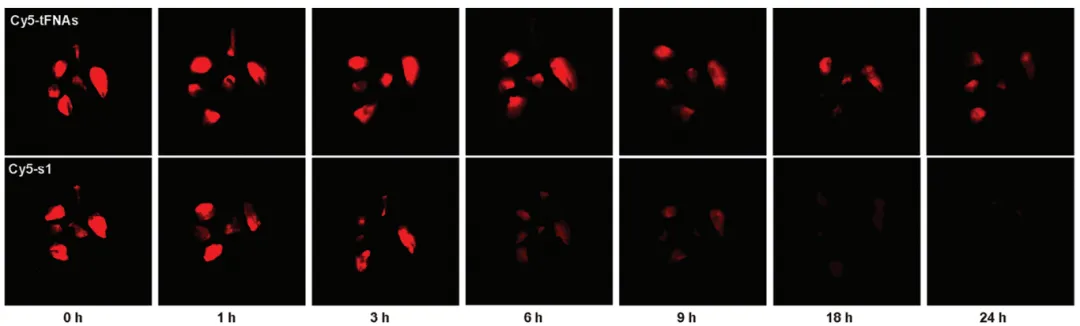
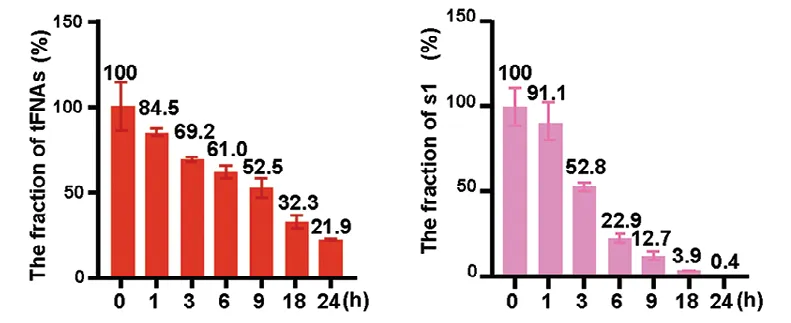
The results are shown in the figure below. The tetrahedral carrier fluorescence signal persists longer, with a clear CY5 fluorescence signal still visible 24 hours later, while the single-stranded S1 carrier fluorescence signal disappears much earlier. Subsequent quantitative measurements also confirmed this result.
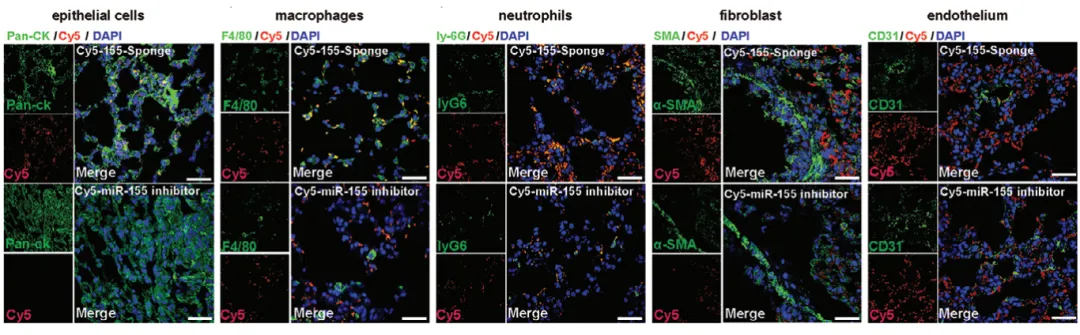
Lung tissue was sectioned and fluorescence was observed at the tissue cell level. It was found that the fluorescence signal of the tetrahedral carrier was mainly distributed in lung epithelial cells (22.53 ± 2.58%), macrophages (15.83 ± 0.66%) and neutrophils (15.85 ± 2.45%), suggesting that its function is related to regulating the local immune microenvironment.
04. Lung injury treatment effect
One hour after stimulation, 50 μL of different drugs were administered using a Yuyan Instruments pulmonary nebulizer according to group. Twenty-four hours later, sections were prepared. Blood and lung tissue were collected for quantitative analysis.
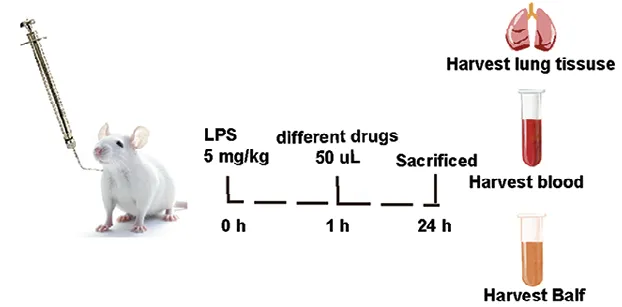
The results are shown below:
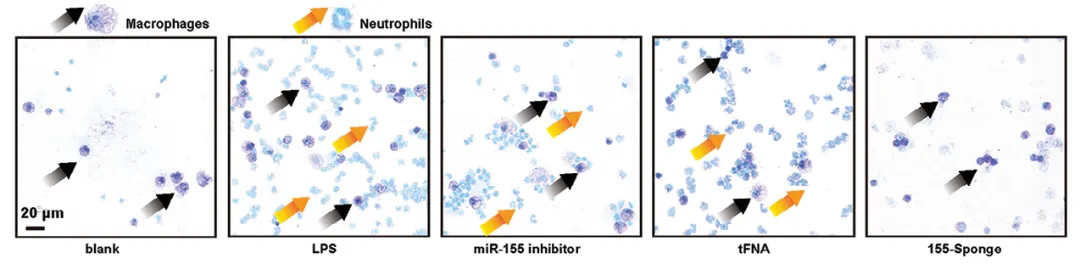
The levels of inflammatory cells and factors related to lung injury in the 155-vector group were lower than those in the other three groups, close to those in the blank group. A large number of downstream molecular studies also confirmed the significant effect of the drug-vector combination in controlling inflammation.
Conclusion
The 155-carrier demonstrates unique absorption and retention advantages in the treatment of acute lung injury (ALI). By exploring its mechanism of action in inflammatory repair, the authors believe its application is not limited to acute lung inflammation but can also be expanded to inhaled formulations for the treatment of other allergic diseases that require modulation of oxidative stress responses. In the future, more inhaled formulations may be developed for targeted lung diseases, such as chronic obstructive pulmonary disease (COPD), to enhance efficacy and reduce adverse reactions.
In this study, the lung nebulizer drug delivery device independently developed and produced by Yuyan Instruments, with its advantages of fine atomization and precise quantification, further improved the bioavailability of drugs, and helped tetrahedral nanomedicines to accurately treat acute lung injury diseases.
Pulmonary liquid atomizer: a powerful tool for respiratory disease research
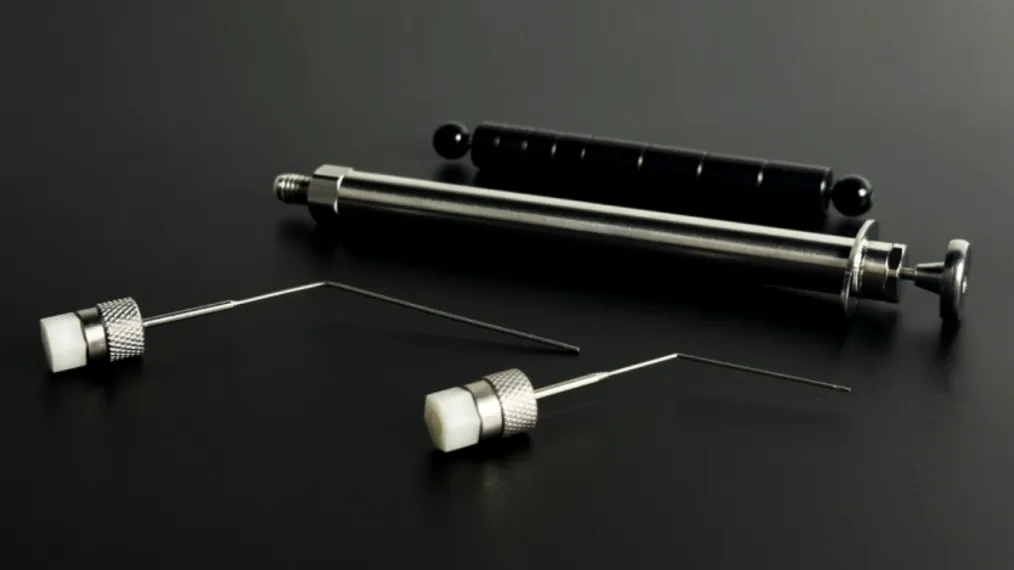
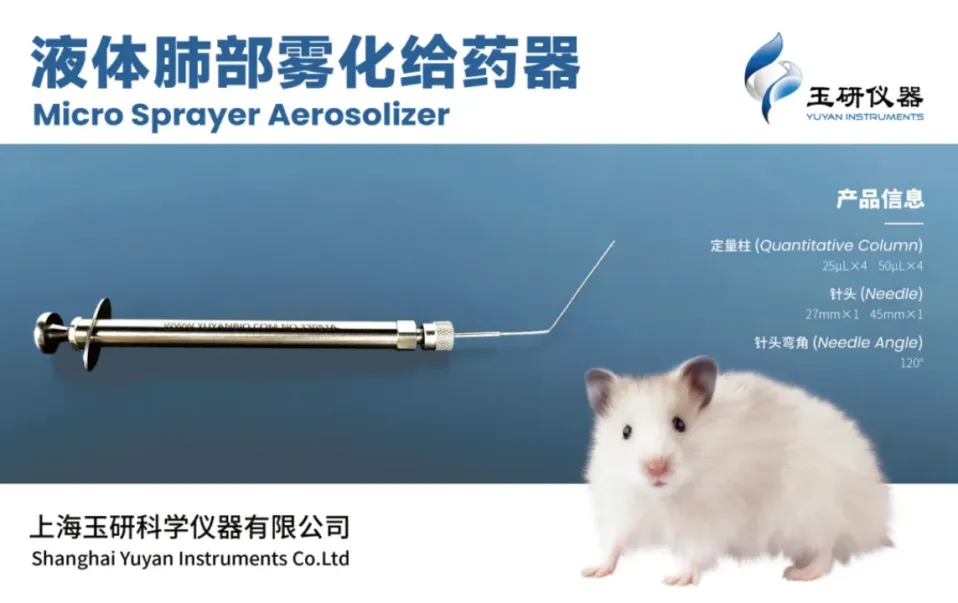
The Shouyuyan Instruments pulmonary liquid atomizer is specially designed for small animals such as mice, rats, and guinea pigs. It can accurately and quantitatively perform intratracheal atomization drug delivery.
A trace amount of liquid can be quantitatively atomized through an aerosol atomization micro nozzle integrated in a stainless steel capillary cannula. The capillary cannula can penetrate deep into the animal's trachea to achieve quantitative atomization into aerosol drug delivery in the trachea.
Compared with traditional oral or injection administration, drugs can act directly on the lungs and are suitable for research on lung physiology, pathology, and pharmacology.
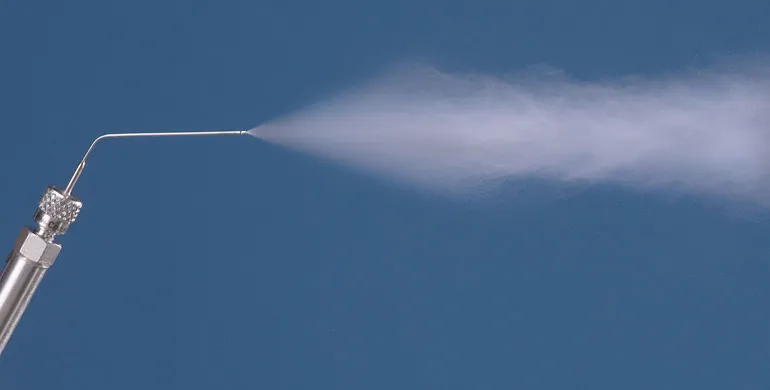
01. Advanced liquid atomization technology
90% of the drug atomization diameter is less than 30μm and can be evenly distributed in the lung tissues of mice and rats.
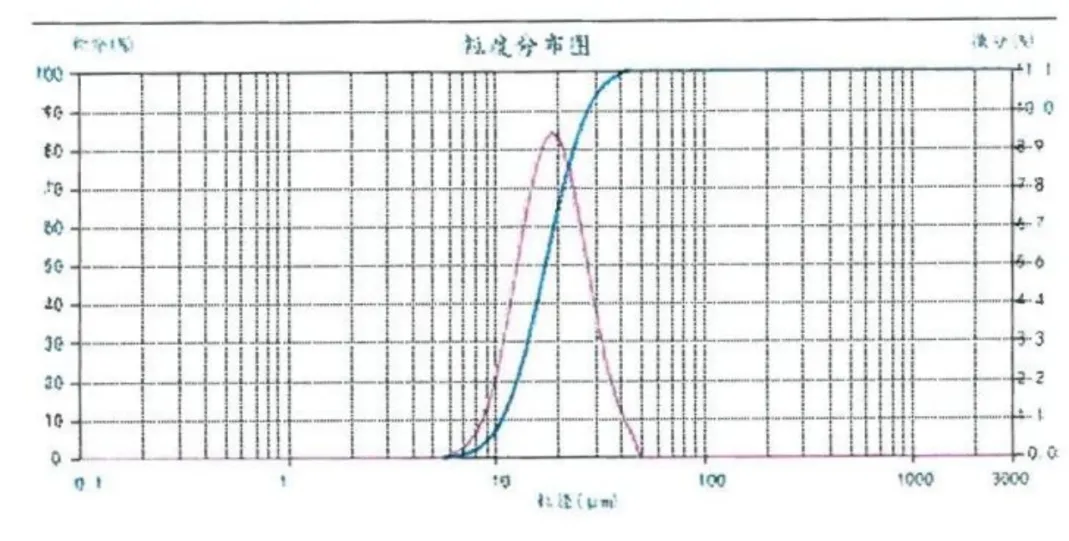
*Testing and analysis commissioned by Beijing Zhongke Optical Analysis Chemical Technology Research Institute (CNAS accredited institution)
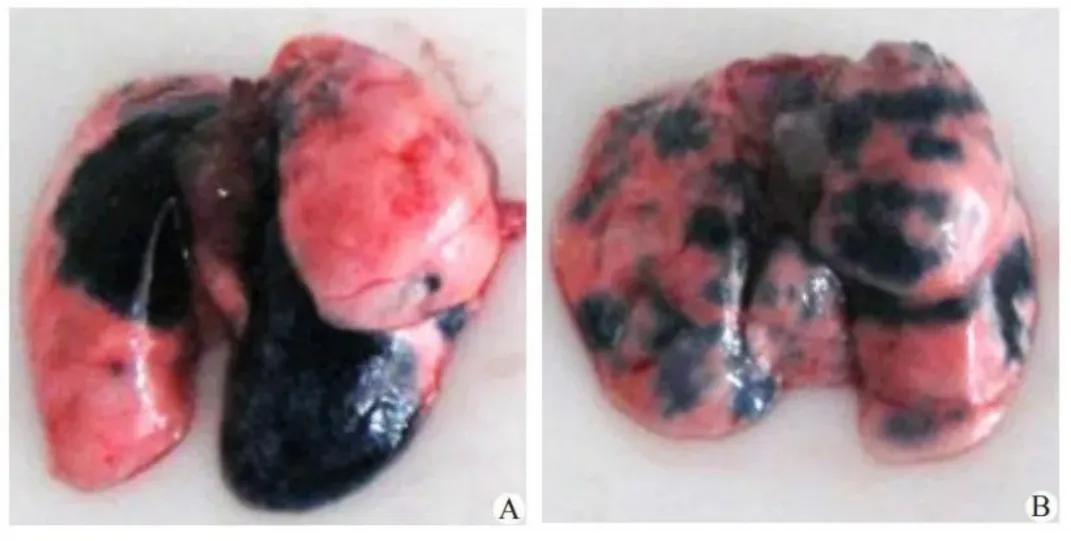
02. Precisely control the dosage
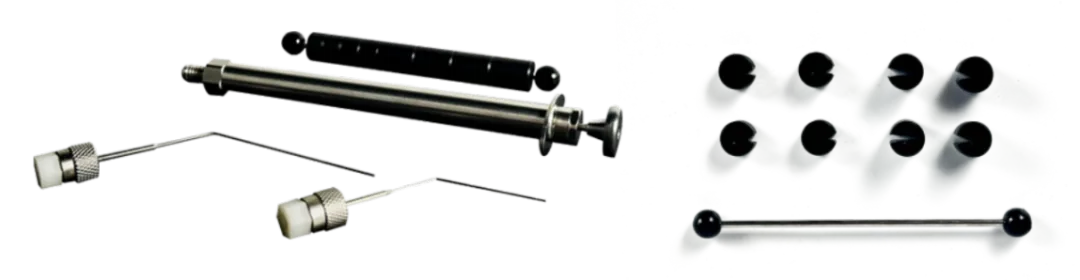
03. Easy to operate
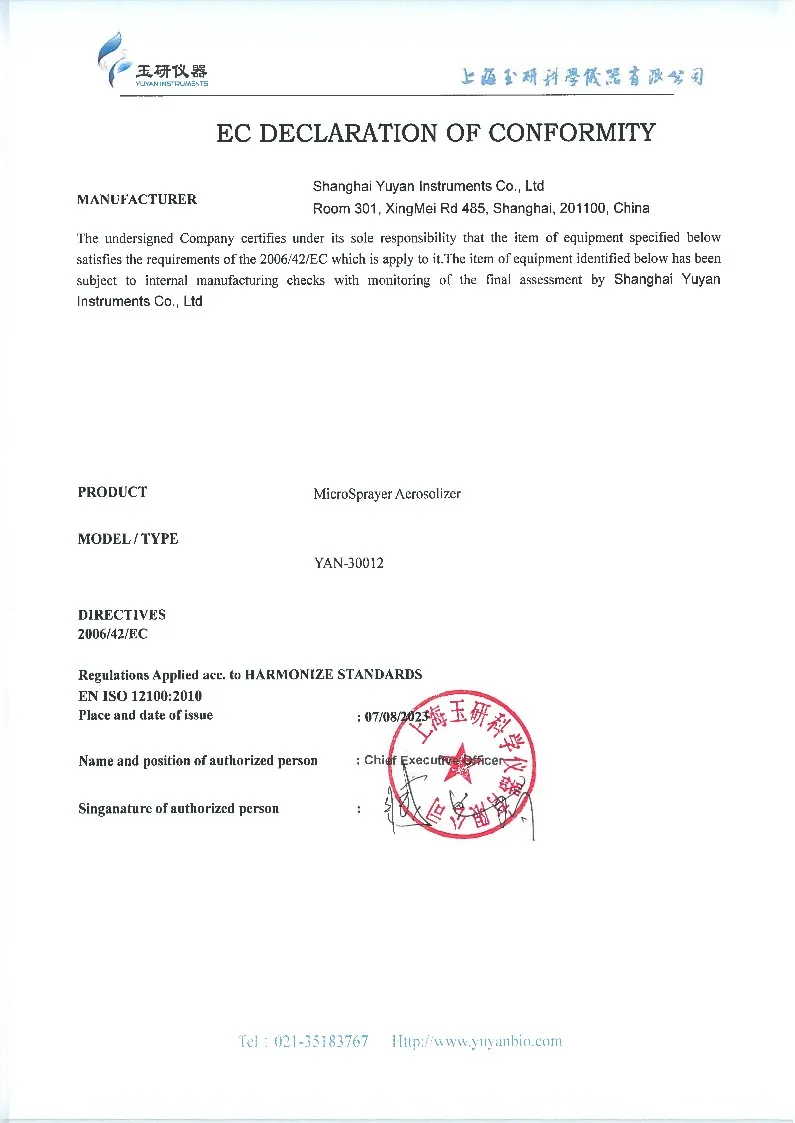
04.CE certification
Product Recommendations
01.Needle blocker for pulmonary drug delivery device
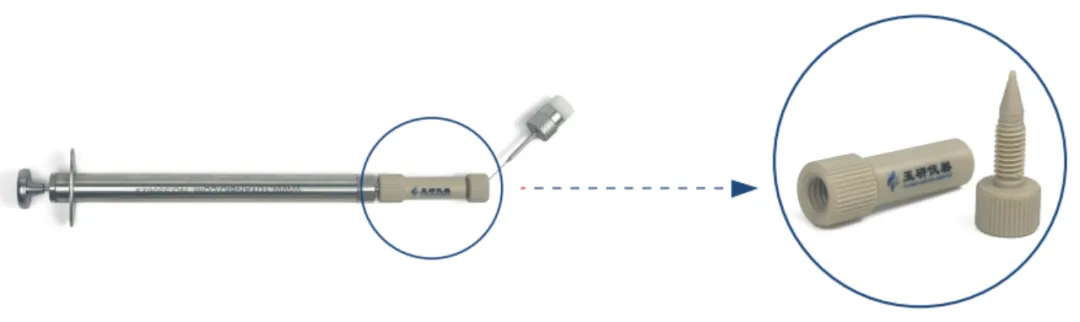
Blockage prevention: In addition to clearing existing blockages, the blockage remover can also be used for routine maintenance. Regular use can prevent residual liquid from solidifying in the pipe and prevent future blockage problems.
Easy to use: The blockage remover is designed as a handheld tool, which is easy to operate. Users can easily use it for daily equipment maintenance without complicated operations;
Easy to clean: Made of high-performance PEK (polyetherketone) material, it can be sterilized using common high-temperature and high-pressure steam or alcohol, making it easy to clean and disinfect, ensuring that no new contaminants are introduced during use.
02. Small Animal Fluorescence In Vivo Imaging System – A Popular Tool for Publishing Articles
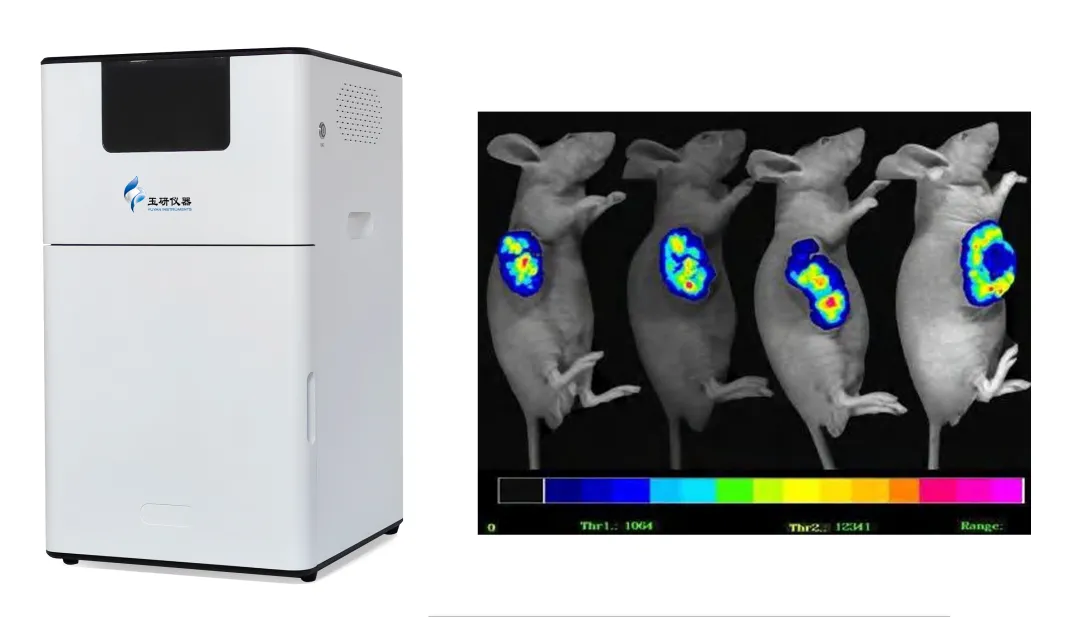
The multimodal small animal in vivo imaging system uses imaging methods to conduct qualitative and quantitative studies at the tissue, cellular, and molecular levels in a living state. It can be applied to imaging studies such as drug development, stem cell tracing, tumor growth and metastasis, disease occurrence and development, and gene expression responses.
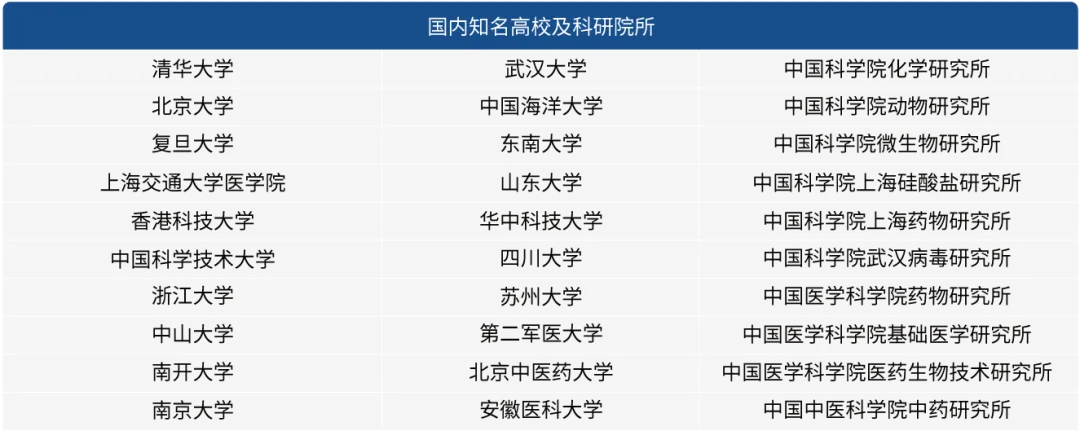
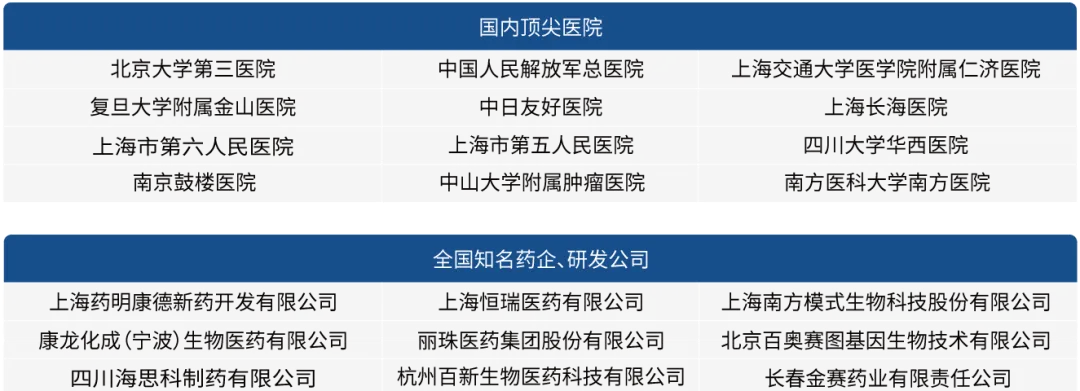
Partial user list
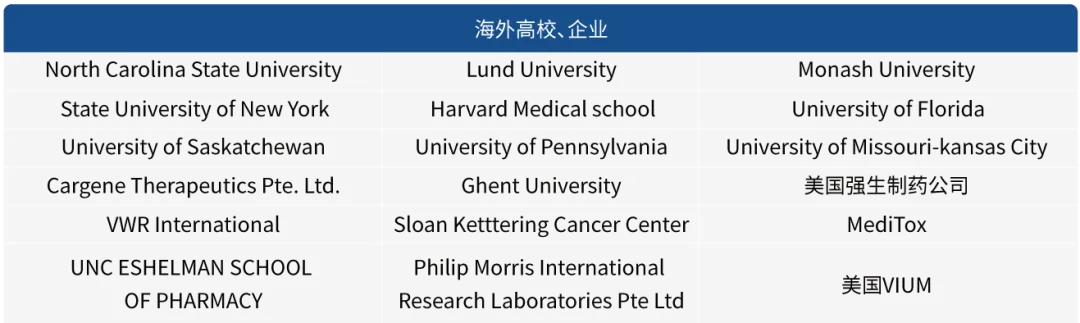
Some published literature
[1]. Bortolini, M., et al., Preliminary characterization of a novel form of progressive retinal atrophy in the German Spitz dog associated with a frameshift mutation in GUCY2D. Veterinary Ophthalmology, 2023.null [2]. Megaw, R., et al., Ciliary tip actin dynamics regulate the cadence of photoreceptor disc formation. bioRxiv, 2022: p. 2022.11. 10.516020.
null [3]. Sacaki, CS, et al., Potential of Human Neural Precursor Cells in Diabetic Retinopathy Therapeutics–Preclinical Model. Current eye research, 2022. 47(3): p. 450-460.
null [4]. Kick, GR, Disease Characterization and Pre-clinical Testing in Canine Models of the Neuronal Ceroid Lipofuscinoses. 2021, University of Missouri-Columbia.
null [5]. Kick, GR, et al., Visual system pathology in a canine model of CLN5 neuronal ceroid lipofuscinosis. Experimental Eye Research, 2021. 210: p. 108686.
null [6]. Manna, S., et al., Non-invasive evaluation of toxicity in vitreoretinal domain following insertion of sustained release methotrexate micro-implant. Experimental eye research, 2021. 205: p. 108505.
null [7]. Ho, J., et al., Protective effects of PARP1-inhibitory compound in dry age-related macular degeneration. Biomedicine & Pharmacotherapy, 2021. 133: p. 111041.
null [8]. Freitas, HM, et al., Retrospective and prospective study of progressive retinal atrophy in dogs presented to the veterinary hospital of the Federal University of Parana, Brazil. Open Veterinary Journal, 2021. 11(3): p. 370-378.
null [9]. Glickman, RD and I. Nasonkin, Comparison of retinal characteristics in two rabbit strains. Investigative Ophthalmology & Visual Science, 2021. 62(8): p. 354-354.
null [10]. Bacellar-Galdino, M., et al., Ophthalmic findings in sheep treated with closantel in Curitiba, Brazil. Veterinary World, 2020. 13(5): p. 860.

Self-developed core creates extraordinary strength
Yuyan Instruments was founded in 2010. With 14 years of independent research and development, it focuses on the design, production and sales of life science instruments such as IVC cages, animal gas anesthesia machines, and physiological signal acquisition systems. It is committed to providing customers with effective and reasonable system solutions for life science research and laboratory construction.
Yuyan Instruments has served more than 10,000 customers from domestic and foreign companies and organizations. It has established several offices and after-sales service centers across the country, such as Beijing, Shanghai, and Guangzhou. The instruments are widely used in major research institutes and universities and are widely praised.!
- Prev: Literature Interpretation | Non-invasive Sphygmomanometers Assist Blood Pressure-Lowering Research on Multifunctional Globulin Peptides from Sweet Almonds
- Next: Cell | Small Animal Lung Aerosol Drug Delivery Shines Brightly: A Bispecific Single-Domain Antibody That Can Be Inhaled and Broadly Neutralizes SARS-CoV-2