




Literature Interpretation | Non-invasive Sphygmomanometers Assist Blood Pressure-Lowering Research on Multifunctional Globulin Peptides from Sweet Almonds
The study identified a multifunctional peptide, PMYGGGMV, from sweet almond globulin hydrolysate and found to possess significant ACE inhibitory activity, ferrous iron binding capacity, and antioxidant activity, exerting its biological effects through interactions with Keap1 and ACE. Studies have shown that PMYGGGMV remains stable during gastrointestinal digestion, significantly lowers blood pressure in spontaneously hypertensive rats through oral administration, and enhances ferrous iron transcellular transport, demonstrating its potential for comprehensive applications in the fields of antioxidants, antihypertensives, and iron supplementation.
Research Background and Significance

This study focused on the multifunctional globulin peptide PMYGGGMV (Pro-Met-Tyr-Gly-Gly-Gly-Met-Val) extracted from a byproduct of sweet almond (Runus amygdalus) oil extraction, aiming to explore its multiple biological activities, including antioxidant, antihypertensive, and iron absorption enhancement. Sweet almonds, as a byproduct of the food industry, are rich in globulin (41g/100g). Enzymatic hydrolysis of sweet almonds to release the active peptides not only achieves efficient resource utilization but also provides a new avenue for the development of functional foods and pharmaceuticals.
Key findings and technical details
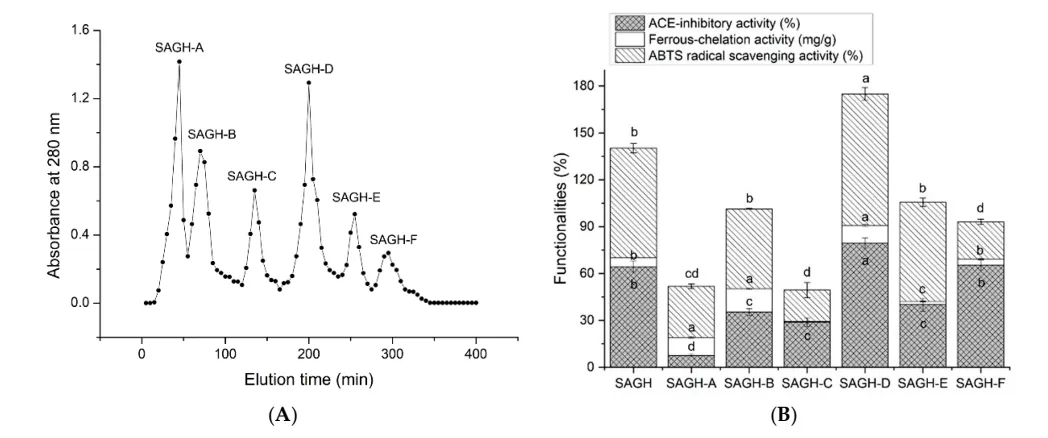
01. Peptide identification and activity screening
1. ACE inhibitory activity (IC50 value of in vitro experiments is not clear, but molecular docking shows strong binding ability)2. Antioxidant capacity (verified by ABTS free radical scavenging experiment)
3. Ferrous ion binding capacity (binding capacity up to 11.01 mg/g)
02. Research on the mechanism of action
1. Inhibition of ACE: Molecular docking analysis showed that the tyrosine (Tyr) residue of PMYGGGMV formed a hydrogen bond network with key residues of ACE, such as Lys511, Tyr520, and Tyr523. At the same time, it interacted hydrophobically with the S1/S2 substrate binding pocket of ACE, competitively blocking the catalytic activity of ACE.
2. Regulation of the KEAP1-Nrf2 pathway: PMYGGGMV binds to the Kelch domain of KEAP1 (such as Arg326, Val418 and other residues), blocking the interaction between KEAP1 and Nrf2 proteins, promoting the nuclear translocation of Nrf2 transcription factors, and activating downstream antioxidant enzymes (such as HO-1, NQO1) and cell protection gene expression.
3. Iron transport enhancement mechanism: The polypeptide forms a soluble complex with ferrous ions through groups such as carboxyl and phenolic hydroxyl groups, showing an iron transport efficiency 2.3 times higher than that of ferrous sulfate in the Caco-2 cell model, and its structural stability is confirmed by gastrointestinal simulated digestion experiments.03. In vivo and in vitro validation
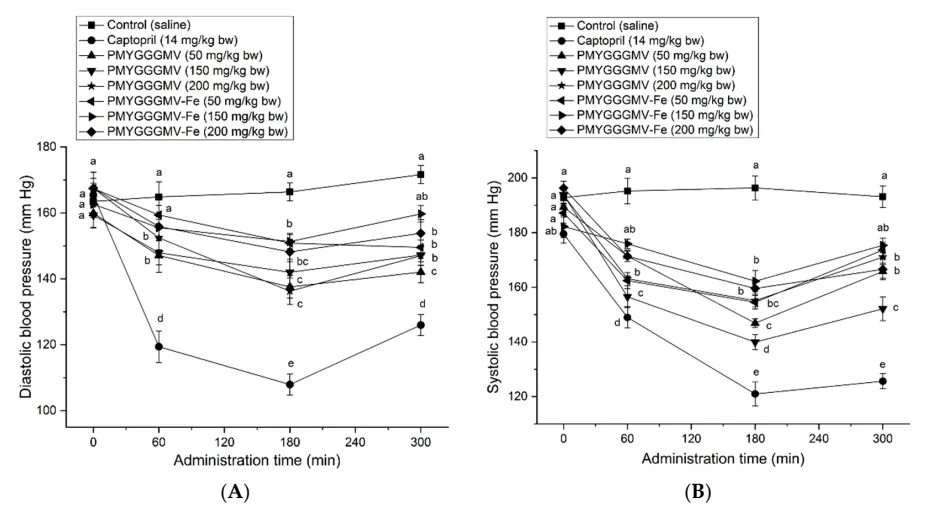
1. Spontaneously hypertensive rat (SHR) experiment: Oral administration of PMYGGGMV significantly reduced systolic blood pressure.
2. Cell experiment: Caco-2 monolayer cell model showed that the absorption rate of PMYGGGMV-ferrous iron complex was better than that of traditional iron supplements.
Scientific contributions and application prospects
01. Functional food developmentCardiovascular health: As a natural ACE inhibitor, it can replace synthetic antihypertensive drugs (such as captopril) and develop antihypertensive functional foods.
The red light photoelectric sensor has high sensitivity and produces accurate and stable data. It also has automatic error recognition, and erroneous data is not included in data statistics, reducing the workload of experimental data post-processing and screening, and further improving research efficiency.
03. Drug R&D Potential
The red light photoelectric sensor has high sensitivity and produces accurate and stable data. It also has automatic error recognition, and erroneous data is not included in data statistics, reducing the workload of post-processing and screening of experimental data and further improving research efficiency.
04. Research Conclusions
This study reveals the multifunctional properties of the sweet almond globulin-derived peptide PMYGGGMV. Its mechanisms of action in antioxidant, antihypertensive, and iron metabolism regulation provide a scientific basis for the development of functional foods and drug design. Future research will require the integration of multi-omics technologies and clinical trials to advance the translation of basic discoveries into practical applications and achieve high-value utilization of agricultural by-products.The core role of NIBP non-invasive blood pressure monitor
In the study of the sweet almond globulin multifunctional peptide PMYGGGMV, the NIBP rat tail non-invasive blood pressure monitor (Shanghai Yuyan Scientific Instrument Co., Ltd.) served as a key experimental equipment and played an irreplaceable role in evaluating the anti-hypertensive effect of the peptide in vivo.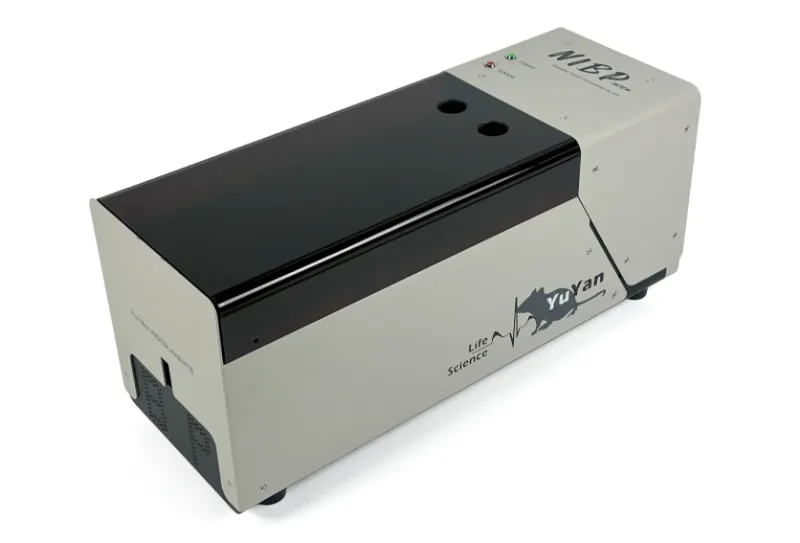
01. Technical Principle: Non-invasive Ambulatory Blood Pressure Monitoring
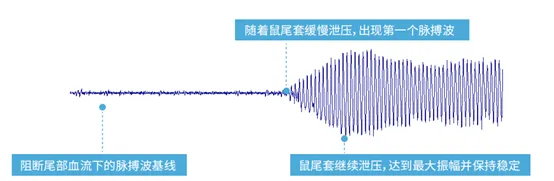
The Yuyan Instruments NIBP non-invasive blood pressure monitor is based on an improved classic blood pressure measurement method, combined with photoelectric sensor technology. It measures blood pressure by periodically blocking blood flow at the base of the rat's tail and monitoring pulse wave changes. Its working principle is divided into three steps:
1. Blood flow occlusion: The inflatable tail cuff applies pressure to block blood flow in the tail artery.
2. Pulse wave capture: The photoelectric sensor detects changes in tail artery blood flow in real time and records the vascular pulsation waveform.
3. Blood pressure calculation: By analyzing the changes in pulse wave amplitude, the system automatically calculates systolic blood pressure (SBP), diastolic blood pressure (DBP), mean arterial pressure (MBP) and heart rate (HR), which is highly correlated with direct blood pressure measurement.
02. Experimental application: Accurate evaluation of anti-hypertensive effects
In the spontaneously hypertensive rat (SHR) model, the following advantages of NIBP directly support the validation of the antihypertensive effect of PMYGGGMV:
1. Long-term dynamic monitoring: supports continuous measurement for multiple days, and can track the dynamic change trend of blood pressure in SHR after oral administration of PMYGGGMV, avoiding accidental errors in single measurement.
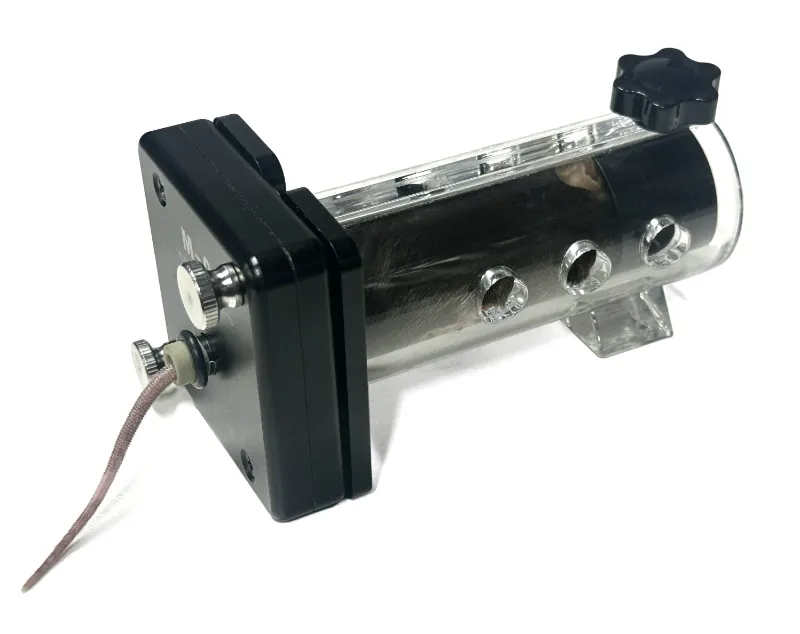
2. Multi-channel, efficient experiments: 1-9 channel configurations are available, allowing simultaneous measurement of multiple mice and rats, significantly improving experimental efficiency. For example, in a dose-dependent experiment, blood pressure changes in low, medium, and high dose groups can be monitored simultaneously.
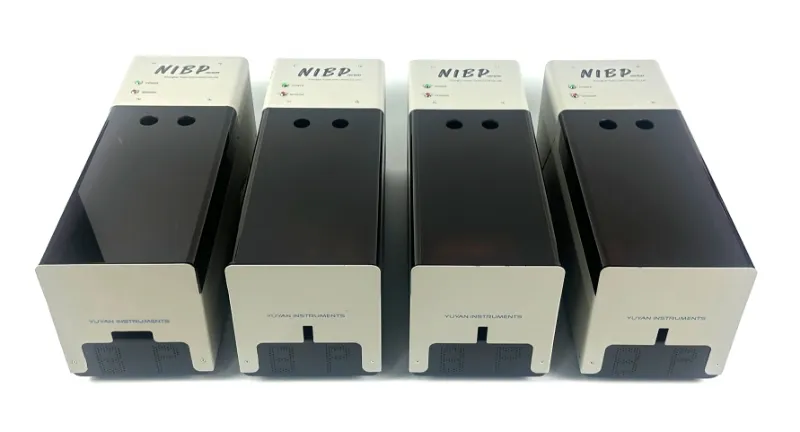
3. Maintaining physiological state
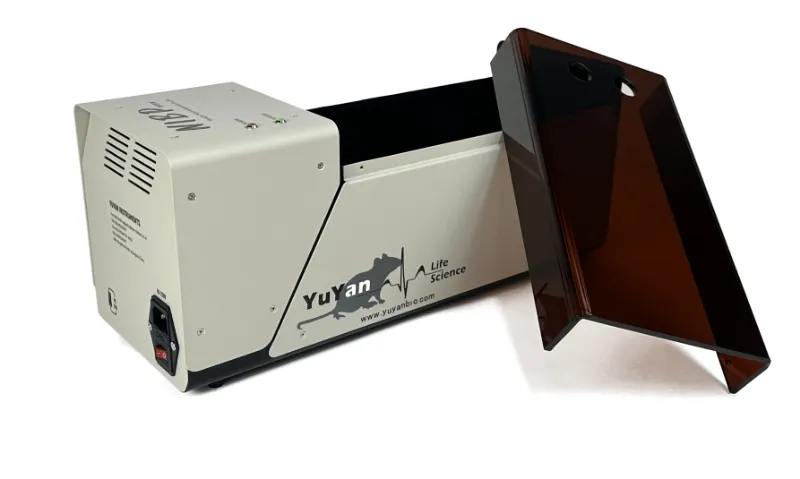
Constant temperature chamber design: built-in heating module maintains the measurement environment temperature (32°C), reducing the interference of animal stress on blood pressure.
Non-invasive operation: avoids anesthesia or surgical trauma and ensures the authenticity of blood pressure data.
In the spontaneously hypertensive rat (SHR) model, the following advantages of NIBP directly support the validation of the antihypertensive effect of PMYGGGMV:
1. Accurate phenotypic analysis: The pulse waveform output by the device can help determine the stability of the hypertension model and provide a phenotypic basis for mechanism research.
2. Quantification of drug efficacy: Generate Excel format reports through automatic statistical functions, which can be further processed to quickly calculate the antihypertensive efficacy of PMYGGGMV and support dose-effect relationship analysis.
3. Bridge to clinical transformation: Its measurement principle is similar to that of human non-invasive blood pressure monitoring, and animal experimental data can be more easily extrapolated to the clinic, accelerating the industrialization process of PMYGGGMV as an anti-hypertensive functional ingredient.
Conclusion
This study revealed the multifunctional properties of the sweet almond globulin-derived peptide PMYGGGMV, and its mechanism of action in antioxidant, antihypertensive, and iron metabolism regulation provides a scientific basis for the development of functional foods and drug design.In the future, it is necessary to combine multi-omics technologies and clinical trials to promote the transformation of basic discoveries into applications and realize the high-value utilization of agricultural by-products.In this study, the application of NIBP non-invasive blood pressure monitoring not only improved experimental efficiency, but also provided a solid phenotypic evidence chain for the antihypertensive activity of PMYGGGMV through high-precision and dynamic blood pressure monitoring.

Self-developed core creates extraordinary strength
Shanghai Yuyan Scientific Instrument Co., Ltd., as a leading manufacturer of scientific research equipment in the industry, has been adhering to the core concept of "innovation-driven development and self-research to create high-quality products" for 15 years since its establishment in 2010. It is committed to the independent research and development and production of scientific instruments. Its current product line covers multiple scientific research and application fields such as experimental animal husbandry, physiological signal acquisition, and neuroscience research. Not only does it continuously optimize and upgrade conventional instruments, but it also dares to explore cutting-edge technologies and has launched a series of high-end scientific instruments with independent intellectual property rights.
- Prev: Literature Interpretation | Unveiling the Secrets of Qingfei Paidu Granules: Pulmonary Atomization Technology Empowers New Breakthroughs in Traditional Chinese Medicine Preparations
- Next: Literature Express | Yuyan Pulmonary Drug Delivery Device Empowers Tetrahedral Nanomedicine for Precision Treatment of Acute Lung Injury