




Literature Express | Yuyan Pulmonary Atomizer Device (IF=10.7) Aids in the Prevention and Treatment of Lung Injury Diseases

Acute lung injury (ALI) is a severe pulmonary inflammatory process caused by bacteria and respiratory infections, resulting in significant damage to the alveolar epithelial and endothelial barriers, with a mortality rate as high as 40%. ALI is typically caused by a variety of etiologies, including infection, trauma, inhalation injury, and certain medical procedures. These diseases are characterized by lung inflammation, damage to the alveolar epithelial and endothelial barriers, and subsequent pulmonary edema and hypoxemia.
Oxidative stress plays a key role in the pathogenesis of ALI. It involves an imbalance between elevated oxidant levels and decreased endogenous antioxidant levels, as well as increased lipid peroxidation products and oxidative modification of intracellular proteins. Oxidative stress ultimately leads to the development of ALI by activating the expression of transcription factors and the subsequent production of inflammatory mediators. Therefore, inhibiting inflammation and/or oxidative stress is generally considered a potential strategy for the prevention and treatment of ALI.

Recently, a research paper titled "GSTP alleviates acute lung injury by S-glutathionylation of KEAP1 and subsequent activation of the NRF2 pathway" was published in the internationally renowned journal Redox Biology by Professor Chen Xijing's team from the School of Basic Medicine and Clinical Pharmacy at China Pharmaceutical University. The researchers explored the protective role of GSTP (glutathione S-transferase P) in ALI. In the experiment, the researchers used a Yuyan atomizer to deliver a specific dose of LPS (lipopolysaccharide) directly into the lungs of mice to simulate the pathological state of ALI.
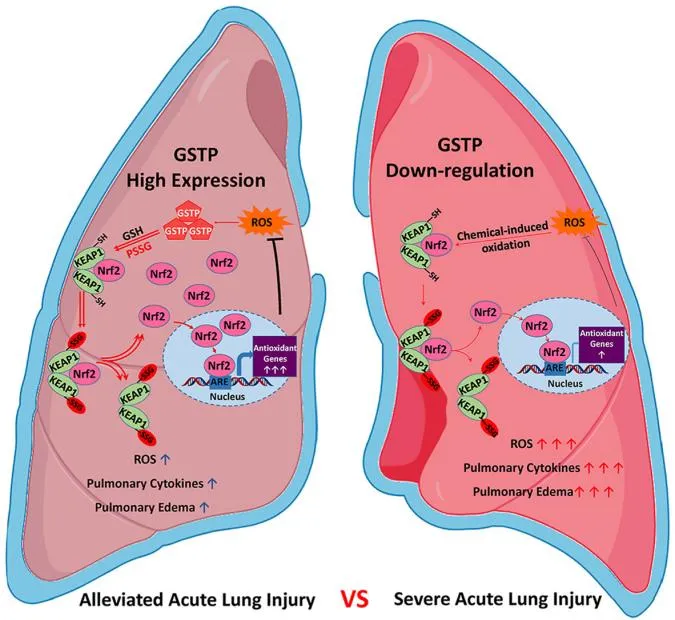
The study found that downregulation of GSTP exacerbated LPS-induced injury in human lung epithelial cells and in a mouse ALI model, confirming the protective effect of GSTP against ALI. Furthermore, the study found that total PSSG (protein S-glutathionylation) levels in cells and lung tissue were positively correlated with GSTP expression levels. In vivo experiments confirmed that GSTP inhibited LPS-induced lung inflammation by promoting PSSG activation of KEAP1 and activating antioxidant pathways downstream of NRF2. Overall, this study reveals a novel mechanism by which GSTP regulates lung anti-inflammatory function, through regulating KEAP1 PSSG and the subsequent KEAP1/NRF2 pathway. Modulating GSTP levels or activity may be a therapeutic strategy for treating oxidative stress-induced ALI.
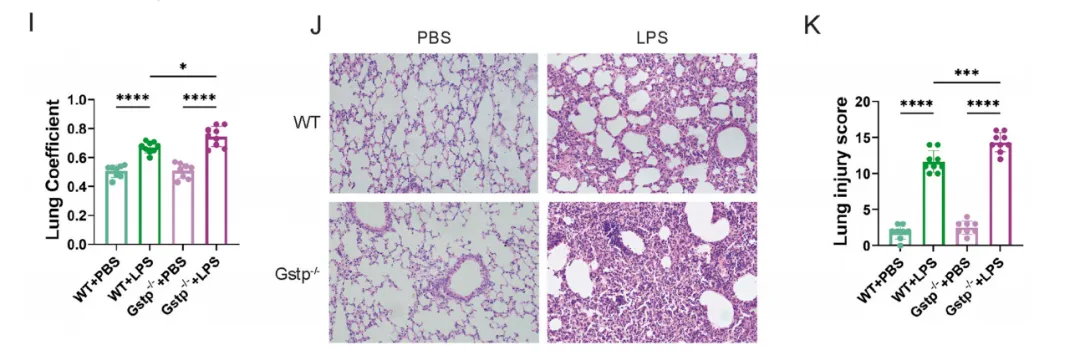
GSTP deficiency aggravates oxidative damage, inflammation, and lung tissue injury in a mouse ALI model >
Lung histopathological examination revealed significant morphological damage in WT ALI mice, including alveolar wall thickening, increased inflammatory cell infiltration, alveolar hemorrhage, and interstitial edema, while LPS-induced interstitial edema was aggravated in Gstp−/− mice (Figure 1J). In addition, the lung coefficient (representing lung pathological damage during ALI development) and lung injury score (Figure 1K) of Gstp−/− ALI mice were significantly higher than those of WT ALI mice. These results indicate that GSTP−/− mice have increased susceptibility to cell infiltration and inflammation, implying that GSTP plays a positive role in alleviating ALI-induced inflammatory responses.
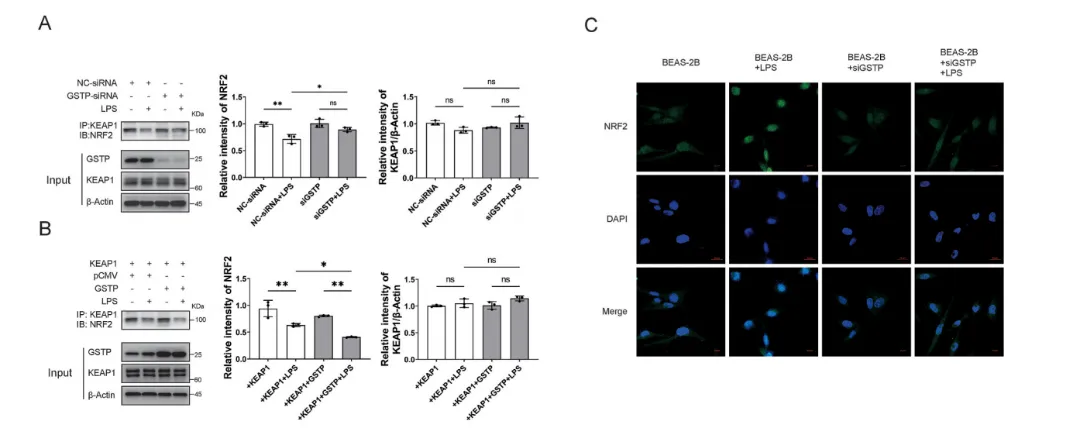
GSTP promotes activation of the KEAP1/NRF2 signaling pathway
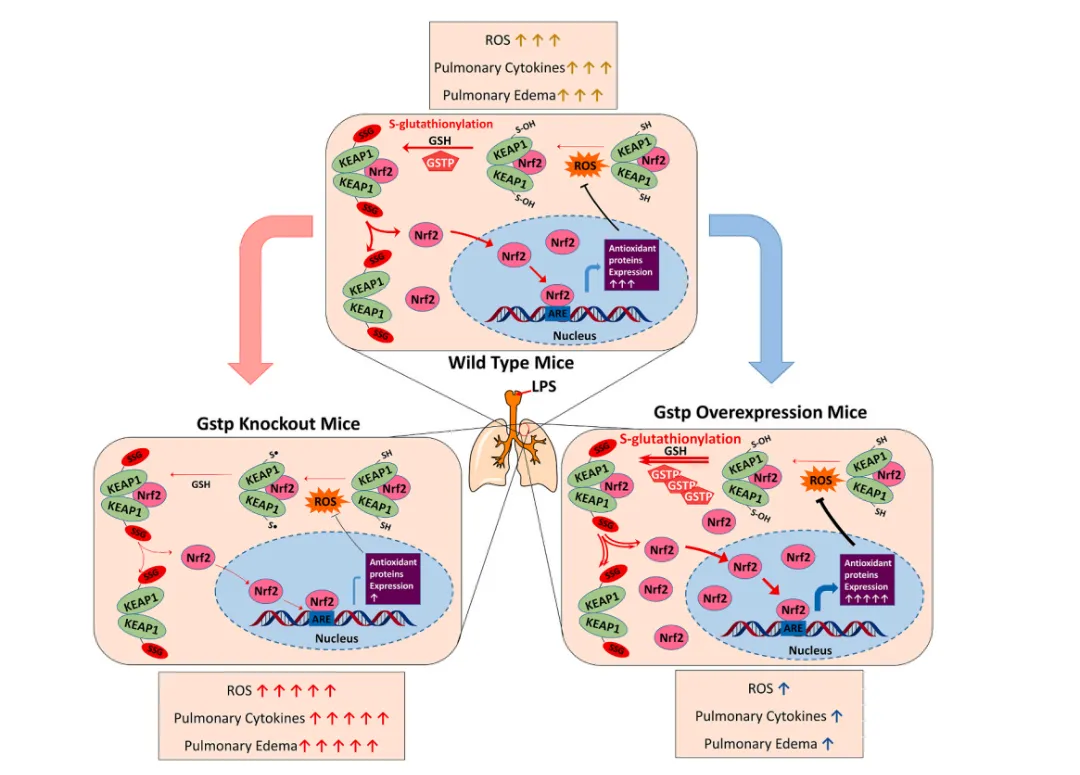
To investigate how GSTP participates in reducing oxidative stress, increasing PSSG levels, and alleviating inflammatory responses, the researchers explored the role of GSTP in the oxidative stress response pathway KEAP1/NRF2. GSTP knockdown significantly increased the affinity between KEAP1 and NRF2 (Figure 2A), while GSTP overexpression reduced this affinity (Figure 2B), suggesting that GSTP1 plays an enhanced role in KEAP1 releasing NRF2 to counteract pro-inflammatory stress. As shown in Figure 2C, after LPS exposure, NRF2 nuclear accumulation increased, while NRF2 distribution was significantly reduced in GSTP-knockout cells.
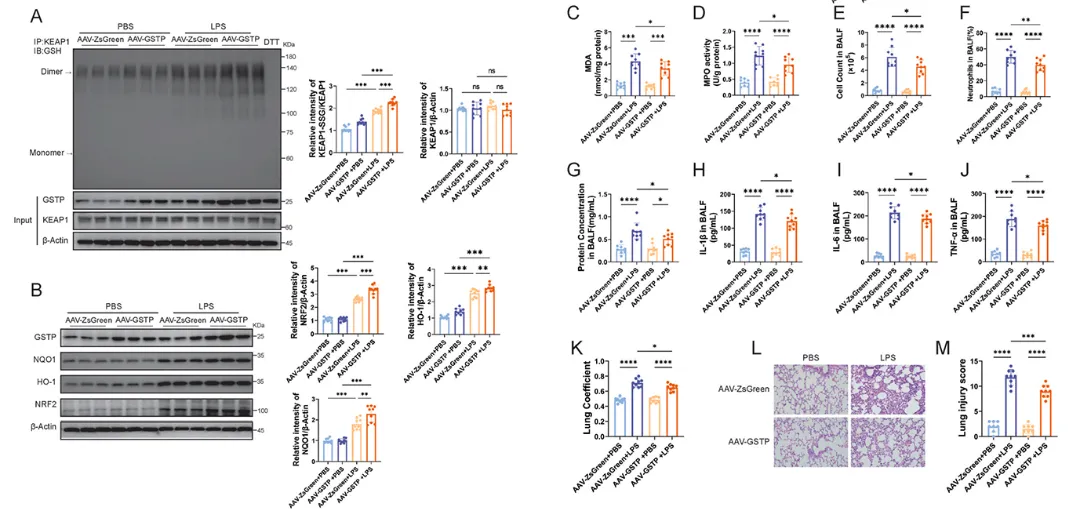
Activation of antioxidant pathways by GSTP in LPS-induced acute lung injury model
As shown in Figure 3A, after AAV-GSTP pretreatment, the levels of KEAP1 PSSG and total KEAP1 were significantly increased in ALI mice compared with AAV-ZsGreen mice, while total KEAP1 levels remained unchanged. Concomitantly, significantly increased levels of NRF2 and its downstream antioxidant proteins HO-1 and NQO1 were detected in AAV-GSTP ALI mice compared with AAV-ZsGreen ALI mice (Figure 3B). Furthermore, GSTP inhibited LPS-induced upregulation of MDA (Figure 3C) expression and MPO (Figure 3D) activity, indicating reduced inflammatory damage. Total cell count, neutrophil infiltration, and protein exudate were reduced in the BALF of AAV-GSTP ALI mice (Figures 3E-G). Furthermore, IL-1β, IL-6, and TNF-α levels were significantly reduced in the BALF of GSTP-overexpressing mice after LPS treatment (Figures 3H-J). Similarly, lung coefficients, lung histological examinations, and corresponding lung injury scores all demonstrated that GSTP overexpression in the lungs significantly reduced inflammation (Figures 3K-M). In summary, these results confirmed that exogenous GSTP interfered with the KEAP1-NRF2 complex by promoting PSSG of KEAP1, activated the NRF2 downstream pathway, and alleviated LPS-induced lung oxidative stress and inflammatory damage.
Overall, as shown in Figure 4, this study elucidates the KEAP1 PSSG process catalyzed by glutathione S-transferase P (GSTP) in lung epithelial cells under oxidative conditions and proposes the underlying biological mechanisms and therapeutic implications. GSTP-mediated KEAP1 PSSG enhances the dissociation of the KEAP1-NRF2 interaction and promotes the dissociation of the KEAP1-NRF2 complex, thereby promoting the nuclear translocation of NRF2 and activating the expression of downstream proteins, ultimately leading to improved lung inflammation and injury. The results indicate that GSTP is a potential target for anti-inflammatory drug development and suggest that the KEAP1 PSSG at C434 plays an anti-inflammatory role in lung epithelial cells in acute lung injury (ALI). This study reveals a mechanism by which lung epithelial cells prevent their own overactivation under oxidative stress.
Shanghai Yuyan Instruments' pulmonary nebulizer drug delivery device has played a key role in acute lung injury (ALI) research. By precisely and quantitatively aerosolizing LPS and delivering it directly into the lungs of mice, it successfully simulated the pathological state of ALI. The device's advanced aerosolization technology ensures uniform distribution and efficient absorption of drug particles. It is simple to operate and easy to clean and maintain, significantly improving the accuracy and repeatability of experiments. In addition, it supports the administration of multiple drug forms, providing a versatile platform for evaluating drug efficacy, simulating lung diseases, and creating animal models. The application of this innovative tool has not only deepened our understanding of the pathological mechanisms of ALI, but also provided strong experimental support for the discovery and verification of new treatment strategies, promoting the progress of lung disease research.
Product Recommendations
Pulmonary nebulizer drug delivery device
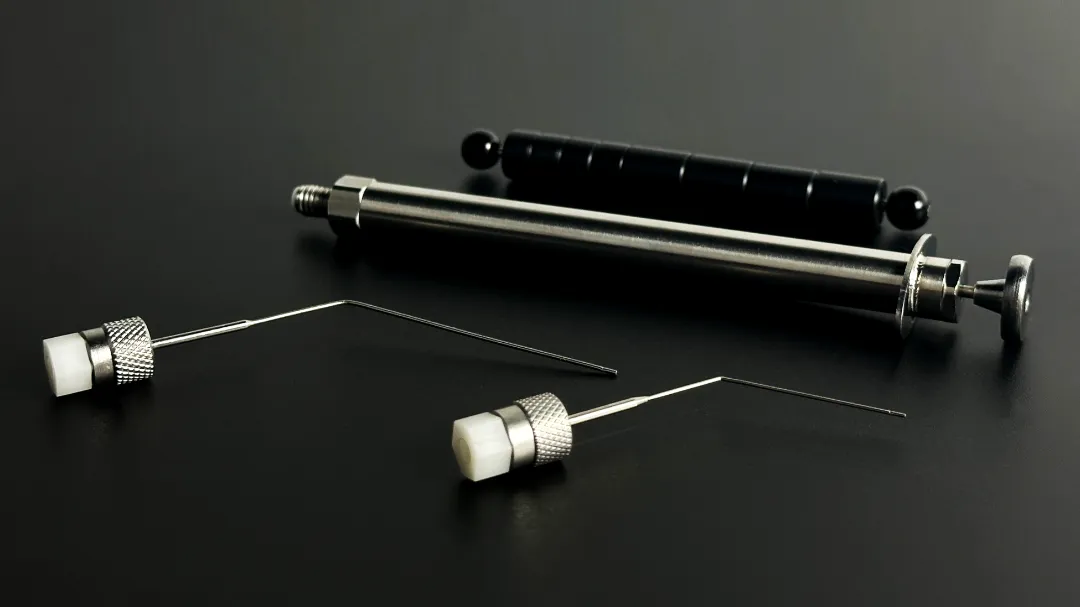
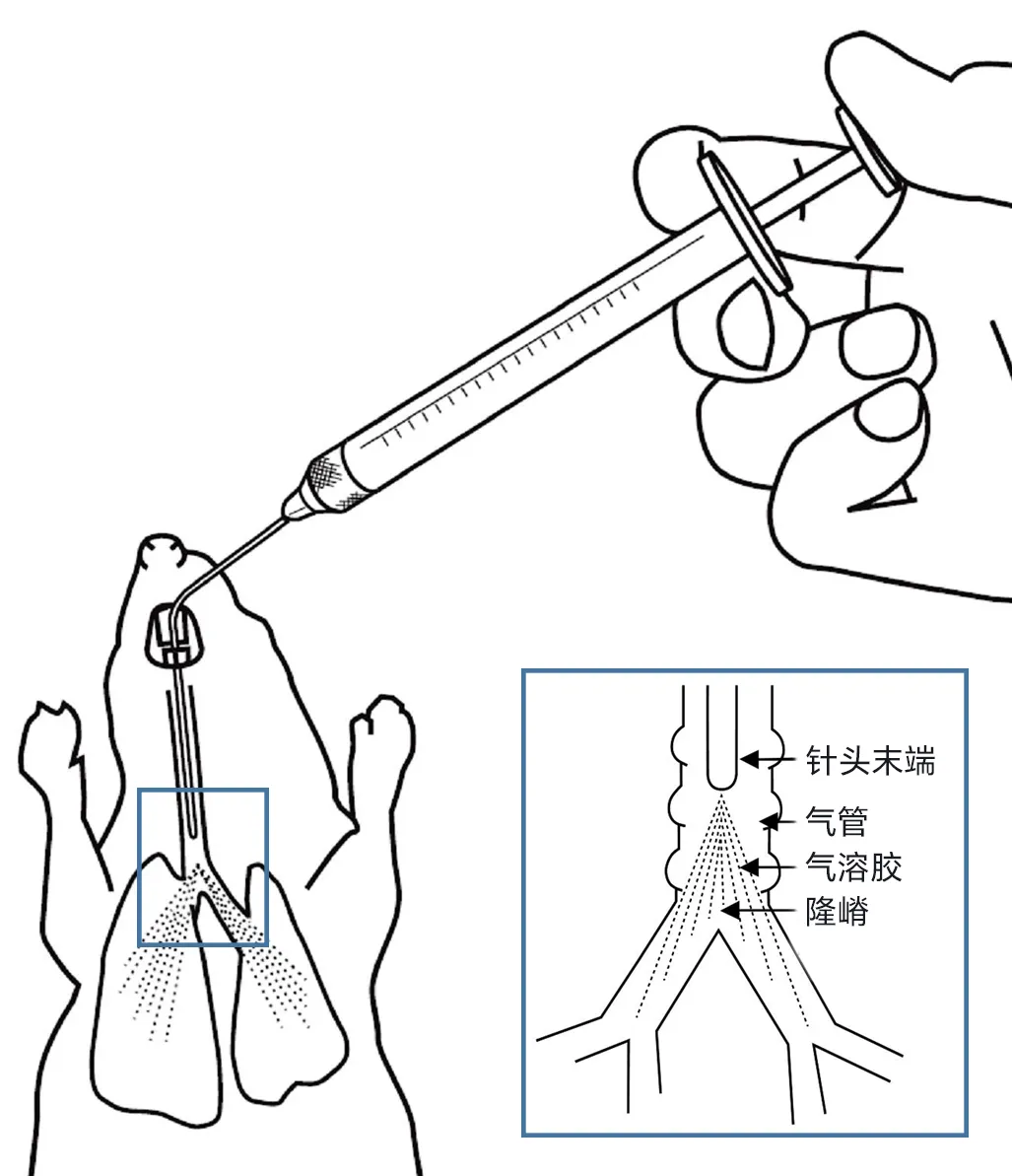
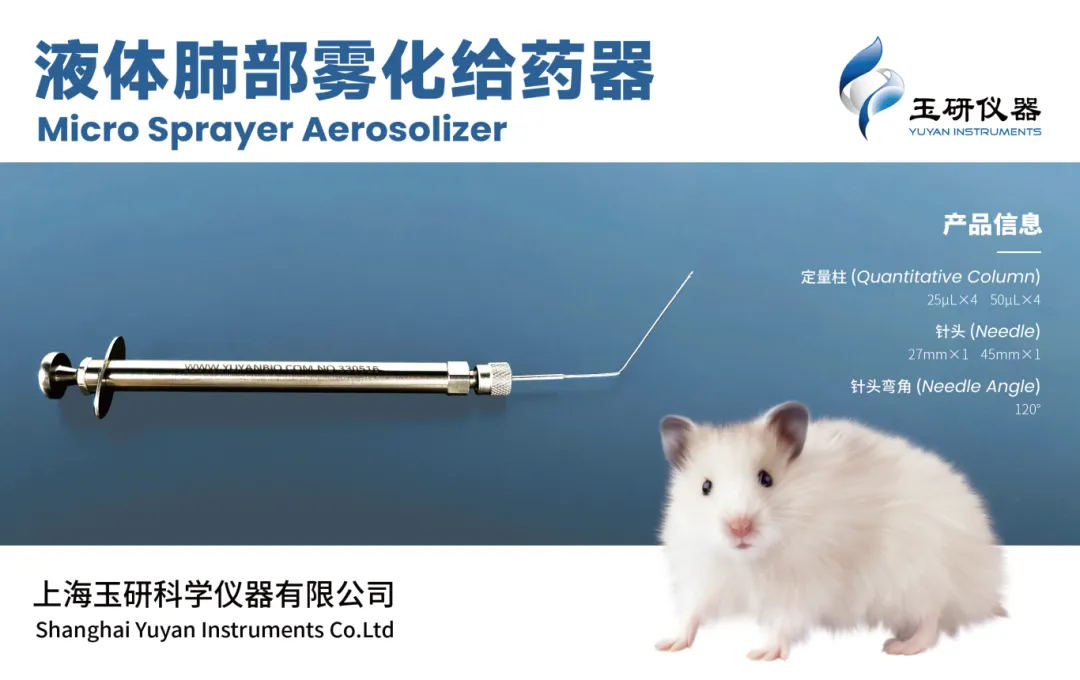
Yuyan Instruments' pulmonary atomization drug delivery device (Microsprayer Aerosolizer), also known as an intratracheal atomization drug delivery device, is a device specifically designed for small animals such as mice, rats, and guinea pigs, and can accurately perform intratracheal atomization drug delivery. A quantitative liquid can be atomized through an aerosol atomization micro-nozzle integrated in a stainless steel capillary cannula. The capillary cannula can penetrate deep into the animal to the bronchial bifurcation to achieve quantitative atomization into aerosol drug delivery in the trachea. Compared with traditional oral or injection administration, drugs can act directly on the lungs and are suitable for research on lung physiology, pathology, and pharmacology. According to the different states of administration, they can also be divided into liquid administration and dry powder administration.
Technical advantages:
Advanced liquid atomization technology: Through precise design and efficient operating mechanisms, 90% of the drug atomization diameter is less than 30μm (liquid), quickly and evenly converting liquid drugs into tiny mist particles that can be evenly distributed in the lung tissue of mice and rats;
Improve drug utilization and experimental accuracy: Direct intratracheal administration eliminates first-pass elimination and minimizes systemic drug effects, ensuring that the drug directly and evenly covers the target cells, tissues, or samples, achieving the treatment of local or systemic diseases.
Precisely control the dosage: precise micro-dosing, with a minimum drug dosage of 25μL (liquid), ensuring consistency and accuracy of each dosing in the experiment and ensuring the repeatability of the experiment;
Various drug types: can be used for administration of solutions, small cell suspensions, homogeneous suspensions, low viscosity emulsions, dry powders, etc.
Design and materials: Made of high-quality materials to ensure the safety and stability of the drug delivery process;
Easy to operate: easy to clean and maintain, reducing the workload of experimenters.
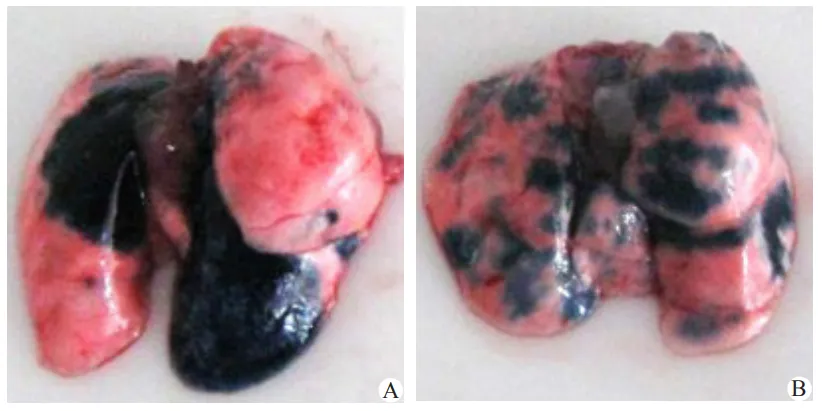
Compared with intrapulmonary instillation, pulmonary aerosolization can make the drug more evenly distributed:
Distribution of Evans blue solution in lung tissue after intratracheal instillation (A) and intratracheal aerosolization (B)
Studying the mechanism of pulmonary absorption: By administering labeled liquid drugs, the absorption and transport processes of drugs in the alveoli and interstitial space can be observed. The absorption rate and extent of drugs in different parts of the lungs, such as the alveoli and interstitial space, can also be accurately measured, thereby establishing a reliable drug absorption model.
Analysis of pulmonary metabolic processes: Using pulmonary liquid administration technology, the formation and changes of drug metabolites in the lungs after administration can be detected, helping to analyze the activity and metabolic pathways of pulmonary metabolic enzymes. It can also analyze the metabolic dynamics of drugs in the lungs, including metabolic rate, formation and clearance of metabolites;
Evaluation of pulmonary clearance mechanisms: Pulmonary fluid administration can be used to study the effects of alveolar macrophages, pulmonary surfactant, ciliary motility, etc. on drug clearance;
Exploring lung immune responses and barrier function: By administering immunostimulants, we can observe the activation of lung immune cells and inflammatory responses. Using labeled particles or macromolecules as probes, we can assess the regulatory effects of barrier structures such as the pulmonary endothelium and epithelium on the permeability of substances.
Establish a pharmacokinetic model of the pulmonary-systemic circulation: Through pulmonary administration data, a detailed pharmacokinetic model of the pulmonary-plasma-systemic circulation can be established to more accurately predict the absorption, distribution, metabolism and clearance process of drugs in the body.
Liquid pulmonary nebulizer
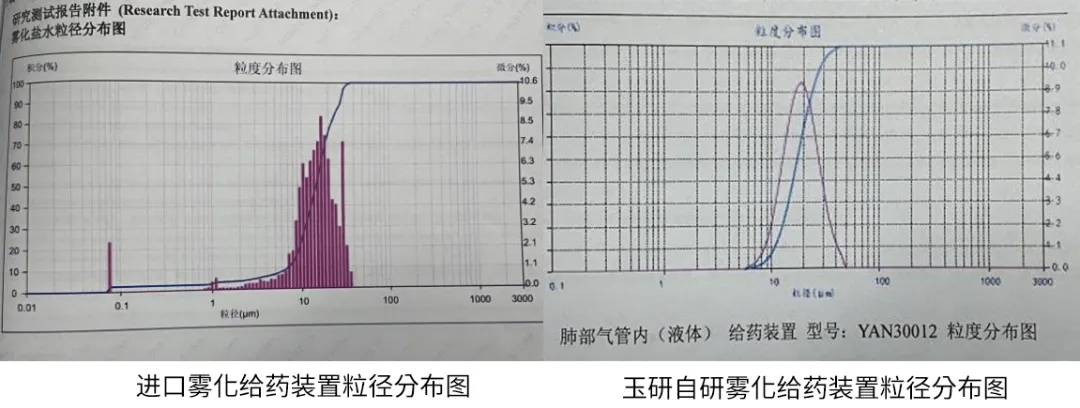
Yuyan Instruments' pulmonary nebulizer drug delivery device can provide a professional particle size distribution test report from the Chinese Institute of Chemistry. From the report, it can be seen that the particle size distribution of Yuyan Instruments' pulmonary nebulizer drug delivery device is highly consistent with that of similar products imported from abroad (discontinued).
Demonstration of the atomization effect of Yuyan Instrument's pulmonary atomization drug delivery device

Yuyan pulmonary drug delivery device blockage removal device
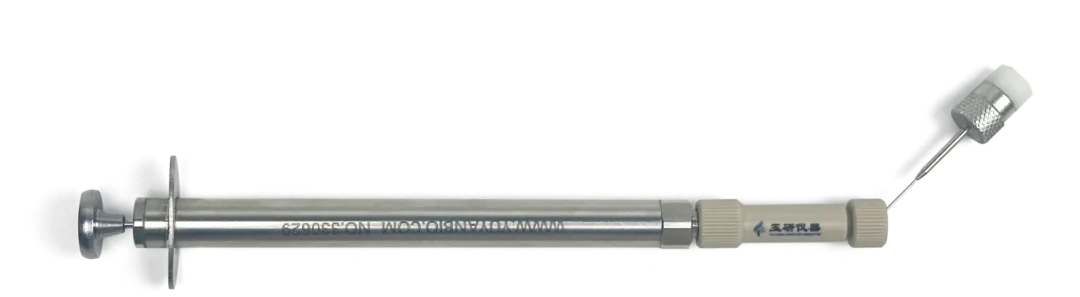
Main Function: The purpose of the blockage remover is to clear blockages in the needle tube of the pulmonary drug delivery device, such as residual drug solution, adhered particles or other impurities. This ensures that the drug can reach the lungs smoothly and achieve the desired therapeutic effect.
Main Function: The purpose of the blockage remover is to clear blockages in the needle tube of the pulmonary drug delivery device, such as residual drug solution, adhered particles or other impurities. This ensures that the drug can reach the lungs smoothly and achieve the desired therapeutic effect.
Easy to use: The blockage remover is designed as a handheld tool, which is easy to operate. Users can easily use it for daily equipment maintenance without complicated operations;
Easy to clean: Made of high-performance PEK (polyetherketone) material, it can be sterilized using common high-temperature and high-pressure steam or alcohol, making it easy to clean and disinfect, ensuring that no new contaminants are introduced during use.
Related products
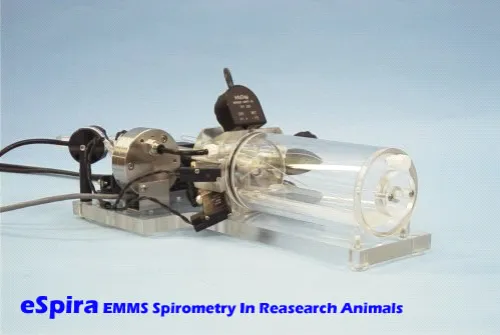
The UK-based EMMS Forced Vital Function Monitoring System, also known as the eSpira™ FMS System, is specifically designed for animal lung function research. It plays a vital role in studies of mouse models of lung injury, providing precise measurements of key parameters such as forced vital capacity, total lung capacity, and peak expiratory flow. These data provide valuable insights into lung diseases, enabling researchers to rapidly assess changes in animal lung function, effectively monitor disease progression, and test new treatments.
The system's high level of automation and data analysis capabilities not only improve experimental efficiency but also ensure the accuracy of results, significantly advancing the research of respiratory diseases. The physiological parameters provided by the eSpira™ FMS system are consistent with human lung function tests and are widely used in preclinical research, particularly for the study of acute and chronic respiratory diseases such as COPD, emphysema, pulmonary fibrosis, silicosis, acute lung injury, and mechanical ventilation-induced lung injury. It is an indispensable tool in these research fields.
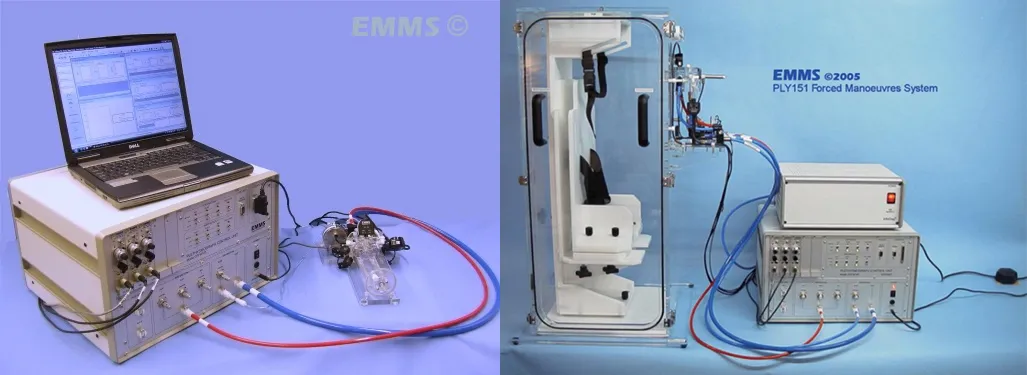
Comprehensiveness: The system can detect all physiological data related to lung function, including key indicators such as forced vital capacity (FVC), forced expiratory volume (FEV), peak expiratory flow (PEF), and maximum mid-expiratory flow (MMEF);
Automation: The FM system is highly automated and can automatically analyze and detect the lung function data of anesthetized animals, reducing human errors and improving experimental efficiency;
Applicability: Suitable for a variety of experimental animals, including mice, rats, guinea pigs, dogs, and primates, making it an ideal tool for studying different lung injury models;
Rapidity: The system can complete the measurement of lung function parameters within minutes, including FEV(x), FEF(x), FVC, FRC, FEVpef, etc.
Research Support: The ePacq (EMMS Post Acquisition) analysis software application provides researchers with instant access to data recorded using the EMMS eDacq and displays the data in tabular and graphical formats for easy review and presentation.
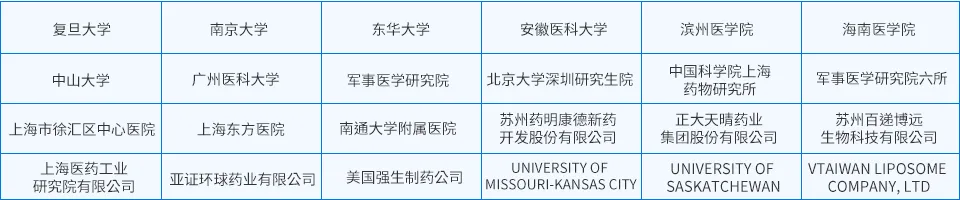
User List
- Prev: Literature Interpretation | Good news for myocardial infarction patients with IF=10.7!A domestic team discovered a new target for inhibiting ischemia-reperfusion injury
- Next: Literature Express | Yuyan's pulmonary atomization device (IF=15.1) helps elastase nanocomplex eliminate lung cancer cells