




Starr MouseOx | Small Animal Pulse Oximeter Non-invasively Monitors Vital Signs of Mice and Rats, Driving New Advances in Epidemic Treatment Research
Date:2024-07-23
Author:Yuyan Instrument
So far in the 21st century, more than a dozen novel viral pandemics, including COVID-19, have emerged. As the emergence of these novel epidemic viruses is expected to become more frequent, human society urgently needs to formulate relevant strategic policies to develop widely effective treatments that can be used immediately in future epidemics.
If a treatment method can act on both viral and immune-mediated pathological reactions, prolong the treatment window after the onset of pathological symptoms and reduce drug resistance, then this treatment method will not only help treat the disease, but also benefit the patient's health recovery after treatment.
In February 2024, Professor Yuan Shuofeng's team from the University of Hong Kong published a new article in Nature Communications titled "PMI-controlled mannose metabolism and glycosylation determines tissue tolerance and virus fitness". The article studied the effects of D-mannose metabolism on virus-induced immune metabolic responses and its relief of tissue damage, and found that metabolic reprogramming of D-mannose can inhibit virus-induced inflammatory cytokine production.
The article focuses on the effects of D-mannose metabolism on the immune metabolic response triggered by viruses such as H1N1 and SARS-CoV-2, as well as its mitigation of tissue damage. The team found that metabolic reprogramming of D-mannose can inhibit virus-induced inflammatory cytokine production. Combination therapy of D-mannose and antiviral monotherapy has an in vivo synergistic effect in viral infection models, although antiviral treatment is delayed. Studies have shown that PMI (phosphomannose inhibitory enzyme) activity determines the beneficial effects of D-mannose, and PMI inhibitors inhibit the replication of multiple viruses by affecting the glycosylation of host and viral surface proteins. However, D-mannose does not inhibit PMI activity or viral adaptability. Comprehensive research shows that PMI-centered treatment strategies can eliminate viral infections, while D-mannose treatment can reprogram glycolysis to control collateral damage.
To further investigate the key determinants of host health besides viral load, namely tolerance to viral infection-induced tissue damage, the literature monitored vital signs (pulse amplitude, blood oxygen saturation, respiratory rate, and heart rate) of H1N1-infected mice treated with PBS or mannose and found that the pulse amplitude and blood oxygen saturation of mannose-treated mice were significantly better than those of PBS-treated mice.
Figure: Comparison of blood oxygen, heart rate, respiratory rate, and pulse amplitude in different experimental groups
To accurately measure blood oxygen levels, heart rate, and respiratory rate in mice, the authors used the MouseOx Plus pulse oximeter from Starr Life Sciences in the United States. Designed specifically for noninvasive pulse oximetry in mice and rats, the MouseOx Plus enables simultaneous, noninvasive, and long-term monitoring of multiple physiological parameters in both awake and anesthetized animals.
Pulse oximetry is a key component. Initially limited by technical limitations and equipment precision, pulse oximetry measurements were often inaccurate. However, with advances in optical technology, particularly the introduction of near-infrared spectroscopy, pulse oximetry measurements in mice and rats have become increasingly accurate and reliable. Today, this technology is widely used in research fields such as cardiovascular and respiratory diseases, and in drug efficacy evaluation, providing scientists with important experimental tools and data support.
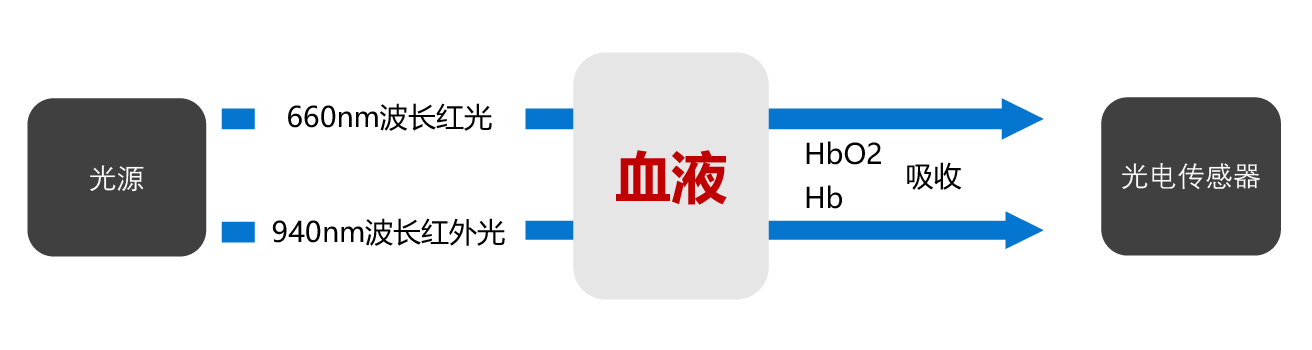
By utilizing this characteristic, the sensor probe emits red light with a wavelength of 660nm and infrared light at 940nm. Hb and HbO2 have different absorption spectra under these two specific light fields. The light absorption detected by the photoelectric sensor can be converted into the saturation of oxygenated hemoglobin. This is the basic principle of the pulse oximeter.
Because breathing and heartbeat both have subtle effects on blood vessels, and mice and rats have heart rates of up to 400-600 bpm, and their respiratory rates are much higher than humans, pulse oximetry monitoring in mice and rats requires more sensitive sensors and specialized algorithms. Starr Life Sciences' MouseOx Plus pulse oximeter, through 20 years of product development and technological optimization, is specifically tailored to the high heart and respiratory rates of mice and rats. Through analysis of relevant optical signals, it not only provides accurate pulse oximetry but also provides additional physiological parameters such as pulse rate, respiratory rate, pulse amplitude, and respiratory amplitude. The addition of a temperature probe also allows real-time monitoring of the animal's body temperature under anesthesia.
Main Features
1. Support anesthesia and awake measurements
Proprietary waveform optimization algorithms are independently optimized for animals in anesthesia and awake states. Special sensors and software modules continuously monitor animal physiological signals in both awake and anesthesia states.
2. Non-invasive measurement of up to 7 parameters
A single pulse oximeter probe can measure up to six physiological parameters, including blood oxygen saturation, pulse rate, respiratory rate, pulse amplitude, and respiratory amplitude. An additional temperature probe can also measure rectal temperature, eliminating the need for invasive surgical procedures, reducing experimental workload and minimizing harm to animals.
3. Multi-channel expansion function
By simply adding a Multiplexer multi-channel expansion box, you can expand up to 16 channels. A single MouseOx Plus host can conduct experiments on multiple animals simultaneously, greatly improving experimental efficiency.
4. Analog signal output expansion
By selecting the analog signal output module, the original analog signal can be output. It can be used with various physiological signal recorders or other hardware that supports analog signal input to conduct more complex and personalized experiments.
Supporting software
MouseOx Plus software enables both anesthetized and awake measurements. The software features proprietary waveform optimization algorithms that are independently optimized for animals in anesthetized and awake states. Special sensors and software modules continuously monitor animal physiological signals, regardless of whether the animal is awake or anesthetized.
Data is displayed in real time, events can be marked, and the software automatically plots curves, clearly showing the trends of physiological parameters over time. Acquired data can be replayed and recorded in a dedicated format for in-app playback. All recorded physiological signals and other data recordable by other software can be quickly displayed and filtered, with a variety of customizable export options. All signal and event data can be exported in CSV format, compatible with popular third-party software such as SPSS and Excel.
Various sensors
MouseOx Plus pulse oximeter can be used with a variety of sensors of different types and sizes for experiments under different conditions.
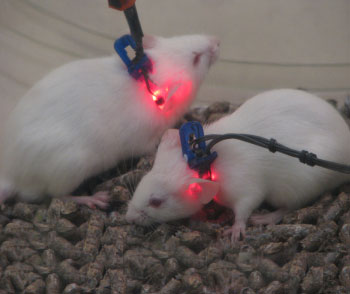
For example, a neck clamp can be used to monitor awake animals without interfering with their free movement. For experiments on the mouse throat or neck, a leg clamp can be used for monitoring without affecting the experimental operation. Sensors of different sizes can be suitable for animals of different weights to prevent the sensor from being too tight or too loose, causing animal injury or sensor falling off.
Optional sensors include: neck clamp, throat clamp, leg clamp, foot clamp, claw clamp; temperature sensor and nuclear magnetic compatible sensor are also optional.
Yuyan Instruments is committed to creating the most professional encyclopedia in the field of animal research instruments. It has established a deep cooperative relationship with STARR and has a very mature full-process pre-sales and after-sales service system for STARR products, providing users in China with more comprehensive, in-depth and professional product technical support.
Quantifying metabolic oxygen rate using multimodal near-infrared spectroscopy and MRI: a cryogenic validation study
This paper describes a novel method combining near-infrared spectroscopy (NIRS) and magnetic resonance imaging (MRI) to assess metabolic parameters such as cerebral oxygen uptake rate (CMRO2), cerebral blood flow (CBF), and oxygen extraction fraction (OEF) in the brains of living mice and rats. This method can be applied to study brain metabolism in patients and a variety of mouse/rat models of brain diseases.
Under hypothermia, the authors detected a significant decrease of 37% and 32% in the cerebral cortex of mice and rats, respectively. Q10 was calculated to be 3.2 in mice and 2.7 in rats. This study demonstrated that by combining NIRS with MRI, metabolic indicators such as CMRO2, CBF, and OEF can be non-invasively assessed in the living brains of mice and rats. This will open up new possibilities for studying brain metabolism in patients and brain diseases in a variety of mouse/rat models.
The paper used the MouseOx Plus system with an MRI-compatible pulse oximeter to measure arterial oxygen saturation in mice and rats, and calculated indicators such as cerebral oxygen uptake rate (CMRO2), cerebral blood flow (CBF), and oxygen extraction fraction (OEF) through relevant calculations, thereby obtaining preliminary research results on metabolism.
Case 2
Acute cardiovascular and cardiopulmonary effects of JWH-018 in awake and freely moving mice: mechanisms of action and possible detoxification interventions
This study investigated the cardiovascular and respiratory effects of JWH-018 and the impact of antiarrhythmic drugs, calcium channel blockers, anticholinergics, and beta-blockers on these effects. The study found that all antiarrhythmic drugs tested reduced JWH-018-induced tachycardia and tachycardia events and improved respiratory function. Only the anticholinergic atropine completely restored JWH-018-induced bradycardia and pulse pressure, making it the only antiarrhythmic drug capable of reversing JWH-018-induced vasoconstriction. The antiarrhythmic drug almitrine (5 mg/kg) reversed the JWH-018-induced decrease in respiratory rate.
The literature uses MouseOx Plus to measure the heart rate, pulse amplitude, respiratory rate, and blood oxygen parameters of animals in the awake state. Using these as core indicators, the article analyzes the acute cardiovascular and cardiopulmonary effects of various drugs and draws conclusions about the differences in the different pharmacological effects of the drugs.
Case 3
Midline thalamic circuits determine responses to visual threat
The ventral midline thalamus (vMT), the nucleus xiphoid (Xi), and the nucleus regulus (Re) are key hubs in the network that controls behavioral responses to visual threats. In this article, the authors focused on how the vMT is responsible for translating internal states into behavioral responses of the opposite category to perceived threats.
In a study, optogenetics was used to activate the dorsal tegmental area (vMT) in mice. Activation of the vMT increased tail twitching and running behaviors, while freezing and hiding behaviors decreased. This suggests that vMT activation may be involved in the animal's response to threat. Furthermore, the study found that after vMT activation, mice ran more frequently in an open field and less frequently in a shelter. These results suggest that vMT activation may affect animals' motor behavior and anxiety responses.
During the experiment, the MouseOx Plus small animal pulse oximeter monitored changes in the animals' heart rate and respiratory rate before and after laser stimulation while their vMT was active, reflecting their motor behavior and anxiety responses. The chart shows that after the laser was turned on, the animals' heart rate increased significantly, and after the laser was turned off, their heart rate recovered. In the control group, there was no significant change before and after.
2. Marchetti, Beatrice et al. “Acute Cardiovascular and Cardiorespiratory Effects of JWH-018 in Awake and Freely Moving Mice: Mechanism of Action and Possible Antidotal Interventions?.” International journal of molecular sciences vol. 24,8 7515. 19 Apr. 2023, doi:10.3390/ijms24087515
3. Hashem, Mada et al. “The relationship between cytochrome c oxidase, CBF and CMRO2 in mouse cortex: A NIRS-MRI study.” Journal of cerebral blood flow and metabolism : official journal of the International Society of Cerebral Blood Flow and Metabolism vol. 43,8 (2023): 1351-1364. doi:10.1177/0271678X231165842
4. Doyle, Michelle R et al. “Strain and sex-related behavioral variability of oxycodone dependence in rats.” Neuropharmacology vol. 237 (2023): 109635. doi:10.1016/j.neuropharm.2023.109635
5. Fish, Brian L et al. “IPW-5371 mitigates the delayed effects of acute radiation exposure in WAG/RijCmcr rats when started 15 days after PBI with bone marrow sparing.” International journal of radiation biology vol. 99,7 (2023): 1119-1129. doi:10.1080/09553002.2023.2173825
6. Liu, Yanqiu et al. "Hypoxic White Matter Injury and Recovery After Reoxygenation in Adult Mice: Magnetic Resonance Imaging Findings and Histological Studies." Cellular and molecular neurobiology vol. 43,5 (2023): 2273-2288. doi:10.1007/s10571-022-01305-5
If a treatment method can act on both viral and immune-mediated pathological reactions, prolong the treatment window after the onset of pathological symptoms and reduce drug resistance, then this treatment method will not only help treat the disease, but also benefit the patient's health recovery after treatment.

In February 2024, Professor Yuan Shuofeng's team from the University of Hong Kong published a new article in Nature Communications titled "PMI-controlled mannose metabolism and glycosylation determines tissue tolerance and virus fitness". The article studied the effects of D-mannose metabolism on virus-induced immune metabolic responses and its relief of tissue damage, and found that metabolic reprogramming of D-mannose can inhibit virus-induced inflammatory cytokine production.

The article focuses on the effects of D-mannose metabolism on the immune metabolic response triggered by viruses such as H1N1 and SARS-CoV-2, as well as its mitigation of tissue damage. The team found that metabolic reprogramming of D-mannose can inhibit virus-induced inflammatory cytokine production. Combination therapy of D-mannose and antiviral monotherapy has an in vivo synergistic effect in viral infection models, although antiviral treatment is delayed. Studies have shown that PMI (phosphomannose inhibitory enzyme) activity determines the beneficial effects of D-mannose, and PMI inhibitors inhibit the replication of multiple viruses by affecting the glycosylation of host and viral surface proteins. However, D-mannose does not inhibit PMI activity or viral adaptability. Comprehensive research shows that PMI-centered treatment strategies can eliminate viral infections, while D-mannose treatment can reprogram glycolysis to control collateral damage.
To further investigate the key determinants of host health besides viral load, namely tolerance to viral infection-induced tissue damage, the literature monitored vital signs (pulse amplitude, blood oxygen saturation, respiratory rate, and heart rate) of H1N1-infected mice treated with PBS or mannose and found that the pulse amplitude and blood oxygen saturation of mannose-treated mice were significantly better than those of PBS-treated mice.
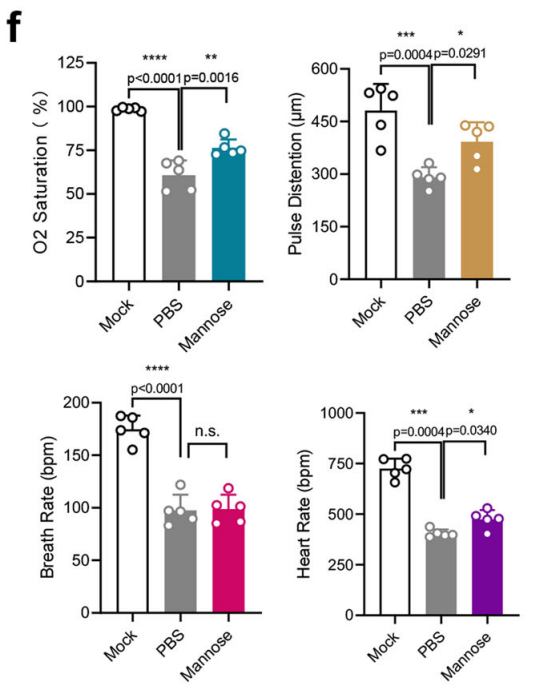
Figure: Comparison of blood oxygen, heart rate, respiratory rate, and pulse amplitude in different experimental groups
To accurately measure blood oxygen levels, heart rate, and respiratory rate in mice, the authors used the MouseOx Plus pulse oximeter from Starr Life Sciences in the United States. Designed specifically for noninvasive pulse oximetry in mice and rats, the MouseOx Plus enables simultaneous, noninvasive, and long-term monitoring of multiple physiological parameters in both awake and anesthetized animals.
Technological Development of Pulse Oximetry in Rats and Mice
The technology of measuring pulse oximetry in mice and rats has a long history in biomedical research. Since the rapid development of biomedical technology at the end of the last century, scientists have begun to explore how to accurately measure physiological indicators in rodents through non-invasive methods.Pulse oximetry is a key component. Initially limited by technical limitations and equipment precision, pulse oximetry measurements were often inaccurate. However, with advances in optical technology, particularly the introduction of near-infrared spectroscopy, pulse oximetry measurements in mice and rats have become increasingly accurate and reliable. Today, this technology is widely used in research fields such as cardiovascular and respiratory diseases, and in drug efficacy evaluation, providing scientists with important experimental tools and data support.
MouseOx Plus: A monitoring tool focused on measuring pulse oximetry in mice and rats
MouseOx Plus, developed by Starr Life Sciences in the United States, is a device specifically designed for noninvasive pulse oximetry monitoring in mice and rats. Nearly 20 years ago, it was the first device on the market to monitor blood oxygen levels in awake mice and rats. Using a single sensor, researchers can noninvasively measure parameters such as blood oxygen saturation, pulse rate, respiratory rate, pulse amplitude, and respiratory amplitude in small animals (e.g., pups, mice, rats, and guinea pigs).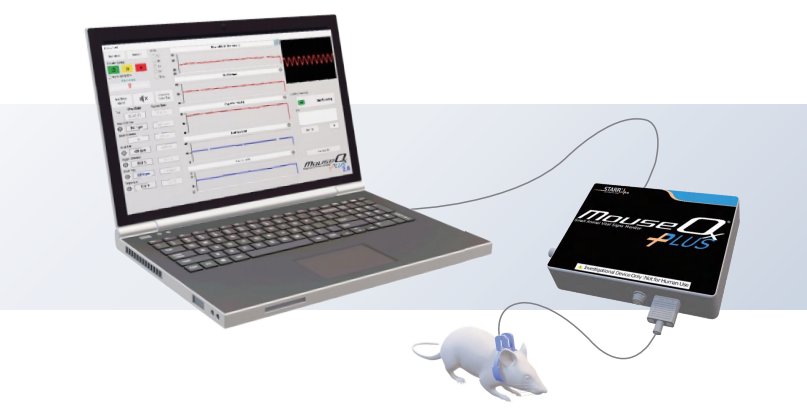
Instrument Principle
Early spectroscopic studies have demonstrated that Hb (hemoglobin) and HbO2 (oxyhemoglobin) absorb infrared light (940nm) and red light (660nm) differently. HbO2 absorbs more infrared light and allows red light to pass through; Hb absorbs more red light and allows infrared light to pass through.By utilizing this characteristic, the sensor probe emits red light with a wavelength of 660nm and infrared light at 940nm. Hb and HbO2 have different absorption spectra under these two specific light fields. The light absorption detected by the photoelectric sensor can be converted into the saturation of oxygenated hemoglobin. This is the basic principle of the pulse oximeter.
Because breathing and heartbeat both have subtle effects on blood vessels, and mice and rats have heart rates of up to 400-600 bpm, and their respiratory rates are much higher than humans, pulse oximetry monitoring in mice and rats requires more sensitive sensors and specialized algorithms. Starr Life Sciences' MouseOx Plus pulse oximeter, through 20 years of product development and technological optimization, is specifically tailored to the high heart and respiratory rates of mice and rats. Through analysis of relevant optical signals, it not only provides accurate pulse oximetry but also provides additional physiological parameters such as pulse rate, respiratory rate, pulse amplitude, and respiratory amplitude. The addition of a temperature probe also allows real-time monitoring of the animal's body temperature under anesthesia.
Hardware system
The MouseOx Plus signal acquisition host box is the core of the system. By combining different cables and sensors, it can realize physiological signal measurement under various states and experimental conditions. It is suitable for a variety of animals and can measure various data with high precision.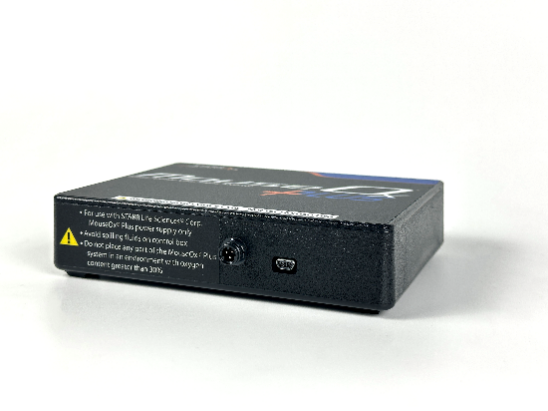
Main Features
1. Support anesthesia and awake measurements
Proprietary waveform optimization algorithms are independently optimized for animals in anesthesia and awake states. Special sensors and software modules continuously monitor animal physiological signals in both awake and anesthesia states.
2. Non-invasive measurement of up to 7 parameters
A single pulse oximeter probe can measure up to six physiological parameters, including blood oxygen saturation, pulse rate, respiratory rate, pulse amplitude, and respiratory amplitude. An additional temperature probe can also measure rectal temperature, eliminating the need for invasive surgical procedures, reducing experimental workload and minimizing harm to animals.
3. Multi-channel expansion function
By simply adding a Multiplexer multi-channel expansion box, you can expand up to 16 channels. A single MouseOx Plus host can conduct experiments on multiple animals simultaneously, greatly improving experimental efficiency.
4. Analog signal output expansion
By selecting the analog signal output module, the original analog signal can be output. It can be used with various physiological signal recorders or other hardware that supports analog signal input to conduct more complex and personalized experiments.
Supporting software
MouseOx Plus software enables both anesthetized and awake measurements. The software features proprietary waveform optimization algorithms that are independently optimized for animals in anesthetized and awake states. Special sensors and software modules continuously monitor animal physiological signals, regardless of whether the animal is awake or anesthetized.
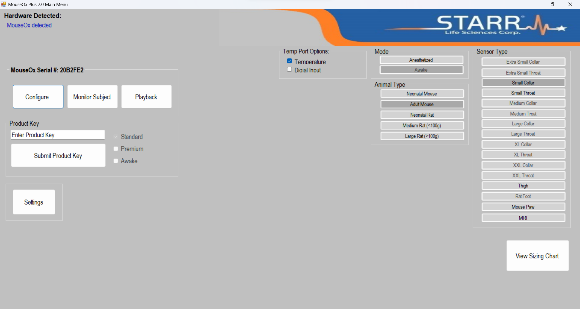
Data is displayed in real time, events can be marked, and the software automatically plots curves, clearly showing the trends of physiological parameters over time. Acquired data can be replayed and recorded in a dedicated format for in-app playback. All recorded physiological signals and other data recordable by other software can be quickly displayed and filtered, with a variety of customizable export options. All signal and event data can be exported in CSV format, compatible with popular third-party software such as SPSS and Excel.
Various sensors
MouseOx Plus pulse oximeter can be used with a variety of sensors of different types and sizes for experiments under different conditions.
For example, a neck clamp can be used to monitor awake animals without interfering with their free movement. For experiments on the mouse throat or neck, a leg clamp can be used for monitoring without affecting the experimental operation. Sensors of different sizes can be suitable for animals of different weights to prevent the sensor from being too tight or too loose, causing animal injury or sensor falling off.
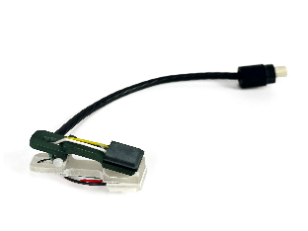
Optional sensors include: neck clamp, throat clamp, leg clamp, foot clamp, claw clamp; temperature sensor and nuclear magnetic compatible sensor are also optional.
About STARR
The MouseOx Plus pulse oximeter, manufactured by STARR (USA), is the world's first and only patented non-invasive vital sign monitoring system designed specifically for mice, rats, and other small laboratory animals (Patent No. 8,005,624). Used by thousands of researchers worldwide from universities, pharmaceutical companies, and research institutions, the MouseOx Plus has been published in over a thousand SCI-indexed papers.Yuyan Instruments is committed to creating the most professional encyclopedia in the field of animal research instruments. It has established a deep cooperative relationship with STARR and has a very mature full-process pre-sales and after-sales service system for STARR products, providing users in China with more comprehensive, in-depth and professional product technical support.
More Case Studies
Case 1Quantifying metabolic oxygen rate using multimodal near-infrared spectroscopy and MRI: a cryogenic validation study
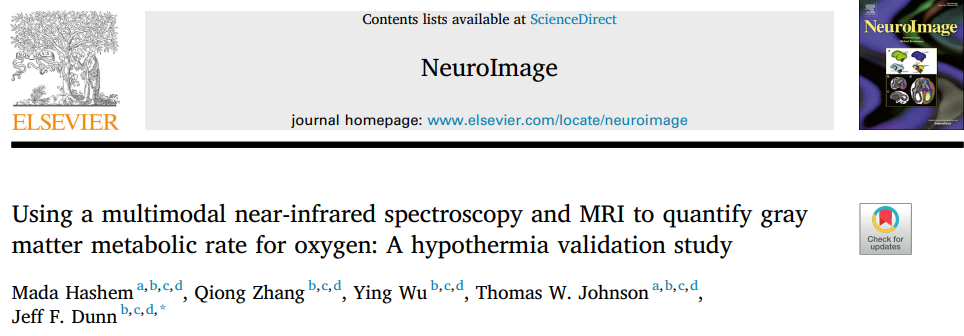
This paper describes a novel method combining near-infrared spectroscopy (NIRS) and magnetic resonance imaging (MRI) to assess metabolic parameters such as cerebral oxygen uptake rate (CMRO2), cerebral blood flow (CBF), and oxygen extraction fraction (OEF) in the brains of living mice and rats. This method can be applied to study brain metabolism in patients and a variety of mouse/rat models of brain diseases.
Under hypothermia, the authors detected a significant decrease of 37% and 32% in the cerebral cortex of mice and rats, respectively. Q10 was calculated to be 3.2 in mice and 2.7 in rats. This study demonstrated that by combining NIRS with MRI, metabolic indicators such as CMRO2, CBF, and OEF can be non-invasively assessed in the living brains of mice and rats. This will open up new possibilities for studying brain metabolism in patients and brain diseases in a variety of mouse/rat models.
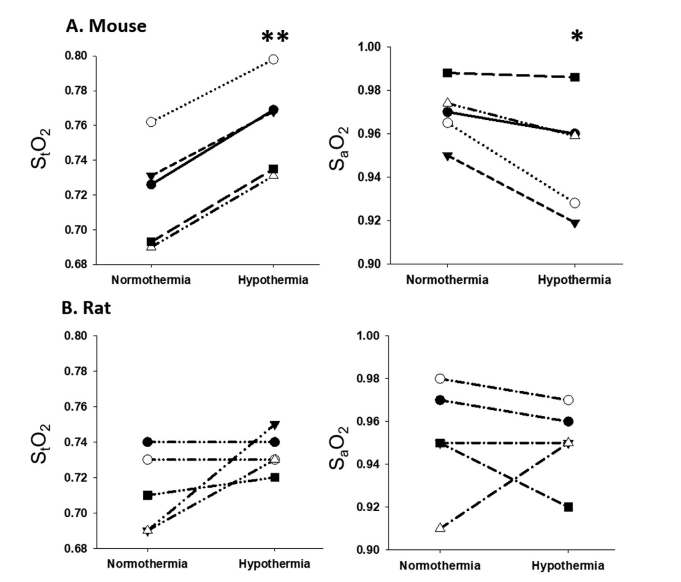
The paper used the MouseOx Plus system with an MRI-compatible pulse oximeter to measure arterial oxygen saturation in mice and rats, and calculated indicators such as cerebral oxygen uptake rate (CMRO2), cerebral blood flow (CBF), and oxygen extraction fraction (OEF) through relevant calculations, thereby obtaining preliminary research results on metabolism.
Case 2
Acute cardiovascular and cardiopulmonary effects of JWH-018 in awake and freely moving mice: mechanisms of action and possible detoxification interventions
This study investigated the cardiovascular and respiratory effects of JWH-018 and the impact of antiarrhythmic drugs, calcium channel blockers, anticholinergics, and beta-blockers on these effects. The study found that all antiarrhythmic drugs tested reduced JWH-018-induced tachycardia and tachycardia events and improved respiratory function. Only the anticholinergic atropine completely restored JWH-018-induced bradycardia and pulse pressure, making it the only antiarrhythmic drug capable of reversing JWH-018-induced vasoconstriction. The antiarrhythmic drug almitrine (5 mg/kg) reversed the JWH-018-induced decrease in respiratory rate.
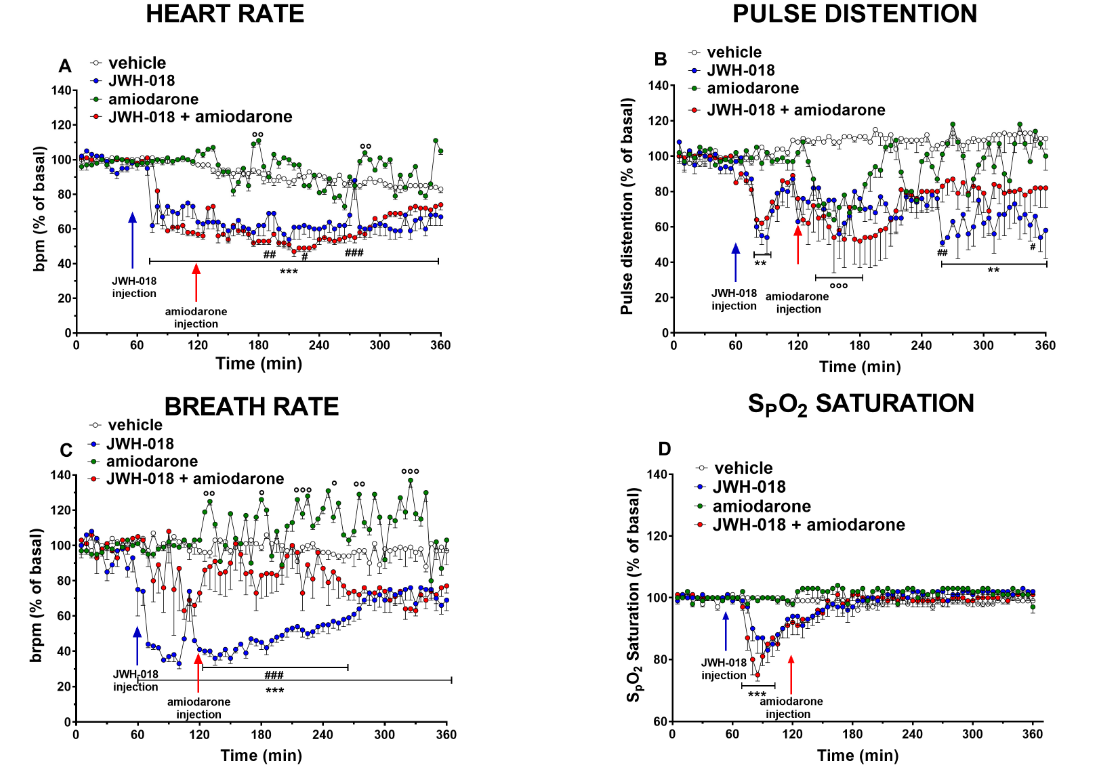
The literature uses MouseOx Plus to measure the heart rate, pulse amplitude, respiratory rate, and blood oxygen parameters of animals in the awake state. Using these as core indicators, the article analyzes the acute cardiovascular and cardiopulmonary effects of various drugs and draws conclusions about the differences in the different pharmacological effects of the drugs.
Case 3
Midline thalamic circuits determine responses to visual threat
The ventral midline thalamus (vMT), the nucleus xiphoid (Xi), and the nucleus regulus (Re) are key hubs in the network that controls behavioral responses to visual threats. In this article, the authors focused on how the vMT is responsible for translating internal states into behavioral responses of the opposite category to perceived threats.
In a study, optogenetics was used to activate the dorsal tegmental area (vMT) in mice. Activation of the vMT increased tail twitching and running behaviors, while freezing and hiding behaviors decreased. This suggests that vMT activation may be involved in the animal's response to threat. Furthermore, the study found that after vMT activation, mice ran more frequently in an open field and less frequently in a shelter. These results suggest that vMT activation may affect animals' motor behavior and anxiety responses.
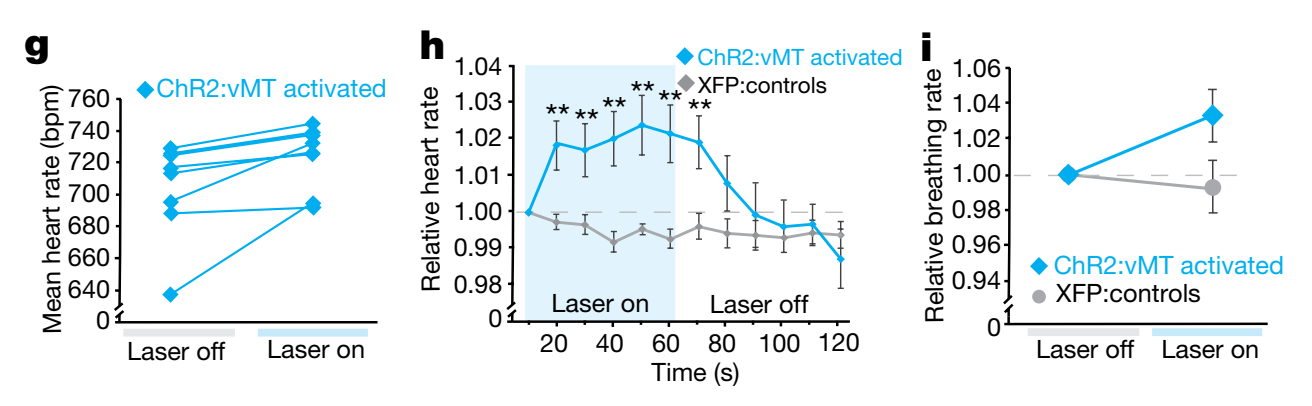
During the experiment, the MouseOx Plus small animal pulse oximeter monitored changes in the animals' heart rate and respiratory rate before and after laser stimulation while their vMT was active, reflecting their motor behavior and anxiety responses. The chart shows that after the laser was turned on, the animals' heart rate increased significantly, and after the laser was turned off, their heart rate recovered. In the control group, there was no significant change before and after.
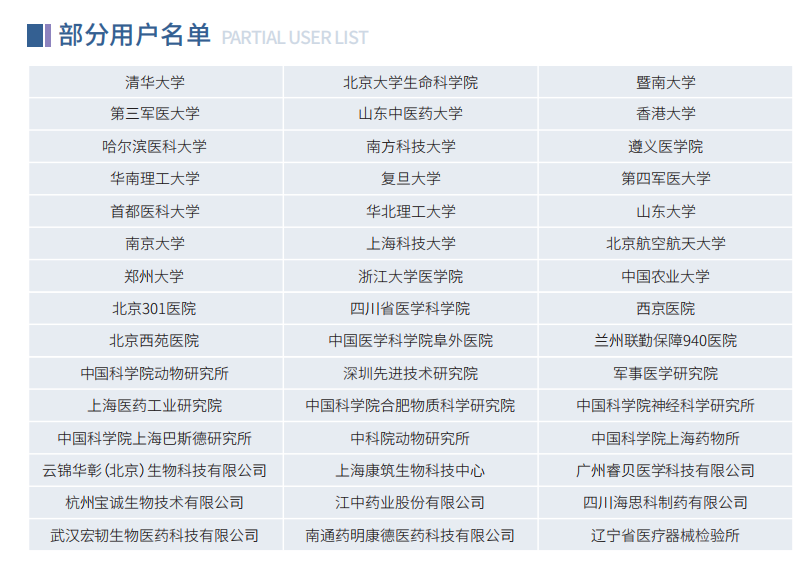
Partial user list
Further Reading
1. Wei, Zhiliang et al. “Toward accurate cerebral blood flow estimation in mice after accounting for anesthesia.” Frontiers in physiology vol. 14 1169622. 12 Apr. 2023, doi:10.3389/fphys.2023.11696222. Marchetti, Beatrice et al. “Acute Cardiovascular and Cardiorespiratory Effects of JWH-018 in Awake and Freely Moving Mice: Mechanism of Action and Possible Antidotal Interventions?.” International journal of molecular sciences vol. 24,8 7515. 19 Apr. 2023, doi:10.3390/ijms24087515
3. Hashem, Mada et al. “The relationship between cytochrome c oxidase, CBF and CMRO2 in mouse cortex: A NIRS-MRI study.” Journal of cerebral blood flow and metabolism : official journal of the International Society of Cerebral Blood Flow and Metabolism vol. 43,8 (2023): 1351-1364. doi:10.1177/0271678X231165842
4. Doyle, Michelle R et al. “Strain and sex-related behavioral variability of oxycodone dependence in rats.” Neuropharmacology vol. 237 (2023): 109635. doi:10.1016/j.neuropharm.2023.109635
5. Fish, Brian L et al. “IPW-5371 mitigates the delayed effects of acute radiation exposure in WAG/RijCmcr rats when started 15 days after PBI with bone marrow sparing.” International journal of radiation biology vol. 99,7 (2023): 1119-1129. doi:10.1080/09553002.2023.2173825
6. Liu, Yanqiu et al. "Hypoxic White Matter Injury and Recovery After Reoxygenation in Adult Mice: Magnetic Resonance Imaging Findings and Histological Studies." Cellular and molecular neurobiology vol. 43,5 (2023): 2273-2288. doi:10.1007/s10571-022-01305-5