




Ugo Basile | Thermal Pain Testing Experiment – Introduction to the Plantar Hot Spot Tester Experiment
Background and Purpose
The Hargreaves test is a sensitive method designed specifically for assessing thermal pain perception in rodents such as rats and mice. It involves indirectly applying a heat stimulus generated by a focused light source to the plantar surface of the animal's hind paw. The paw withdrawal latency (PWL) is then measured and recorded as an indicator of thermal pain sensitivity. The plantar thermal thermometer, a fully automated device designed based on the Hargreaves test, offers several unique features.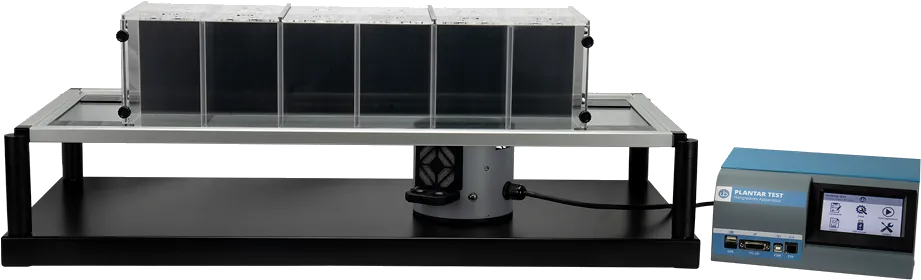
When using the plantar hot spot instrument to conduct the Hargreaves test, the animal is free and unrestrained, allowing for bilateral testing, and the experimental process is fully automated. The accompanying testing platform also allows for easy study of animal behavior following hyperalgesia. This test has been used in experiments such as pain hypersensitivity after nerve injury/regeneration or recovery of thermal pain responses. Pharmacologists have successfully used this test to reveal the effects of analgesic drugs and predict their analgesic effects in humans.
Application Areas
This device is used for animal neuropathic pain testing, such as sciatic nerve ligation (PNL), chronic constriction injury (CCI), and spinal nerve ligation (SNL), assisting in pain mechanism research and drug screening for allodynia and hyperalgesia. It can also be used for unilateral and contralateral thermal pain testing in mice and rats, as well as mandibular trigeminal nerve thermal pain hypersensitivity testing, for research on hyperalgesia following nerve injury.Experimental Preparation
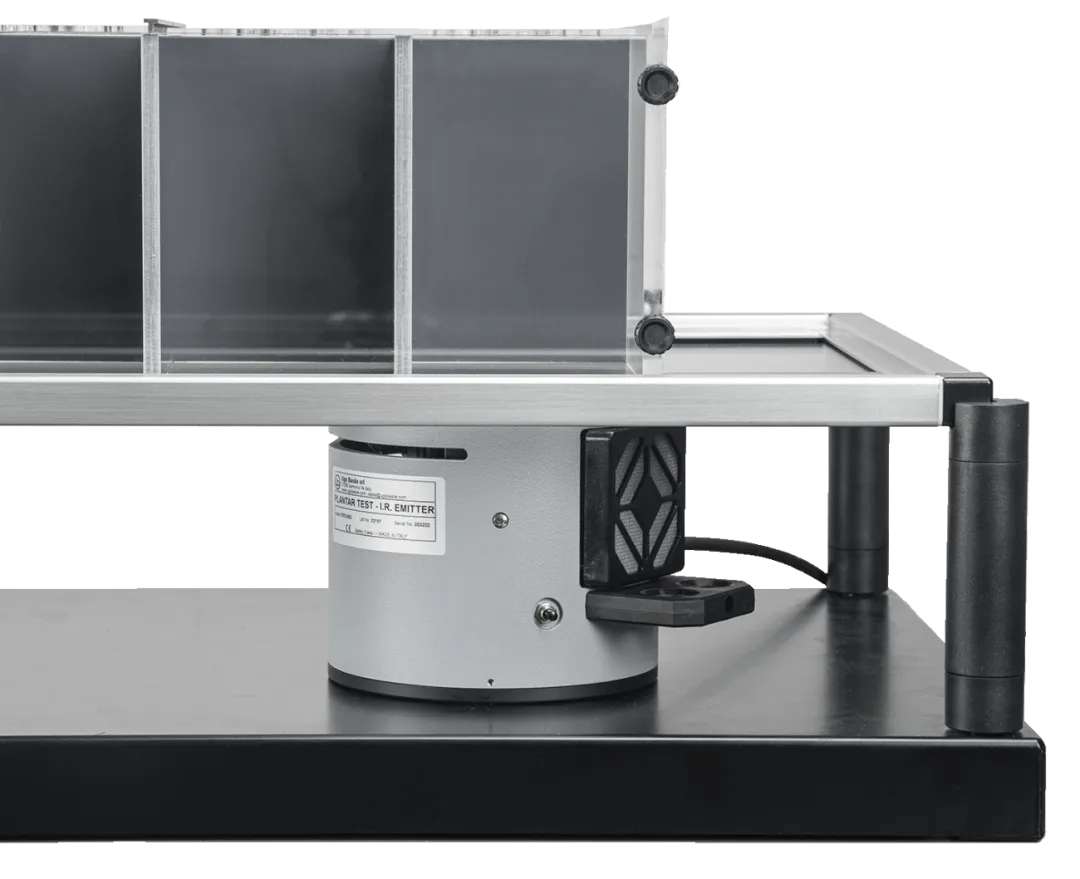
Prepare the foot test glass platform, infrared light emitter, test host, etc., and confirm that the equipment is working properly. Ensure that the infrared emitter's precise positioning and automatic detection function are working properly;
02Animal preparation:
To ensure experimental consistency, rats or mice of similar weight were selected;03Environmental adaptation:
Three days before the start of the experiment, the animals were placed in a fence on a glass plate and allowed to adapt to the experimental environment for 60 minutes every day to reduce stress reactions and improve experimental accuracy.
Experimental procedures
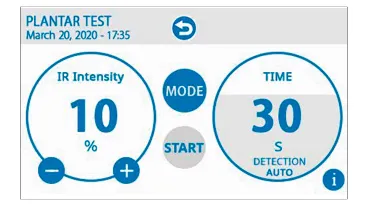
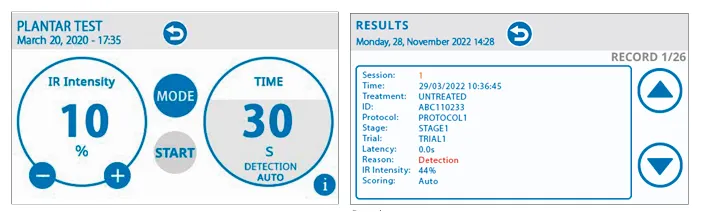
(1) Use the plantar hotspot meter and enter the measurement mode. You can set the appropriate stimulation intensity (usually set to 50%) and automatic stop time (usually set to 30s) according to the experimental requirements;
(2) After the setup is complete, you can begin preparing to stimulate the animal's soles.
02Animal Placement
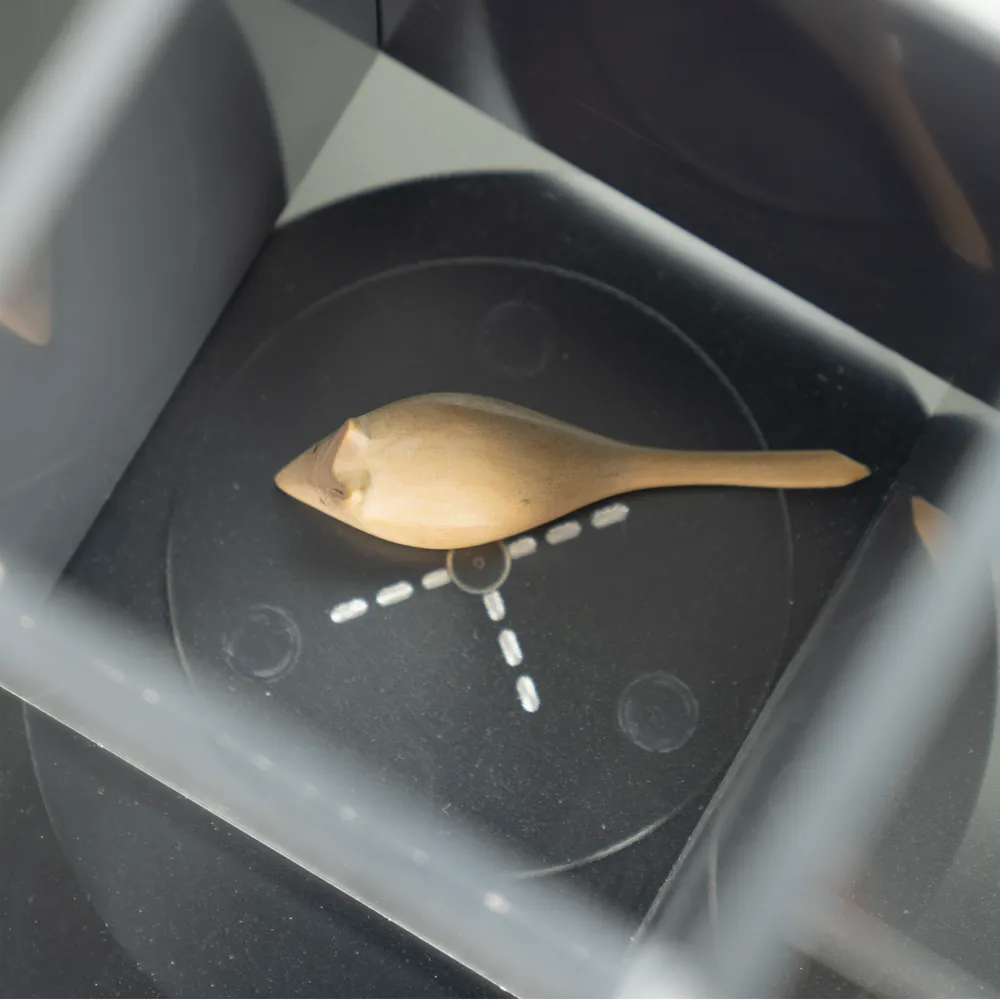
Place the animals on the plantar testing glass platform and allow them to adapt for about twenty minutes to ensure they can move freely in a certain space without being restrained. Wait until the animals are quiet and motionless before starting stimulation.
03 Thermal stimulation
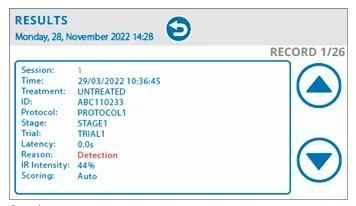
Move the infrared heat source to the stimulation site at the bottom of the glass plate. When the animal feels pain and withdraws its paw, the infrared heat source will automatically turn off and the reaction time recorder will automatically stop and store the data.
If you use the UGO Baslie plantar hotspot meter, you can select manual mode and click the MODE icon on the test page to switch to it. This is used in situations where automatic measurement of paw retraction is difficult.
04Data Collection and Analysis
Abnormal reaction time data were collected from all animals and statistically analyzed to assess differences in pain perception and response among animals.
05Experiment ends
After the experiment is completed, the test glass plate is cleaned and maintained to ensure that the equipment is in good condition and to remove the odor of the previous batch of animals in preparation for the next use.
Literature Case
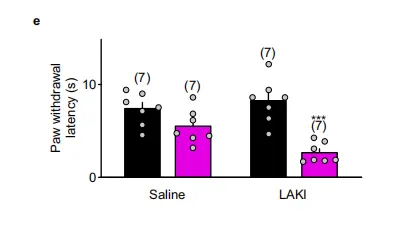
In 2023, Landra-Willm et al. conducted a Hargreaves test (plantar hotspot instrument) in mice injected with saline and LAKI to investigate whether LAKI (light-activated K+ channel inhibitor, a specific light-switch inhibitor of pain-related two-pore domain potassium TREK and TRESK channels) could induce pain behavior. Each mouse was placed in a separate transparent glass compartment with infrared light intensity set to 50%.Stimulate the hind paw of each mouse, record the time it takes for each mouse to withdraw its paw, and take the average value for comparison.
Combined with other behavioral experiments, it was confirmed that LAKI can induce acute pain-related behaviors.
Literature reference: Landra-Willm, Arnaud, et al. "A photoswitchable inhibitor of TREK channels controls pain in wild-type intact freely moving animals." Nature Communications 14.1 (2023): 1160.doi: IF 17.69
Experimental Notes
01Animal selection and adaptation:
Select healthy mice or rats and ensure they are acclimatized to the experimental environment before the experiment to reduce the impact of environmental factors on the experimental results;
02 Equipment Inspection:
Ensure that the infrared light source equipment works properly and set the appropriate infrared light intensity and maximum stop time;
03Temperature control:
During the experiment, the environment should be kept quiet and stable to avoid external factors interfering with the animal's response, and the accuracy and stability of temperature control should be ensured;
04Experimental repeatability:
Each animal can undergo multiple experiments, but a certain interval (e.g., 15 minutes) is required to avoid the cumulative effect of pain sensitivity, and a control group should be set up to exclude the influence of other factors on the experimental results;
05Data Processing:
The reaction times of each group of animals were averaged, and appropriate statistical methods were used to compare differences in pain thresholds between groups;
06Cleaning and disinfection:
After the experiment, the instrument should be cleaned and disinfected to avoid contamination and to remove any dirt or debris that may remain on the platform.
Equipment Introduction
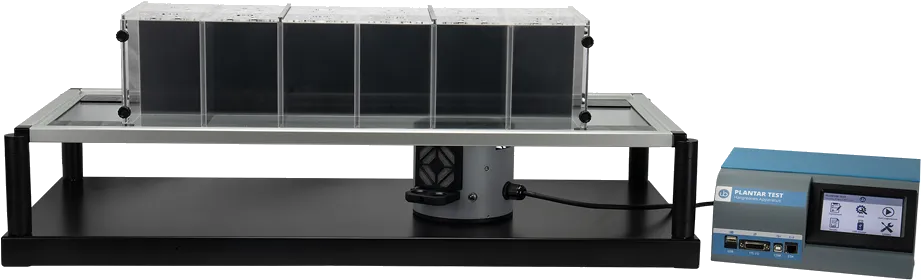
The Ugo Basile Infrared Plantar Hotspot Instrument, based on the Hargreaves method, is specifically designed for assessing thermal allodynia in mice and rats. It is the optimal device for measuring plantar thermal hyperalgesia in mice and rats. The instrument measures and automatically records the paw withdrawal latency (PWL) in response to thermal stimulation. Its infrared light source prevents the effects of visible light on animals, and the stimulation intensity is adjustable from 0-100% to meet diverse experimental needs. Furthermore, the optional rat facial stimulation fixture allows for testing trigeminal nerve thermal allodynia in rats. The Ugo Basile Plantar Hotspot Instrument has been recognized as a recommended instrument for the Hargreaves test (Bio-protocol, 2017) and has been published in over 2,000 SCI-indexed articles.
Features
01Automatically detect the animal's thermal pain threshold without light stress interference
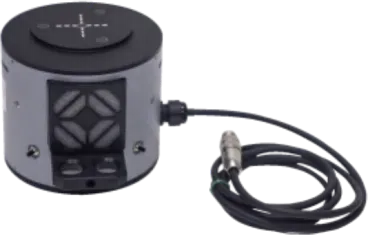
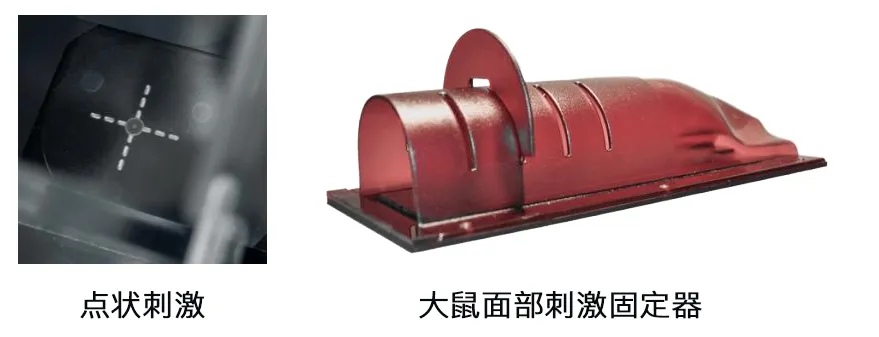
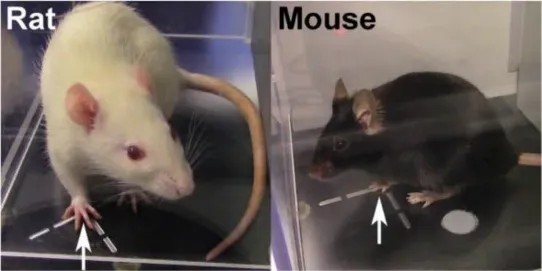
The Ugo Basile plantar thermal stimulation device uses invisible infrared light to stimulate the animal, avoiding the possibility of stress reactions caused by strong visible light. The top of the infrared transmitter is engraved with a crosshair, which can accurately locate the stimulation site on the plantar surface of mice and rats. It can also automatically detect the animal's paw withdrawal reaction and record the paw withdrawal latency.
02Perfect combination of point-like stimulation and thermal pain, compatible with a variety of experiments
Unlike the hot plate method, which uses thermal stimulation of the entire paw, the plantar hot spot instrument uses a focused infrared light source to generate a point-like thermal stimulus. This allows for small-scale, fixed-point stimulation of the plantar paw, as well as testing of both left and right paws, for unilateral/contralateral experiments. This eliminates the need for animal interaction, enhancing the authenticity of the test results. By using the optional rat facial stimulation fixture, it can also be used to test trigeminal nerve thermal pain hypersensitivity in the mandible of rats.
03High-throughput testing platform is compact and easy to use, with no interference between animals
The upper layer of the animal testing platform is in close contact with the infrared emitter surface, reducing interference between infrared light and the soles of the animals' feet. The transparent glass design allows for easy penetration of the light source without weakening it. The pen-style animal activity area can accommodate 12 mice or 6 rats at a time, reducing animal adaptation time and meeting the needs of high-throughput experiments.
04Infrared stimulation light intensity is adjustable, automatic or manual scoring
The infrared stimulation light intensity can be set from 1% to 100%, adapting to different animal models. The device automatically detects and stores the duration of paw withdrawal caused by pain, and can be manually stopped using a foot switch, which is often used when automatic paw withdrawal measurement is difficult.
Partial user list

Related Literature
1.La Montanara, Paolo, et al. "Cyclin-dependent–like kinase 5 is required for pain signaling in human sensory neurons and mouse models." Science translational medicine 12.551 (2020): eaax4846.doi:10.1126/scitranslmed.aax4846 IF 19.32
2.Feng, Jiao, et al. "A new painkiller nanomedicine to bypass the blood-brain barrier and the use of morphine." Science advances 5.2 (2019): eaau5148.doi: 10.1126/sciadv.aau5148 IF 14.96
3.Hsiao, Hung-Tsung, et al. "The analgesic effect of propofol associated with the inhibition of hypoxia inducible factor and inflammasome in complex regional pain syndrome." Journal of biomedical science 26 (2019): 1-11. doi:10.1186/s12929-019-0576-z IF 12.77
4. Zhou, Luming, et al. "Reversible CD8 T cell–neuron cross-talk causes aging-dependent neuronal regenerative decline." Science 376.6594 (2022): eabd5926. doi: 10.1126/science.abd5926 IF 63.71
5. Oswald, Manfred J., et al. "Cholinergic basal forebrain nucleus of Meynert regulates chronic pain-like behavior via modulation of the prelimbic cortex." Nature Communications 13.1 (2022): 5014.doi: IF 17.69
6.Landra-Willm, Arnaud, et al. "A photoswitchable inhibitor of TREK channels controls pain in wild-type intact freely moving animals." Nature Communications 14.1 (2023): 1160.doi: IF 17.69
7.Nees, Timo A., et al. "Role of TMEM100 in mechanically insensitive nociceptor un-silencing." Nature Communications 14.1 (2023): 1899. doi: 10.1038/s41467-023-36806-4IF 17.69
8. Zhang, Qiaosheng, et al. "A prototype closed-loop brain–machine interface for the study and treatment of pain." Nature Biomedical Engineering (2021): 1-13. doi: 10.1038/s41551-021-00736-7 IF 29.23
9. Zhang, Su-Bo, et al. "CircAnks1a in the spinal cord regulates hypersensitivity in a rodent model of neuropathic pain." Nature communications 10.1 (2019): 4119.doi:1 IF 17.69
10. Jiang, Wenhao, et al. "PGE2 activates EP4 in subchondral bone osteoclasts to regulate osteoarthritis." Bone research 10.1 (2022): 27. doi:10.1038/s41413-022-00201-4 IF 13.36
Further Reading
Regarding the application of Yuyan instruments in pain research, the following article is recommended. It details the comprehensive solution for studying thermal pain sensation and related behaviors in rodents using the Ugo Basile instrument, provided by Shanghai Yuyan Scientific Instrument Co., Ltd. The article discusses how instruments such as hot and cold plate testers, infrared plantar heat meters, tail flick testers, and thermal preference testers can be used to conduct in-depth research on the causes and mechanisms of pain and analgesic drugs, providing a scientific basis for pain management and treatment.
For more information on the applications of Yuyan instruments in pain research, we recommend reading the following tweet, which details the use of Ugo Basile devices, provided by Shanghai Yuyan Scientific Instrument Co., Ltd., for measuring mechanical pain in rodents. The article details the importance of pain testing in rodents and how to use Ugo Basile devices, including electronic analgesics, dynamic plantar analgesia, mechanical tenderness meter, and pressure applicator, to measure mechanical pain thresholds and study pain mechanisms.

For more information on the innovative application of Yuyan instruments in orofacial pain research, please read the following tweet. The article primarily introduces a novel orofacial pain tester developed by Italian company Ugo Basile. This behavioral test method is specifically designed for orofacial self-reward and punishment experiments in mice and rats. Using a reward-punishment model, this device can objectively assess orofacial pain symptoms in animals in preclinical studies, providing an advanced solution for orofacial pain assessment.


Yuyan Instruments was founded in 2010. With 14 years of independent research and development, it focuses on the design, production and sales of life science instruments such as IVC cages, animal gas anesthesia machines, and physiological signal acquisition systems. It is committed to providing customers with effective and reasonable system solutions for life science research and laboratory construction.
Yuyan Instruments has served more than 10,000 customers from domestic and foreign companies and organizations. It has established several offices and after-sales service centers across the country, such as Beijing, Shanghai, and Guangzhou. The instruments are widely used in major research institutes and universities and are widely praised.!