




Small Animal Pulse Oximeters Help Non-Invasive and Accurate Blood Oxygen Measurement in Animals with Lung Injury!(Detailed experimental methods are included)
Blood oxygen saturation (SpO2) is the percentage of oxygenated hemoglobin in the blood that is bound to oxygen to the total hemoglobin capacity. It is an important parameter of the respiratory and circulatory systems and plays an important role in the prevention, diagnosis, and monitoring of clinical diseases. It is also widely used as an important physiological indicator in animal surgical monitoring and respiratory and circulatory system-related research.
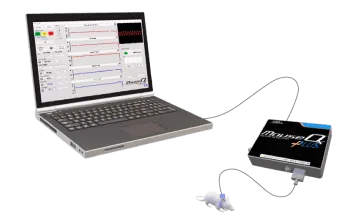
Traditional blood oxygen saturation measurement relies on an invasive method: drawing arterial blood, performing electrochemical analysis on a blood gas analyzer, and measuring the oxygen partial pressure, which is then calculated to obtain blood oxygen saturation. This method is the gold standard for measuring blood oxygen saturation. However, for small animals, the total blood volume is relatively small, making arterial blood collection more difficult and preventing continuous measurement.
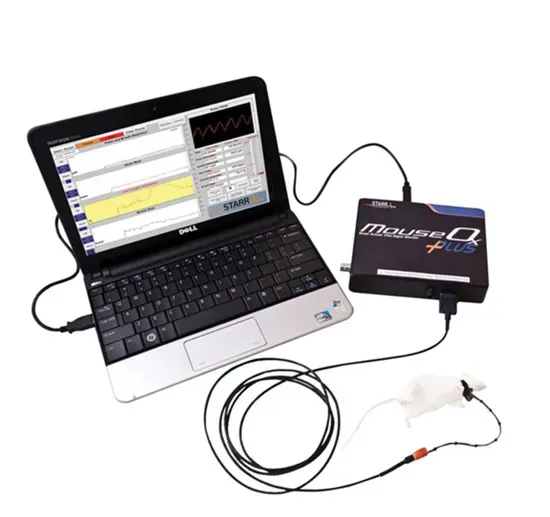
The MouseOx Plus pulse oximeter is designed specifically for SpO2 detection in mice and rats. Using only a single probe, it can measure physiological parameters such as blood oxygen saturation, pulse rate, and respiratory rate in mice and rats, enabling non-invasive, continuous, and accurate monitoring of SpO2 in mice and rats.
Literature Case
01. Role of matricellular protein SPARCL1 in influenza virus-induced lung injury
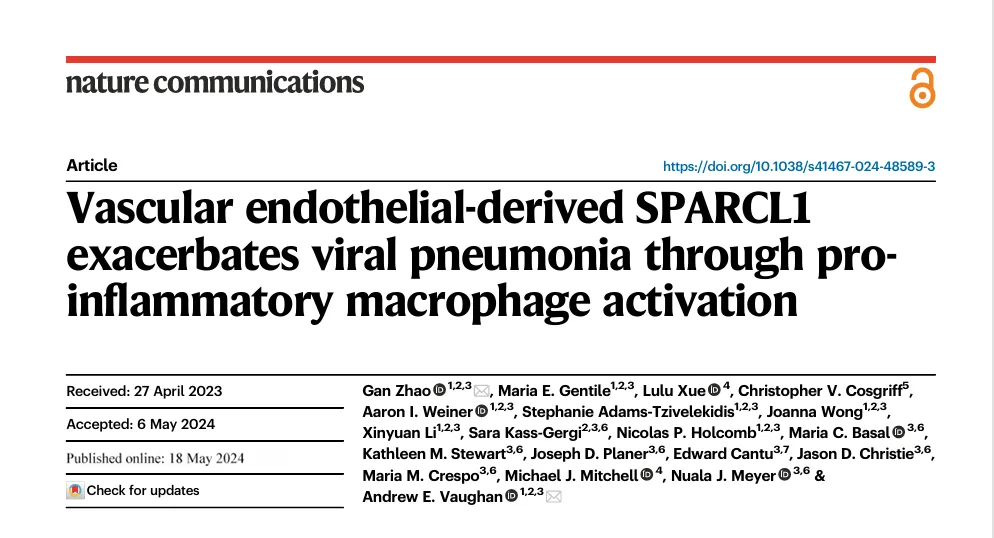
During the experiment, the MouseOx Plus neck clamp was used to continuously measure the blood oxygen saturation of mice with hair removal at a sampling frequency of 15 Hz for 3 minutes. The measurement results were exported, the erroneous values were filtered out, and the average value was used as the blood oxygen saturation result at that time point.
By comparing the blood oxygen saturation and other biochemical and immunological analyses of wild-type mice and Sparcl1 knockout mice, wild-type mice and Sparcl1 overexpression mice, and Sparcl1 overexpression mice and overexpression mice given TLR4 inhibitors within 24 days of influenza infection, it was demonstrated that SPARCL1 exacerbates pneumonia by stimulating TLR4 and promoting macrophage polarization.
This study revealed a new mechanism by which pulmonary capillary endothelial cells communicate with macrophages and activate macrophages, demonstrating that SPARCL1 levels can be used as a biomarker for pneumonia and that PARCL1/TLR4/NF-κB antagonists can be used as potential drugs to reduce inflammation.
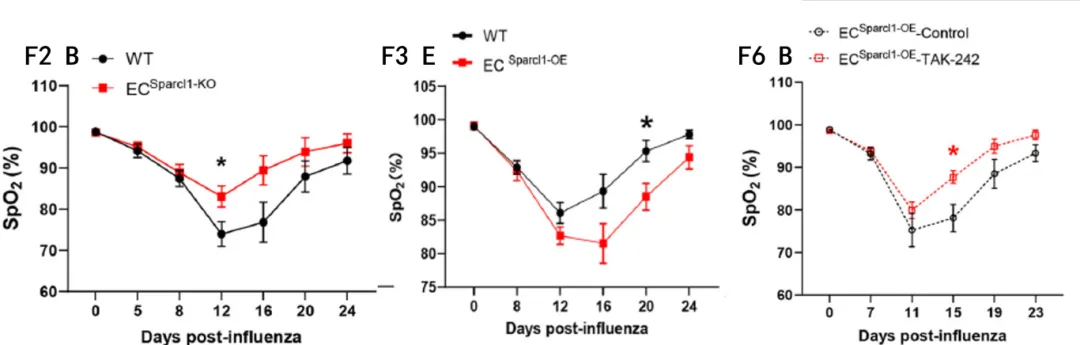
Figure F3 E: Sparcl1-overexpressing mice had lower blood oxygen levels, indicating that Sparcl1 overexpression exacerbated lung inflammation.
Figure F6 B: Sparcl1-overexpressing mice injected intraperitoneally with TAK-242 (a TLR4 inhibitor) had higher blood oxygen levels, suggesting that TLR4 is involved in exacerbating inflammation.
References:
Zhao, Gan et al. “Vascular endothelial-derived SPARCL1 exacerbates viral pneumonia through pro-inflammatory macrophage activation.” Nature communications vol. 15,1 4235. 18 May. 2024, doi:10.1038/s41467-024-48589-3 Endothelial-derived SPARCL1 exacerbates viral pneumonia IF 14.7 through pro-inflammatory macrophage activation
02. Blood oxygen monitoring during organ-specific and efficient delivery of mRNA

In the process of verifying pulmonary drug delivery, the research team used influenza virus to establish a mouse pulmonary vascular injury model, used Si5-N14 LNP to deliver fibroblast growth factor-2 (FGF-2) mRNA, and monitored the mouse blood oxygen through MouseOx Plus.
By comparing blood oxygen, body weight, tissue morphology and other methods, it was verified that FGF-2 mRNA administration via SiLNP can enhance pulmonary vascular repair, demonstrating the potential clinical application of targeted vascular endothelial treatment for diseases based on this delivery system.
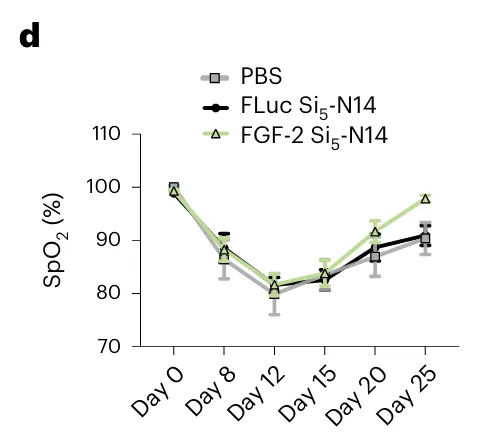
Figure F6 D: Mice administered FGF-2 via SiLNP had better recovery of blood oxygen saturation, indicating that SiLNP-delivered FGF-2 mRNA can enhance pulmonary vascular repair.
References:
Product Introduction
01. Product Introduction
The figure below compares the results of invasive blood gas sampling with those of the non-invasive MouseOx. The comparison shows that there is a good linear relationship between the two.
Features
01. Product Introduction
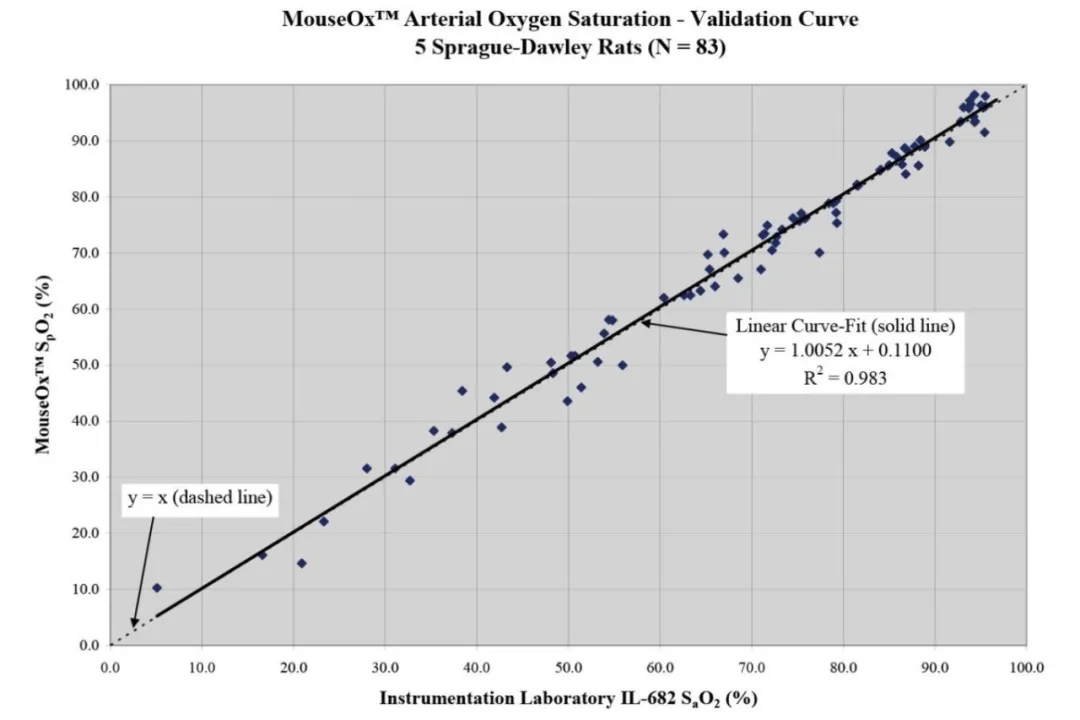
1. High accuracy comparable to that of a blood gas analyzer
The figure below compares the results of invasive blood gas sampling with those of the non-invasive MouseOx. The comparison shows that there is a good linear relationship between the two.
2. Support anesthesia measurement and awake measurement
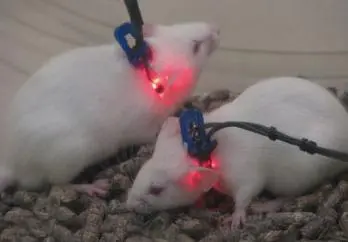
Proprietary waveform optimization algorithms are independently optimized for animals in anesthesia and awake states. Special sensors and software modules continuously monitor animal physiological signals in both awake and anesthetized states.
3. Non-invasive measurement of up to 7 parameters
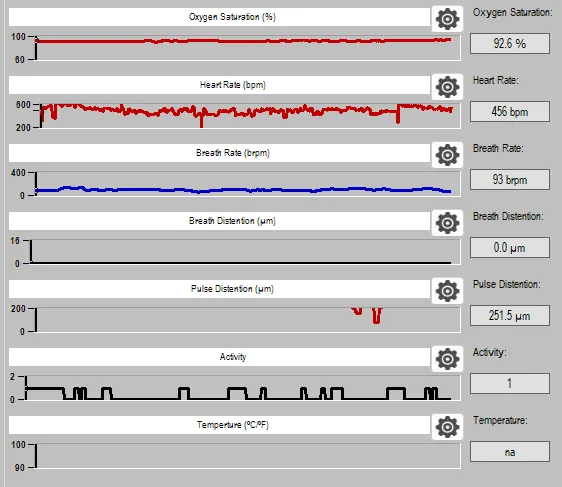
A single pulse oximeter probe can measure up to six physiological parameters, including blood oxygen saturation, pulse rate, respiratory rate, pulse amplitude, respiratory amplitude, and activity level. An additional temperature probe can also measure rectal temperature. This eliminates the need for invasive surgical procedures, reducing experimental workload and minimizing harm to animals.
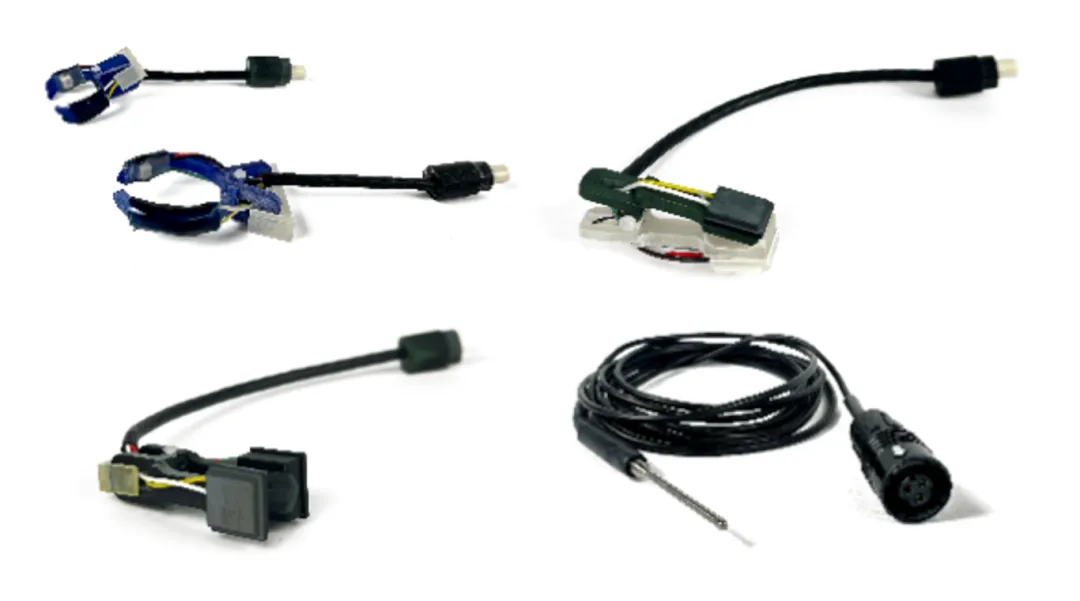
4. Rich sensor specifications to meet different experimental needs
It can be used with a variety of sensors of different types and sizes to meet the monitoring needs of different parts of rats, mice, and newborn rats of different sizes. It also has MRI-compatible sensors for use in MRI environments.
Application Areas
01. Translational Medicine Research
Acute respiratory diseases, ischemia, shock animal models, stroke and brain injury research, cardiovascular disease, hypoxia and inhalation poisoning research, etc.
02.Animal physiological monitoring
The instrument has a built-in alarm function that can be used to ensure appropriate anesthesia depth, prevent hypoxia, prevent intraoperative hypothermia, and adjust the amount of auxiliary oxygen during surgery.
Experimental methods
01Experimental Preparation
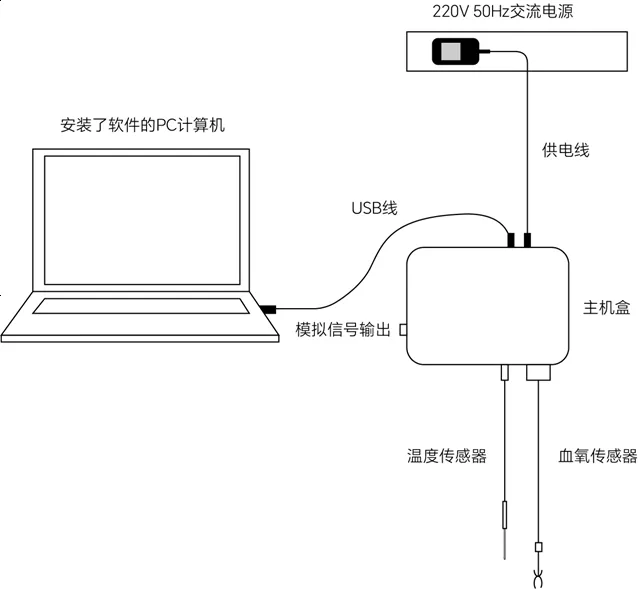
Open the device storage box and connect the main unit to the power supply, sensor, and computer, as shown in the figure. If testing in the awake state, you need to install the activity cage in advance. If testing in the anesthetized state, you need to prepare a warming plate to maintain body temperature.
2. Environmental Preparation
Choose a suitable experimental location, ensure the environment is warm, and free of fluorescent lights and other equipment that may cause fluorescence interference;
3. Animal Preparation
Prepare the experimental animals to be measured. If the animals have dark fur, they need to be shaved or depilated.
4. Early adaptation
Use adaptation clamps to clamp the experimental animals 15 minutes in advance to allow them to adapt in advance and prevent low blood oxygen levels caused by maladaptation;
5. Connect Animals
Select a suitable clamp according to the type, body size, and measurement site of the experimental animal, and clamp the clamp to the experimental animal.
02Parameter Settings
1. Software Activation
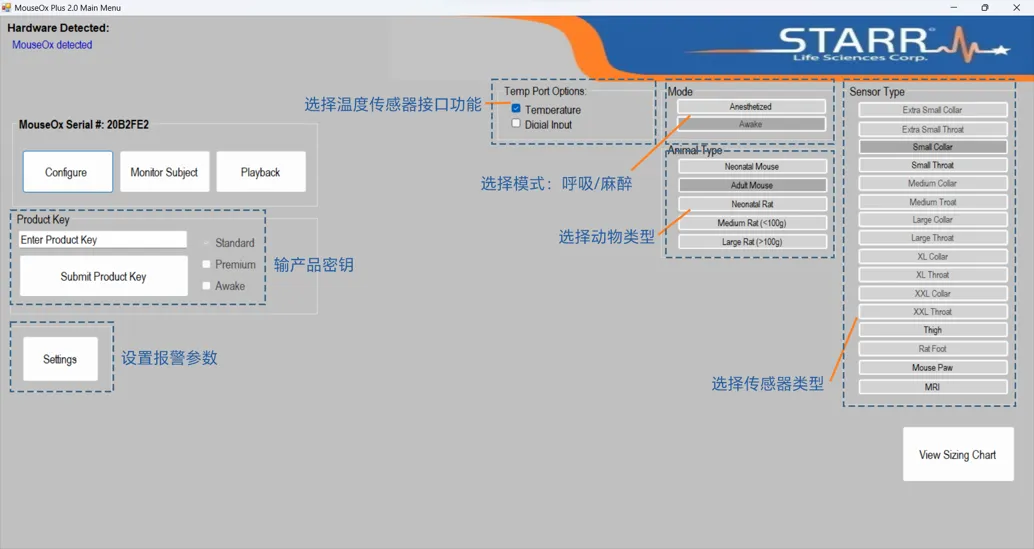
Open the installed software, enter the software activation key on the host box in the software parameter configuration, and click Submit to activate the data logging function;
2. Parameter settings
Set the detection mode, animal type, and sensor type monitoring function according to the experimental requirements. The software will optimize the data collection process based on the set parameters to improve data accuracy.
03Start monitoring
1. Enable monitoring
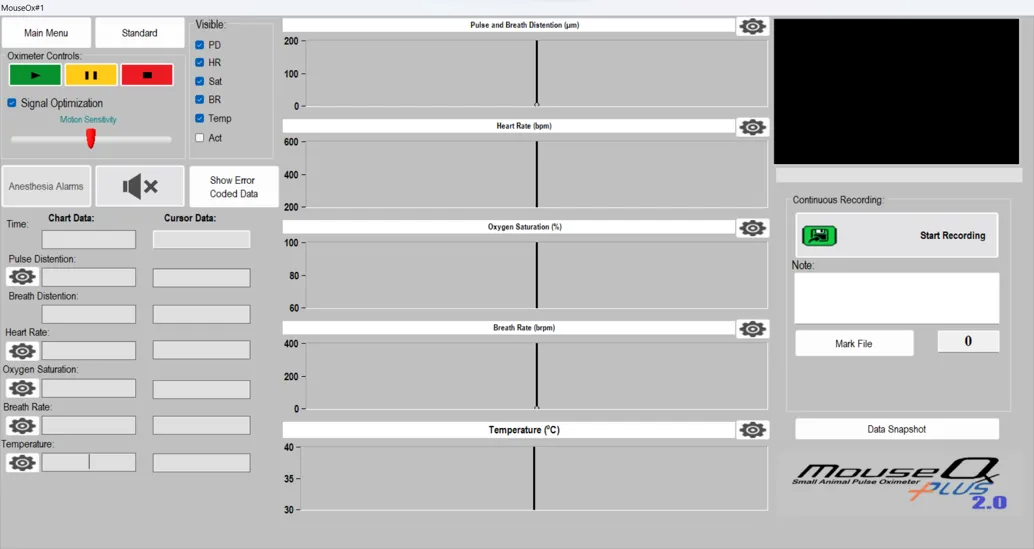
Click the green button to start monitoring. The sensor light should light up and a fluctuating red and yellow waveform will appear in the upper right corner of the monitoring interface, indicating that physiological signals have begun to be collected.
2. Pause monitoring
During the experiment, you can click the yellow button to pause the monitoring at any time, and click the green button to resume the monitoring, which is convenient for handling animals midway;3. Termination of monitoring
After completing the experiment, click the red button to terminate the monitoring.
04Data Collection
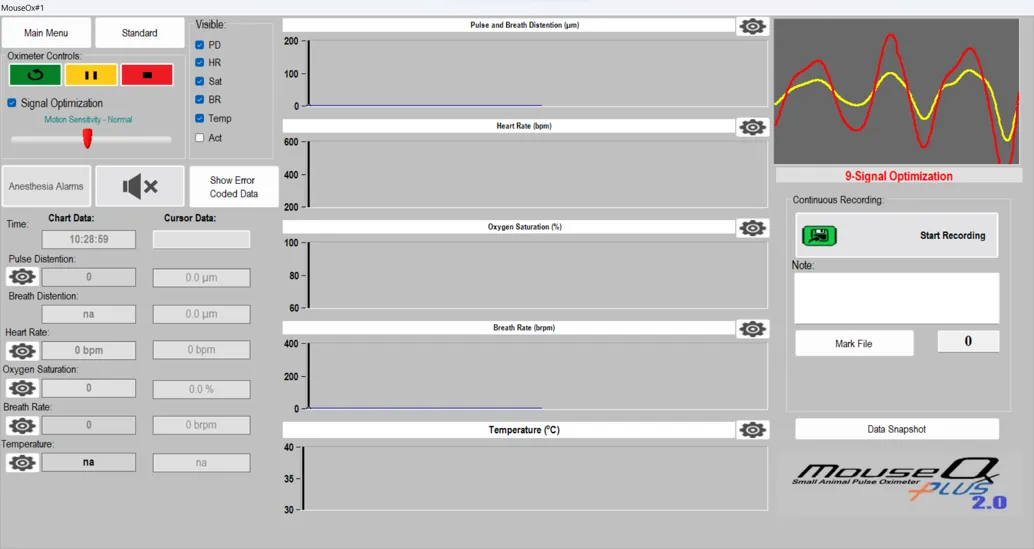
1. Determine monitoring status
When the red and yellow waveforms in the upper right corner are close and there is no red prompt below, it indicates that the monitoring status is stable and it is recommended to monitor at this time;
2. Start collecting
Click the green label "Start Recording" below the waveform to start data acquisition, and the data will begin to be saved in the computer;
3. End of collection
Click the red label "Stop Recording" below the waveform, and click the red stop button in the upper left corner to stop the entire monitoring process. The data will be saved in your preset folder;
4.Marking and recording
During the recording process, you can record and mark at any time through the Note and Mark File buttons. After exporting the data, this information will be presented together for easy later data processing.
05.Data playback
1. Open the data file
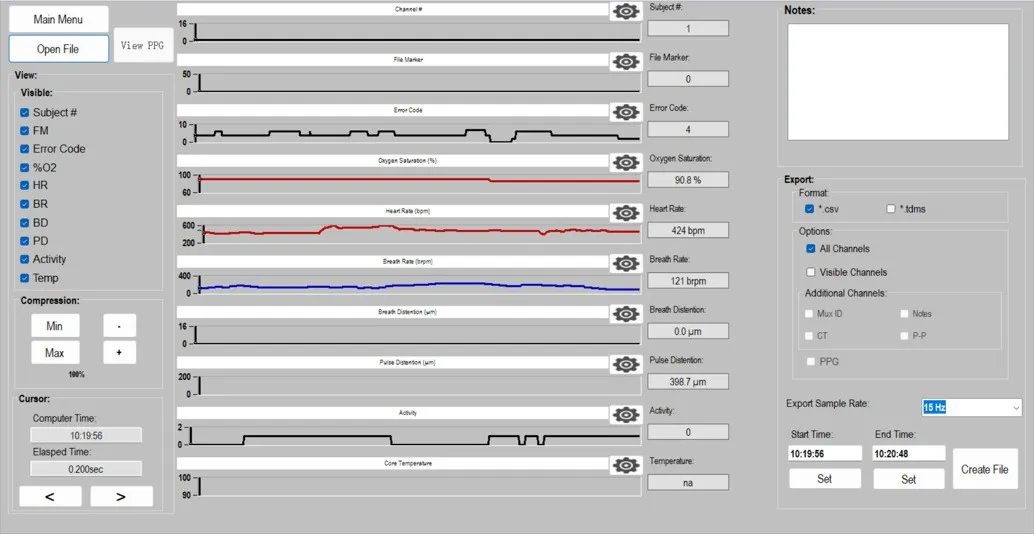
Return to the main interface of the software and click "Playback" to open the data playback. Click the "Open File" button in the upper left corner and select the MouseOx data file;
2. View the data
The software will present the waveform of each physiological parameter in the entire recorded data. Drag the vertical line on the waveform box to view the data of the current axis. If the PPG waveform is saved in the data file, click View PPG to view the blood volume graph.
06. Export data as a table
1. Data export
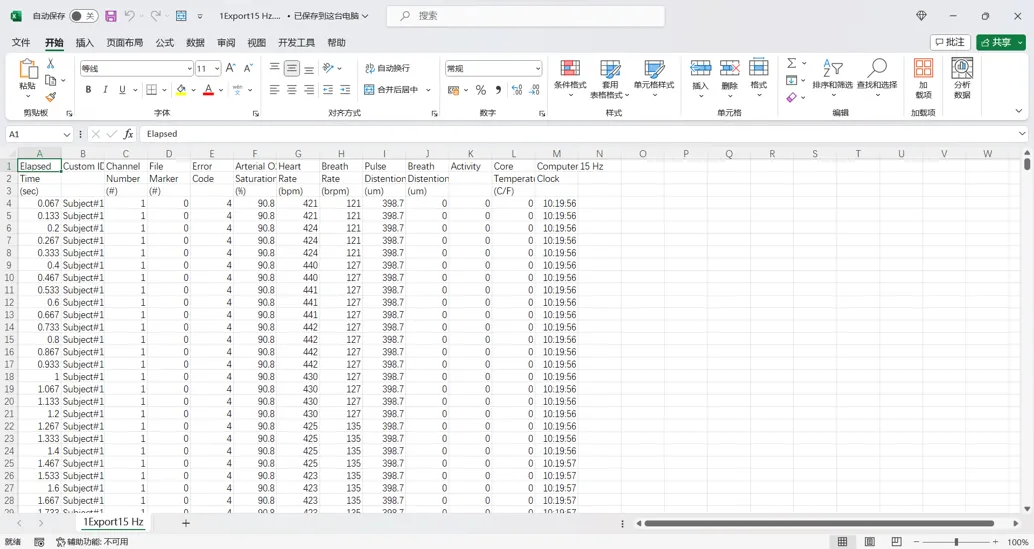
Click Create File in the lower right corner to export the current data to ".csv" format;
2. Data Description
Open the table. From left to right, you'll see the instrument's run time, experimental group, number of channels, status code, pulse oximetry, heart rate, respiratory rate, pulse amplitude, respiratory amplitude, activity level, body temperature, and monitoring time. Up to 15 data points can be stored in a second, allowing for later analysis.
07. End of experiment
At the end of the experiment, please stop recording and collecting data in the software before unplugging the cables! Do not unplug the cables while the software is operating! Otherwise, the host circuit may be damaged.
User List
Related Literature
1. Wei, Zhiliang et al. "Toward accurate cerebral blood flow estimation in mice after accounting for anesthesia." Frontiers in physiology vol. 141169622. 12 Apr. 2023, doi:10.3389/fphys.2023.11696222. Marchetti, Beatrice et al. "Acute Cardiovascular and Cardiorespiratory Effects of JWH-018 in Awake and Freely Moving Mice: Mechanism of Action and Possible Antidotal Interventions?." International journal of molecular sciences vol. 24,8 7515. 19 Apr. 2023, doi:10.3390/ijms24087515
3.Hashem, Mada et al. "The relationship between cytochrome c oxidase, CBF and CMRO2 in mouse cortex: ANIRS-MRI study." Journal of cerebral blood flow and metabolism : official journal of the International Society of Cerebral Blood Flow and Metabolism vol. 43,8 (2023): 1351-1364. doi:10.1177/0271678X231165842
4. Doyle, Michelle R et al. “Strain and sex-related behavioral variability of oxycodone dependence in rats.” Neuropharmacology vol. 237 (2023): 109635. doi:10.1016/j.neuropharm.2023.109635
5. Fish, Brian L et al ". IPW-5371 mitigates the delayed effects of acute radiation exposure in WAG/RijCmcr rats when started 15 days after PBI with bone marrow sparing." International journal of radiation biology vol. 99,7 (2023):1119-1129. doi:10.1080/09553002.2023.2173825
6.Liu, Yanqiu et al. "Hypoxic White Matter Injury and Recovery After Reoxygenation in Adult Mice: MagneticResonance Imaging Findings and Histological Studies." Cellular and molecular neurobiology vol. 43,5 (2023):2273-2288. doi:10.1007/s10571-022-01305-5
Further Reading
Regarding MouseOx Plus's applications in other fields, the following article is recommended, detailing its use in neuroscience research. This article highlights a study that used the device to measure parameters such as heart rate and assess fear in experimental animals. It also details the device's functions and features, providing a comprehensive introduction to the device.
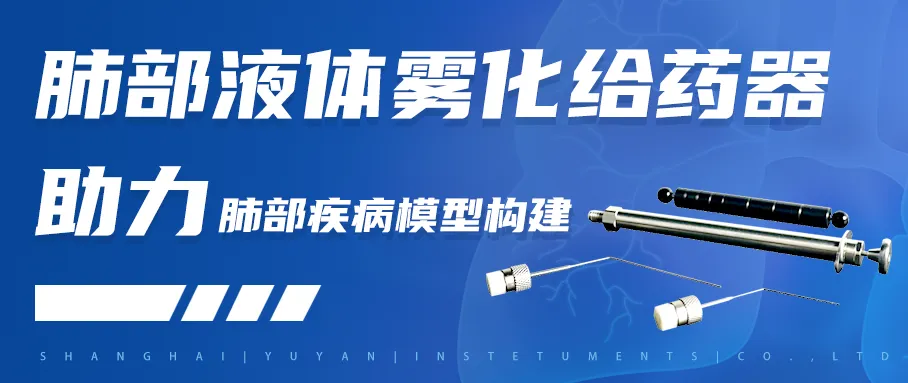
Regarding the application of Yuyan instruments in respiratory research, the following article is recommended. It details the comprehensive solutions for modeling, drug delivery, and evaluation equipment provided by Shanghai Yuyan Scientific Instrument Co., Ltd. for rodent pulmonary fibrosis research. The article discusses how to utilize equipment such as the pulmonary liquid atomizer, the EMMSLink WBP animal respiratory physiology monitoring and analysis system, and the eSpira™ forced lung function testing system to provide a reference for modeling methods, treatment methods, and model evaluation for pulmonary fibrosis in experimental animals.
Regarding the role of Yuyan instruments in respiratory disease research, the following article is recommended. This article highlights the key role of devices such as pulmonary liquid atomizers in the study of acute lung injury, pulmonary fibrosis, and chronic obstructive pulmonary disease in rodent models such as mice and rats. The article explores how these devices optimize modeling processes, improve drug delivery techniques, and provide precise means for evaluating disease models, providing strong support for respiratory disease research.
Self-developed core creates extraordinary strength
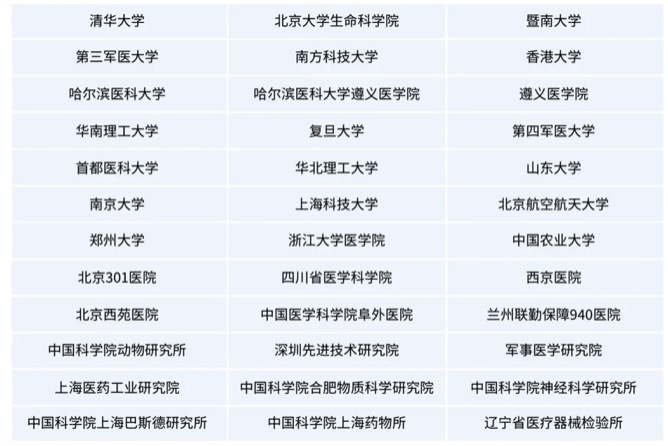
The company's R&D personnel account for 40%, and it has a team of scientists in sensors, chip design, core algorithms, etc., and has professional teams to provide support in product implementation and operation, market and academic promotion, comprehensive product solution design and application. The company has service points covering the whole country and strong technical service capabilities. Its customers include Tsinghua University, Peking University, Zhejiang University, Shanghai Jiaotong University, University of Chinese Academy of Sciences, West China Hospital of Sichuan University, Northern Theater Command General Hospital and other first-class research institutions and hospitals at home and abroad.