




From electrocardiogram and myoelectricity to blood pressure and pulse: Exploring the methods of collecting physiological signals in mice and rats!
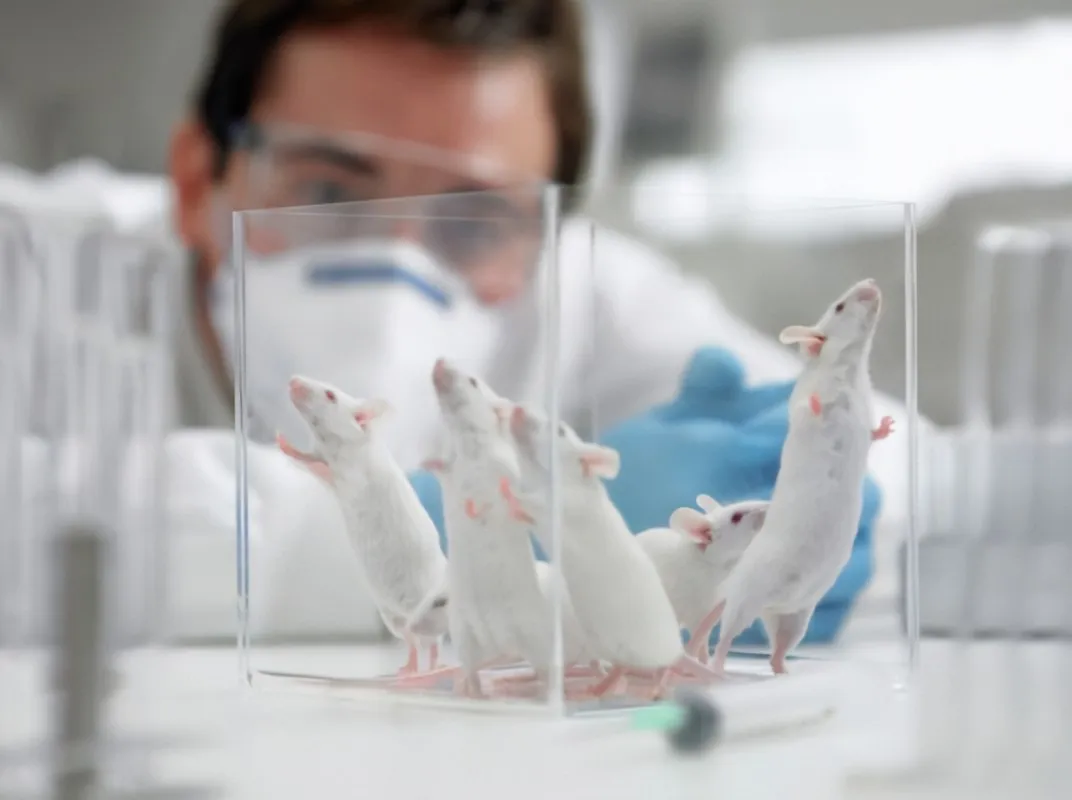
Yuyan Instruments provides various instruments for collecting physiological signals from experimental animals, providing strong support for laboratory physiological signal collection. Today, let us step into this field together, explore the magical instruments used for collecting physiological signals from mice and rats, understand their basic principles, functional characteristics and application fields, and provide strong support for our experimental research.
Non-invasive blood pressure monitor: an essential tool for collecting blood pressure in mice and rats
In biomedical research, non-invasive sphygmomanometers (NSMs) play a crucial role as a tool for measuring the blood pressure of experimental animals. For experimental animals like mice and rats, NISs not only provide accurate and stable blood pressure data, but also minimize harm to the animals and improve the ethical and reliable nature of experiments.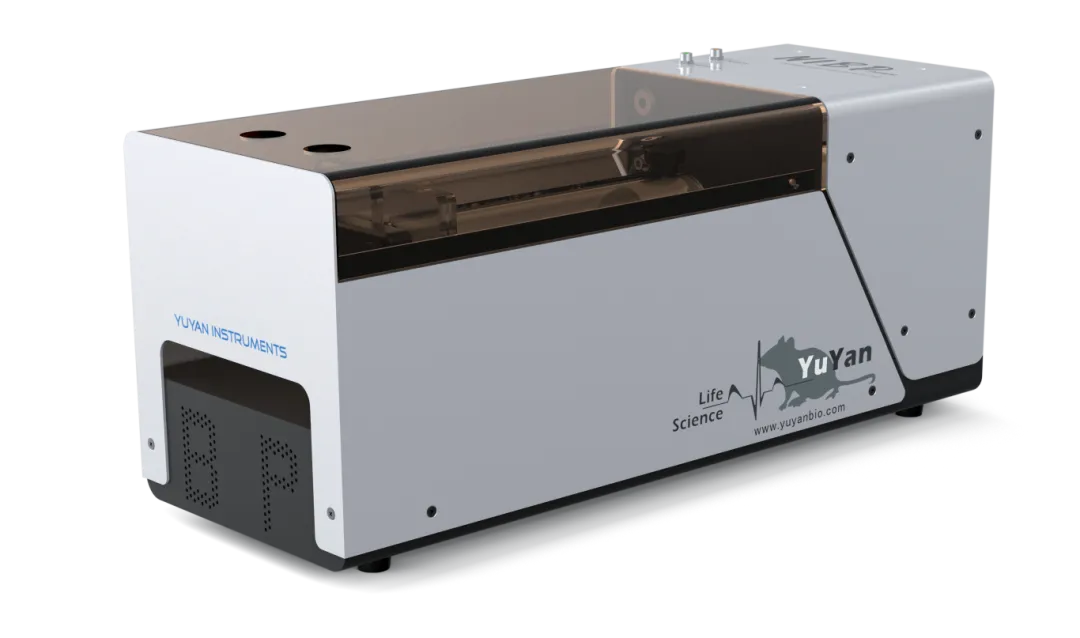
01. Basic principles
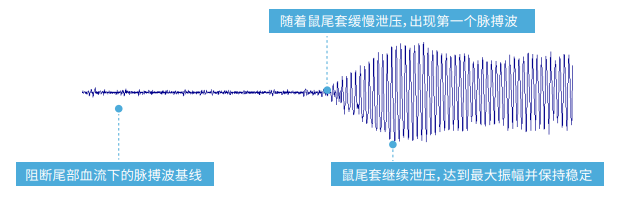
The small animal non-invasive blood pressure measurement system uses the pulse wave method. Inflation changes the pressure within the rat's tail cuff, compressing (blocking blood flow) and releasing (restoring blood flow) the rat's tail artery. A photoelectric sensor senses changes in tail arterial blood flow, which are then collected and processed by the host computer to produce a pulse waveform.
02. Features
1. Non-invasive measurement: Non-invasive blood pressure monitors do not require arterial puncture, reducing pain and infection risks for experimental animals. Non-invasive blood pressure monitors do not require arterial puncture, making it convenient for experimenters to operate and allowing for repeated measurements, thus reducing pain and infection risks for experimental animals and improving animal welfare.
2. Automated operation: PC software control mode, the non-invasive blood pressure monitor can automatically inflate, deflate, and automatically process and display blood pressure readings, greatly saving the time and energy of the experimenter;
3. High-precision measurement: The non-invasive blood pressure monitor uses advanced sensors and algorithms to ensure high accuracy and stability of blood pressure measurement, meeting the strict requirements of experimental research;
4. Multi-channel design: If the user needs to test a large number of batches of animals in a single day, multiple channels can be used to adapt and measure the animals at the same time, which will greatly shorten the testing time required by the user.
03. Application Areas
Non-invasive blood pressure monitors have a wide range of applications in biomedical research.For example:
During drug development, it is often necessary to evaluate the effect of drugs on animal blood pressure.Small animal non-invasive sphygmomanometers can accurately monitor blood pressure changes in animals before and after drug administration, providing reliable data support for pharmacodynamic studies;
2. Disease model research
Non-invasive blood pressure monitoring in small animals is an indispensable tool for studying cardiovascular diseases such as hypertension and heart disease. Monitoring blood pressure in animal models can provide insights into the pathogenesis and progression of diseases or validate the accuracy of models.
04. Application Examples
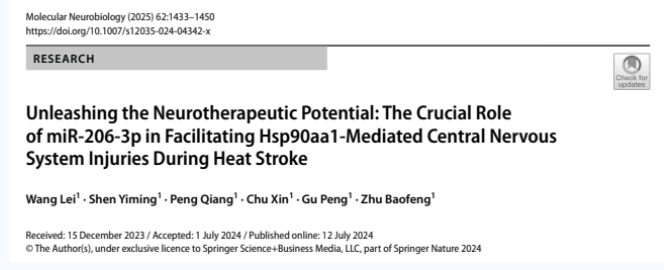
In the scientific article "Unleashing the Neurotherapeutic Potential: The Crucial Role of miR-206-3p in Facilitating Hsp90aa1-Mediated Central Nervous System Injuries During Heat Stroke" on the role of miR-206-3p and Hsp90aa1 in central nervous system injury caused by heat stroke, a heat stroke model was validated using non-invasive blood pressure monitoring.
Pulse Oximeter: Pulse Oximetry Monitoring in Rats and Mice
In the field of biomedical research, monitoring of animal blood oxygen saturation can be used as an important indicator for various applications such as intraoperative monitoring and respiratory system modeling. As a non-invasive blood oxygen monitoring device, the pulse oximeter can monitor the pulse blood oxygen and other parameters of animals under anesthesia or awake state, providing important information for research.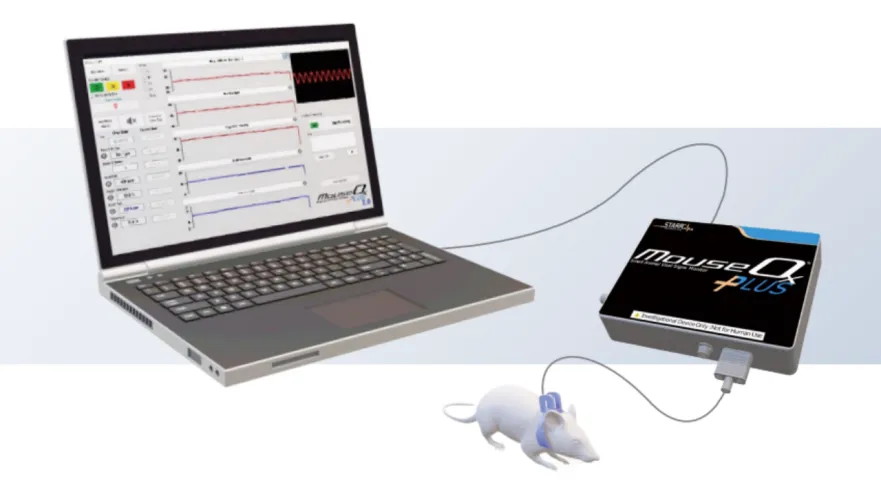
01. Basic principles
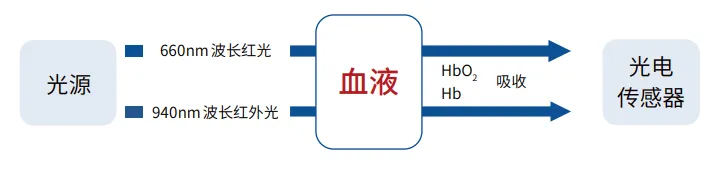
This technique is based on the differences in the absorption properties of oxygenated and reduced hemoglobin in arterial blood at specific wavelengths of light. Oxygenated hemoglobin absorbs more infrared light and less red light; conversely, reduced hemoglobin absorbs more red light. Pulse oximetry emits these two wavelengths of light into the blood vessels of experimental animals and calculates the absorption ratio to determine blood oxygen saturation.
02. Features
1. Non-invasive measurement: Pulse oximetry does not require puncture or sampling. By simply clipping the sensor to the neck, legs, or other parts of the experimental animal, real-time monitoring of blood oxygen saturation can be achieved, greatly reducing the pain and infection risk of the experimental animal.
2. Fast and accurate: The pulse oximeter uses advanced optical technology and digital signal processing technology to quickly and accurately measure blood oxygen saturation values, providing reliable data support for experimental research;
3. Multifunctionality: In addition to monitoring blood oxygen saturation, the pulse oximeter also has functions such as pulse rate monitoring and pulse amplitude monitoring, which can more comprehensively reflect the physiological status of experimental animals;
4. Anesthesia and wakefulness measurements: Proprietary waveform optimization algorithms are independently optimized for animals in anesthesia and wakefulness. Special sensors and software modules continuously monitor animal physiological signals regardless of whether the animal is awake or anesthetized.
03. Application Areas
Pulse oximeters have a wide range of applications in biomedical research, including but not limited to:
1. Respiratory disease research
Pulse oximeters can be used to monitor changes in blood oxygen saturation in experimental animals in respiratory disease models and to assess the effects of drugs on the respiratory system;
During anesthesia and surgery in animal experiments, pulse oximeters can be used to monitor the blood oxygen saturation of experimental animals in real time to ensure that they receive adequate oxygen supply during surgery.
04. Application Examples
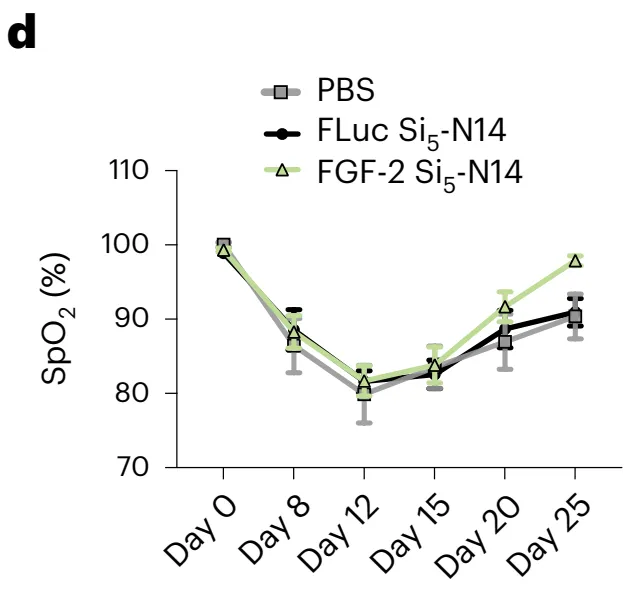
In the paper Combinatorial design of siloxane-incorporated lipid nanoparticles augments intracellular processing for tissue-specific mRNA therapeutic delivery, a pulse oximeter was used to monitor the blood oxygen level of mice.
Multichannel physiological recorder: a comprehensive device for collecting physiological signals of mice and rats
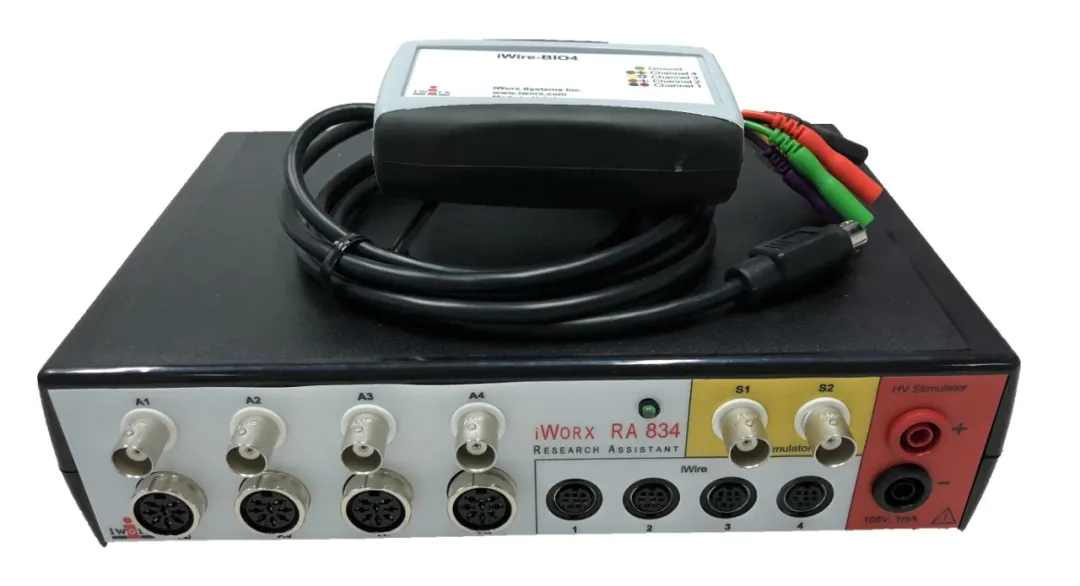
Multichannel physiological recorders, with their powerful data acquisition capabilities, flexible configuration options and wide range of applications, have become the preferred tool for collecting physiological signals from experimental animals such as mice and rats.
01. Basic principles
A multichannel physiological recorder is a comprehensive system that integrates multiple technologies, including automatic control, bioelectrical signal processing, and computer data processing. Using surface electrodes and other accessories, it can simultaneously collect a variety of physiological signals, including but not limited to electrocardiogram (ECG), electroencephalogram (EEG), electromyography (EMG), electrooculography (EOG), blood pressure, body temperature, and respiratory rate. After acquisition, these signals are amplified and filtered by a bio-amplifier to remove noise and interference, preserving true physiological information.
02. Features
1. Multi-channel synchronous acquisition: Multi-channel physiological recorders support multi-channel synchronous acquisition, which can record multiple physiological signals simultaneously, achieving comprehensiveness and correlation of data. This is of great significance for studying complex physiological processes or physiological changes in disease states;
2. High Precision and Stability: Using advanced bio-amplifier and filtering technology, the multi-channel physiological recorder can ensure that the collected physiological signals are highly accurate and stable. This is crucial for the reliability of subsequent data analysis and research results.
3. Flexible configuration options: The multichannel physiological recorder provides a wealth of configuration options, including different electrode types, sensor types, and different host noise. Experimenters can flexibly configure it according to specific research needs to meet the needs of different experimental scenarios;
4. Powerful data analysis capabilities: Multichannel physiological recorders are equipped with professional data analysis software that can perform various analytical processes on collected physiological signals, such as spectrum analysis and time domain analysis. These analysis results help experimenters gain a deeper understanding of physiological processes and disease mechanisms.
03. Application Areas
In the collection of physiological signals of mice and rats, multi-channel physiological recorders have a wide range of applications.For example:
1. Cardiovascular disease research
Multichannel physiological recorders can be used to monitor changes in physiological signals such as electrocardiogram and blood pressure in experimental animals in cardiovascular disease models and to evaluate the effects of drugs on the cardiovascular system.
2. Neuroscience Research
By synchronously collecting physiological signals such as EEG and EMG from experimental animals, multichannel physiological recorders can be used to study the functional activities of the nervous system, information transmission, and neural abnormalities in disease states.
3. Pharmacological studies
During drug development, multichannel physiological recorders can be used to evaluate the effects of new drugs on the physiological signals of experimental animals, providing an important basis for drug screening and optimization.
4. Physiology teaching and research
Multichannel physiological recorders can also be used in the field of physiology teaching and research, helping students and researchers to better understand and master the basic methods and skills of physiological signal acquisition and analysis.
04. Application Examples
The paper Monocyte/Macrophage Infiltration in Thrombus and Outcomes of Stroke Patients with Monocyte/Macrophage-dominant Thrombus studied the role of monocytes/macrophages in thrombosis and its relationship with the clinical outcomes of stroke patients.
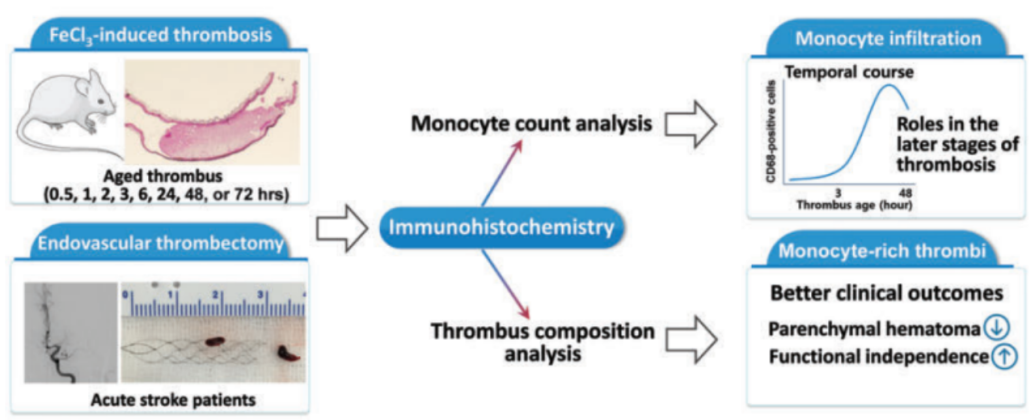
In the study, the iWorx polygraph system was used to monitor blood flow in the common carotid artery (CCA) of mice.Using an ultrasound Doppler flow probe and an iWorx data acquisition system, the researchers measured baseline blood flow for 5 minutes and then induced arterial thrombosis using FeCl3.After thrombosis, blood flow is measured again to confirm cessation of blood flow.Blood flow data were analyzed using iWorx LabScribe software.
The study found that monocytes/macrophages begin to increase a few hours after arterial thrombosis, indicating that they play a role in the later stages of thrombosis rather than the initial stages.
EEG and EMG acquisition system: the gold standard for sleep epilepsy research
In biomedical research and clinical practice, electroencephalogram (EEG) and electromyography (EMG) signals, as important physiological indicators reflecting nervous system and muscle activity, play an irreplaceable role in understanding brain function and sleep epilepsy research.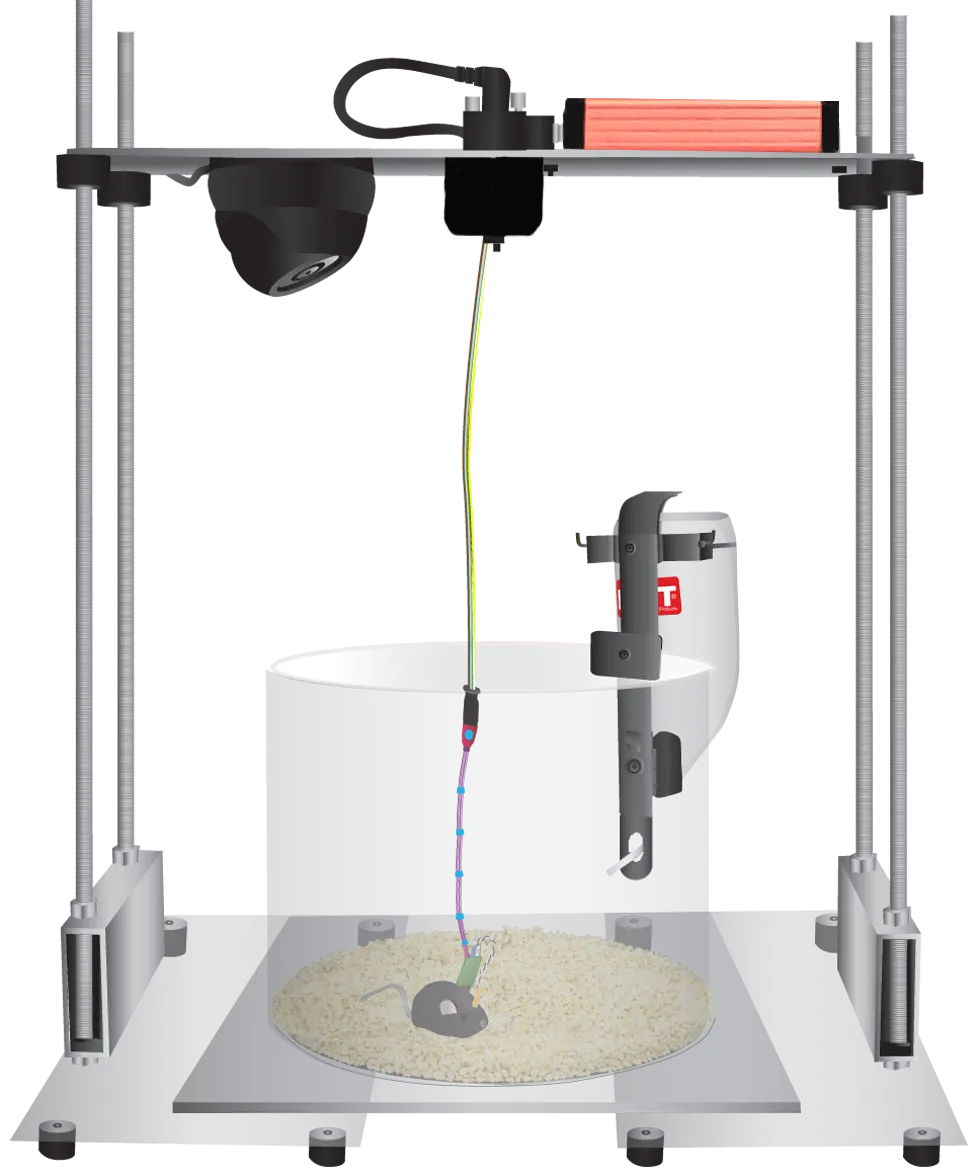
01. Basic principles
An EEG/EMG acquisition system is a highly integrated physiological signal acquisition device. Using specific electrodes and sensors, attached or inserted into the scalp (for EEG) and muscles (for EMG), it collects EEG and EMG signals in a non-invasive or invasive manner. These signals are then amplified, filtered, and converted into digital signals for further analysis and processing by a computer.
02. Features
1. High-precision synchronous acquisition: The EEG and EMG acquisition system can simultaneously and accurately collect EEG and EMG signals, ensuring that the two signals are highly synchronized in time, providing an accurate data basis for subsequent analysis;
2. Multi-channel support: The system supports multi-channel acquisition and can flexibly configure the number and position of electrodes according to research or clinical needs to achieve comprehensive and detailed physiological signal monitoring;
3. Real-time display and recording: The collected EEG and EMG signals can be displayed on the screen in real time and automatically recorded and saved, making it convenient for experimenters to observe and analyze them immediately;
4. Powerful data analysis function: The system's built-in or supporting data analysis software can perform various processing and analysis on the collected EEG and EMG signals, such as spectrum analysis, time domain analysis, waveform recognition, etc., to help experimenters deeply explore useful information in physiological signals.
03. Application Areas
EEG and EMG have a wide range of applications, especially in sleep and epilepsy research, such as:
1. Sleep status monitoring
The EEG and EMG acquisition system can accurately distinguish the animal's wakefulness, non-rapid eye movement (NREM) and rapid eye movement (REM) sleep states by simultaneously recording EEG and EMG signals.EEG signals reflect the electrical activity of the cerebral cortex, while EMG signals reflect the contraction activity of muscles;
2. Drug intervention studies
In sleep research, animals can be artificially deprived of sleep, and then the changes in their EEG and EMG signals can be observed to evaluate the effects of different drugs on sleep disorder model animals.
The EEG and EMG acquisition system can monitor the changes in EEG and EMG signals of animals during epileptic seizures in real time, helping to understand the electrophysiological mechanism of epileptic seizures.
04. Application Examples
In the article "The crucial role of locus coeruleus noradrenergic neurons in the interaction between acute sleep disturbance and headache", the authors studied the interaction between acute headache and acute sleep disorder, specifically the role of noradrenergic neurons in the locus coeruleus (LC). The study used a nitroglycerin (NTG)-induced migraine-like headache model and an acute sleep deprivation (ASD) model to explore the independent role of the LC in sleep and headache.
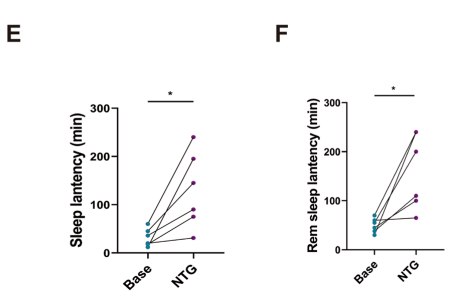
To monitor the animals' sleep-wake states, the authors implanted electrodes in the prefrontal cortex and visual cortex through a skull incision. Electromyography (EMG) wires were also implanted in the trapezius muscle. An EEG and EMG acquisition system was used to collect data and analyze the animals' sleep states. The results showed that administration of nitroglycerin (NTG) increased sleep latency, particularly rapid eye movement (REM) sleep latency.
Multichannel physiological recorders, pulse oximeters, EEG and myoelectric acquisition systems, and small animal non-invasive blood pressure monitors play an indispensable role in collecting physiological signals from mice and rats. These devices have not only greatly enriched our understanding of the physiological functions of mice and rats but also provided strong technical support for drug development, disease model research, and physiological studies.
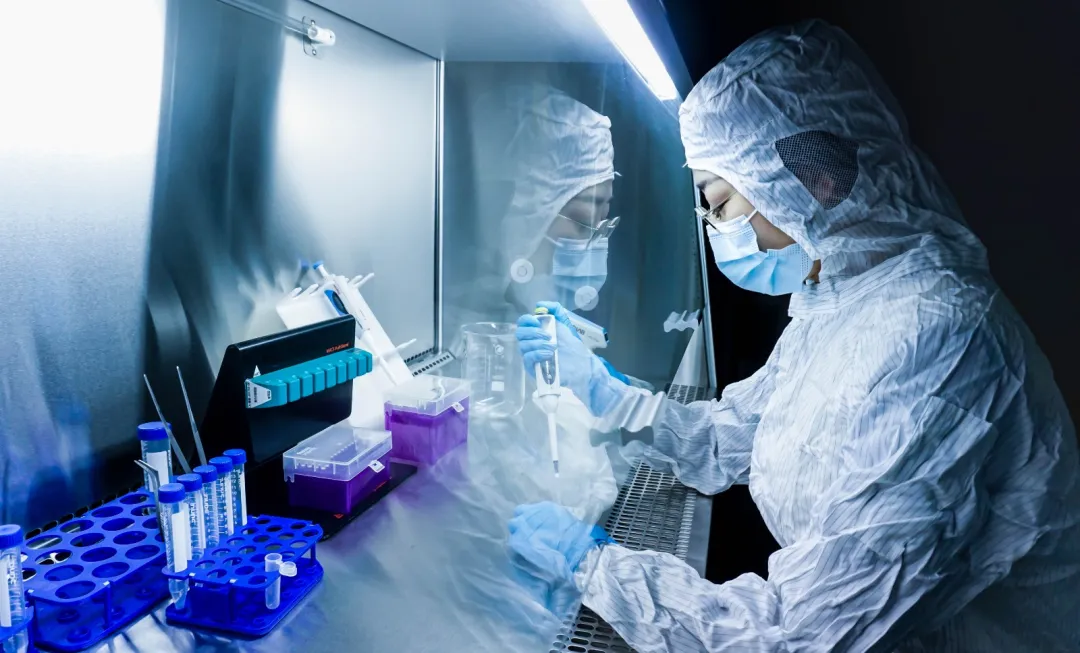
Yuyan Instruments can provide one-stop equipment support for the acquisition of physiological signals of mice and rats, and provide complete solutions for ECG acquisition, EEG and EMG acquisition, non-invasive blood pressure measurement, pulse oximetry measurement, etc., to assist in cardiovascular system research, neuroscience research, surgical monitoring and other application fields.
Shanghai Yuyan Scientific Instrument Co., Ltd., as a leading manufacturer of scientific research equipment in the industry, has been adhering to the core concept of "innovation-driven development and self-research to create high-quality products" for 15 years since its establishment in 2010. It is committed to the independent research and development and production of scientific instruments. Its current product line covers multiple scientific research and application fields such as experimental animal husbandry, physiological signal acquisition, and neuroscience research. Not only does it continuously optimize and upgrade conventional instruments, but it also dares to explore cutting-edge technologies and has launched a series of high-end scientific instruments with independent intellectual property rights.