




In addition to intraperitoneal injection, there are so many ways to administer drugs to mice!A complete analysis of drug administration methods for experimental animals
Date:2025-02-11
Author:Yuyan Instrument
In life science and medical research, laboratory animals are essential tools, and drug administration methods are crucial in experimental design. Whether oral, injection, inhalation, or topical, different administration methods directly impact the accuracy and reliability of experimental results.

Have you ever struggled with choosing the right dosing method? Want to learn more about dosing techniques and precautions? This series of WeChat Official Accounts will provide comprehensive insights into common methods, key operational points, and cutting-edge drug delivery technologies for laboratory animals. Follow us to learn the secrets of drug delivery in your experiments and improve your research efficiency and scientific research!
Traditional gavage needles are made of stainless steel, which can be too rigid and difficult to use, potentially harming the animal. The latest flexible gavage needles for rats and mice are made of highly flexible PTFE and feature a silicone tip for safe operation. The flexible needle tube effectively reduces damage to the animal's organs, making it an ideal tool for gavage experiments in animal laboratories.
Selection and design of drug formulations
Choosing the right drug formulation for each drug type and experimental needs is crucial. For example, for drugs that are easily degraded in gastric acid, enteric coating technology or encapsulation in enteric-coated capsules may be necessary; for drugs with low solubility, micronization, solid dispersion, and other technologies may be needed to improve their solubility and bioavailability.
While oral administration may seem simple, it actually requires certain techniques. These include ensuring the drug is swallowed completely and preventing oral residue and vomiting. Furthermore, the animal's reaction must be closely observed after administration, such as for adverse reactions like vomiting and diarrhea, so that the dosing regimen can be adjusted promptly.
Choice of injection site
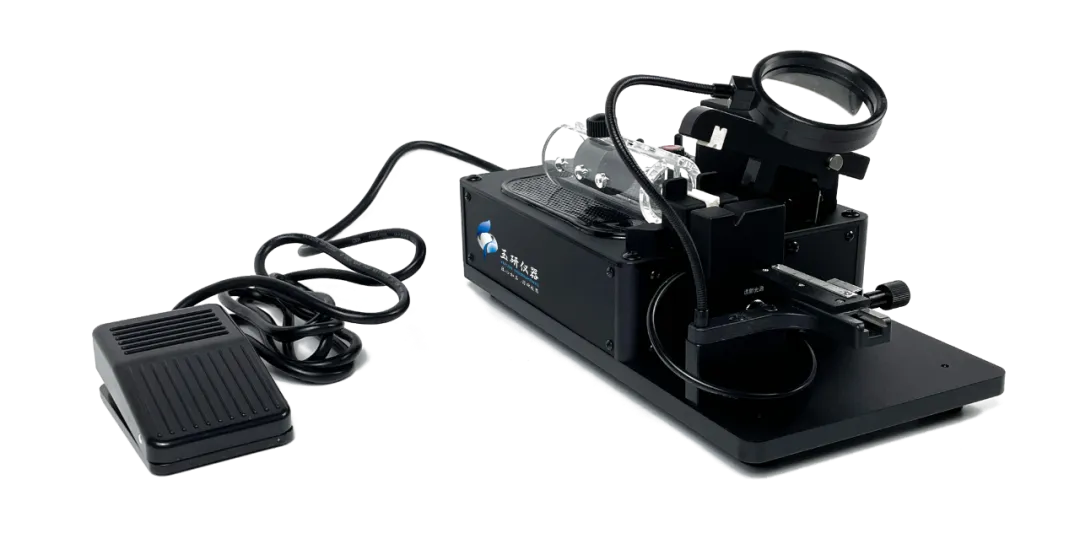
The choice of injection site is crucial to drug absorption efficiency. Subcutaneous, intramuscular, intravenous, and intraperitoneal injections, among others, each have their specific application scenarios and advantages. For example, intravenous injection allows for immediate systemic distribution of the drug, but carries a higher risk. In experiments with mice and rats, a tail vein visualization device can be used to enhance tail vein visibility and improve experimental success rates. Subcutaneous injection, on the other hand, is suitable for scenarios requiring long-term drug administration with minimal drug irritation.
Cutting-edge technology in injection
With the advancement of science and technology, experimental animal drug delivery technology is also constantly innovating.The introduction of cutting-edge equipment such as capsule pumps and long-term drug delivery systems has not only improved the accuracy and efficiency of injections, but also reduced errors caused by human operation, opening up new paths for improving experimental animal welfare and scientific research quality.
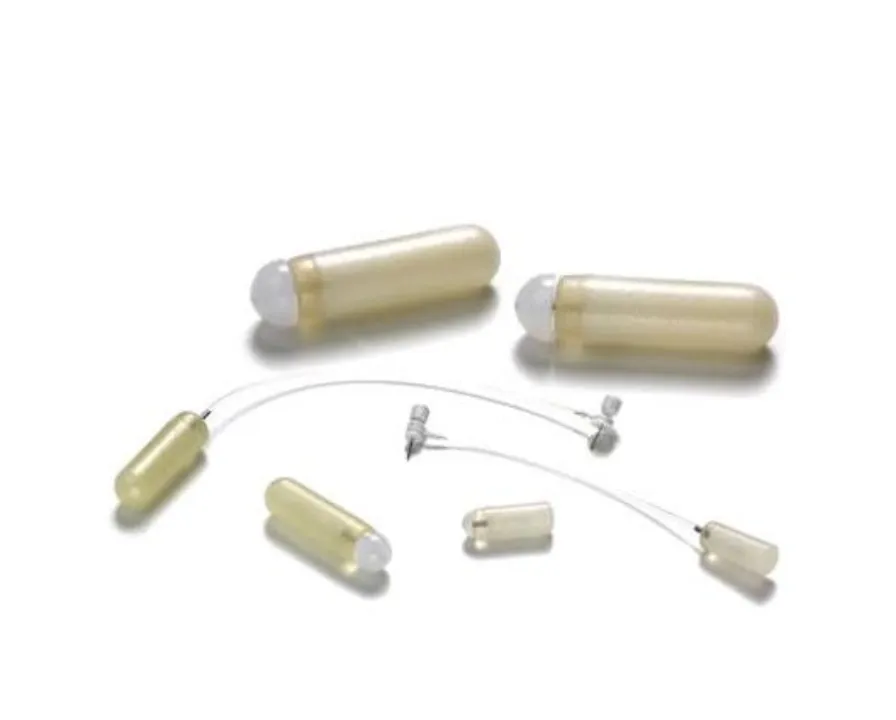
The capsule pump drug delivery system mainly consists of a capsule pump and a catheter. It is an innovative drug delivery system designed specifically for animal experiments. The capsule contains drugs and can release the drugs at a constant rate based on the penetration rate of body fluids through the capsule outer membrane. The drugs are then delivered to the target site in the animal's body through a delivery tube.
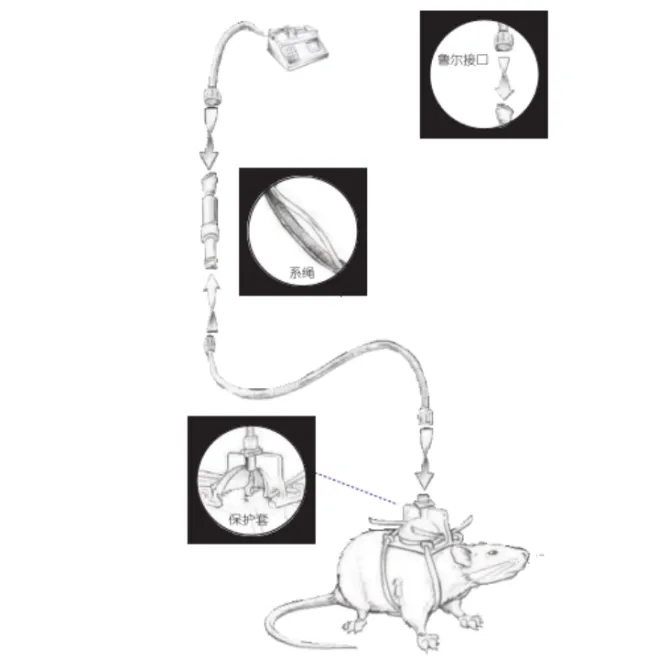
The Awake Long-Term Drug Delivery System is a device that enables continuous infusion and medication delivery to animals while they are free and moving, without anesthesia or immobilization. The system, consisting of a syringe pump, activity cage, and catheter, delivers medications to animals while they are awake, using a programmable syringe pump for periodic, quantitative administration. Depending on the configuration, the system can be used with a variety of animals, including rats, mice, rabbits, and monkeys.
Inhalation
Inhalation drug delivery is a key method for drug delivery, particularly suitable for respiratory disease models, drug screening, and toxicology studies.
Structure and function of the respiratory tract of experimental animals
The respiratory structure of experimental animals is similar to that of humans, but species differ. The mouse respiratory tract is smaller and more complex, requiring precise control of drug particle size and inhalation conditions to ensure deep lung penetration. Furthermore, physiological parameters such as respiratory rate, tidal volume, and lung compliance also influence drug deposition and absorption.
Innovations in inhalation devices and technologies
Inhalation drug delivery for experimental animals differs from the common face mask method in clinical practice and requires the use of different devices. Currently, there are a variety of drug delivery devices, such as whole-body exposure systems and oral and nasal exposure systems. These devices can achieve precise drug delivery by precisely controlling drug particle size, airflow velocity, and inhalation time.
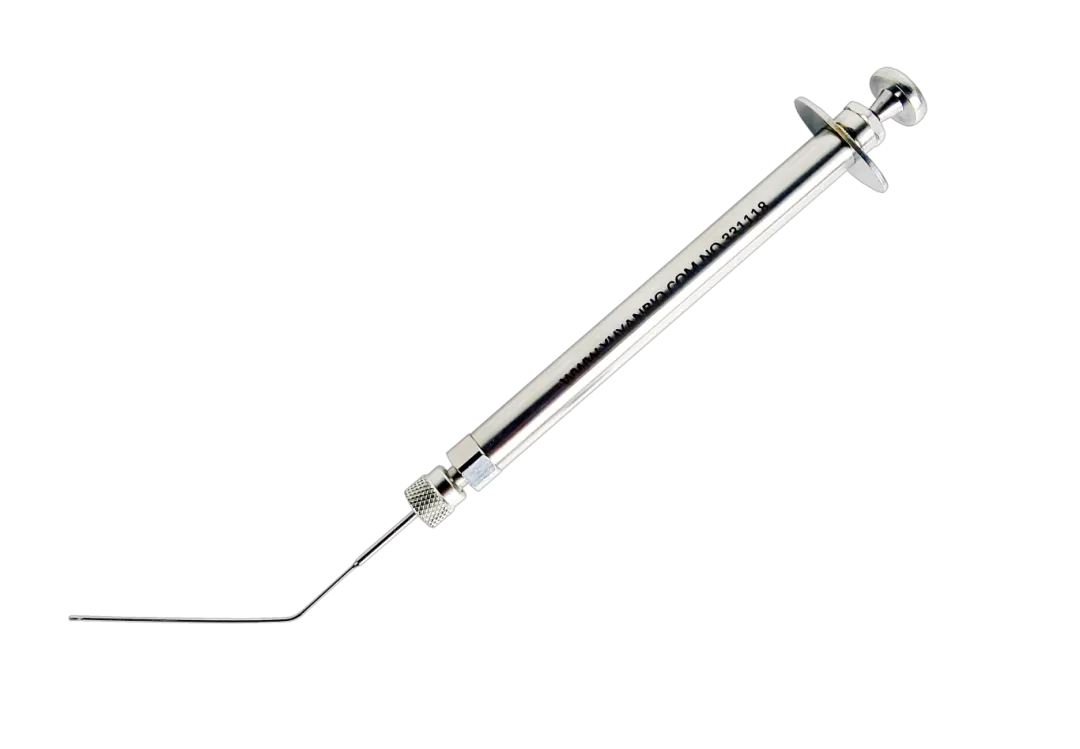
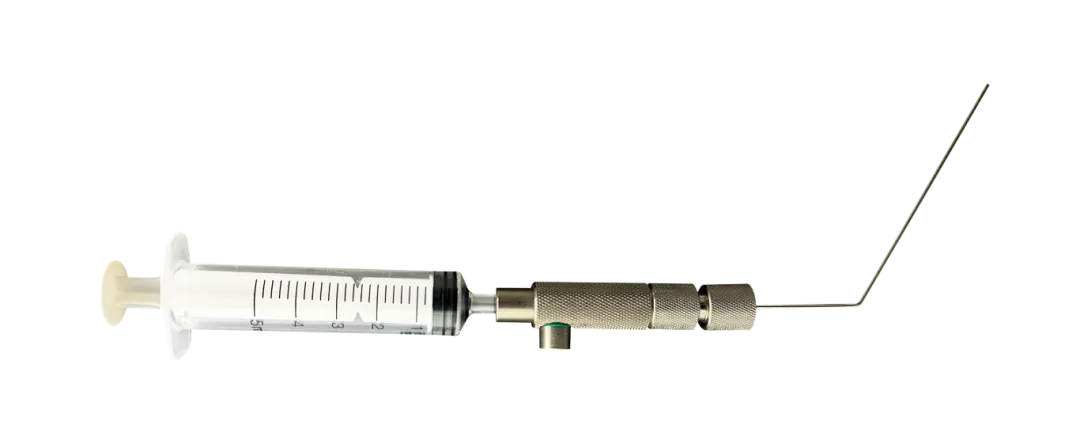
The pulmonary nebulizer drug delivery device uses a handheld intratracheal atomization design to achieve quantitative atomization and accurately deliver the drug to the trachea of experimental animals. It is a special inhalation drug delivery method.
In addition, with the development of micro-nano technology and biomaterials science, new drug carriers such as liposomes and nanoparticles have also been used in inhalation administration to improve the bioavailability and targeting of drugs.
Improvement of heterogeneous drug deposition
Uneven drug deposition and loss in the respiratory tract are key factors affecting the efficacy of inhaled drug delivery. This is related to a variety of factors, including differences in respiratory tract structure, inhalation device performance, and the animal's respiratory state. This is also a major constraint on the application of inhaled drug delivery in preclinical research. Intratracheal atomization via a pulmonary nebulizer can effectively mitigate this factor. A pulmonary nebulizer can directly atomize liquids or dry powders in the trachea, providing a quantitative dose while significantly improving drug utilization.
Common topical drug delivery methods
Dermal administration:
- Suitable for studying the absorption effect of drugs or poisons through the skin and their local effects on the skin;
-The skin should be depilated and disinfected before administration.
Mucosal drug delivery:
- Suitable for studying the irritation or absorption effect of drugs or poisons on mucous membranes;
-Pay attention to the concentration and dosage of the drug when administering it.
Topical Drug Delivery Laboratory Research Methods
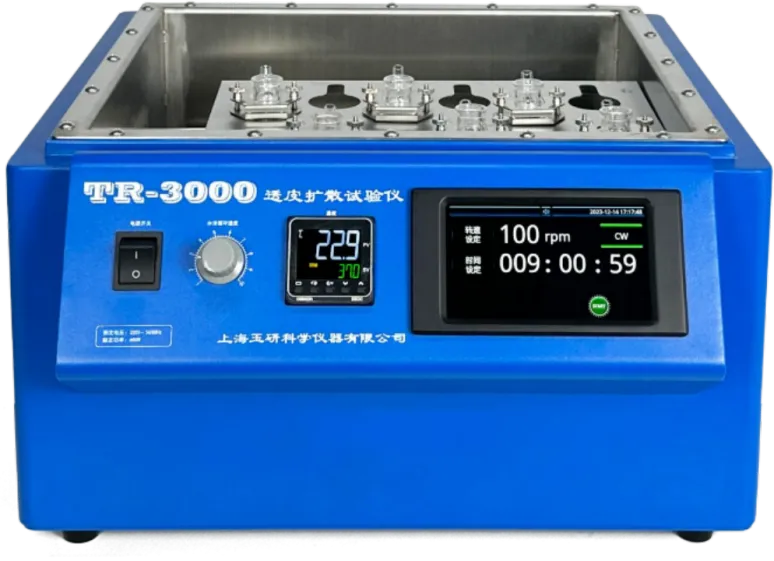
The laboratory usually uses a transdermal instrument, also known as a transdermal diffusion instrument or transdermal experiment instrument, which is an instrument used to study the ability of drugs or chemicals to penetrate through the skin.
It simulates the human skin environment, placing drugs or chemicals on one side of the skin and then measuring the amount of drug that permeates the skin to the other side over a certain period of time. Transdermal instruments are typically equipped with a temperature control system, a stirring system, and a sample collection and analysis system to ensure the accuracy and repeatability of the experiment.
- Transdermal instrument can quantitatively measure the penetration rate and amount of drugs through the skin, which is crucial for evaluating the transdermal absorption capacity of drugs;
-By changing the experimental conditions of the transdermal apparatus (such as temperature, stirring speed, drug concentration, etc.), the effects of different factors on drug permeability can be studied;
-Transdermal analyzers can be used to screen and optimize the formulation and process conditions of transdermal preparations to improve the transdermal absorption efficiency and stability of drugs.
- Reference clinical administration methods: Refer to the proposed clinical administration method of the drug under development and select it in combination with the indication;
- Consider the drug properties: including drug solubility, stability, toxicity, etc.For example, oral administration is suitable for water-soluble drugs, while intravenous injection requires the drug to be completely dissolved;
- Consider the animal species and experimental conditions: Different animals have different tolerances to drug administration methods, and experimental conditions will also affect the choice of drug administration method.For example, gavage is often used for small experimental animals, while large animals may need special equipment for restraint.
In the journey of exploring scientific mysteries and medical progress, experimental animals, as silent heroes, play an irreplaceable role.Understanding and mastering their common administration methods is not only a reflection of the rigor of scientific research, but also a reflection of respect for life.Follow us and learn more about animal research in the next issue.
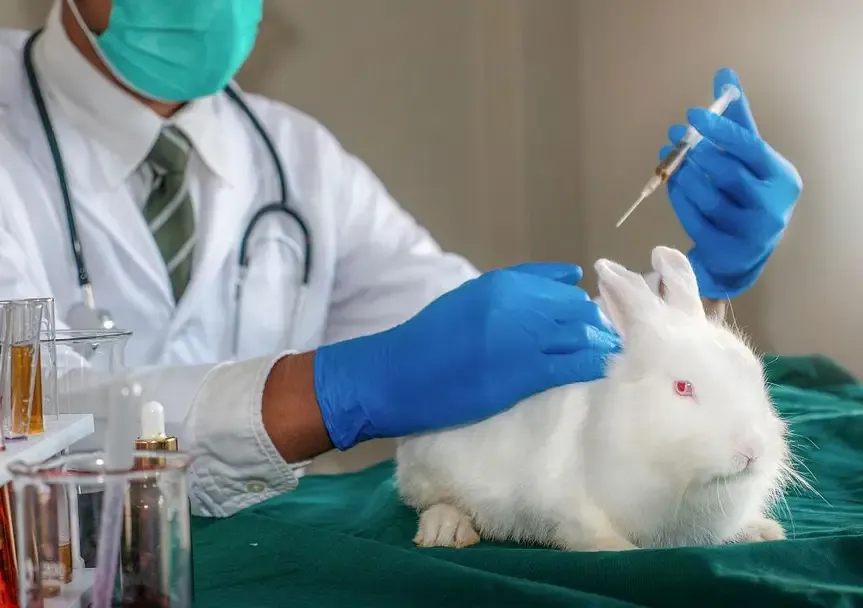
Have you ever struggled with choosing the right dosing method? Want to learn more about dosing techniques and precautions? This series of WeChat Official Accounts will provide comprehensive insights into common methods, key operational points, and cutting-edge drug delivery technologies for laboratory animals. Follow us to learn the secrets of drug delivery in your experiments and improve your research efficiency and scientific research!
Oral administration
Oral administration, as the name suggests, involves the ingestion of drugs through the animal's mouth. It is the most similar method of drug administration to human clinical use, offering advantages such as simplicity, convenience, and cost-effectiveness. This process not only involves the interaction between the drug's physical form (e.g., tablets, capsules, solutions) and the animal's oral environment, but also profoundly influences the drug's dissolution, release, absorption, and bioavailability. Oral administration in mice and rats is typically performed by gavage.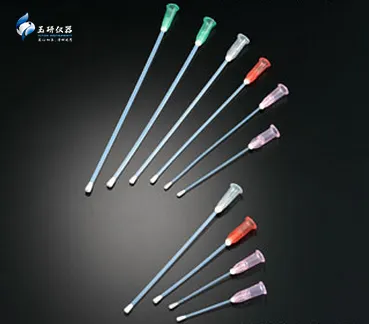
Traditional gavage needles are made of stainless steel, which can be too rigid and difficult to use, potentially harming the animal. The latest flexible gavage needles for rats and mice are made of highly flexible PTFE and feature a silicone tip for safe operation. The flexible needle tube effectively reduces damage to the animal's organs, making it an ideal tool for gavage experiments in animal laboratories.
Selection and design of drug formulations
Choosing the right drug formulation for each drug type and experimental needs is crucial. For example, for drugs that are easily degraded in gastric acid, enteric coating technology or encapsulation in enteric-coated capsules may be necessary; for drugs with low solubility, micronization, solid dispersion, and other technologies may be needed to improve their solubility and bioavailability.
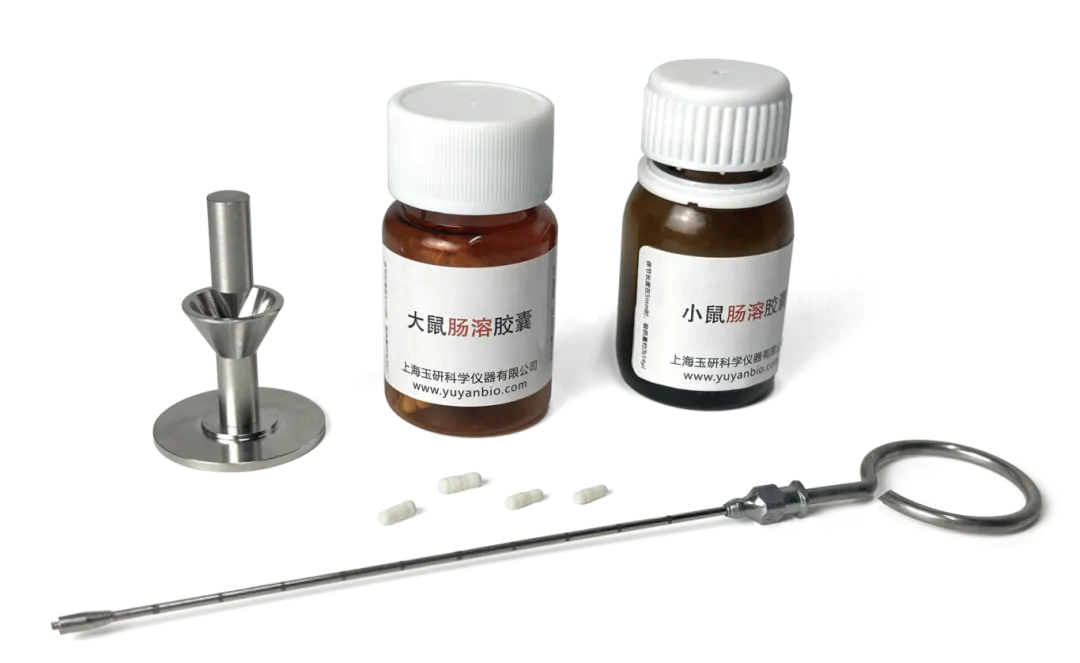
While oral administration may seem simple, it actually requires certain techniques. These include ensuring the drug is swallowed completely and preventing oral residue and vomiting. Furthermore, the animal's reaction must be closely observed after administration, such as for adverse reactions like vomiting and diarrhea, so that the dosing regimen can be adjusted promptly.
Injection
Injection is the most commonly used method of drug administration. It involves injecting sterile liquid medicine or biological agents directly into the animal body to prevent and treat diseases. Injection methods include intraperitoneal injection, subcutaneous injection, and intravenous injection.Choice of injection site
The choice of injection site is crucial to drug absorption efficiency. Subcutaneous, intramuscular, intravenous, and intraperitoneal injections, among others, each have their specific application scenarios and advantages. For example, intravenous injection allows for immediate systemic distribution of the drug, but carries a higher risk. In experiments with mice and rats, a tail vein visualization device can be used to enhance tail vein visibility and improve experimental success rates. Subcutaneous injection, on the other hand, is suitable for scenarios requiring long-term drug administration with minimal drug irritation.
Cutting-edge technology in injection
With the advancement of science and technology, experimental animal drug delivery technology is also constantly innovating.The introduction of cutting-edge equipment such as capsule pumps and long-term drug delivery systems has not only improved the accuracy and efficiency of injections, but also reduced errors caused by human operation, opening up new paths for improving experimental animal welfare and scientific research quality.
The capsule pump drug delivery system mainly consists of a capsule pump and a catheter. It is an innovative drug delivery system designed specifically for animal experiments. The capsule contains drugs and can release the drugs at a constant rate based on the penetration rate of body fluids through the capsule outer membrane. The drugs are then delivered to the target site in the animal's body through a delivery tube.
The Awake Long-Term Drug Delivery System is a device that enables continuous infusion and medication delivery to animals while they are free and moving, without anesthesia or immobilization. The system, consisting of a syringe pump, activity cage, and catheter, delivers medications to animals while they are awake, using a programmable syringe pump for periodic, quantitative administration. Depending on the configuration, the system can be used with a variety of animals, including rats, mice, rabbits, and monkeys.
Inhalation
Inhalation drug delivery is a key method for drug delivery, particularly suitable for respiratory disease models, drug screening, and toxicology studies.Structure and function of the respiratory tract of experimental animals
The respiratory structure of experimental animals is similar to that of humans, but species differ. The mouse respiratory tract is smaller and more complex, requiring precise control of drug particle size and inhalation conditions to ensure deep lung penetration. Furthermore, physiological parameters such as respiratory rate, tidal volume, and lung compliance also influence drug deposition and absorption.
Innovations in inhalation devices and technologies
Inhalation drug delivery for experimental animals differs from the common face mask method in clinical practice and requires the use of different devices. Currently, there are a variety of drug delivery devices, such as whole-body exposure systems and oral and nasal exposure systems. These devices can achieve precise drug delivery by precisely controlling drug particle size, airflow velocity, and inhalation time.
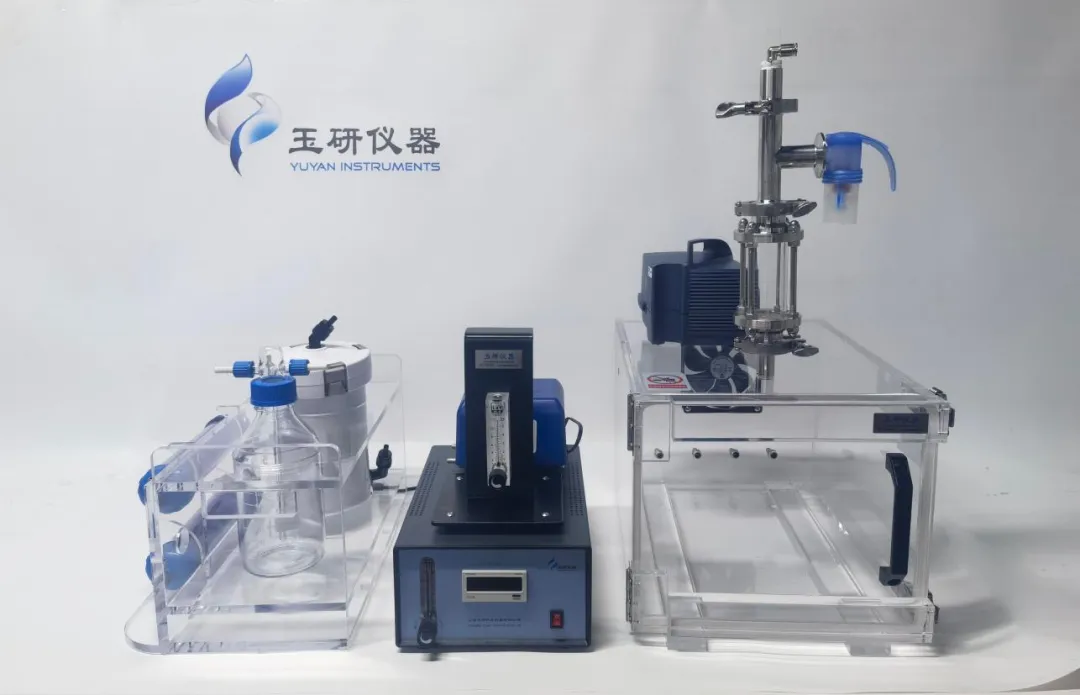
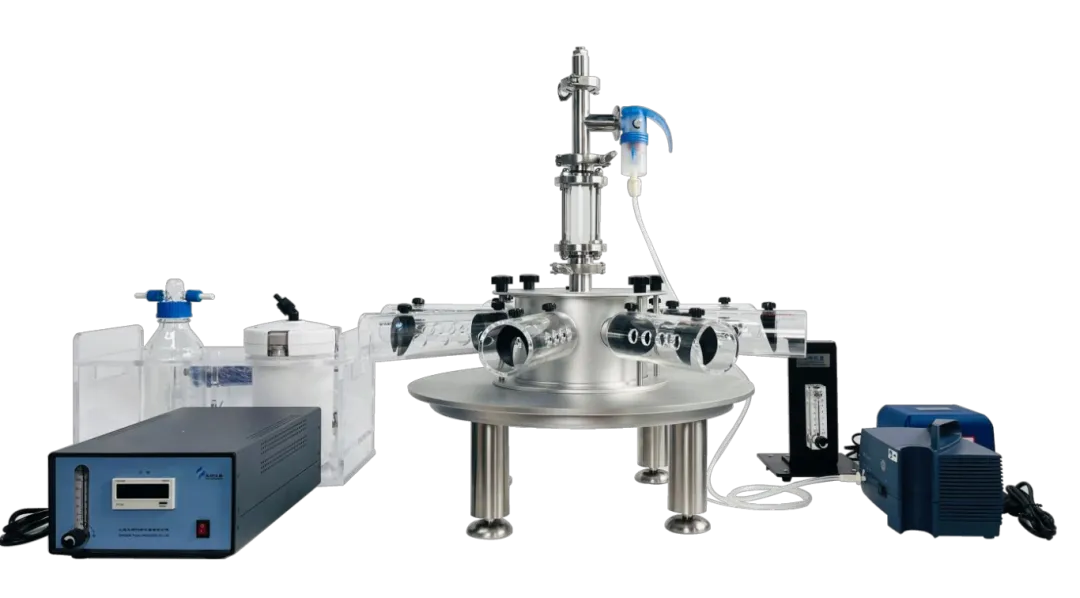
The pulmonary nebulizer drug delivery device uses a handheld intratracheal atomization design to achieve quantitative atomization and accurately deliver the drug to the trachea of experimental animals. It is a special inhalation drug delivery method.
In addition, with the development of micro-nano technology and biomaterials science, new drug carriers such as liposomes and nanoparticles have also been used in inhalation administration to improve the bioavailability and targeting of drugs.
Improvement of heterogeneous drug deposition
Uneven drug deposition and loss in the respiratory tract are key factors affecting the efficacy of inhaled drug delivery. This is related to a variety of factors, including differences in respiratory tract structure, inhalation device performance, and the animal's respiratory state. This is also a major constraint on the application of inhaled drug delivery in preclinical research. Intratracheal atomization via a pulmonary nebulizer can effectively mitigate this factor. A pulmonary nebulizer can directly atomize liquids or dry powders in the trachea, providing a quantitative dose while significantly improving drug utilization.
Topical administration
Topical administration involves applying the drug directly to a local area of the animal, such as the skin or mucous membrane. This method of administration is suitable for studying the absorption and local effects of drugs or poisons through the skin.Common topical drug delivery methods
Dermal administration:
- Suitable for studying the absorption effect of drugs or poisons through the skin and their local effects on the skin;
-The skin should be depilated and disinfected before administration.
Mucosal drug delivery:
- Suitable for studying the irritation or absorption effect of drugs or poisons on mucous membranes;
-Pay attention to the concentration and dosage of the drug when administering it.
Topical Drug Delivery Laboratory Research Methods
The laboratory usually uses a transdermal instrument, also known as a transdermal diffusion instrument or transdermal experiment instrument, which is an instrument used to study the ability of drugs or chemicals to penetrate through the skin.
It simulates the human skin environment, placing drugs or chemicals on one side of the skin and then measuring the amount of drug that permeates the skin to the other side over a certain period of time. Transdermal instruments are typically equipped with a temperature control system, a stirring system, and a sample collection and analysis system to ensure the accuracy and repeatability of the experiment.

- Transdermal instrument can quantitatively measure the penetration rate and amount of drugs through the skin, which is crucial for evaluating the transdermal absorption capacity of drugs;
-By changing the experimental conditions of the transdermal apparatus (such as temperature, stirring speed, drug concentration, etc.), the effects of different factors on drug permeability can be studied;
-Transdermal analyzers can be used to screen and optimize the formulation and process conditions of transdermal preparations to improve the transdermal absorption efficiency and stability of drugs.
Principles for selecting common drug administration methods
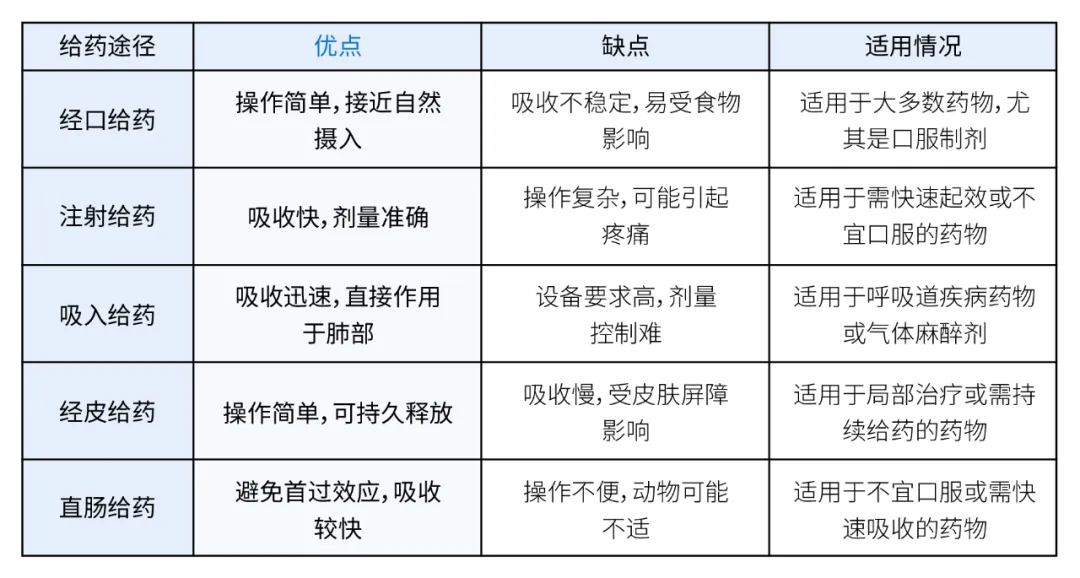
- Reference clinical administration methods: Refer to the proposed clinical administration method of the drug under development and select it in combination with the indication;
- Consider the drug properties: including drug solubility, stability, toxicity, etc.For example, oral administration is suitable for water-soluble drugs, while intravenous injection requires the drug to be completely dissolved;
- Consider the animal species and experimental conditions: Different animals have different tolerances to drug administration methods, and experimental conditions will also affect the choice of drug administration method.For example, gavage is often used for small experimental animals, while large animals may need special equipment for restraint.
In the journey of exploring scientific mysteries and medical progress, experimental animals, as silent heroes, play an irreplaceable role.Understanding and mastering their common administration methods is not only a reflection of the rigor of scientific research, but also a reflection of respect for life.Follow us and learn more about animal research in the next issue.
- Prev: From electrocardiogram and myoelectricity to blood pressure and pulse: Exploring the methods of collecting physiological signals in mice and rats!
- Next: Exploring Cardiovascular and Cerebrovascular Disease Research: An Overview of Animal Model Construction and Precision Monitoring Technologies