




Technical Analysis - How IVC Cages Protect Your Animals' Health
What is an IVC cage?
In modern laboratory animal science, the quality of the housing environment directly impacts the accuracy and reliability of experimental results. As an advanced housing system, IVCs (Independently Ventilated Cages) provide a consistent, clean, and healthy environment for experimental animals with their unique filtration system, ventilation principles, and environmental control system.
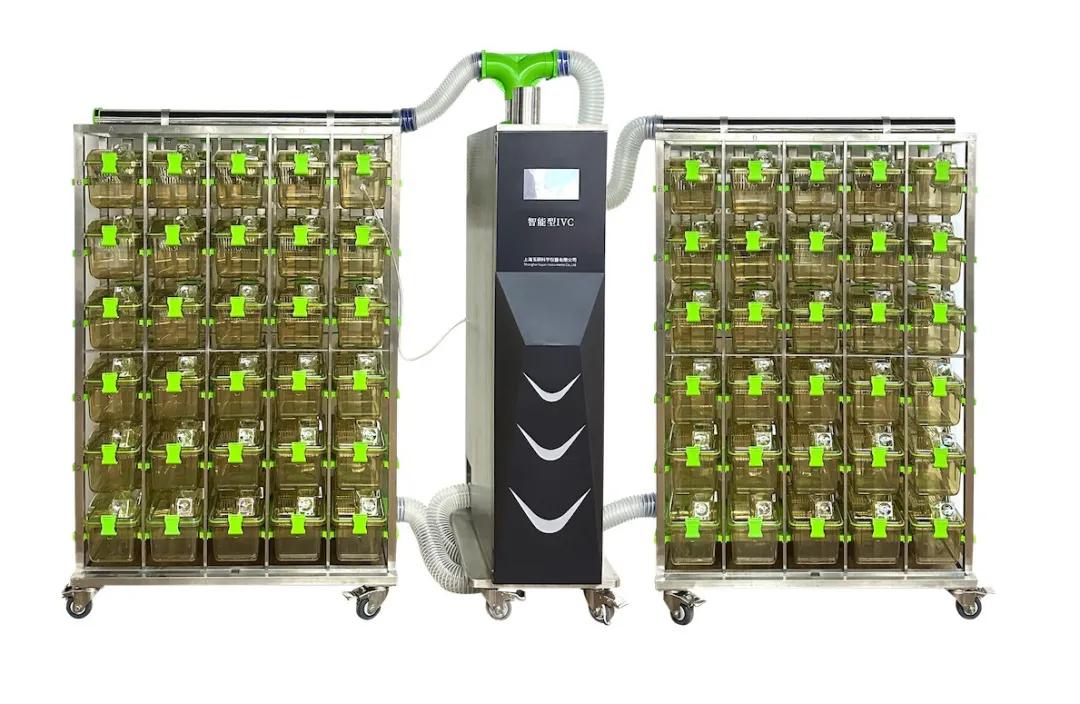
Yuyan Instruments' IVC cages are designed specifically for laboratory animals, using international standards to ensure excellent ventilation and cleanliness. Made of safe and non-toxic materials and featuring a scientifically designed structure, they provide a comfortable living environment while facilitating daily management and observation. The equipment can be used to house animals in an SPF (Specific Pathogen Free) clean environment, ensuring a clean and healthy living environment for laboratory animals.
Analysis of the core technology of IVC breeding cage
Filtration systemThe filtration system of an IVC cage is crucial for ensuring a clean environment. This system typically consists of a primary filter and a high-efficiency particulate air filter (HEPA). The primary filter primarily removes large airborne particles, such as dust and hair; the HEPA filter further removes microscopic particles, including bacteria, viruses, and other microorganisms, ensuring that the air entering the cage is sterile.
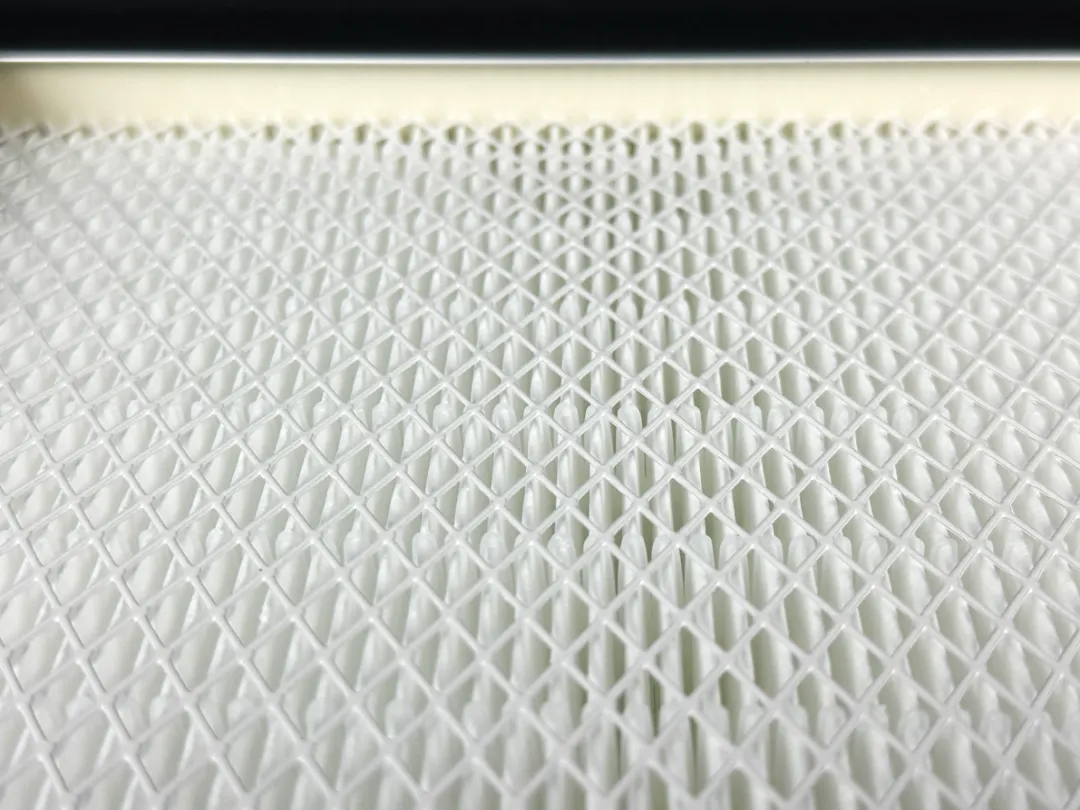
The effective operation of the filtration system depends on regular inspection and maintenance. When the filter becomes clogged or its efficiency decreases, it should be replaced promptly to ensure effective filtration. Through the stringent control of the filtration system, IVC cages provide a low-microbial, clean environment for laboratory animals, significantly reducing the risk of cross-infection.
Yuyan Instruments' IVC breeding system uses a combination of primary and high-efficiency filters to ensure that the air entering the cage is clean and pollution-free. At the same time, it increases the service life of the high-efficiency filter and reduces the cost of equipment use. The exhaust system has independent filtration to prevent the air inside the cage from polluting the laboratory.
Ventilation principle
IVC cages utilize an independent ventilation design, with each cage equipped with independent air supply and exhaust systems. Fresh air enters the cage through the supply duct, providing sufficient oxygen for the experimental animals; at the same time, waste air in the cage is discharged through the exhaust duct, forming a complete air circulation process.
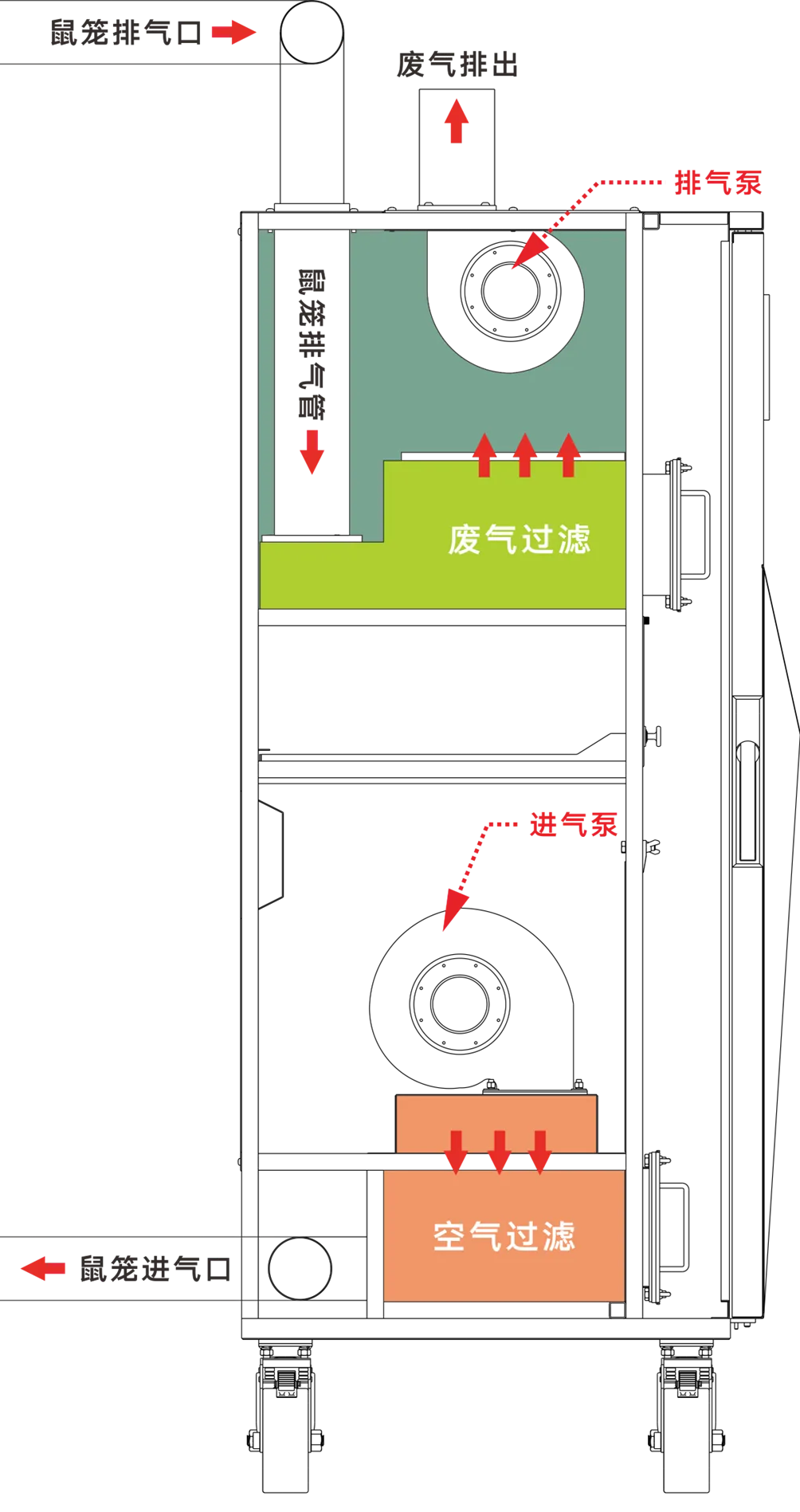
The core of this ventilation principle is to utilize the differential flow rates of the dual fans to deliver clean air to each cage. The fans' continuous supply and exhaust ensures a constant exchange of air between the cage's interior and the animals' exterior, maintaining a constant pressure differential between the internal and external environments. This design not only ensures continuous air refreshment within the cage but also effectively prevents cross-contamination.
Yuyan Instruments' IVC breeding cage has a dual-fan design that allows independent control of supply and exhaust air. The dual fans can operate at lower power to achieve efficient air changes. There are also four-fan main units available to improve equipment operation reliability. Even if a fan is damaged, it will not affect the ventilation in the cage.
Environmental monitoring system
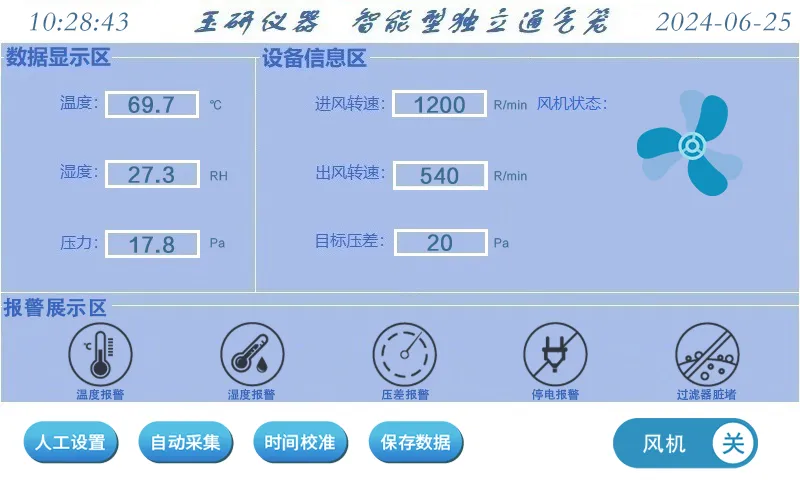
The IVC cage is also equipped with a comprehensive environmental monitoring system consisting of temperature and humidity sensors, a pressure sensor, a wind speed sensor, and a microprocessor system. The temperature and humidity sensors monitor real-time changes in temperature and humidity within the cage, while the pressure sensor measures internal and external pressures and provides feedback to the control system for precise control of fan output.
Yuyan Instruments' IVC cage temperature and humidity sensors, micro-pressure differential sensors, and wind speed sensors are well-known brands on the market. The host has fault alarms, and over-limit alarms for temperature, humidity, pressure and other indicators. The alarm parameters can be customized, and it has an intelligent variable air volume design. At the same time, the temperature and humidity sensors are set near the cage box to better reflect the environment inside the cage.
Through precise monitoring by the environmental monitoring system, IVC cages can ensure the constancy and stability of the breeding environment, providing the most suitable living conditions for experimental animals, thereby improving the accuracy and reliability of experimental results.
The core advantages of IVC cages
Maintain a constant feeding environmentIVC cages ensure a constant and stable housing environment through the combined effects of filtration, ventilation, and environmental control systems. Regardless of environmental fluctuations, IVC cages provide experimental animals with an environment characterized by optimal temperature, moderate humidity, stable airflow, and a low bacterial count. This consistent environment promotes the healthy growth and physiological stability of experimental animals, thereby enhancing the reliability of experimental results.
Low-bacteria environment protection
The filtration system and ventilation principles of IVC cages play a vital role in reducing the levels of bacteria, viruses, and other microorganisms in the enclosure. Through high-efficiency filters and an independent ventilation system, IVC cages effectively prevent the intrusion of external microorganisms and the spread of microorganisms within the cage. This low-microbial environment is crucial for preventing cross-infection and protecting the health of laboratory animals.
Improve experimental accuracy
The stable housing environment and low-bacteria conditions provided by IVC cages help improve the accuracy and reliability of experimental results. Under identical experimental conditions, animals housed in IVC cages exhibit more consistent and stable physiological states and behavioral performance, thereby reducing experimental errors and confounding factors. This makes experimental results more credible and reliable, providing strong support for scientific research.
Yuyan IVC Cage——Core Technology Protects Animal Health
Multi-fan designThe multi-fan design features dual and quad fan systems, with a redundant design that provides one fan for backup and one for use. This ensures normal operation even when one fan fails. The independent control of air supply and exhaust, along with a unique air volume control algorithm, ensures that both air supply and exhaust are independently controlled by two fans. This ensures the air exchange rate within all cages and maintains airflow stability, effectively reducing the risk of cross-infection.
The fan uses a brand permanent magnet brushless EC motor. Yuyan promises that the fan can run continuously for ≥50,000 hours (about 5-7 years) without any faults. The large impeller design ensures low power and low noise operation of the equipment.
The air volume provided by the fan reaches ≥200m 3 /h, ensuring sufficient circulation and renewal of air in the cage, providing a healthy and safe living environment for experimental animals.
Advanced injection molding technology
Yuyan Instruments uses the industry-leading injection molding assembly process when making IVC cages. This process ensures that the edges of the cage box, cage frame and other components are smooth and burr-free, preventing possible accidental damage to experimental animals.
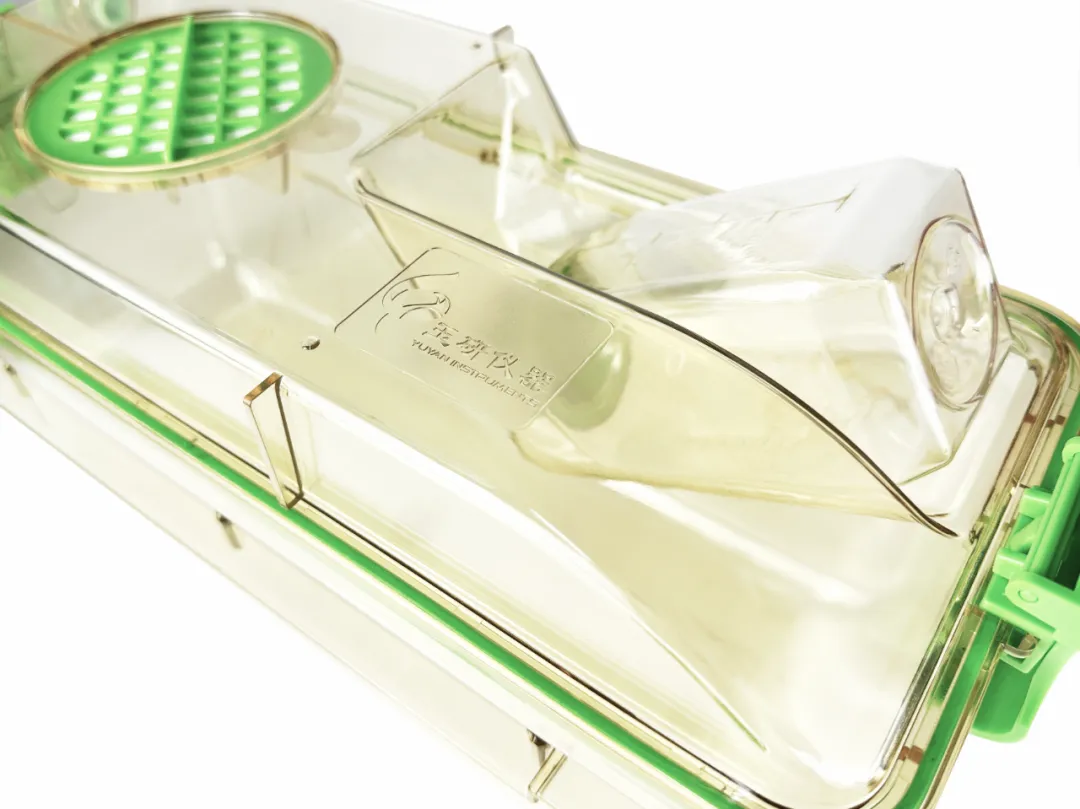
In addition, details such as the buckles have also been carefully designed, and the surface uses a frosted process, which is both non-slip and skin-friendly, further enhancing the user experience and animal welfare.
High-precision sensor
The Yuyan IVC feeding system is equipped with high-precision sensors, all of which are internationally renowned brands, which can monitor the environmental parameters in the cage in real time, such as temperature, humidity, air flow rate, etc.
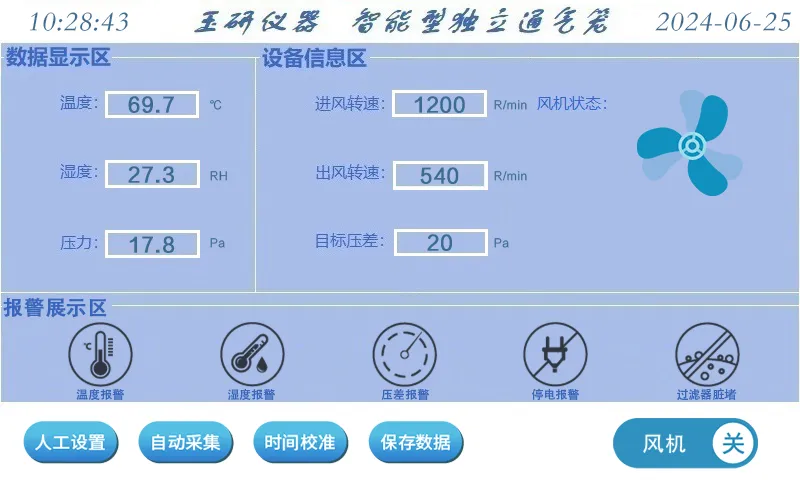
These sensors are connected to an intelligent control system to ensure that the cage environment is always maintained at the optimal setting. If any environmental parameters become abnormal, the system will immediately sound an alarm, prompting staff to take timely measures to ensure the safety of the experimental animals.