




Research Tips | A one-stop solution for preclinical animal research on pulmonary fibrosis, empowering scientific exploration and innovation
The main goal of treating pulmonary fibrosis is to slow disease progression. Treatment options include oxygen therapy, glucocorticoids, immunosuppressants, antifibrotic drugs, and prevention of deep vein thrombosis.
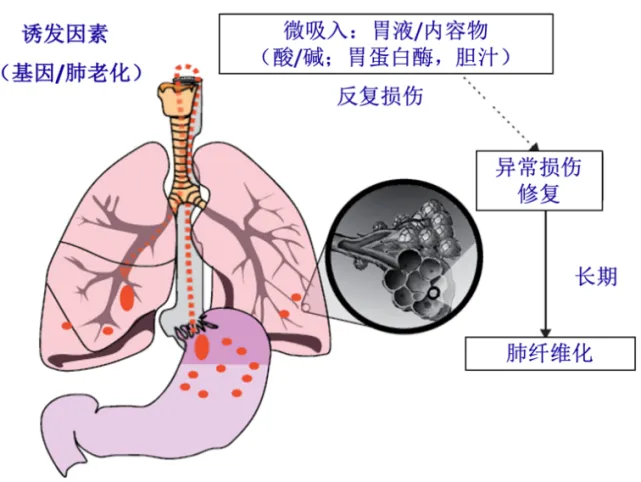
To better treat patients with pulmonary fibrosis, numerous compassionate medical experts are conducting research on therapeutic drugs for this condition, bringing great benefits to patients. During drug development, the mouse pulmonary fibrosis model has gained widespread recognition as a proven validation tool, used in most pulmonary fibrosis drug development efforts to conduct preliminary tests of new drug efficacy.
Modeling method
Bleomycin (BLM) is a multi-component antibiotic of alkaline glycopeptide produced by Streptomyces verticillium. It has anti-tumor effects, and one of its side effects is pulmonary fibrosis.
The mechanism by which bleomycin induces pulmonary fibrosis is generally believed to be that bleomycin induces DNA breakage, produces free radicals, induces oxidative stress response, causes cell apoptosis or necrosis, and induces inflammatory response and fibrosis.
Because the pathological histological changes are closest to human pulmonary fibrosis, and bleomycin is inexpensive, easily available, and reproducible, the bleomycin-induced pulmonary fibrosis animal model has been the most commonly used experimental pulmonary fibrosis model in the past few decades.
Bleomycin administration routes include lung-specific administration (intratracheal administration) and systemic administration (intraperitoneal injection, subcutaneous injection, and intravenous injection). Bleomycin initially damages different cell types using different administration routes. Therefore, when using bleomycin to model, the initial site of damage can be controlled by the administration route.
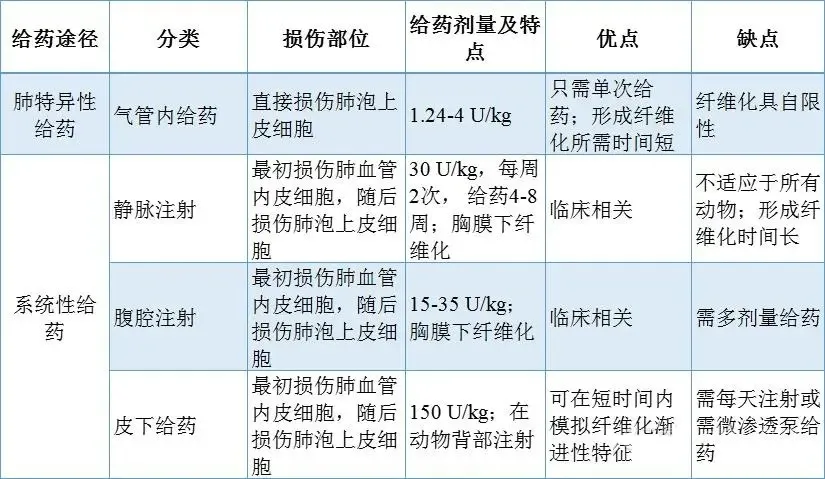
Intratracheal administration is the most commonly used route of administration. The method is to immediately distribute the drug evenly in the lung tissue by means of upright rotation after bleomycin enters the animal's trachea, leading to fibrosis of lung lesions.
Intratracheal administration can be a single or repeated.There are three ways to get drugs into the animal's trachea:
* Pulmonary liquid aerosol administration: bleomycin was quantitatively administered to the lungs of mice using a pulmonary liquid aerosol drug delivery device.Pulmonary fibrosis model was established by quantitatively administering bleomycin to the lungs of healthy C57BL/6 mice using a pulmonary liquid atomizer.The dosage is 2 U/kg, and continuous administration for 7 days can produce a pulmonary fibrosis mouse model;
*Drip method:
2) Anesthetize the animal, surgically cut open the neck skin, bluntly separate the muscle tissue to expose the bronchus, and then inject bleomycin;
Among them, the pulmonary liquid atomization method is simple to operate and the drug is evenly distributed. It does not require surgery on mice and will not cause uncontrollable inhaled drug volume, drug waste, and high cost like the nebulizer exposure method.Saving manpower and material resources, the following is an example of using the device to make a model:
Literature Express | Yuyan Instruments' Pulmonary Nebulizer Drug Delivery Device Empowers New Pulmonary Fibrosis Disease Modeling and Drug Delivery Routes

Reference: Wang, Shuo et al. “Sustainably released nanoparticle-based rhynchophylline limits pulmonary fibrosis by inhibiting the TEK-PI3K/AKT signaling pathway.” Translational lung cancer research vol. 12,3 (2023): 427-445. doi:10.21037/tlcr-22-675
Treatment
The treatment of pulmonary fibrosis can be divided into drug therapy, symptomatic supportive treatment and surgical treatment.Since symptomatic supportive treatment uses conservative therapies such as oxygen therapy and assisted ventilation, and surgical treatment mainly relies on lung transplantation, the development of new treatments for pulmonary fibrosis focuses on drug therapy.
With the advancement of nanoplatform technology, inhalation therapy has made significant progress, which is crucial for converting target drugs into aerosols.In clinical research, nebulizers are usually used for drug administration. In preclinical studies, although nebulizers can ensure that drugs act evenly on the lungs, there are problems such as uncontrollable amount of inhaled drugs, drug waste, and high cost. Therefore, the optimal solution for researchers is to use a pulmonary liquid nebulizer to quantitatively administer drugs to the lungs of C57BL/6 mice with pulmonary fibrosis.
Literature Express | Yuyan Pulmonary Atomization Device (IF=11.5) Helps Nanomedicines Reverse Pulmonary Fibrosis!
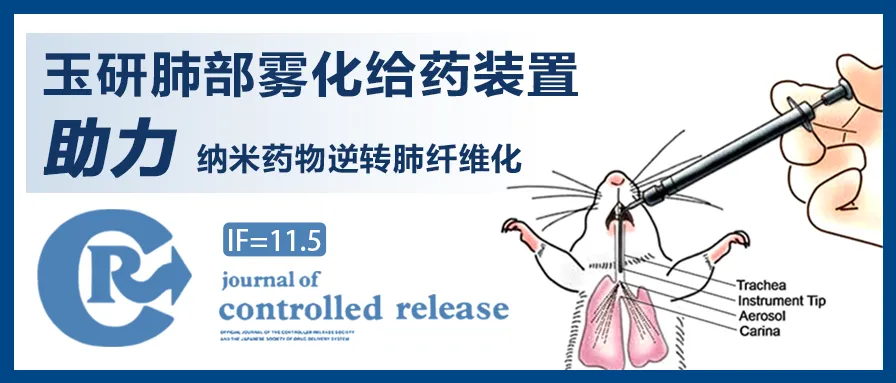
Reference: Han, Meng-Meng et al. “Inhaled nanoparticles for treating idiopathic pulmonary fibrosis by inhibiting honeycomb cyst and alveoli interstitium remodeling.” Journal of controlled release : official journal of the Controlled Release Society vol. 366 (2024): 732-745. doi:10.1016/j.jconrel.2024.01.032
Model Evaluation
In September 2024, Professor Yang Jianhua's team from the Department of Pharmacy of the First Affiliated Hospital of Xinjiang Medical University published an article titled "Harmine inhibits pulmonary fibrosis through regulating DNA damage repair-related genes and activation of TP53-Gadd45α pathway" in the journal International Immunopharmacology.
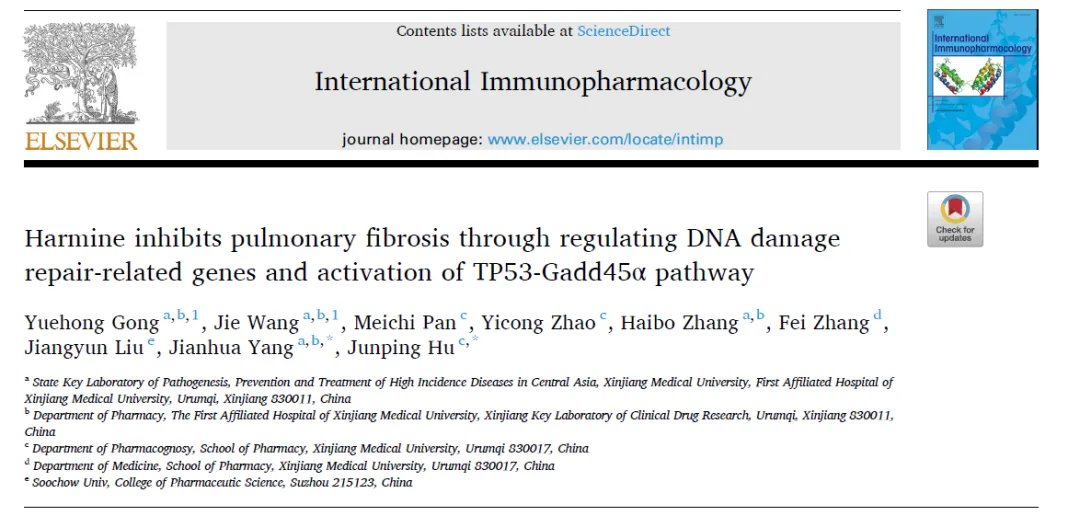
The authors used Harmin, a drug that may have anti-pulmonary fibrosis effects, which is a small molecule isolated from the seeds of the medicinal plant Peganum harmala.Harmin has been used for thousands of years in the Middle East and China and has a wide range of pharmacological effects, including anti-inflammatory, neuroprotective, anti-diabetic and anti-tumor effects.Study demonstrates that harmine treatment improves weight loss and lung function and reduces tissue fibrosis in mice with pulmonary fibrosis.
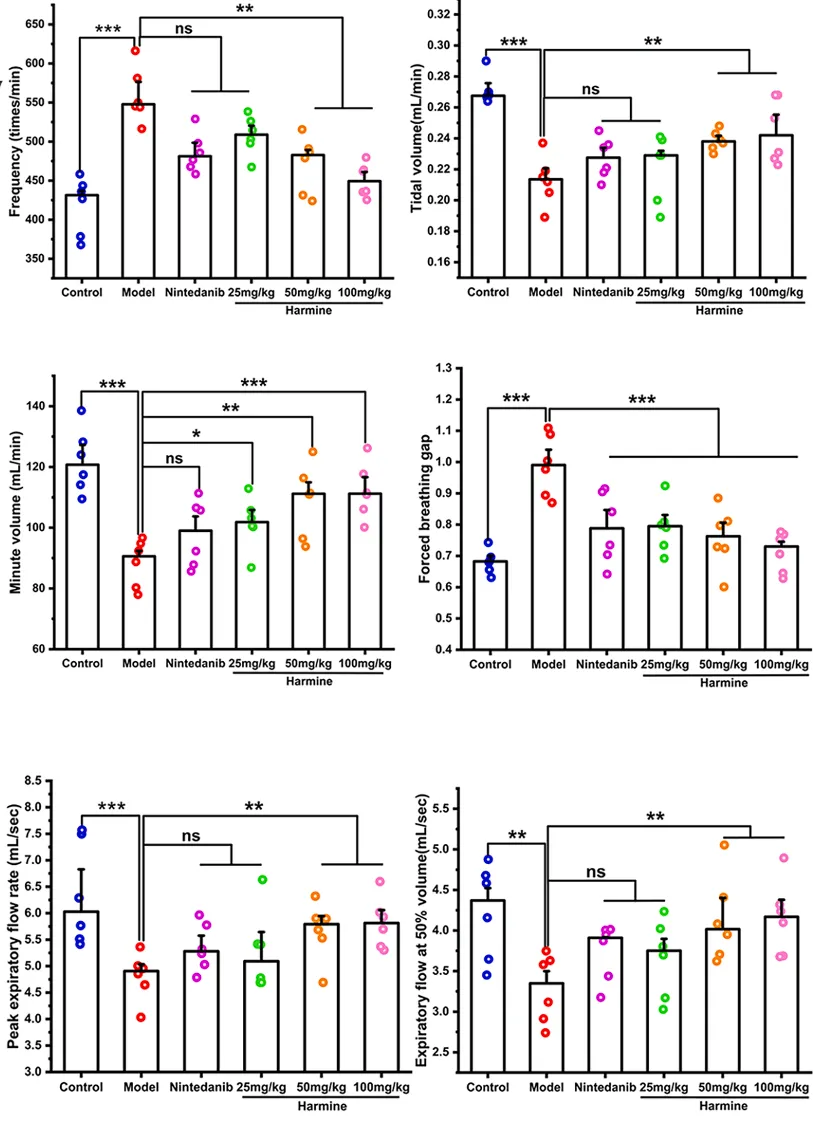
The authors used Emms WBP to measure the lung function of each group of mice for three consecutive days after modeling and drug administration to evaluate the effects of the model and drug.As shown in the figure below: After 21 days of administration, the lung function of mice in each group was measured, including respiratory rate, forced respiratory interval, tidal volume, fractional volume, peak expiratory flow rate, and expiratory flow rate at 50% volume.
01Product Introduction
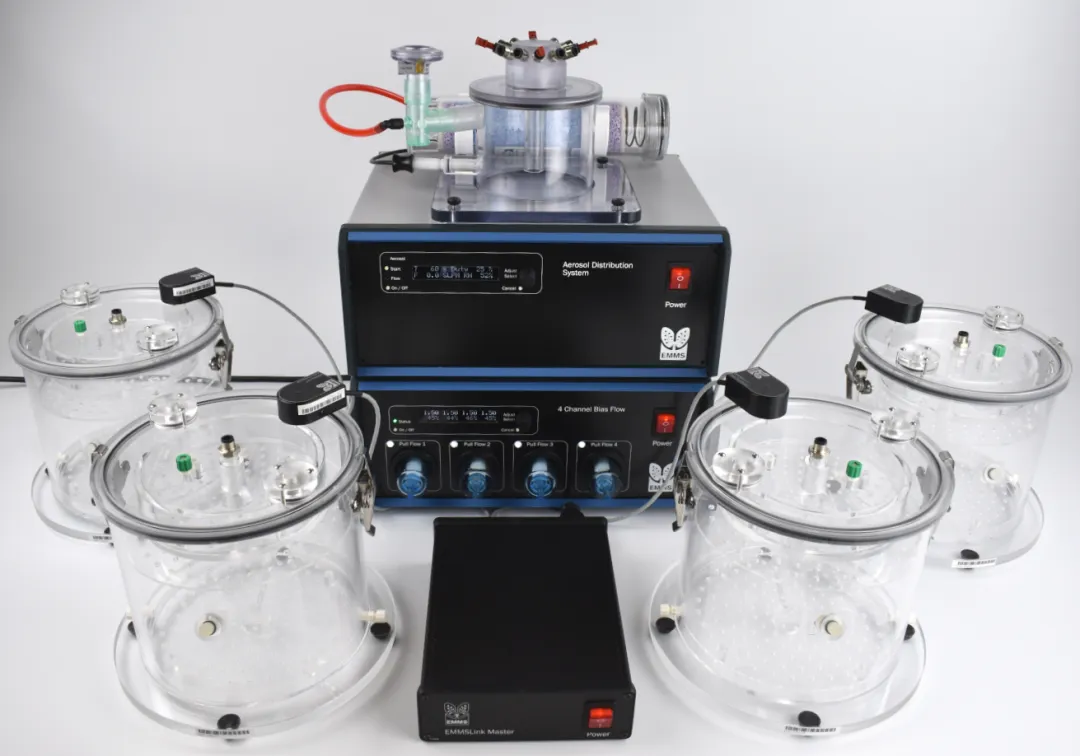
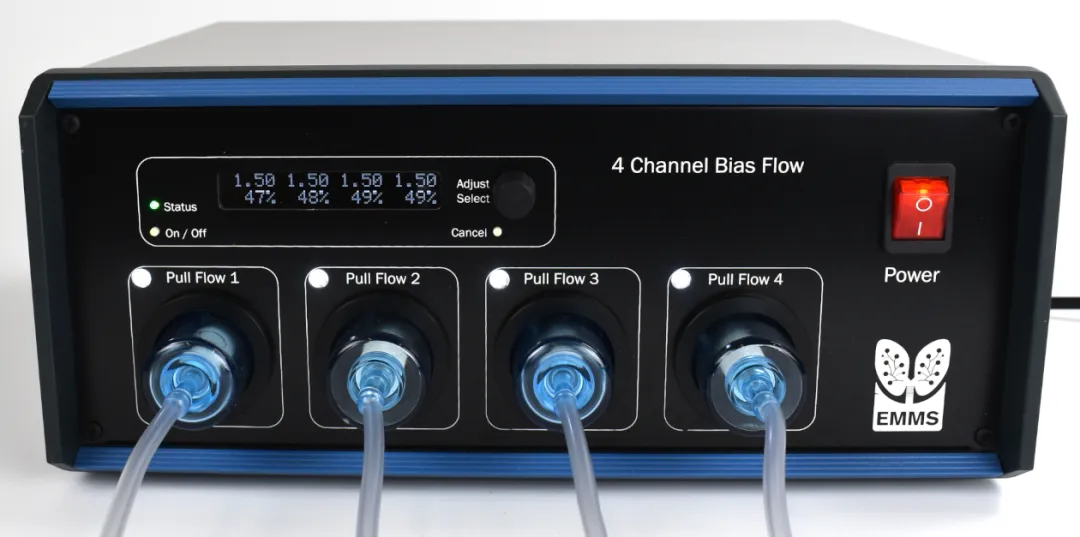
This powerful analysis system can directly obtain a series of physiological data similar to human physiological indicators in live animal experiments, which is very beneficial for the design of basic research programs and equivalent analysis.The detection method used by this system has been widely recognized by the international academic community and is conducive to conducting medical research with higher quality and academic value.
02Product Features
EMMSLink WBP Animal Respiratory Physiology Testing and Analysis System - A Powerful Choice for Preclinical Animal Asthma Model Research
Drug efficacy testing
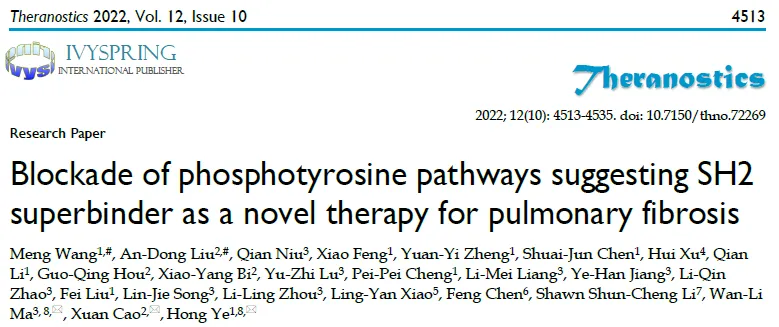
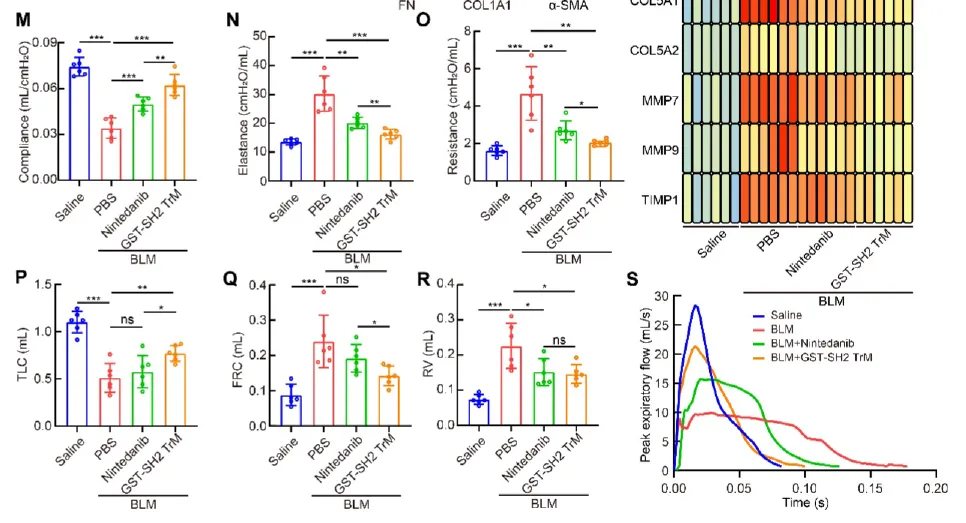
The authors prepared SH2 super adhesive and treated a mouse model of pulmonary fibrosis.Data show that SH2 superbinders block phosphotyrosine-mediated signaling pathways and inhibit lung fibrosis by targeting high phosphotyrosine levels in fibroblasts.
To demonstrate the efficacy of the SH2 superbinder, the EMMS FM system was used to measure lung function in mice. As shown in the figure, lung compliance (M), elastance (N), resistance (O), total lung capacity (P), functional residual capacity (Q), residual capacity (R), and peak expiratory flow (S) were measured in mice treated with the control, untreated, nintedanib (a classic anti-pulmonary fibrosis drug), and GST-SH2 TrM groups. The results demonstrate that the SH2 superbinder exhibits superior therapeutic efficacy and fewer side effects in vivo compared to nintedanib.
01Product Introduction
The eSpira™ Forced Manoeuvers System is a large-scale EMMS system used to monitor a comprehensive range of physiological data related to lung function. It automates data analysis and testing from a series of experiments on anesthetized animals, including forced vital capacity measurements. The system can be used with mice, rats, guinea pigs, and other large animals. It is widely used in preclinical research for various acute and chronic respiratory diseases, including COPD, chronic obstructive pulmonary disease, emphysema, pulmonary fibrosis, silicosis, acute lung injury, and mechanical ventilation-induced lung injury.
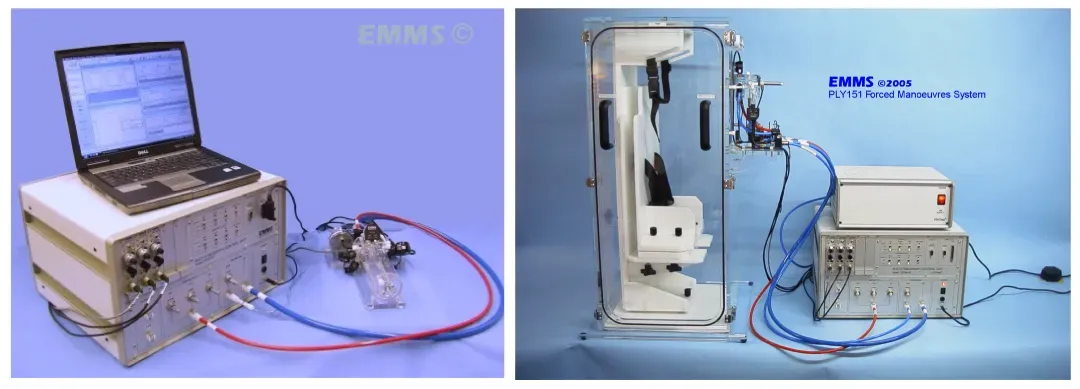
During the experiment, animals are anesthetized and undergo a tracheotomy. Similar to human pulmonary function testing, the eSpira™ system provides a variety of physiological parameters consistent with human pulmonary function indicators. The system is highly automated and offers a rich set of charts for analysis and research. The software allows for customizable data tables and graphs, as well as the viewing and output of raw data and common statistical analysis reports. Protocols can be flexibly configured to meet researchers' experimental needs, streamlining experimental workflows and improving efficiency. Electronic signatures ensure the security and authenticity of experimental data, in compliance with GLP standards.
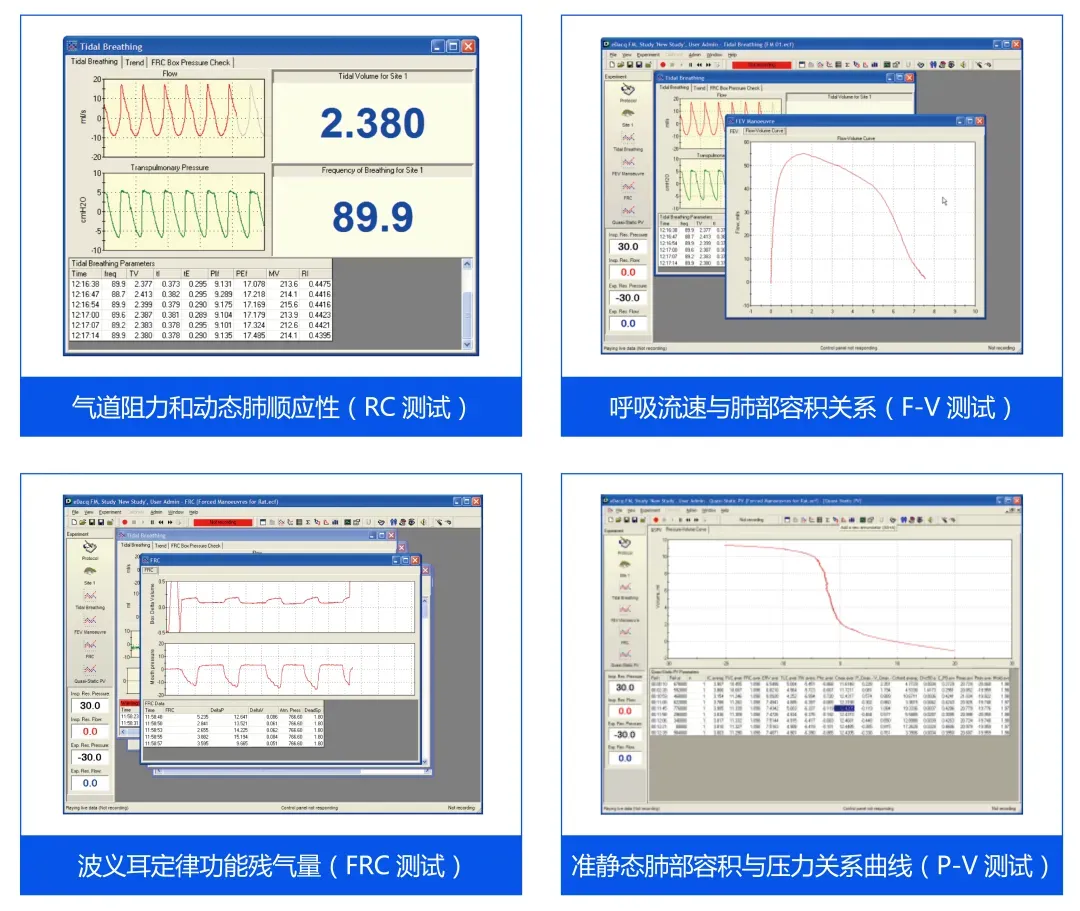
Detectable parameters include but are not limited to:
*Forced Expiratory Volume (FEV)
*Total Lung Capacity
*Forced Vital Capacity
Peak Expiratory Flow
*Maximum Mid Expiratory Flow
*Quasistatic Pressure Volume Curves
*Functional residual capacity/FRC
*Resistance/Compliance
02Product Features
03Application Examples
EMMS forced pulmonary function testing system - a classic in preclinical animal pulmonary function testing and a powerful assistant for respiratory system research.

04Partial user list

05List of some foreign users
2. INRS (Institute National de Recheche et de Securite), France
3. National Oral Disability Centre, The Institute for Postgraduate Dental Education, Sweden
4. Leicester School of Pharmacy, Faculty of Health and Life Sciences, De Montfort University, UK
5. Department of Late Pharmacology(RDP/LP), Nycomed GmbH, Germany
6. The Netherlands and Alexion Pharmaceuticals, USA
7. Pharmacology Research Laboratory, Dainippon Sumitomo Pharma Co., Ltd., Osaka, Japan
8. The Center for Infection and Immunity, School of Medicine, Queen's University, Northern Ireland
9. Division of Rheumatology, Immunology and Allergy and Department of Medicine, Brigham & Women's Hospital, Harvard Medical School, USA
10. Cadila Pharmaceuticals, India
06Some published literature
[2]. Wang, J., et al., Macrophage-derived GPNMB trapped by fibrotic extracellular matrix promotes pulmonary fibrosis. Communications Biology, 2023. 6(1): p. 136.
[3]. Wang, M., et al., Blockade of phosphotyrosine pathways suggesting SH2 superbinder as a novel therapy for pulmonary fibrosis. Theranostics, 2022. 12(10): p. 4513.
[4]. Li, Q., et al., Inhibition of ROCK ameliorates pulmonary fibrosis by suppressing M2 macrophage polarisation through phosphorylation of STAT3. Clinical and Translational Medicine, 2022. 12(10): p. e1036.
[5]. Seitz, AM, et al., Forces at the Anterior Meniscus Attachments Strongly Increase Under Dynamic Knee Joint Loading. The American Journal of Sports Medicine, 2021. 49(4): p. 994-1004.
[6]. Zhang, M., et al., Quantitative evaluation of lung injury caused by PM2. 5 using hyperpolarized gas magnetic resonance. Magnetic Resonance in Medicine, 2020. 84(2): p. 569-578.
[7]. Chen, K., et al., Early peritoneal dialysis ameliorates blast lung injury by alleviating pulmonary edema and inflammation. Shock, 2020. 53(1): p. 95-102.
[8]. Carrington, R., et al., C101 IPF: CLINICAL STUDIES, THERAPEUTICS, AND MORE II: Nintedanib Attenuates Lung Function Decline In A Bleomycin-Induced Rat Model Of Pulmonary Fibrosis. American Journal of Respiratory and Critical Care Medicine, 2017. 195.
[9]. Chung, KF, et al., Inactivation, clearance, and functional effects of lung-instilled short and long silver nanowires in rats. ACS nano, 2017. 11(3): p. 2652-2664.
[10]. Klar, J., et al., Fibroblast growth factor 10 haploinsufficiency causes chronic obstructive pulmonary disease. Journal of medical genetics, 2011. 48(10): p. 705-709.
Recommended Reading
Starr | MouseOx Small Animal Pulse Oximeter - Expert in Non-invasive Continuous Blood Oxygen Monitoring for Mice and Rats


Yuyan Instruments was founded in 2010. With 14 years of independent research and development, it focuses on the design, production and sales of IVC cages, animal gas anesthesia machines, physiological signal acquisition systems and other life science instruments. It is committed to providing customers with effective and reasonable system solutions for life science research and laboratory construction.
Yuyan Instruments has served more than 10,000 customers from domestic and foreign companies and organizations. It has established several offices and after-sales service centers across the country, such as Beijing, Shanghai, and Guangzhou. The instruments are widely used in major research institutes and universities and are widely praised.!