




Yuyan's self-developed euthanasia system | Promoting the humane and technological euthanasia of experimental animals
Date:2024-06-12
Author:Yuyan Instrument
As we explore the frontiers of life science, we must also care deeply about the well-being of every laboratory animal. Shanghai Yuyan Scientific Instrument Co., Ltd.'s integrated euthanasia system provides a humane, safe, and efficient way to offer a painless farewell to laboratory animals. Let us work together with Yuyan to respect life and promote the harmonious development of science and ethics.
Laboratory animals, playing a vital role in scientific research, are undoubtedly instrumental in advancing medical and biological progress. However, while we utilize laboratory animals for scientific research, we must never overlook their inherent right to survival as living individuals.
On the road of scientific exploration, once we have completed the established experimental goals, or the experiment itself has achieved the expected results, the pain endured by the experimental animals has reached or exceeded the preset limits of humanitarian care, or due to certain special circumstances, they are no longer suitable for continued breeding, at this time, we must take decisive and humane measures - euthanasia.
During euthanasia, we must not only ensure that the death of experimental animals is as painless and stressful as possible, but also strictly adhere to ethical standards, laws, and regulations, ensuring that every operation is conducted in accordance with humanitarian and scientific principles. This practice not only respects the lives of laboratory mice but also embodies the scientific spirit, ensuring that while we pursue scientific progress, we maintain our reverence and respect for life.
The safety of operators must be ensured. When using volatile anesthetics (such as ether, enflurane, and trifluoroethane), they must be kept away from fire sources.
Must be subject to supervision by an ethics committee;
Induce loss of consciousness and death in experimental animals as little as possible without causing pain, distress, anxiety or fear;
The time required to induce loss of consciousness in experimental animals should be as short as possible;
The euthanasia method selected must be safe and reliable, and should be easy to perform as much as possible;
The death process of experimental animals is irreversible;
When performing euthanasia, it is best to do so in an environment that is familiar and safe to the experimental animal. The procedure must be gentle and careful, and sedation and/or anesthesia are the best conditions for euthanasia.
The euthanasia method used should take into account the species, age, and health status of the experimental animals;
Frightened animals making distress sounds, engaging in fearful behavior, and releasing certain scents or pheromones may cause anxiety and fear in other animals. Therefore, euthanasia in the presence of other animals or of their own kind is prohibited.
The euthanasia drugs used are legal, safe, reliable, readily available and authorized for use;
The circumstances of death must be verified after euthanasia and before disposal of the animal. To determine whether the animal is dead, it is necessary not only to observe whether the experimental animal has stopped breathing, but also to observe nerve reflexes, muscle relaxation, etc.
Attention must be paid to the emotional impact of euthanasia of experimental animals on observers and operators.
Injection drug method
Injecting an overdose of a drug is a highly reliable method of animal euthanasia, resulting in rapid death. Intravenous or intraperitoneal overdose of barbiturates rapidly induces loss of consciousness and respiratory arrest, making it suitable for a wide range of animal species. The advantages of injectable barbiturates are smooth induction and anesthesia, as their effectiveness varies depending on dose, concentration, and route of administration. This minimizes adverse reactions, reduces the likelihood of failure compared to physical methods, and preserves anatomy. However, the disadvantages of injectable barbiturates are that they are controlled substances and are subject to regulatory requirements for acquisition, storage, use, and recordkeeping. The use of barbiturates also raises several animal welfare concerns, including stress associated with handling the animal for injection; potential pain after perivascular injection; and the potential for resuscitation if the dose is not properly controlled and death is not verified. This method of euthanasia requires the use of supplemental methods to confirm animal death and requires personnel training in the accurate administration of intraperitoneal or intravenous injections.
Physical euthanasia methods include cervical dislocation, decapitation, exsanguination, and microwave stimulation. With good technique and appropriate tools, these methods can quickly relieve pain and lead to death. However, when performed by untrained personnel, physical euthanasia can easily cause injury and potentially cause the animal significant pain due to incomplete death.
The use of physical methods in animal euthanasia has the following advantages and disadvantages:
Advantages Low cost: Physical methods are generally low cost and do not require expensive equipment or chemicals.
No chemical pollution: avoids the possible contamination of tissues by chemical agents.
High execution efficiency: When operated correctly, the euthanasia process can be completed quickly.
Minimal equipment required: Some physical methods do not even require special equipment to perform.
Disadvantages: High technical requirements: The operator has high technical proficiency requirements, and improper operation may cause the animals to suffer more pain.
Not suitable for certain studies: Physical methods are not suitable for studies that require keeping the animal's head and neck intact.
May cause stress to animals: The process of grabbing and restraining animals may cause stress and fear to animals.
Strong sensory stimulation: The sensory stimulation for those who perform euthanasia is relatively large, and psychological training is required.
Potential dangers: All physical methods are traumatic and may pose potential risks to both experimental animals and operators.
Applicability from the perspective of animal welfare: When the species is selected appropriately and the anesthesia measures are appropriate, physical methods can be used as appropriate means of euthanasia to reduce unnecessary suffering of animals.
Psychological training: People who perform euthanasia need to be psychologically trained to cope with sensory stimulation.
Potential risks: Attention should be paid to the possible trauma and danger to experimenters caused by physical methods, and appropriate safety measures should be taken.
In summary, physical methods are a cost-effective and easy-to-use option for animal euthanasia, but they also require attention to technical requirements, animal welfare, and personnel safety.
Inhaled medication
Inhalational anesthetics are a widely used technique for anesthesia and sacrifice of experimental animals. They involve a variety of different inhalational anesthetics, the most common and important of which include carbon dioxide, nitrogen, carbon monoxide, and ether. While each of these anesthetics has its own characteristics and uses, in laboratories, particularly when working with experimental rodents, carbon dioxide is often the preferred method.
When using carbon dioxide to kill experimental rodents, the animal must first be safely placed in a dedicated carbon dioxide anesthesia chamber. As carbon dioxide levels gradually accumulate in the brain, the animal's nervous system begins to be suppressed, causing their consciousness to gradually blur until it is completely lost. This process is not only gradual but also relatively gentle, allowing the animal to enter a state of deep anesthesia in a nearly painless state, ultimately leading to death.
Carbon dioxide inhalation is a method of euthanasia and is widely favored due to its many advantages:
Easy to operate: This method does not require complicated equipment or technology and is easy to implement.
Safe and reliable: It is a safe choice with lower risks for animals and experimenters.
The effect is significant: it can achieve the experimental purpose quickly and effectively, ensuring the smooth progress of the experiment.
Low cost: As a cheap and easily available gas, the use of carbon dioxide greatly reduces experimental costs.
Environmentally friendly and harmless: After carbon dioxide decomposes in the animal's body, it will not cause pollution to the environment or animal tissues, and meets the standards of environmental protection and animal welfare.
However, there are still some details to note when using the carbon dioxide method. To ensure that the animal does not feel pain before losing consciousness, it is recommended that the experimenter control the speed of carbon dioxide filling. Specifically, according to national euthanasia guidelines, the amount of carbon dioxide filled per minute should be controlled between 30% and 70% of the anesthesia chamber volume to ensure that the animal can enter an anesthesia state smoothly.
At the same time, we also need to closely monitor the animal's reaction and condition so that appropriate measures can be taken when necessary. Shanghai Yuyan Instrument Co., Ltd.'s self-developed integrated euthanasia system accurately and precisely adjusts the carbon dioxide flow and concentration in real time. The animal can be observed through a transparent observation window, ensuring that the animal loses consciousness before any movement (muscle activity) ceases, thus achieving a painless and painless death, in compliance with national euthanasia guidelines.
High degree of automation: The system can automatically perform CO2 inflation, maintenance and waste gas removal operations, realizing one-button operation.
Data controllability: CO2 concentration can be displayed, adjusted and controlled in real time.
Parameter adjustability: CO2 flow rate, ventilation time, holding time, exhaust gas flushing time, UV sterilization time and other parameters are adjustable and controllable to meet different experimental needs.
Safety of use: The system has an alarm function, can automatically remove CO2 and exhaust gas in the box, and has functions such as ultraviolet sterilization and cabin door closing reminder.
Operation interface: LCD touch screen, simplifies the operation process.
CO2 flow rate: 0 to 50 L/min, accuracy 0.01 L/min.
CO2 monitoring: 0-100% monitoring range, 0.01% adjustment accuracy.
Safety settings: cabinet door closing reminder, CO2 safety alarm, UV sterilization.
Developed by Shanghai Yuyan Scientific Instrument Co., Ltd., the fully automated small animal euthanasia system adheres to the 2020 Animal Euthanasia Guidelines and utilizes direct CO2 hypoxia to achieve rapid and humane euthanasia for small animals (such as mice, rats, guinea pigs, and rabbits). The system features a high degree of automation, one-button operation, digital control, a separate design, a visual exposure chamber, and customized services. Exposure chambers of various materials and sizes are available to accommodate diverse experimental needs. The system also includes automatic and manual flushing functions to ensure rapid removal of exhaust gases, improving experimental efficiency and safety.
The Manual Small Animal Euthanasia System is a laboratory animal euthanasia device designed according to humanitarian principles. It primarily utilizes direct CO2 hypoxia to achieve a painless animal sacrifice. The system features manual control of CO2 ventilation time and flow rate to accommodate diverse experimental needs. It also incorporates a transparent CO2 exposure chamber, allowing researchers to observe the animal's condition in real time. Furthermore, the system offers customized services, allowing for the chamber's material, size, and shape to be tailored to experimental requirements. The system is also self-upgradable and can be paired with a CO2 automatic control unit to enhance experimental efficiency and convenience.
Xu L, Wang S, Shen H, et al. Analgesic and toxic effects of venenum bufonis and its constituent compound cinobufagin: Acomparative study. Neurotoxicology and Teratology. 2019;73:49-53.
Tian J, Zhou D, Xiang L, etal. Calycosin represses AIM2 inflammasome-mediated inflammation and pyroptosis to attenu-ate monosodium urate-induced gouty arthritis through NF-kB and p62-Keapl pathways. Drug Development Research. 2022/11/012022;83(7):1654-1672.
LiY,Yu H,LvM,LiQ,Zou K,LvS.Combination therapy with budesonide and N-acetylcysteine ameliorates LPS-induced ALIby attenuating neutrophil recruitment through the miR-196b-5p/Socs3 molecular axis. BMC Pulmonary Medicine. 2022;22(1):388
Cui Q, Zhang D, Kong D, et al. Co-transplantation with adipose-derived cells to improve parathyroid transplantation inamice model. Stem Cell Research&Therapy. 2020;11(1):1-14.
HuQ, Gao M, ZhangD, et al. De novo assembly and transcriptome characterization: Novel insights into the mechanisms of primary ovarian cancer in Microtus fortis. Molecular Medicine Reports. 2022;25(2):1-9.
HuC-B, Jiang H, YangY, etal. DL-3-n-butylphthalide alleviates motor disturbance by suppressing ferroptosisin a ratmodel of Parkinson's disease. Neural Regeneration Research. 2023;18(1):194.
Guo G, Sun L, Yang L, Xu H. IDO1 depletion induces an anti-inflammatory response in macrophages in mice with chronic viral myocarditis. Cell Cycle. 2019;18(20):2598-2613.
Pan W,Xu X,Wang Y,Song
Zhao C, Jiang Q, Chen L, Chen W. LncRNA LINC01535 promotes colorectal cancer development and chemoresistance by sponging miR-761. Experimental and Therapeutic Medicine. 2021;22(1):1-10.
Laboratory animals, playing a vital role in scientific research, are undoubtedly instrumental in advancing medical and biological progress. However, while we utilize laboratory animals for scientific research, we must never overlook their inherent right to survival as living individuals.
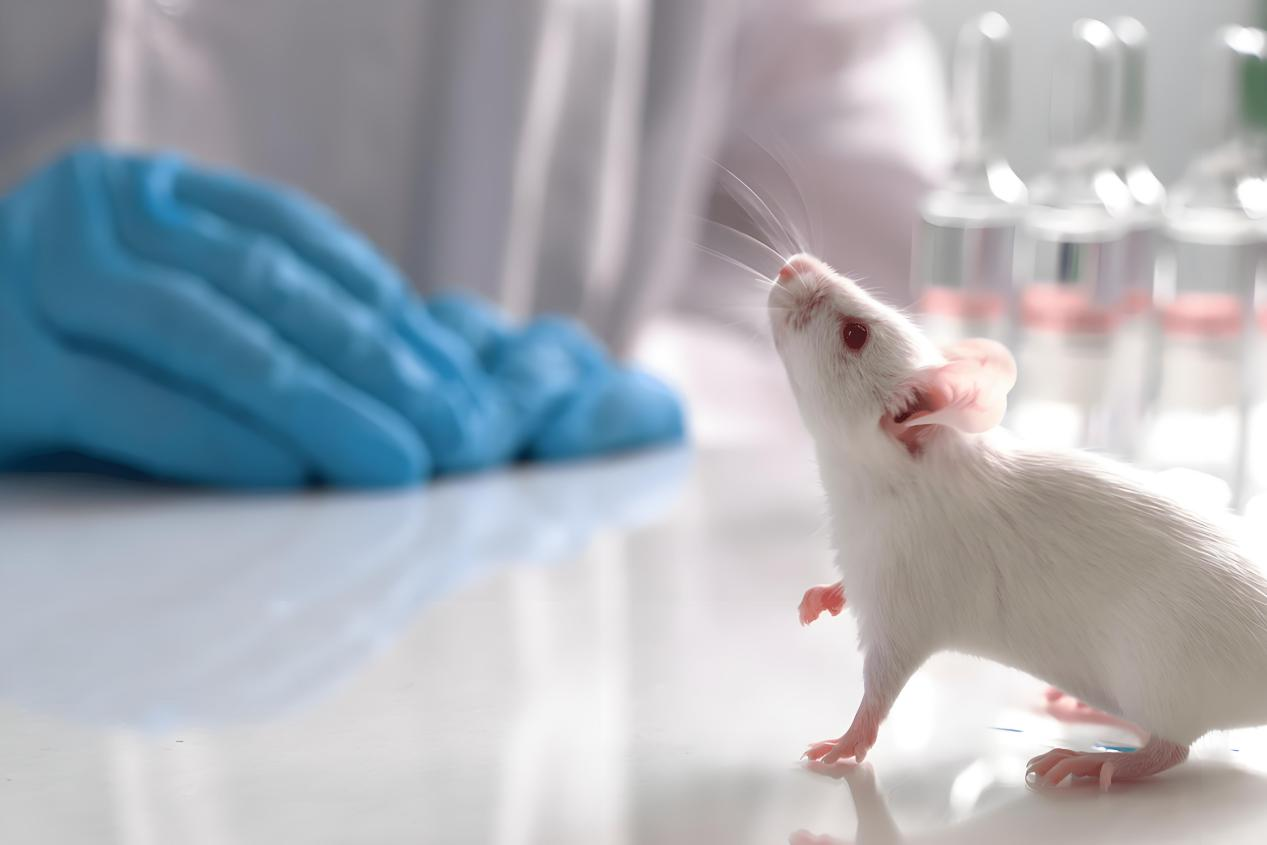
On the road of scientific exploration, once we have completed the established experimental goals, or the experiment itself has achieved the expected results, the pain endured by the experimental animals has reached or exceeded the preset limits of humanitarian care, or due to certain special circumstances, they are no longer suitable for continued breeding, at this time, we must take decisive and humane measures - euthanasia.
During euthanasia, we must not only ensure that the death of experimental animals is as painless and stressful as possible, but also strictly adhere to ethical standards, laws, and regulations, ensuring that every operation is conducted in accordance with humanitarian and scientific principles. This practice not only respects the lives of laboratory mice but also embodies the scientific spirit, ensuring that while we pursue scientific progress, we maintain our reverence and respect for life.
Euthanasia definition
The word euthanasia comes from Greek, "eu" means good, and "thanatos" means death. Euthanasia refers to "good death" or "peaceful and meaningful death", and is also translated as "painless death". Euthanasia of experimental animals refers to the process of killing experimental animals in a recognized and humane way, so that the experimental animals can die peacefully and without fear or anxiety. The most important criterion for euthanasia methods is that euthanasia should have an early inhibitory effect that ensures that the central nervous system of the experimental animal immediately reaches the pain of death. In the context of these guidelines, euthanasia of experimental animals is the act of inducing humane death in experimental animals.Euthanasia Assessment Criteria
When evaluating euthanasia methods, we use the following criteria:The safety of operators must be ensured. When using volatile anesthetics (such as ether, enflurane, and trifluoroethane), they must be kept away from fire sources.
Must be subject to supervision by an ethics committee;
Induce loss of consciousness and death in experimental animals as little as possible without causing pain, distress, anxiety or fear;
The time required to induce loss of consciousness in experimental animals should be as short as possible;
The euthanasia method selected must be safe and reliable, and should be easy to perform as much as possible;
The death process of experimental animals is irreversible;
When performing euthanasia, it is best to do so in an environment that is familiar and safe to the experimental animal. The procedure must be gentle and careful, and sedation and/or anesthesia are the best conditions for euthanasia.
The euthanasia method used should take into account the species, age, and health status of the experimental animals;
Frightened animals making distress sounds, engaging in fearful behavior, and releasing certain scents or pheromones may cause anxiety and fear in other animals. Therefore, euthanasia in the presence of other animals or of their own kind is prohibited.
The euthanasia drugs used are legal, safe, reliable, readily available and authorized for use;
The circumstances of death must be verified after euthanasia and before disposal of the animal. To determine whether the animal is dead, it is necessary not only to observe whether the experimental animal has stopped breathing, but also to observe nerve reflexes, muscle relaxation, etc.
Attention must be paid to the emotional impact of euthanasia of experimental animals on observers and operators.
Common euthanasia methods
Generally speaking, there are three main methods of euthanasia: injection of drugs (intravenous, intraperitoneal, etc.); physical methods (cervical dislocation, decapitation, bloodletting, etc.); and inhalation of drugs (carbon dioxide, nitrogen, carbon monoxide, ether, etc.).Injection drug method
Injecting an overdose of a drug is a highly reliable method of animal euthanasia, resulting in rapid death. Intravenous or intraperitoneal overdose of barbiturates rapidly induces loss of consciousness and respiratory arrest, making it suitable for a wide range of animal species. The advantages of injectable barbiturates are smooth induction and anesthesia, as their effectiveness varies depending on dose, concentration, and route of administration. This minimizes adverse reactions, reduces the likelihood of failure compared to physical methods, and preserves anatomy. However, the disadvantages of injectable barbiturates are that they are controlled substances and are subject to regulatory requirements for acquisition, storage, use, and recordkeeping. The use of barbiturates also raises several animal welfare concerns, including stress associated with handling the animal for injection; potential pain after perivascular injection; and the potential for resuscitation if the dose is not properly controlled and death is not verified. This method of euthanasia requires the use of supplemental methods to confirm animal death and requires personnel training in the accurate administration of intraperitoneal or intravenous injections.
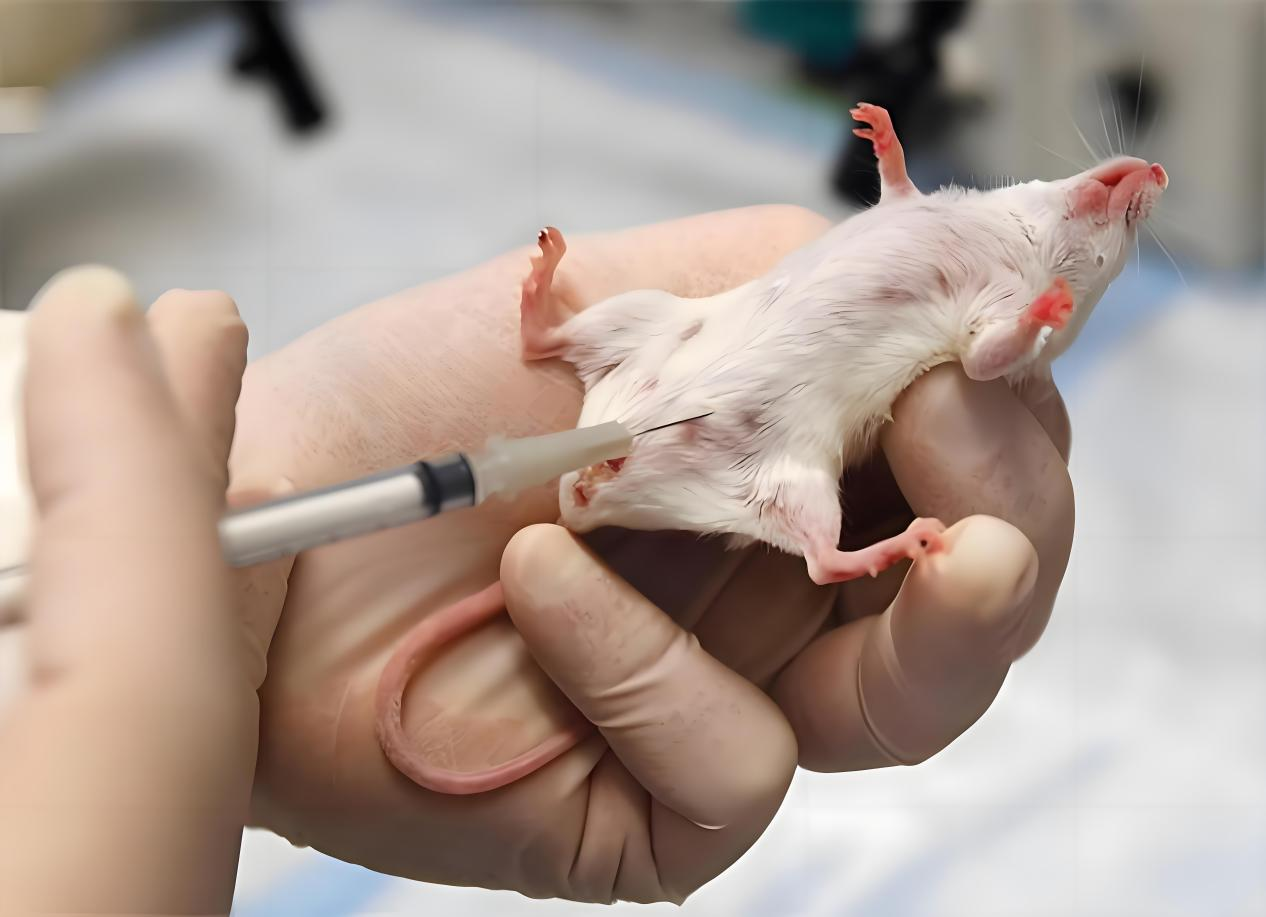
Physical euthanasia methods include cervical dislocation, decapitation, exsanguination, and microwave stimulation. With good technique and appropriate tools, these methods can quickly relieve pain and lead to death. However, when performed by untrained personnel, physical euthanasia can easily cause injury and potentially cause the animal significant pain due to incomplete death.
The use of physical methods in animal euthanasia has the following advantages and disadvantages:
Advantages Low cost: Physical methods are generally low cost and do not require expensive equipment or chemicals.
No chemical pollution: avoids the possible contamination of tissues by chemical agents.
High execution efficiency: When operated correctly, the euthanasia process can be completed quickly.
Minimal equipment required: Some physical methods do not even require special equipment to perform.
Disadvantages: High technical requirements: The operator has high technical proficiency requirements, and improper operation may cause the animals to suffer more pain.
Not suitable for certain studies: Physical methods are not suitable for studies that require keeping the animal's head and neck intact.
May cause stress to animals: The process of grabbing and restraining animals may cause stress and fear to animals.
Strong sensory stimulation: The sensory stimulation for those who perform euthanasia is relatively large, and psychological training is required.
Potential dangers: All physical methods are traumatic and may pose potential risks to both experimental animals and operators.
Applicability from the perspective of animal welfare: When the species is selected appropriately and the anesthesia measures are appropriate, physical methods can be used as appropriate means of euthanasia to reduce unnecessary suffering of animals.
Psychological training: People who perform euthanasia need to be psychologically trained to cope with sensory stimulation.
Potential risks: Attention should be paid to the possible trauma and danger to experimenters caused by physical methods, and appropriate safety measures should be taken.
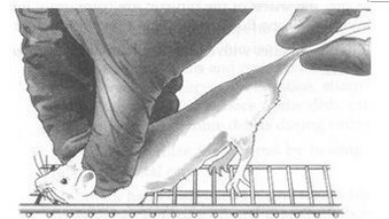
In summary, physical methods are a cost-effective and easy-to-use option for animal euthanasia, but they also require attention to technical requirements, animal welfare, and personnel safety.
Inhaled medication
Inhalational anesthetics are a widely used technique for anesthesia and sacrifice of experimental animals. They involve a variety of different inhalational anesthetics, the most common and important of which include carbon dioxide, nitrogen, carbon monoxide, and ether. While each of these anesthetics has its own characteristics and uses, in laboratories, particularly when working with experimental rodents, carbon dioxide is often the preferred method.
When using carbon dioxide to kill experimental rodents, the animal must first be safely placed in a dedicated carbon dioxide anesthesia chamber. As carbon dioxide levels gradually accumulate in the brain, the animal's nervous system begins to be suppressed, causing their consciousness to gradually blur until it is completely lost. This process is not only gradual but also relatively gentle, allowing the animal to enter a state of deep anesthesia in a nearly painless state, ultimately leading to death.
Carbon dioxide inhalation is a method of euthanasia and is widely favored due to its many advantages:
Easy to operate: This method does not require complicated equipment or technology and is easy to implement.
Safe and reliable: It is a safe choice with lower risks for animals and experimenters.
The effect is significant: it can achieve the experimental purpose quickly and effectively, ensuring the smooth progress of the experiment.
Low cost: As a cheap and easily available gas, the use of carbon dioxide greatly reduces experimental costs.
Environmentally friendly and harmless: After carbon dioxide decomposes in the animal's body, it will not cause pollution to the environment or animal tissues, and meets the standards of environmental protection and animal welfare.
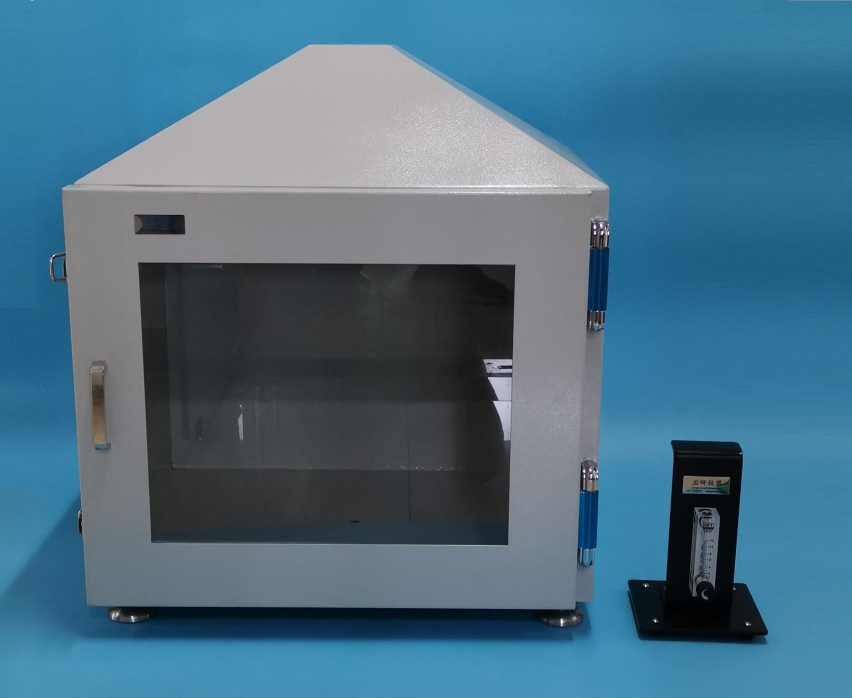
However, there are still some details to note when using the carbon dioxide method. To ensure that the animal does not feel pain before losing consciousness, it is recommended that the experimenter control the speed of carbon dioxide filling. Specifically, according to national euthanasia guidelines, the amount of carbon dioxide filled per minute should be controlled between 30% and 70% of the anesthesia chamber volume to ensure that the animal can enter an anesthesia state smoothly.
At the same time, we also need to closely monitor the animal's reaction and condition so that appropriate measures can be taken when necessary. Shanghai Yuyan Instrument Co., Ltd.'s self-developed integrated euthanasia system accurately and precisely adjusts the carbon dioxide flow and concentration in real time. The animal can be observed through a transparent observation window, ensuring that the animal loses consciousness before any movement (muscle activity) ceases, thus achieving a painless and painless death, in compliance with national euthanasia guidelines.
Yuyan's self-developed fully automatic integrated euthanasia system
The integrated euthanasia system provided by Shanghai Yuyan Scientific Instrument Co., Ltd., with its efficient, humane, and environmentally friendly features, provides an ideal solution for the painless death of laboratory animals. The system uses carbon dioxide anesthesia euthanasia, rapidly rendering animals unconscious through direct or indirect hypoxia, thereby reducing pain and suffering. The system is user-friendly and easy to operate, and is equipped with real-time monitoring to ensure a smooth transition before animals lose consciousness. Furthermore, the system adheres to national euthanasia guidelines and is safe, environmentally friendly, and cost-effective. This innovative technology from Shanghai Yuyan Scientific Instrument Co., Ltd. not only demonstrates respect for animal welfare but also the company's dual commitment to scientific research and environmental protection.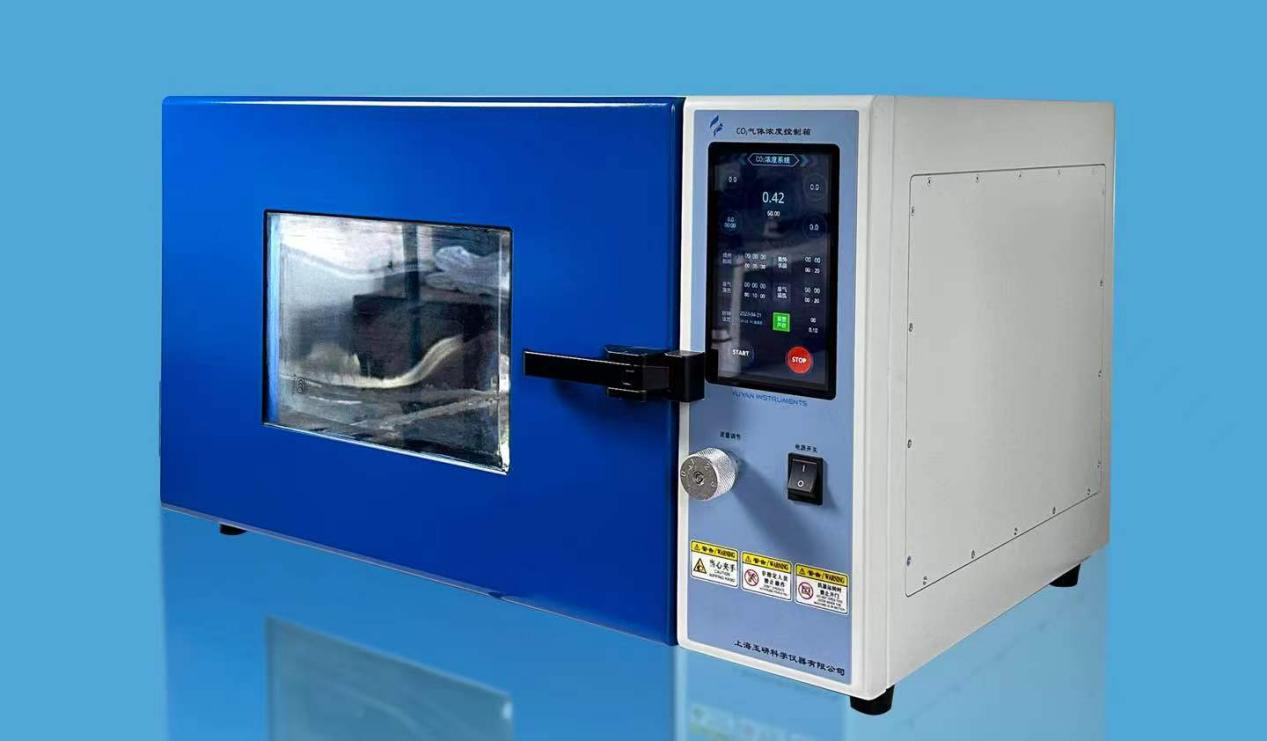
System Features
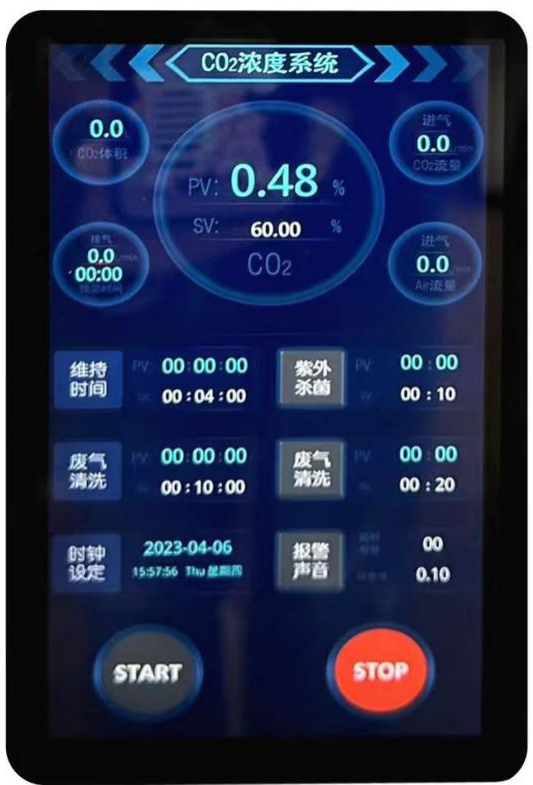
Integrated design: The integrated design of the gas control system and animal exposure chamber improves the efficiency and aesthetics of laboratory space utilization while reducing maintenance procedures and costs.High degree of automation: The system can automatically perform CO2 inflation, maintenance and waste gas removal operations, realizing one-button operation.
Data controllability: CO2 concentration can be displayed, adjusted and controlled in real time.
Parameter adjustability: CO2 flow rate, ventilation time, holding time, exhaust gas flushing time, UV sterilization time and other parameters are adjustable and controllable to meet different experimental needs.
Safety of use: The system has an alarm function, can automatically remove CO2 and exhaust gas in the box, and has functions such as ultraviolet sterilization and cabin door closing reminder.
System parameters
Applicable animals: mice, rats, guinea pigs, rabbits and other small animals.Operation interface: LCD touch screen, simplifies the operation process.
CO2 flow rate: 0 to 50 L/min, accuracy 0.01 L/min.
CO2 monitoring: 0-100% monitoring range, 0.01% adjustment accuracy.
Safety settings: cabinet door closing reminder, CO2 safety alarm, UV sterilization.
Observation window: 304 stainless steel and transparent tempered glass.
Fully automated euthanasia
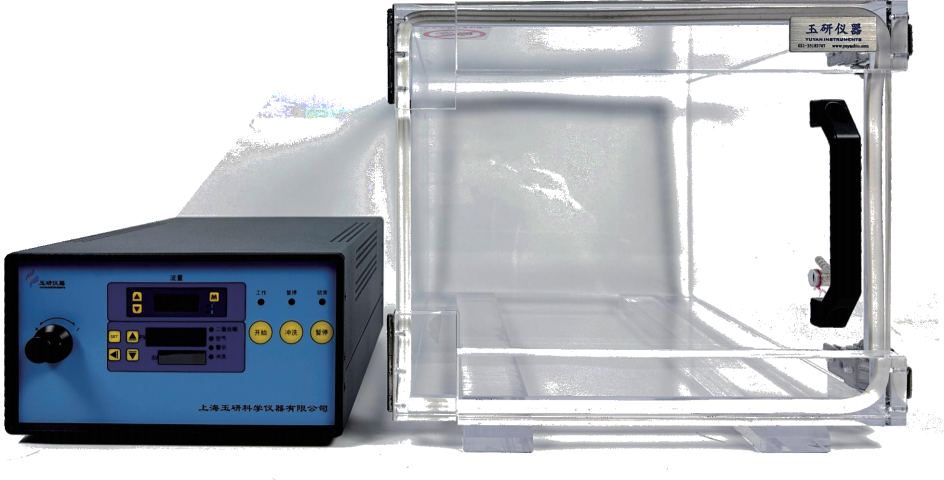
Developed by Shanghai Yuyan Scientific Instrument Co., Ltd., the fully automated small animal euthanasia system adheres to the 2020 Animal Euthanasia Guidelines and utilizes direct CO2 hypoxia to achieve rapid and humane euthanasia for small animals (such as mice, rats, guinea pigs, and rabbits). The system features a high degree of automation, one-button operation, digital control, a separate design, a visual exposure chamber, and customized services. Exposure chambers of various materials and sizes are available to accommodate diverse experimental needs. The system also includes automatic and manual flushing functions to ensure rapid removal of exhaust gases, improving experimental efficiency and safety.
Manual euthanasia
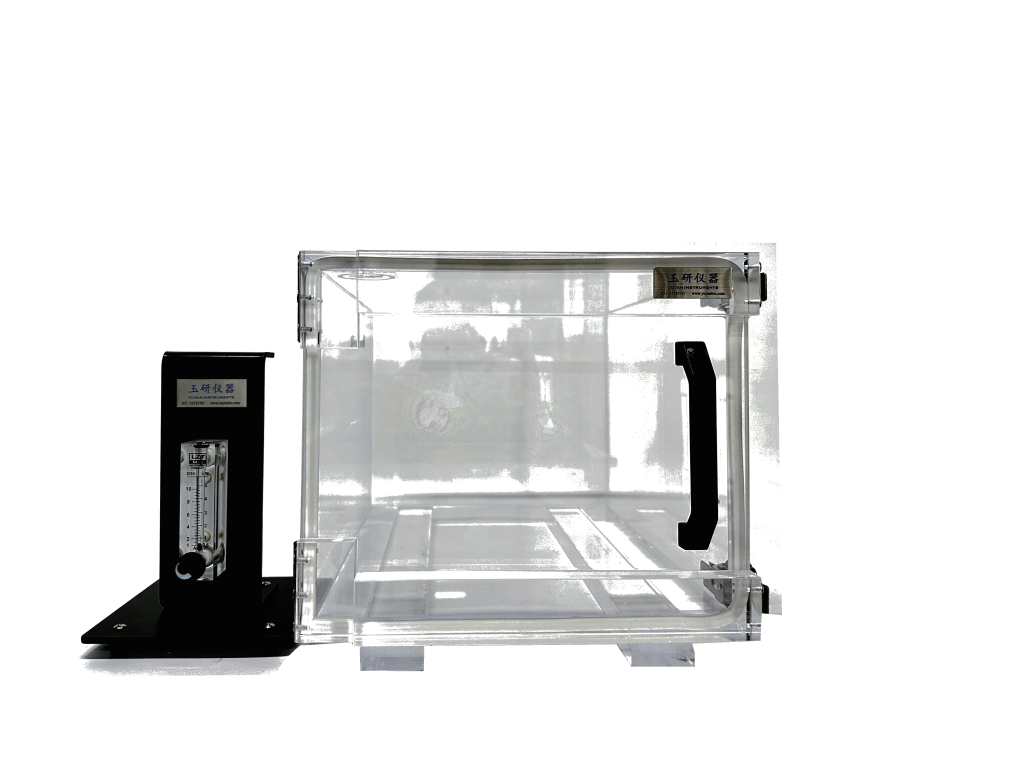
The Manual Small Animal Euthanasia System is a laboratory animal euthanasia device designed according to humanitarian principles. It primarily utilizes direct CO2 hypoxia to achieve a painless animal sacrifice. The system features manual control of CO2 ventilation time and flow rate to accommodate diverse experimental needs. It also incorporates a transparent CO2 exposure chamber, allowing researchers to observe the animal's condition in real time. Furthermore, the system offers customized services, allowing for the chamber's material, size, and shape to be tailored to experimental requirements. The system is also self-upgradable and can be paired with a CO2 automatic control unit to enhance experimental efficiency and convenience.
User List
Tsinghua University, Shenzhen University, Zhejiang University, Shanghai University of Science and Technology, Shanghai Titan Technology Co., Ltd., Fudan University, Westlake University, Huazhong University of Science and Technology, Beijing Institute of Life Sciences, Nanjing Yunqiao Pure Biotechnology Co., Ltd., Wuhan University, Jiaotong University, Central China Normal University, Central South University, Jiangsu Jicui Pharmaceutical Biotechnology Co., Ltd.References
LiJ, Zhang Z, Qiu J, HuangXu L, Wang S, Shen H, et al. Analgesic and toxic effects of venenum bufonis and its constituent compound cinobufagin: Acomparative study. Neurotoxicology and Teratology. 2019;73:49-53.
Tian J, Zhou D, Xiang L, etal. Calycosin represses AIM2 inflammasome-mediated inflammation and pyroptosis to attenu-ate monosodium urate-induced gouty arthritis through NF-kB and p62-Keapl pathways. Drug Development Research. 2022/11/012022;83(7):1654-1672.
LiY,Yu H,LvM,LiQ,Zou K,LvS.Combination therapy with budesonide and N-acetylcysteine ameliorates LPS-induced ALIby attenuating neutrophil recruitment through the miR-196b-5p/Socs3 molecular axis. BMC Pulmonary Medicine. 2022;22(1):388
Cui Q, Zhang D, Kong D, et al. Co-transplantation with adipose-derived cells to improve parathyroid transplantation inamice model. Stem Cell Research&Therapy. 2020;11(1):1-14.
HuQ, Gao M, ZhangD, et al. De novo assembly and transcriptome characterization: Novel insights into the mechanisms of primary ovarian cancer in Microtus fortis. Molecular Medicine Reports. 2022;25(2):1-9.
HuC-B, Jiang H, YangY, etal. DL-3-n-butylphthalide alleviates motor disturbance by suppressing ferroptosisin a ratmodel of Parkinson's disease. Neural Regeneration Research. 2023;18(1):194.
Guo G, Sun L, Yang L, Xu H. IDO1 depletion induces an anti-inflammatory response in macrophages in mice with chronic viral myocarditis. Cell Cycle. 2019;18(20):2598-2613.
Pan W,Xu X,Wang Y,Song
Zhao C, Jiang Q, Chen L, Chen W. LncRNA LINC01535 promotes colorectal cancer development and chemoresistance by sponging miR-761. Experimental and Therapeutic Medicine. 2021;22(1):1-10.
- Prev: Ugo Basile Climbing Tester | A New Vertical Motor Function Test: An Emerging Perspective on Pain Assessment in Rodents!
- Next: Yuyan Whole-Body Exposure System | Convenient, efficient, and reliable laboratory animal exposure and drug delivery system—providing strong support for toxicology and pharmacology research