




Yuyan Whole-Body Exposure System | Convenient, efficient, and reliable laboratory animal exposure and drug delivery system—providing strong support for toxicology and pharmacology research
Date:2024-05-29
Author:Yuyan Instrument
In the broad field of toxicology and pharmacodynamics research, aerosol drug delivery, with its unique delivery method, provides an unprecedented and precise perspective for evaluating potential drug toxicity to the respiratory system. Because drugs act directly on the respiratory tract and lungs, aerosol drug delivery can simulate drug exposure in real disease states, allowing for precise assessment of both long-term and short-term drug effects on the respiratory system.
More importantly, nebulized drug administration can be combined with other drug administration methods such as oral medication or injection, providing the possibility for a comprehensive and integrated evaluation of the treatment effect.
In animal modeling, aerosol drug delivery demonstrates its unique value. By precisely simulating the pathogenesis of human respiratory diseases and the course of drug action, researchers are able to replicate the pathophysiological changes of human respiratory diseases in animal models, thereby accurately assessing the therapeutic efficacy and safety of drugs in the diseased state. This modeling approach not only helps researchers gain a deeper understanding of the nature of the disease and the mechanism of action of the drug, but also provides a solid theoretical foundation and experimental support for the clinical application of drugs.
Yuyan Instruments' Whole-Body Exposure System is an advanced experimental device designed based on the principle of aerosol drug delivery. Employing a dynamic cyclic exposure design concept and paired with an aerosol generation system, it provides a simple, efficient, stable, and cost-effective solution for toxicology, pharmacodynamics, pharmacokinetic studies, animal modeling, and other experiments. Its experimental results have been widely recognized as an important indicator for the toxicity evaluation of various drugs, molecules, and particulate matter, providing strong technical support for drug development and optimization.
System composition
System functions and applications
Aerosol poisoning: The system can convert liquid drugs, solid powdered drugs, cigarette smoke and gaseous chemicals into liquid aerosols, dust aerosols, cigarette smoke or chemical gases, and then poison or administer drugs through the respiratory system of experimental animals while maintaining the original properties of the drugs.
Chronic or subchronic exposure studies: experimental animals are allowed to freely expose to an aerosol environment to simulate the development process of respiratory diseases. They are suitable for chronic or subchronic inhalation toxicology and inhalation pathology studies.
Drug testing and environmental toxicant research: Suitable for long-term induction of anesthesia in small animals, drug spray efficacy testing, and experiments simulating environmental toxicants, with dual uses in teaching and scientific research.
System features and components
High-throughput modeling & drug delivery: A single exposure chamber can model multiple animals simultaneously, improving experimental efficiency and consistency.
Free movement design: Animals can move freely during the experiment, which is in line with the natural development of the disease.
Aerosol inhalation administration: The first-pass elimination effect is low. For example, when using OVA for sensitization, the time required for modeling by nebulization is shorter than that by abdominal injection.
Integrated controller: with timer function, atomization parameter setting and 0-5LPM continuous air supply system.
Continuous air supply and environmental control: It can provide fresh air to the animals in the box for a long time while maintaining the temperature and stable carbon dioxide content in the box.
Multiple nebulizer options: We provide nebulizers with different atomization particle sizes, such as 0.4um, 2.2um, 2.5um, 3.1um, 3.5um, etc., to meet different experimental needs.
Wide range of drug types: Applicable to various drug types such as solution, dust, cigarette smoke, nicotine solution, etc.
System scalability: The system can be expanded to multiple channels, is cost-effective, and is suitable for large-scale experiments such as drug screening and safety evaluation.
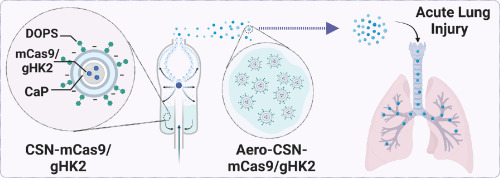
Acute lung injury (ALI) is a severe respiratory disease characterized by rapid onset of lung inflammation. Central to ALI pathogenesis is macrophage dysfunction, characterized by an excess of proinflammatory cytokines and a shift in metabolic activity toward glycolysis. This study highlights the crucial role of glucose metabolism in immune cell function under inflammatory conditions and identifies hexokinase 2 (HK2) as a key regulator of macrophage metabolism and inflammation. Given the limitations of HK2 inhibitors, researchers proposed a CRISPR/Cas9 system for precise HK2 downregulation. They developed an aerosolizable core-shell liposome nanoplatform (CSN) complexed with CaP for efficient drug loading and targeting to lung macrophages. They also synthesized multiple CSNs to encapsulate an mRNA-based CRISPR/Cas9 system (mCas9/gHK2) and tested their gene editing efficiency at the mRNA and protein levels in vitro and in vivo. Treatment with CSN-mCas9/gHK2 significantly reduced macrophage glycolysis and inflammation. In a mouse model of LPS-induced ALI, inhaled CSN-mCas9/gHK2 alleviated the proinflammatory tumor microenvironment and reprogrammed lung glucose metabolism, providing a direction for the prevention and treatment of ALI. This study highlights the potential of combining CRISPR/Cas9 gene editing with an inhaled drug delivery system for the development of effective localized lung disease treatments and emphasizes the importance of targeted gene regulation and metabolic reprogramming in controlling ALI.
Dosage
Inhalation treatments were performed using a whole-body exposure system (Model S-5003M, Yuyan Instruments, Shanghai). The aerosol nebulizer was connected to the exposure chamber via medical-grade tubing. In each experiment, six unanesthetized mice were exposed to the aerosol for 25 minutes at an airflow rate of 10 L/min. For in vivo biodistribution studies, DiR- or Rhod-b-labeled DOPS was encapsulated in cap-complexed CSNs (core-shell liposome nanoplatforms) prepared in 7 mL of PBS for nebulization. For experimental purposes, 200 μg of mCas9 and 100 μg of gRNA-containing CSNDOPS-mCas9/gHK2 were added to 7 mL of PBS and similarly nebulized.
The results show
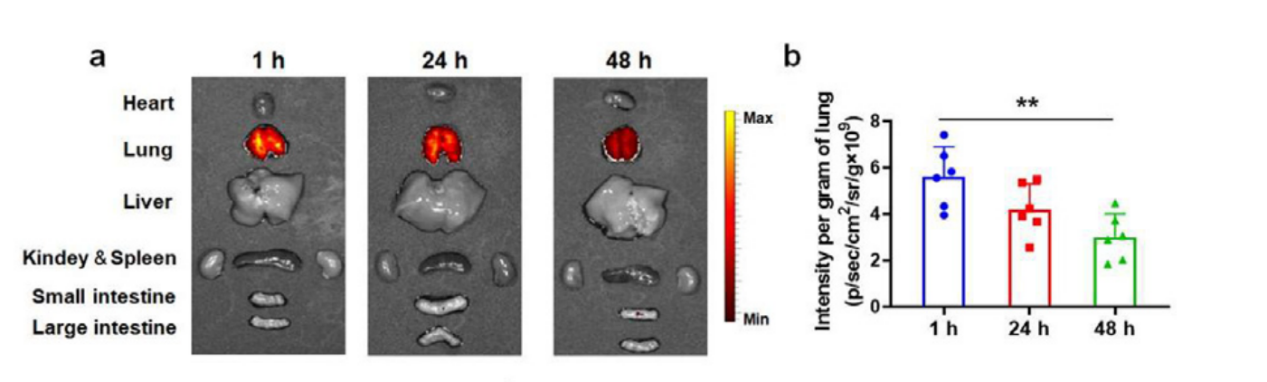
The enhanced lung permeability observed in ALI may potentially enhance the passive targeted delivery of nanomedicines via the intrapulmonary route. In this study, a dual lung inflammation model was established by intratracheal administration of LPS. Subsequently, ALI mice were exposed to CSN-DiR aerosols generated by an in-room nebulizer device. The median aerodynamic diameter of the generated aerosol particles was approximately 2.4 μm, with a geometric standard deviation of 1.25, which is within the ideal size range for deep lung deposition. The researchers found that inhaled CSN-DiR accumulated completely in the lungs, as shown by IVIS images 48 hours after exposure (Figures 1a and b). Flow cytometric analysis revealed that alveolar macrophages (AMs), rather than dendritic cells (DCs), were the primary cell type recruiting CSNs. Under the current protocol, inhalation of CSN-mCas9/gRNAs (200 μg mCas9) in 5 ml PBS for 25 minutes resulted in an estimated deposition of approximately 1 μg of mCas9 in the mouse lungs.
Inhalation of CSN-mCas9/gHK2 alleviates LPS-induced ALI
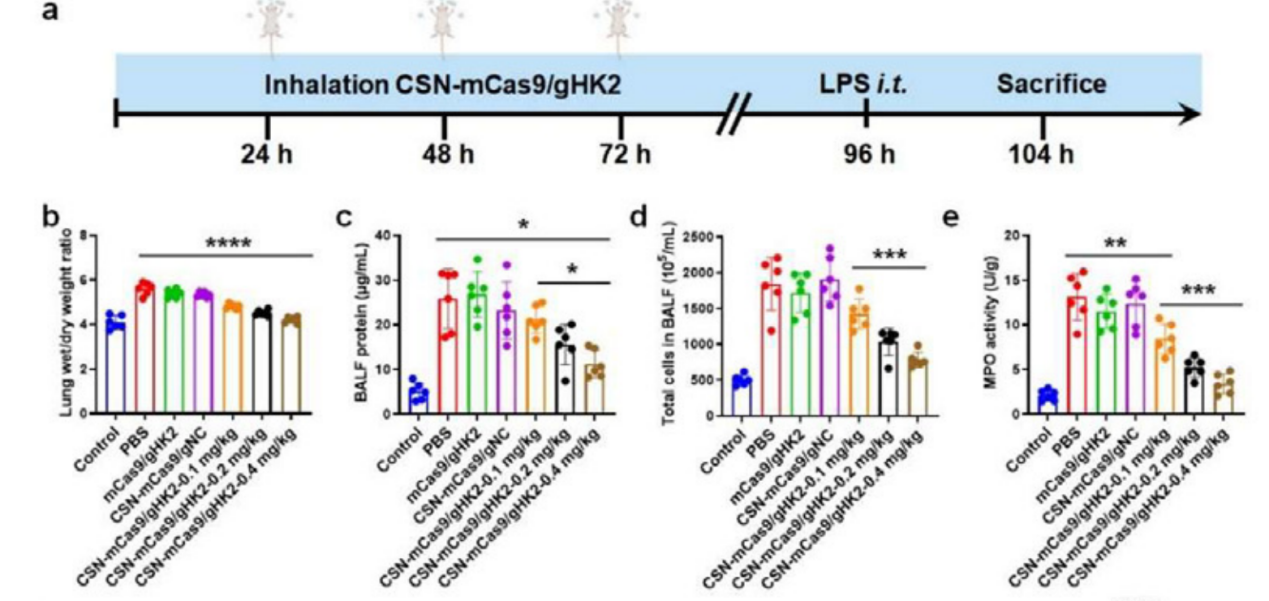
The researchers further investigated the anti-inflammatory effects of aerosolized inhalation of the CSNmCas9/gHK2 prodrug, an effective pulmonary therapy, in the LPS-induced ALI model (Figure 2a). Using a Shanghai Yuyan Scientific Instruments whole-body exposure system, the lung wet-to-dry ratio (W/D) of treated mice was further measured 8 hours after LPS induction. The W/D ratio of LPS-treated mice was significantly higher than that of PBS-treated mice. However, the W/D ratio of the CSN-mCas9/gHK2 inhalation group was significantly lower than that of the LPS group (Figure 2b). As shown in Figure 6c, the protein concentration in LPS+PBS-treated mice increased significantly, followed by a gradual decrease after administration of CSN-mCas9/gHK2.
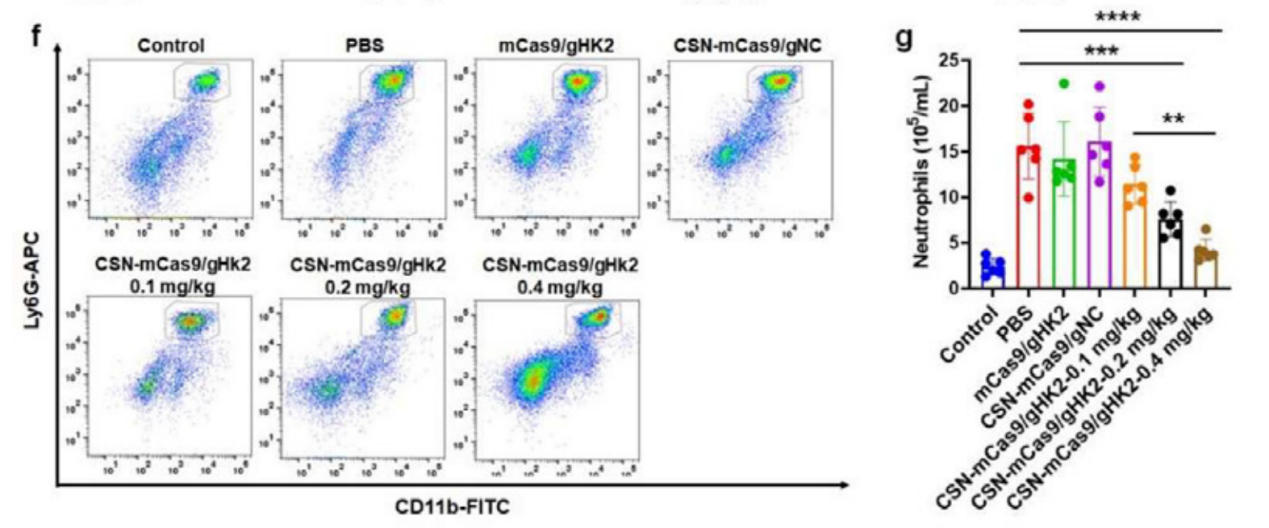
The pathogenesis of ALI involves vascular inflammation and a neutrophil-driven inflammatory response. Neutrophil influx into the lungs, triggered by activated macrophages, is crucial for the severity and progression of ALI. This study demonstrated a significant decrease in total neutrophil counts in BALF, highlighting the effective therapeutic effect of CSN-mCas9/gHK2 in alleviating ALI. Compared with the LPS group, the 0.4 mg/kg CSN-mCas9/gHK2 group had the most significant therapeutic effect.
Our study demonstrates that CSNmCas9/gHK2 is a promising ALI treatment approach that utilizes targeted gene editing to modulate immune cell metabolism and inflammation.
Shanghai Yuyan Instruments' whole-body exposure system played a key role in the evaluation of CSNmCas9/gHK2 for the treatment of acute lung injury (ALI). This system, through aerosolized drug delivery, delivers CSNmCas9/gHK2 to the lungs, enhancing its applicability for treating lung diseases and demonstrating its potential as a localized, effective, and safe therapeutic approach. This is of great significance in advancing research into the treatment of ALI and other inflammatory lung diseases.
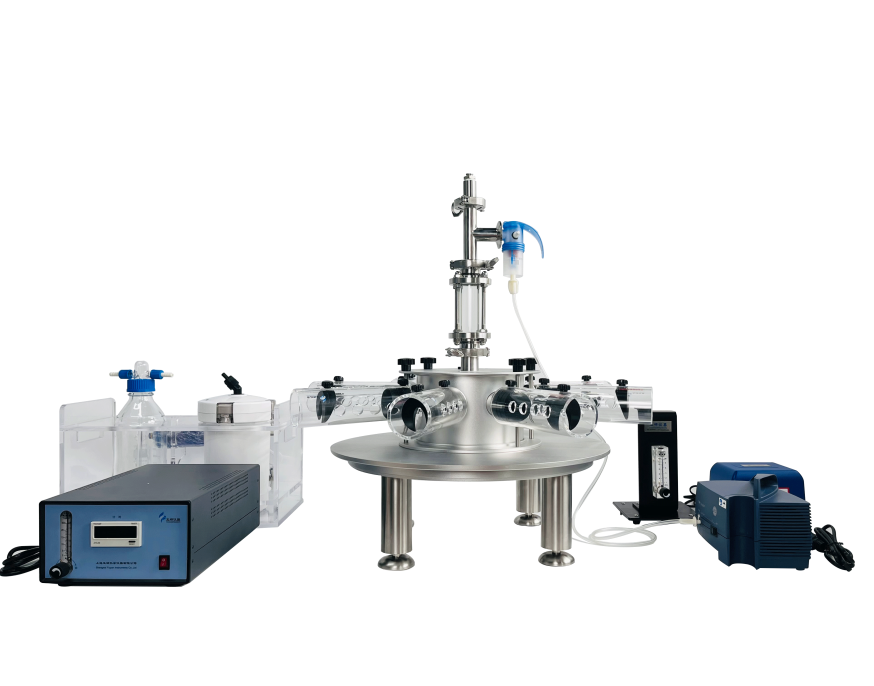
The oral and nasal exposure system of Shanghai Yuyan Instrument Co., Ltd. is mainly used for animal lung disease research. It consists of an aerosol generator, an oral and nasal exposure tower, an exhaust gas treatment device, etc.
The oral and nasal exposure system simulates the process of aerosol inhalation and conducts life science research. It is suitable for oral and nasal drug administration and inhalation exposure experiments on various experimental animals. The system offers excellent airtightness and uniform exposure concentration, making it suitable for oral and nasal inhalation exposure experiments using inhalable substances such as liquid aerosols, dust aerosols, nanoparticle aerosols, and flue gas. It ensures consistent inhalation exposure doses across animals in the same experimental group, enabling online aerosol concentration detection and real-time sample collection. It also reduces manual labor, improves work efficiency, and enhances the accuracy and reproducibility of experimental data.
1. Directly act on the target site to improve the accuracy of drug evaluation
The oronasal delivery system ensures that drugs act directly on the respiratory tract and lungs, making this route of administration particularly important in the study of respiratory diseases. Direct drug delivery to the target site not only improves drug bioavailability but also reduces drug distribution to other systemic systems, thereby reducing the risk of side effects in non-target areas. This allows researchers to more accurately assess the therapeutic efficacy and safety of drugs in respiratory diseases.
2. The system has strong applicability and meets different experimental needs
The system offers a variety of models and flexible configuration options to accommodate diverse experimental needs. From small animals like mice and rats to large animals like rabbits and dogs, suitable models can be found for oral and nasal exposure experiments. Furthermore, the system can be customized to meet experimental needs, such as by adding aerosol concentration detection devices and particle monitoring devices, to provide more comprehensive experimental data support.
3. Advanced atomization technology and aerosol generator
The oral and nasal exposure system utilizes advanced atomization technology and an aerosol generator to ensure that the drug enters the animal's body in the form of extremely fine aerosolized particles. These fine particles penetrate deeper into the respiratory tract and lung tissue, increasing local drug concentration and thus enhancing therapeutic efficacy. Furthermore, the system features recirculating ventilation to ensure a stable and comfortable experimental environment and reduce stress on the animals.
This system is primarily used in basic research on respiratory diseases and can test a wide range of substances, including pharmaceuticals, air pollutants, PM2.5, organic matter, industrial hygiene, and agricultural chemicals. It can conduct a variety of gas exposure experiments, including acute and chronic exposure. It is widely used in respiratory disease modeling, drug efficacy and safety evaluation, inhalation toxicology studies, environmental safety assessments, PM2.5 research, chemical and pesticide safety evaluations, radioactive material hazard assessments, military medicine, aerospace medicine, and other fields.
Pulmonary nebulizer drug delivery device
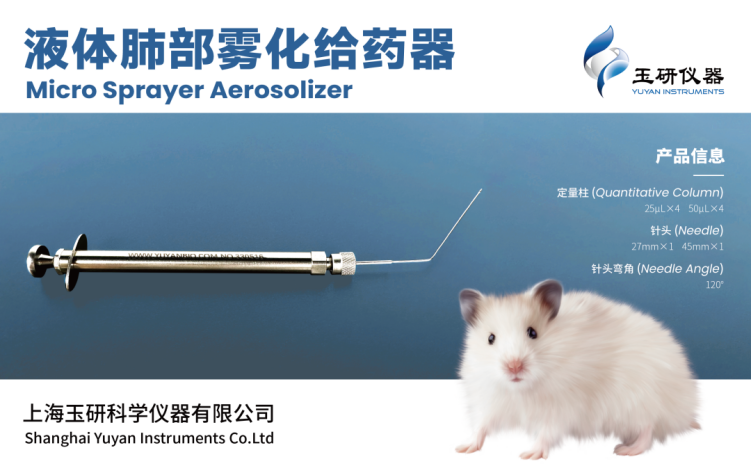
Yuyan Instruments' pulmonary atomization drug delivery device (Microsprayer Aerosolizer), also known as an intratracheal atomization drug delivery device, is a device specifically designed for small animals such as mice, rats, and guinea pigs, and can accurately perform intratracheal atomization drug delivery. A quantitative liquid can be atomized through an aerosol atomization micro-nozzle integrated in a stainless steel capillary cannula. The capillary cannula can penetrate deep into the animal to the bronchial bifurcation to achieve quantitative atomization into aerosol drug delivery in the trachea. Compared with traditional oral or injection administration, drugs can act directly on the lungs and are suitable for research on lung physiology, pathology, and pharmacology. According to the different states of administration, they can also be divided into liquid administration and dry powder administration.
Technical advantages:
Advanced liquid atomization technology: Through precise design and efficient operating mechanism, 90% of the drug atomization diameter is less than 30μm (liquid), quickly and evenly converting liquid drugs into tiny mist particles that can be evenly distributed in the lung tissues of mice and rats.
Improve drug utilization and experimental accuracy: Direct drug administration into the trachea, without first-pass elimination, minimizes systemic drug effects, and ensures that the drug directly and evenly covers the target cells, tissues, or samples, achieving the treatment of local or systemic diseases.
Precisely control the dosage: micro-precise dosage, with the minimum drug dosage of 25μL (liquid), to ensure the consistency and accuracy of each dosage in the experiment and ensure the repeatability of the experiment.
Various drug types: can be used for solution, small cell suspension, homogeneous suspension, low viscosity emulsion, dry powder, etc.
Design and Materials: Made of high-quality materials to ensure the safety and stability of the drug delivery process.
Easy to operate: easy to clean and maintain, reducing the workload of experimenters.
Application areas:
Evaluating drug efficacy: Applicable to evaluating the efficacy and safety of drugs for lung diseases (such as asthma and chronic obstructive pulmonary disease).
Simulate lung disease: By directly atomizing drugs into the lungs, the occurrence and development of human lung diseases are simulated.
Animal model preparation and respiratory function testing: widely used in related experiments, providing reference for disease prevention and treatment.
Feng, Nan et al. "P. gingivalis alters lung microbiota and aggravates disease severity of COPD rats by up-regulating Hsp90α/MLKL." Journal of oral microbiology vol. 16,1 2334588. 27 Mar. 2024, doi:10.1080/20002297.2024.2334588
Liu Y, Huang X, Yi X, He Y, Mylonakis E, Xi L. Detection of Talaromyces marneffei from Fresh Tissue of an Inhalational Murine Pulmonary Model Using Nested PCR. PLoS One. 2016;11(2):e0149634. Published 2016 Feb 17. doi:10.1371/journal.pone.0149634
Li H, Li
W Li, J Liu, F Mao, et al. An IgM-like Inhalable ACE2 fusion protein broadly neutralizes SARS-CoV-2.
Lu C, Wang F, Liu Q, Deng M, Yang X, Ma P. Effect of NO2 exposure on airway inflammation and oxidative stress in asthmatic mice [published online ahead of print, 2023 Jun 7]. J Hazard Mater. 2023;457:131787. doi:10.1016/j.jhazmat.2023.131787
Zhao Z, Zhang Y, Liu L, et al. Metabolomics study of the effect of smoking and high-fat diet on metabolic responses and related mechanism following myocardial infarction in mice. Life Sci. 2020;263:118570. doi:10.1016/j.lfs.2020.118570
Ye S, Li S, Ma Y, et al. Ambient NO2 exposure induces migraine in rats: Evidence, mechanisms and interventions. Sci Total Environ. 2022;844:157102. doi:10.1016/j.scitotenv.2022.157102
Xu MX, Dai XL, Kuang Q, et al. Dysfunctional Rhbdf2 of proopiomelanocortin mitigates ambient particulate matter exposure-induced neurological injury and neuron loss by antagonizing oxidative stress and inflammatory reaction. J Hazard Mater. 2020;400:123158. doi:10.1016/j.jhazmat.2020.123158
Chen Y, Zhang Y, Rao C, Huang J, Qing Q. Deletion of sphingosine kinase 2 attenuates cigarette smoke-mediated chronic obstructive pulmonary disease-like symptoms by reducing lung inflammation. Biomol Biomed. 2023;23(2):259-270. Published 2023 Mar 16. doi:10.17305/bjbms.2022.8034
More importantly, nebulized drug administration can be combined with other drug administration methods such as oral medication or injection, providing the possibility for a comprehensive and integrated evaluation of the treatment effect.
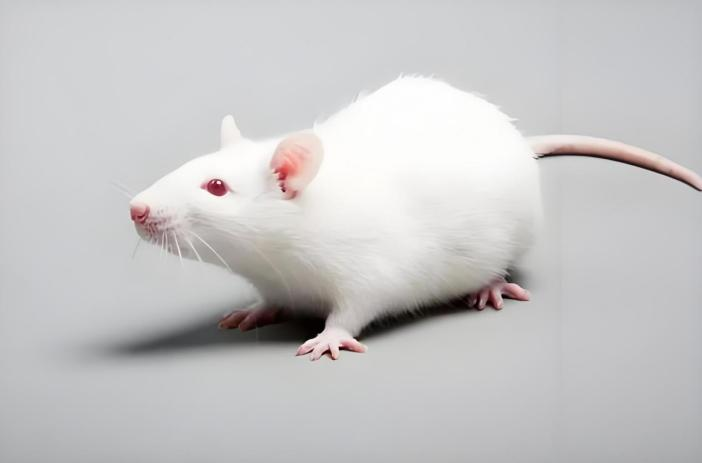
In animal modeling, aerosol drug delivery demonstrates its unique value. By precisely simulating the pathogenesis of human respiratory diseases and the course of drug action, researchers are able to replicate the pathophysiological changes of human respiratory diseases in animal models, thereby accurately assessing the therapeutic efficacy and safety of drugs in the diseased state. This modeling approach not only helps researchers gain a deeper understanding of the nature of the disease and the mechanism of action of the drug, but also provides a solid theoretical foundation and experimental support for the clinical application of drugs.
Yuyan Instruments' Whole-Body Exposure System is an advanced experimental device designed based on the principle of aerosol drug delivery. Employing a dynamic cyclic exposure design concept and paired with an aerosol generation system, it provides a simple, efficient, stable, and cost-effective solution for toxicology, pharmacodynamics, pharmacokinetic studies, animal modeling, and other experiments. Its experimental results have been widely recognized as an important indicator for the toxicity evaluation of various drugs, molecules, and particulate matter, providing strong technical support for drug development and optimization.
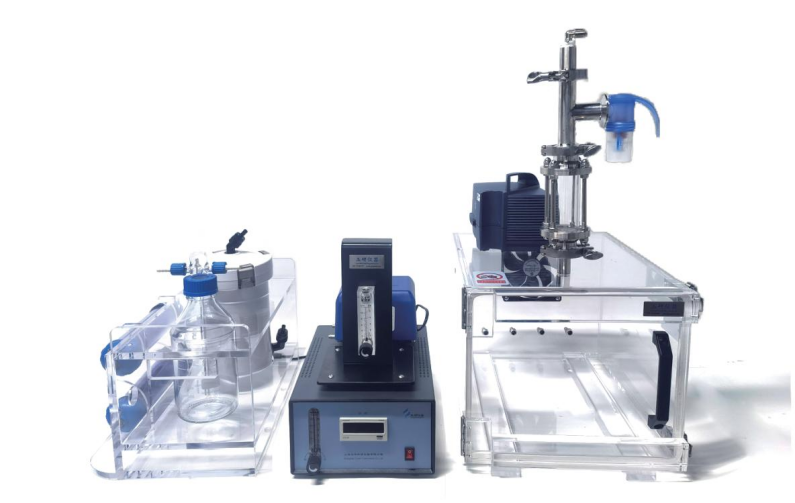
Animal whole body exposure to poison
Drug administration and poisoning process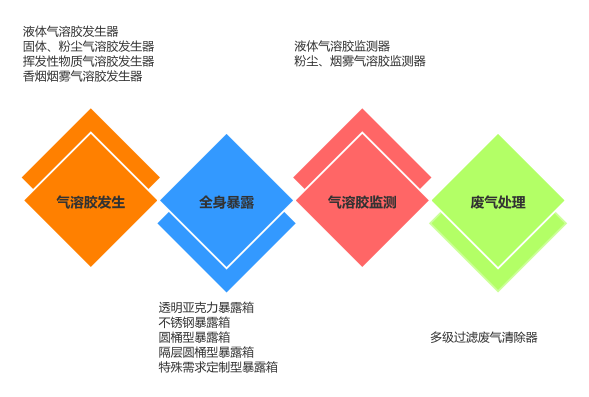
System composition
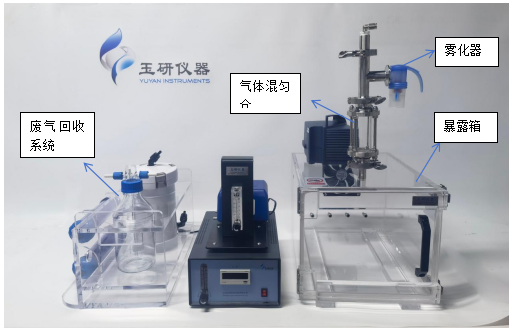
System functions and applications
Aerosol poisoning: The system can convert liquid drugs, solid powdered drugs, cigarette smoke and gaseous chemicals into liquid aerosols, dust aerosols, cigarette smoke or chemical gases, and then poison or administer drugs through the respiratory system of experimental animals while maintaining the original properties of the drugs.
Chronic or subchronic exposure studies: experimental animals are allowed to freely expose to an aerosol environment to simulate the development process of respiratory diseases. They are suitable for chronic or subchronic inhalation toxicology and inhalation pathology studies.
Drug testing and environmental toxicant research: Suitable for long-term induction of anesthesia in small animals, drug spray efficacy testing, and experiments simulating environmental toxicants, with dual uses in teaching and scientific research.
System features and components
High-throughput modeling & drug delivery: A single exposure chamber can model multiple animals simultaneously, improving experimental efficiency and consistency.
Free movement design: Animals can move freely during the experiment, which is in line with the natural development of the disease.
Aerosol inhalation administration: The first-pass elimination effect is low. For example, when using OVA for sensitization, the time required for modeling by nebulization is shorter than that by abdominal injection.
Integrated controller: with timer function, atomization parameter setting and 0-5LPM continuous air supply system.
Continuous air supply and environmental control: It can provide fresh air to the animals in the box for a long time while maintaining the temperature and stable carbon dioxide content in the box.
Multiple nebulizer options: We provide nebulizers with different atomization particle sizes, such as 0.4um, 2.2um, 2.5um, 3.1um, 3.5um, etc., to meet different experimental needs.
Wide range of drug types: Applicable to various drug types such as solution, dust, cigarette smoke, nicotine solution, etc.
System scalability: The system can be expanded to multiple channels, is cost-effective, and is suitable for large-scale experiments such as drug screening and safety evaluation.
Application Scenario - School of Biomedical Engineering, South China University of Technology
Recently, the research group of Professor Mao Chengqiong from the School of Biomedical Engineering at South China University of Technology published a research paper titled "Immunometabolic reprogramming of macrophages with inhalable CRISPR/Cas9 nanotherapeutics for acute lung injury intervention" in the internationally renowned biomaterials journal Acta Biomaterialia. The paper studied an inhalable CRISPR/Cas9 gene editing system targeting lung macrophages, aiming to regulate glucose metabolism to alleviate acute lung injury (ALI). The study highlights the role of immune cell metabolism in inflammation, as evidenced by changes in macrophage glucose metabolism and a significant reduction in pulmonary edema and inflammation. In addition, changes in macrophage polarization and cytokine levels observed in bronchoalveolar lavage fluid suggest potential therapeutic significance. These findings not only provide insights into the treatment of ALI, but also help understand immune cell metabolism in inflammatory diseases.Acute lung injury (ALI) is a severe respiratory disease characterized by rapid onset of lung inflammation. Central to ALI pathogenesis is macrophage dysfunction, characterized by an excess of proinflammatory cytokines and a shift in metabolic activity toward glycolysis. This study highlights the crucial role of glucose metabolism in immune cell function under inflammatory conditions and identifies hexokinase 2 (HK2) as a key regulator of macrophage metabolism and inflammation. Given the limitations of HK2 inhibitors, researchers proposed a CRISPR/Cas9 system for precise HK2 downregulation. They developed an aerosolizable core-shell liposome nanoplatform (CSN) complexed with CaP for efficient drug loading and targeting to lung macrophages. They also synthesized multiple CSNs to encapsulate an mRNA-based CRISPR/Cas9 system (mCas9/gHK2) and tested their gene editing efficiency at the mRNA and protein levels in vitro and in vivo. Treatment with CSN-mCas9/gHK2 significantly reduced macrophage glycolysis and inflammation. In a mouse model of LPS-induced ALI, inhaled CSN-mCas9/gHK2 alleviated the proinflammatory tumor microenvironment and reprogrammed lung glucose metabolism, providing a direction for the prevention and treatment of ALI. This study highlights the potential of combining CRISPR/Cas9 gene editing with an inhaled drug delivery system for the development of effective localized lung disease treatments and emphasizes the importance of targeted gene regulation and metabolic reprogramming in controlling ALI.
Dosage
Inhalation treatments were performed using a whole-body exposure system (Model S-5003M, Yuyan Instruments, Shanghai). The aerosol nebulizer was connected to the exposure chamber via medical-grade tubing. In each experiment, six unanesthetized mice were exposed to the aerosol for 25 minutes at an airflow rate of 10 L/min. For in vivo biodistribution studies, DiR- or Rhod-b-labeled DOPS was encapsulated in cap-complexed CSNs (core-shell liposome nanoplatforms) prepared in 7 mL of PBS for nebulization. For experimental purposes, 200 μg of mCas9 and 100 μg of gRNA-containing CSNDOPS-mCas9/gHK2 were added to 7 mL of PBS and similarly nebulized.
The results show
The enhanced lung permeability observed in ALI may potentially enhance the passive targeted delivery of nanomedicines via the intrapulmonary route. In this study, a dual lung inflammation model was established by intratracheal administration of LPS. Subsequently, ALI mice were exposed to CSN-DiR aerosols generated by an in-room nebulizer device. The median aerodynamic diameter of the generated aerosol particles was approximately 2.4 μm, with a geometric standard deviation of 1.25, which is within the ideal size range for deep lung deposition. The researchers found that inhaled CSN-DiR accumulated completely in the lungs, as shown by IVIS images 48 hours after exposure (Figures 1a and b). Flow cytometric analysis revealed that alveolar macrophages (AMs), rather than dendritic cells (DCs), were the primary cell type recruiting CSNs. Under the current protocol, inhalation of CSN-mCas9/gRNAs (200 μg mCas9) in 5 ml PBS for 25 minutes resulted in an estimated deposition of approximately 1 μg of mCas9 in the mouse lungs.
Inhalation of CSN-mCas9/gHK2 alleviates LPS-induced ALI
The researchers further investigated the anti-inflammatory effects of aerosolized inhalation of the CSNmCas9/gHK2 prodrug, an effective pulmonary therapy, in the LPS-induced ALI model (Figure 2a). Using a Shanghai Yuyan Scientific Instruments whole-body exposure system, the lung wet-to-dry ratio (W/D) of treated mice was further measured 8 hours after LPS induction. The W/D ratio of LPS-treated mice was significantly higher than that of PBS-treated mice. However, the W/D ratio of the CSN-mCas9/gHK2 inhalation group was significantly lower than that of the LPS group (Figure 2b). As shown in Figure 6c, the protein concentration in LPS+PBS-treated mice increased significantly, followed by a gradual decrease after administration of CSN-mCas9/gHK2.
The pathogenesis of ALI involves vascular inflammation and a neutrophil-driven inflammatory response. Neutrophil influx into the lungs, triggered by activated macrophages, is crucial for the severity and progression of ALI. This study demonstrated a significant decrease in total neutrophil counts in BALF, highlighting the effective therapeutic effect of CSN-mCas9/gHK2 in alleviating ALI. Compared with the LPS group, the 0.4 mg/kg CSN-mCas9/gHK2 group had the most significant therapeutic effect.
Our study demonstrates that CSNmCas9/gHK2 is a promising ALI treatment approach that utilizes targeted gene editing to modulate immune cell metabolism and inflammation.
Shanghai Yuyan Instruments' whole-body exposure system played a key role in the evaluation of CSNmCas9/gHK2 for the treatment of acute lung injury (ALI). This system, through aerosolized drug delivery, delivers CSNmCas9/gHK2 to the lungs, enhancing its applicability for treating lung diseases and demonstrating its potential as a localized, effective, and safe therapeutic approach. This is of great significance in advancing research into the treatment of ALI and other inflammatory lung diseases.
Related product recommendations
Animal mouth and nose exposure systemThe oral and nasal exposure system of Shanghai Yuyan Instrument Co., Ltd. is mainly used for animal lung disease research. It consists of an aerosol generator, an oral and nasal exposure tower, an exhaust gas treatment device, etc.
The oral and nasal exposure system simulates the process of aerosol inhalation and conducts life science research. It is suitable for oral and nasal drug administration and inhalation exposure experiments on various experimental animals. The system offers excellent airtightness and uniform exposure concentration, making it suitable for oral and nasal inhalation exposure experiments using inhalable substances such as liquid aerosols, dust aerosols, nanoparticle aerosols, and flue gas. It ensures consistent inhalation exposure doses across animals in the same experimental group, enabling online aerosol concentration detection and real-time sample collection. It also reduces manual labor, improves work efficiency, and enhances the accuracy and reproducibility of experimental data.
1. Directly act on the target site to improve the accuracy of drug evaluation
The oronasal delivery system ensures that drugs act directly on the respiratory tract and lungs, making this route of administration particularly important in the study of respiratory diseases. Direct drug delivery to the target site not only improves drug bioavailability but also reduces drug distribution to other systemic systems, thereby reducing the risk of side effects in non-target areas. This allows researchers to more accurately assess the therapeutic efficacy and safety of drugs in respiratory diseases.
2. The system has strong applicability and meets different experimental needs
The system offers a variety of models and flexible configuration options to accommodate diverse experimental needs. From small animals like mice and rats to large animals like rabbits and dogs, suitable models can be found for oral and nasal exposure experiments. Furthermore, the system can be customized to meet experimental needs, such as by adding aerosol concentration detection devices and particle monitoring devices, to provide more comprehensive experimental data support.
3. Advanced atomization technology and aerosol generator
The oral and nasal exposure system utilizes advanced atomization technology and an aerosol generator to ensure that the drug enters the animal's body in the form of extremely fine aerosolized particles. These fine particles penetrate deeper into the respiratory tract and lung tissue, increasing local drug concentration and thus enhancing therapeutic efficacy. Furthermore, the system features recirculating ventilation to ensure a stable and comfortable experimental environment and reduce stress on the animals.
This system is primarily used in basic research on respiratory diseases and can test a wide range of substances, including pharmaceuticals, air pollutants, PM2.5, organic matter, industrial hygiene, and agricultural chemicals. It can conduct a variety of gas exposure experiments, including acute and chronic exposure. It is widely used in respiratory disease modeling, drug efficacy and safety evaluation, inhalation toxicology studies, environmental safety assessments, PM2.5 research, chemical and pesticide safety evaluations, radioactive material hazard assessments, military medicine, aerospace medicine, and other fields.
Pulmonary nebulizer drug delivery device
Yuyan Instruments' pulmonary atomization drug delivery device (Microsprayer Aerosolizer), also known as an intratracheal atomization drug delivery device, is a device specifically designed for small animals such as mice, rats, and guinea pigs, and can accurately perform intratracheal atomization drug delivery. A quantitative liquid can be atomized through an aerosol atomization micro-nozzle integrated in a stainless steel capillary cannula. The capillary cannula can penetrate deep into the animal to the bronchial bifurcation to achieve quantitative atomization into aerosol drug delivery in the trachea. Compared with traditional oral or injection administration, drugs can act directly on the lungs and are suitable for research on lung physiology, pathology, and pharmacology. According to the different states of administration, they can also be divided into liquid administration and dry powder administration.
Technical advantages:
Advanced liquid atomization technology: Through precise design and efficient operating mechanism, 90% of the drug atomization diameter is less than 30μm (liquid), quickly and evenly converting liquid drugs into tiny mist particles that can be evenly distributed in the lung tissues of mice and rats.
Improve drug utilization and experimental accuracy: Direct drug administration into the trachea, without first-pass elimination, minimizes systemic drug effects, and ensures that the drug directly and evenly covers the target cells, tissues, or samples, achieving the treatment of local or systemic diseases.
Precisely control the dosage: micro-precise dosage, with the minimum drug dosage of 25μL (liquid), to ensure the consistency and accuracy of each dosage in the experiment and ensure the repeatability of the experiment.
Various drug types: can be used for solution, small cell suspension, homogeneous suspension, low viscosity emulsion, dry powder, etc.
Design and Materials: Made of high-quality materials to ensure the safety and stability of the drug delivery process.
Easy to operate: easy to clean and maintain, reducing the workload of experimenters.
Application areas:
Evaluating drug efficacy: Applicable to evaluating the efficacy and safety of drugs for lung diseases (such as asthma and chronic obstructive pulmonary disease).
Simulate lung disease: By directly atomizing drugs into the lungs, the occurrence and development of human lung diseases are simulated.
Animal model preparation and respiratory function testing: widely used in related experiments, providing reference for disease prevention and treatment.
User List
Peking University Health Science Center, Beijing University of Chinese Medicine, Wuhan University, Sun Yat-sen University, Shandong University, China Pharmaceutical University, Chengdu University of Traditional Chinese Medicine, Nanjing University of Chinese Medicine, Guangzhou Medical University, Fujian Medical University, Shenyang Pharmaceutical University, Hohai University, Jiangnan University, Heilongjiang Medical University, Yunnan Nationalities University, Xi'an Jiaotong-Liverpool University, Jianghan University, Beijing Institutes of Life Sciences, Changping National Laboratory, Shanghai Clinical Laboratory Center, Shanghai Institute of Traumatology and Orthopedics, West China Hospital, Sichuan University, The First Affiliated Hospital of Zhejiang University School of Medicine, Central South University, Xiangya Hospital, Daping Hospital, Jiangsu Innovent Biologics Co., Ltd., Shanghai WuXi Biologics Co., Ltd., Hangzhou Xianweida Biotechnology Co., Ltd., Huahui Anjian (Beijing) Biotechnology Co., Ltd., Jilin Zhongshi Inspection and Testing Co., Ltd., Qingdao Haihua Biopharmaceutical Technology Co., Ltd., Tianjin Gudui Biopharmaceutical Technology Co., Ltd., Guangzhou Junwei Scientific Instrument Co., Ltd., Shanghai Saizen Medical Technology Co., Ltd., Zhongke Testing Technology Service (Guangzhou) Co., Ltd.Reference List
Huang, Wanling et al. "Immunometabolic reprogramming of macrophages with inhalable CRISPR/Cas9 nanotherapeutics for acute lung injury intervention." Acta biomaterialia, S1742-7061(24)00168-5. 1 Apr. 2024, doi:10.1016/j.actbio.2024.03.031Feng, Nan et al. "P. gingivalis alters lung microbiota and aggravates disease severity of COPD rats by up-regulating Hsp90α/MLKL." Journal of oral microbiology vol. 16,1 2334588. 27 Mar. 2024, doi:10.1080/20002297.2024.2334588
Liu Y, Huang X, Yi X, He Y, Mylonakis E, Xi L. Detection of Talaromyces marneffei from Fresh Tissue of an Inhalational Murine Pulmonary Model Using Nested PCR. PLoS One. 2016;11(2):e0149634. Published 2016 Feb 17. doi:10.1371/journal.pone.0149634
Li H, Li
W Li, J Liu, F Mao, et al. An IgM-like Inhalable ACE2 fusion protein broadly neutralizes SARS-CoV-2.
Lu C, Wang F, Liu Q, Deng M, Yang X, Ma P. Effect of NO2 exposure on airway inflammation and oxidative stress in asthmatic mice [published online ahead of print, 2023 Jun 7]. J Hazard Mater. 2023;457:131787. doi:10.1016/j.jhazmat.2023.131787
Zhao Z, Zhang Y, Liu L, et al. Metabolomics study of the effect of smoking and high-fat diet on metabolic responses and related mechanism following myocardial infarction in mice. Life Sci. 2020;263:118570. doi:10.1016/j.lfs.2020.118570
Ye S, Li S, Ma Y, et al. Ambient NO2 exposure induces migraine in rats: Evidence, mechanisms and interventions. Sci Total Environ. 2022;844:157102. doi:10.1016/j.scitotenv.2022.157102
Xu MX, Dai XL, Kuang Q, et al. Dysfunctional Rhbdf2 of proopiomelanocortin mitigates ambient particulate matter exposure-induced neurological injury and neuron loss by antagonizing oxidative stress and inflammatory reaction. J Hazard Mater. 2020;400:123158. doi:10.1016/j.jhazmat.2020.123158
Chen Y, Zhang Y, Rao C, Huang J, Qing Q. Deletion of sphingosine kinase 2 attenuates cigarette smoke-mediated chronic obstructive pulmonary disease-like symptoms by reducing lung inflammation. Biomol Biomed. 2023;23(2):259-270. Published 2023 Mar 16. doi:10.17305/bjbms.2022.8034
- Prev: Yuyan's self-developed euthanasia system | Promoting the humane and technological euthanasia of experimental animals
- Next: Ugo Basile Orofacial Pain Tester | A novel self-reward and punishment experiment effectively assesses orofacial pain behavior in mice and rats—providing a comprehensive solution for preclinical orofacial pain assessment.!