




Yuyan Cigarette Exposure System | Automatic, flexible, and safe establishment of cigarette exposure mouse models – facilitating pathological research on COPD
Date:2024-04-30
Author:Yuyan Instrument
Chronic obstructive pulmonary disease (COPD) is a common chronic disease characterized by chronic bronchitis and/or emphysema with airflow obstruction, which can progress to cor pulmonale and respiratory failure. COPD causes high rates of disability and mortality, with a global prevalence of 9% to 10% among people over 40 years old, posing a serious threat to public health.
COPD is characterized by persistent, progressive airflow limitation, associated with an enhanced chronic inflammatory response in the airways and lungs to toxic particles or gases. The precise etiology of airflow limitation and airway obstruction, the disease's most crucial pathophysiological changes, remains unclear, but is generally believed to result from a combination of individual predisposing factors and environmental factors. Many patients also suffer from other symptomatic chronic illnesses, which undoubtedly contribute to the morbidity and mortality of COPD.
When discussing the causes of COPD, we must mention smoking as the most common and primary risk factor. Long-term smoking not only directly damages the respiratory tract but also increases the risk of inhaling other harmful substances, such as occupational dust and chemical gases, exacerbating the development of COPD. Toxic substances in cigarette smoke induce an inflammatory response in the airway epithelium, disrupting the epithelial barrier, promoting the accumulation of immune cells, and leading to excessive mucus secretion and remodeling of the small airway walls.
Recently, Professor Zhang Jing's team from the Department of Pulmonary Critical Care Medicine at Zhongshan Hospital, Shanghai Medical College, Fudan University, published an article titled "ROS induced the Rab26 promoter hypermethylation to promote cigarette smoking-induced airway epithelial inflammation of COPD through activation of MAPK signaling" in the internationally recognized journal Free Radical Biology and Medicine. They found that cigarette exposure can lead to epigenetic changes in lung tissue, which are closely related to the chronic inflammation of COPD. Among them, DNA methylation, as the main way to control epigenetic transcription, is particularly critical under the influence of smoking. Smoking affects the pathogenesis of COPD by regulating the expression of DNA methyltransferases.
Furthermore, the study revealed deeper mechanisms underlying airway inflammation in response to cigarette smoke exposure. Reactive oxygen species (ROS) produced by cigarette smoke play a crucial role in this process. ROS not only regulate the expression of DNMTs but also affect the function of p53 and Bcl2, ultimately leading to apoptosis of airway epithelial cells. Although the specific mechanisms by which ROS regulate gene methylation/demethylation remain incompletely understood, this finding undoubtedly provides new insights into the pathogenesis of COPD.
It's worth noting that Rab proteins, as crucial regulators of cellular function, also play a significant role in lung inflammation. Rab26, in particular, has been found to inhibit inflammatory signaling and attenuate the inflammatory response of lung endothelial cells. However, the mechanism of action of Rab26 and its relationship to airway inflammation following cigarette smoke exposure remain to be further elucidated.
This study not only deepens our understanding of the pathogenesis of COPD but also provides new insights into future treatments. By further studying the role of molecules like ROS and Rab26 in airway inflammation, we hope to develop more effective prevention and treatment strategies, bringing benefits to COPD patients.
The article mentioned that under cigarette exposure conditions, ROS inhibited the expression of Rab26 by promoting DNMT3b-mediated DNA methylation of the Rab26 promoter. Downregulating the expression of Rab26 can enhance the activation of p38 and JNK MAPK signals, leading to excessive production of inflammatory cytokines. Restoring Rab26 with NAC (N-acetylcysteine) can also alleviate the airway epithelial inflammatory response induced by cigarette exposure.
The researchers first established a mouse model of cigarette exposure. Using a whole-body cigarette smoke exposure system, mice (n = 5) were exposed to 20 cigarettes twice daily, six days a week, for two hours, for three months. A control group (n = 5) was maintained in the same environment, including the same amount of food, but without cigarette exposure. The whole-body cigarette smoke exposure system, provided by Shanghai Yuyan Instruments, was equipped with a fully automated cigarette smoke generator, an exposure chamber, and a laminar flow biosafety cabinet. To protect the operator from secondhand smoke, the exposure chamber was set up within the laminar flow biosafety cabinet. Cigarette smoke was generated by the automated cigarette smoke generator and pumped into the exposure chamber. Lung and bronchoalveolar lavage fluid (BALF) samples were then collected from the mice for H&E staining, immunohistochemistry (IHC), and assays for inflammatory mediators. Body weight, white blood cell count, hematocrit (Hct), and hemoglobin (HbCO) levels were also measured.
Cigarette exposure induces airway epithelial inflammatory response
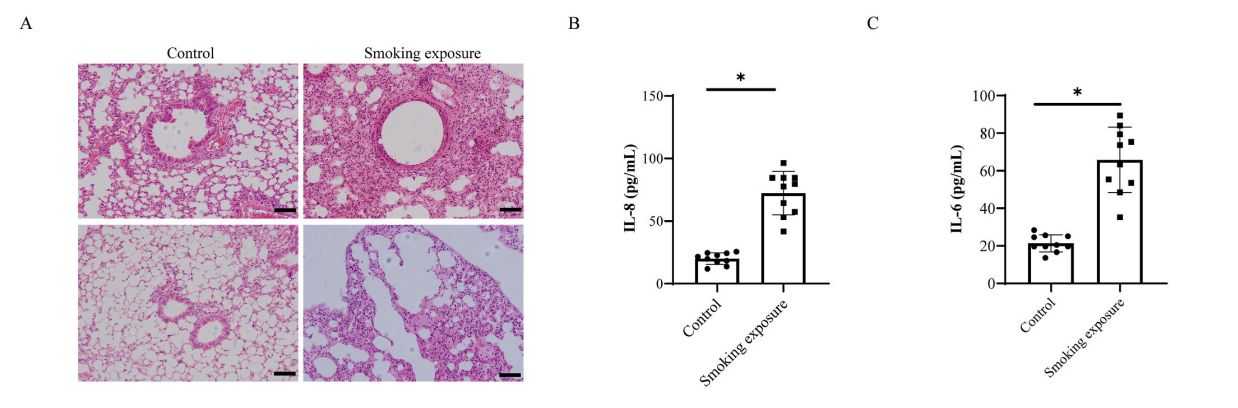
Airway inflammation induced by cigarette smoke exposure is a major feature of COPD. Here, researchers evaluated the inflammatory response of the airway epithelium in cigarette smoke exposure in vivo and in vitro. H&E staining revealed that the airway epithelium of cigarette smoke-exposed mice was disrupted, with a large number of neutrophils present around the bronchi. In addition, the alveolar spaces were enlarged and destroyed. The pathological changes are consistent with smoking-related COPD and emphysema. The level of systemic inflammation in mice exposed to systemic cigarette smoke was also assessed. Compared with the control group, the levels of BALF IL-8 and IL-6 in the systemically exposed mice were significantly increased (Figure).
Cigarette exposure inhibits Rab26 expression in airway epithelium
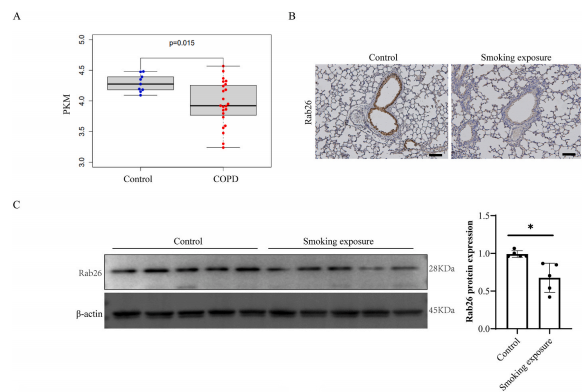
The data showed that in samples from COPD patients, PKM levels of Rab26 in lung tissue were significantly lower than those in non-COPD patients. IHC data showed that Rab26 expression in lung airway epithelial cells was lower in cigarette smoke-exposed mice than in control mice. In addition, Rab26 expression was reduced in lung tissue of cigarette smoke-exposed mice compared to controls.
DNMT3b regulates Rab26 expression
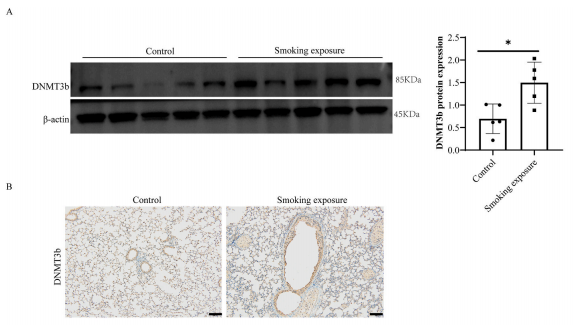
DNA methyltransferase (DNMT) family members play a key role in mediating gene DNA methylation. Therefore, the researchers explored the role of DNTM3B in cigarette exposure-induced DNA methylation of the Rab26 promoter. The researchers found that DNMT3B expression was increased in the lung tissue of cigarette-exposed mice. Immunohistochemical analysis also showed that DNMT3B levels were increased in the airway epithelium of the cigarette-exposed group compared with the control group.
ROS inhibits Rab26 expression by regulating DNMT3b
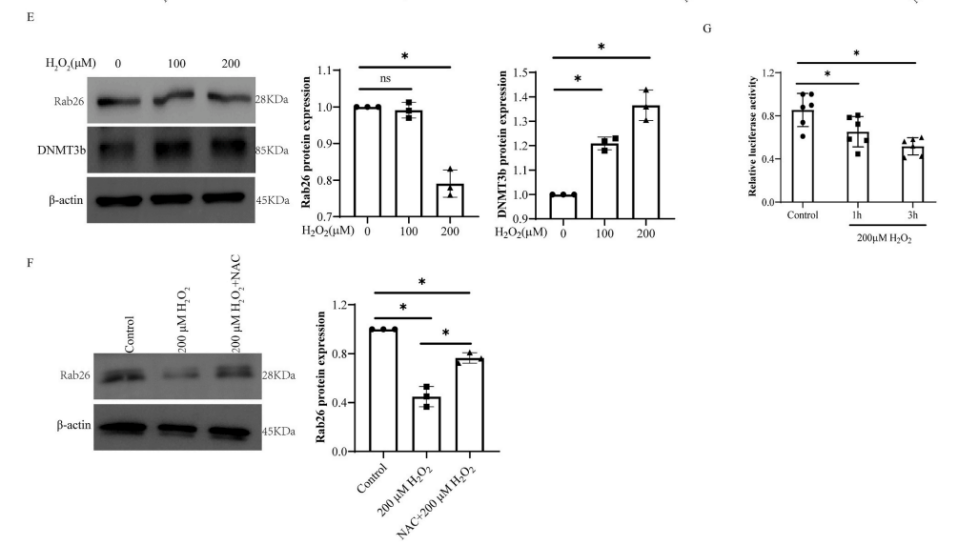
To confirm the effects of ROS on Rab26 expression and its potential mechanism through promoter methylation, the researchers treated cells with varying doses of H2O2 (a ROS) for 2 hours. The data showed that H2O2 increased DNMT3B protein production and inhibited Rab26 expression. Consistent with the above results, preincubation of cells with NAC partially reversed the downregulated Rab26 expression in the presence of H2O2. Luciferase assays showed that H2O2 inhibited Rab26 promoter activity. These data suggest that ROS induced by cigarette smoke exposure inhibits Rab26 promoter activity, downregulating Rab26 expression and leading to the production of inflammatory mediators. NAC partially reversed the inhibitory effect of cigarette smoke exposure on Rab26 expression.
Antioxidants enhance Rab26 expression and alleviate inflammatory responses in COPD mice
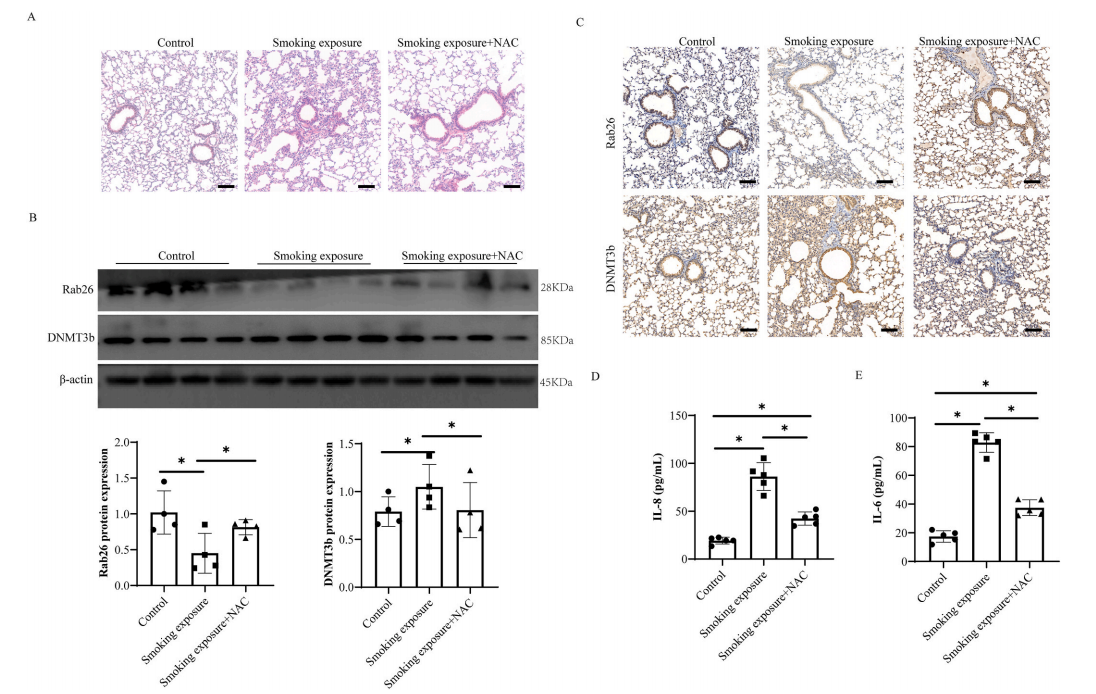
In vitro studies have shown that cigarette smoke exposure-induced oxidants lead to decreased Rab26 production and increased inflammation in epithelial cells. NAC (N-acetylcysteine) is currently widely used to treat COPD patients. This study, using NAC, confirmed the antioxidant's regulatory effect on Rab26 expression in vivo and the effect of increased Rab26 expression in lung tissue on the inflammatory response in COPD mice. H&E analysis showed that NAC ameliorated inflammatory cell infiltration in the perigillary region (Figure 5A). Figure 7B shows that mice exposed to NAC during cigarette smoke consumption showed increased Rab26 expression and decreased DNMT3b levels. Similarly, compared with the cigarette smoke group, the NAC/cigarette smoke group showed increased Rab26 expression and decreased DNMT3b expression in the lung airway epithelium (Figure 5C). Furthermore, NAC treatment suppressed cigarette smoke exposure-induced BALF levels of IL-8 and IL-6 (Figures 5D&E). These data suggest that ROS may inhibit Rab26 by promoting DNMT3b-mediated DNA methylation and ameliorating Rab26 expression in the inflammatory response of COPD mice induced by cigarette exposure.
When constructing an animal model of chronic obstructive pulmonary disease (COPD), Yuyan Instruments carefully selected some key modeling parameters to ensure the accuracy and reliability of the model.
First, given that cigarette smoke exposure is a major factor in the development of COPD, precise cigarette exposure conditions must be set. By controlling the concentration, frequency, and duration of cigarette smoke exposure, the damaging effects of long-term smoking on lung tissue can be successfully simulated.
Secondly, to simulate the complex environment of lung inflammation in COPD patients, stimulation with multiple inflammatory mediators and cytokines was introduced. The types, concentrations, and duration of action of these mediators and factors were carefully adjusted to maximize the simulation of the inflammatory response in COPD patients.
In addition, it is important to focus on simulating the characteristics of airflow limitation in COPD patients. By adjusting parameters such as airway resistance, lung compliance, and ventilation function, a COPD model with airflow obstruction characteristics can be successfully constructed.
Throughout the modeling process, researchers strictly adhere to scientific principles to ensure the accuracy and reproducibility of experimental data. At the same time, they must also pay attention to animal welfare and ethical principles to minimize harm to animals during the experiment.
Through these carefully designed modeling parameters, an animal model that truly reflects the pathophysiological changes of COPD can be successfully constructed, providing a powerful tool for subsequent research:
1. Mouse Modeling Using Cigarette Exposure Alone: After acclimating to the experimental environment, the mice were randomly assigned to four groups (7 mice per group): control, PM2.5, smoking, and PM2.5+smoking. The control group was exposed only to room air without PM2.5. The PM2.5 group was exposed to PM2.5 (at a concentration of 110 μg/m³) via an ultrasonic nebulizer. The smoking group inhaled cigarette smoke in a cigarette exposure chamber (consuming 10 cigarettes over a 2.5-hour period). The PM2.5+smoking group was exposed to both PM2.5 and cigarette smoke. All mice received the aforementioned treatments twice daily, 5 days a week, for 10 months. At the end of the experiment, the mice were sacrificed, and lung tissue was collected for analysis.
2. Cigarette exposure combined with intratracheal instillation of lipopolysaccharide (LPS) was used to establish the model for 8 weeks. Mice in all groups, except the control group, were placed in an automated small animal fumigation chamber. A cigarette was inserted into the automatic cigarette lighter, lit, and a microvacuum pump was activated to introduce smoke into the chamber. Cigarette exposure was performed twice daily, 3 hours apart, with 8 cigarettes lit each time. The maximum smoke concentration was maintained for 30 minutes. (Note: During each 30-minute fumigation, a small amount of oxygen was introduced for 15 minutes to prevent hypoxia and death in mice.) Fumigation was continued for 8 weeks, with a 6-day interval and a 1-day rest. On days 1, 14, and 21, mice in each group were anesthetized intraperitoneally with 0.3 ml/100 g of 10% chloral hydrate. The neck skin was then incised to expose the trachea. The control group received an intratracheal injection of 0.2 ml of normal saline, while the other groups received an intratracheal injection of 0.2 ml of 1 mg/ml LPS (no fumigation was performed on the day of injection).
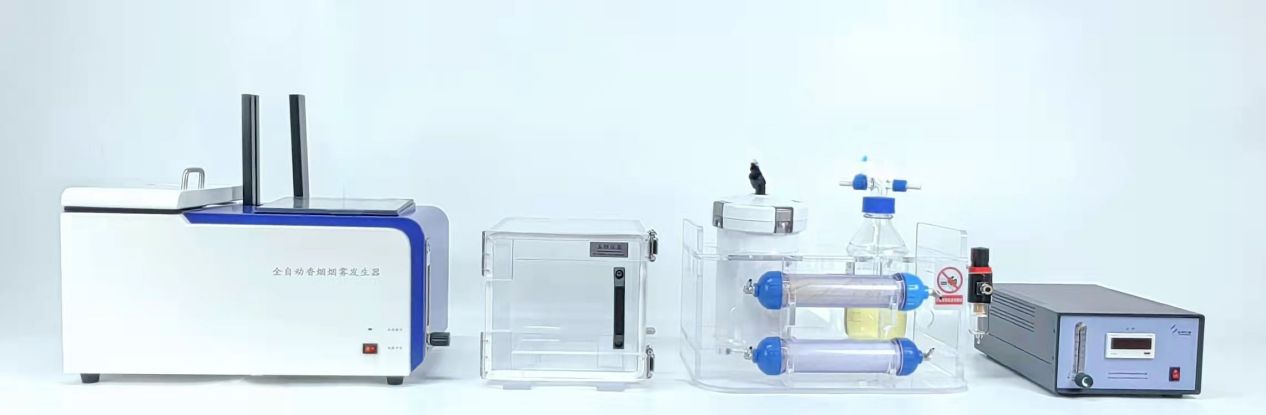
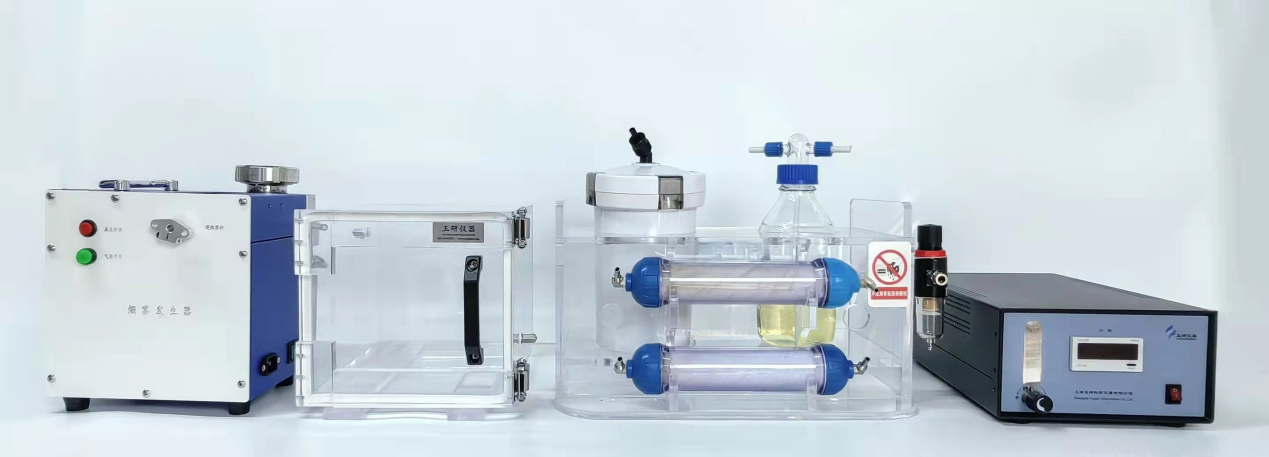
The Yuyan Instruments C-100 fully automatic cigarette exposure system includes a fully automatic cigarette smoke generator, a whole-body exposure chamber, and a cigarette exhaust purifier. Programmable settings, such as lighting time, frequency, and number of cigarettes, allow for automatic cigarette refilling, lighting, and butt removal. After the generated smoke is used to expose experimental animals to the toxins, the exhaust is filtered and removed, effectively removing tar, dust, and organic gases.
Main Features
High degree of automation
The cigarette smoke generator can automatically load and light a cigarette, and after the cigarette is burned out, it can automatically discharge the cigarette butt and load the next cigarette;
Flexible use
According to the required smoke concentration, you can pre-set: the lighting time of each cigarette, the interval time after the cigarette is burned out, and the number of cigarettes needed to be lit for the experiment;
Fully transparent design, easy to observe
The whole-body exposure method is adopted, and the entire cage is placed in the smoking room. The animals can eat and drink during the exposure process; the cabin is fully transparent, which is conducive to observing the status of the animals;
Able to effectively treat exhaust gas
The flue gas treatment device with negative pressure can effectively filter the pollutants in cigarette smoke through multi-stage filtration. After filtration, it can eliminate the odor of basic smoke and effectively protect and maintain the laboratory environment.
Semi-automatic cigarette poisoning system
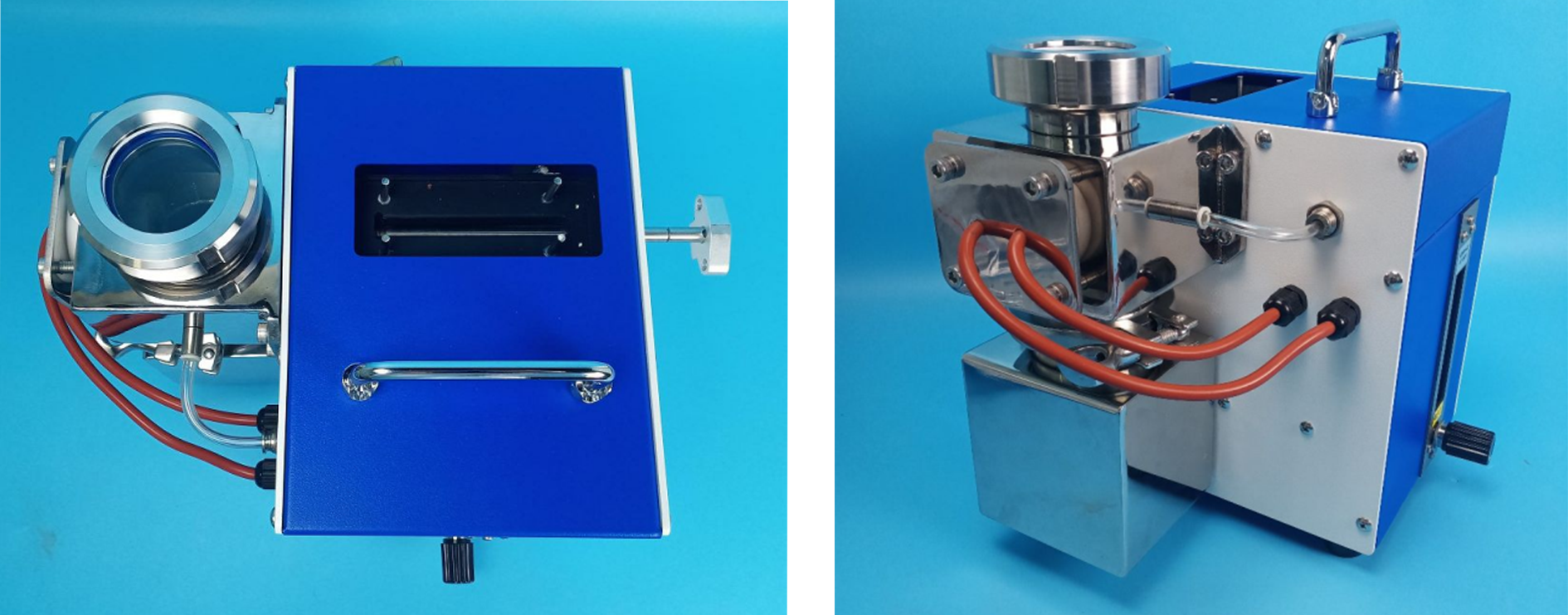
The C-260 Cigarette Smoke Generator is a semi-automatic, highly efficient, and continuously operating smoke generator. It has helped many laboratories successfully establish models of cigarette smoke-induced cardiovascular disease, innate immune dysfunction, macular degeneration, erectile dysfunction, atherosclerosis, neurological effects, and pulmonary abnormalities. The cigarette loading rail can hold up to 20 cigarettes at a time, and cigarettes are manually loaded and lit. A tar filter can be installed to remove some tar from the smoke.
Main Features
Inhalation poisoning
The animals are exposed to cigarettes while they are awake and moving freely, and multiple animals can be exposed at the same time.
Suitable for long-term exposure experiments
The system is used for rodent chronic smoking models, using a whole-body exposure method. When in use, the mouse cage can be placed in the smoking room, and the animals can eat, drink water, and rest in the cage. It is suitable for long-term exposure experiments.
With oil and gas separation device
Equipped with an oil-gas separation device, it can selectively filter tar from cigarette smoke;
With circulation and ventilation
The built-in circulation diffusion system ensures a more uniform smoke concentration in the experimental chamber; the large-volume ventilation design and adjustable ventilation flow rate ensure sufficient air supply to the experimental chamber; the large-size glass window design allows for easy observation.
Manual cigarette poisoning system
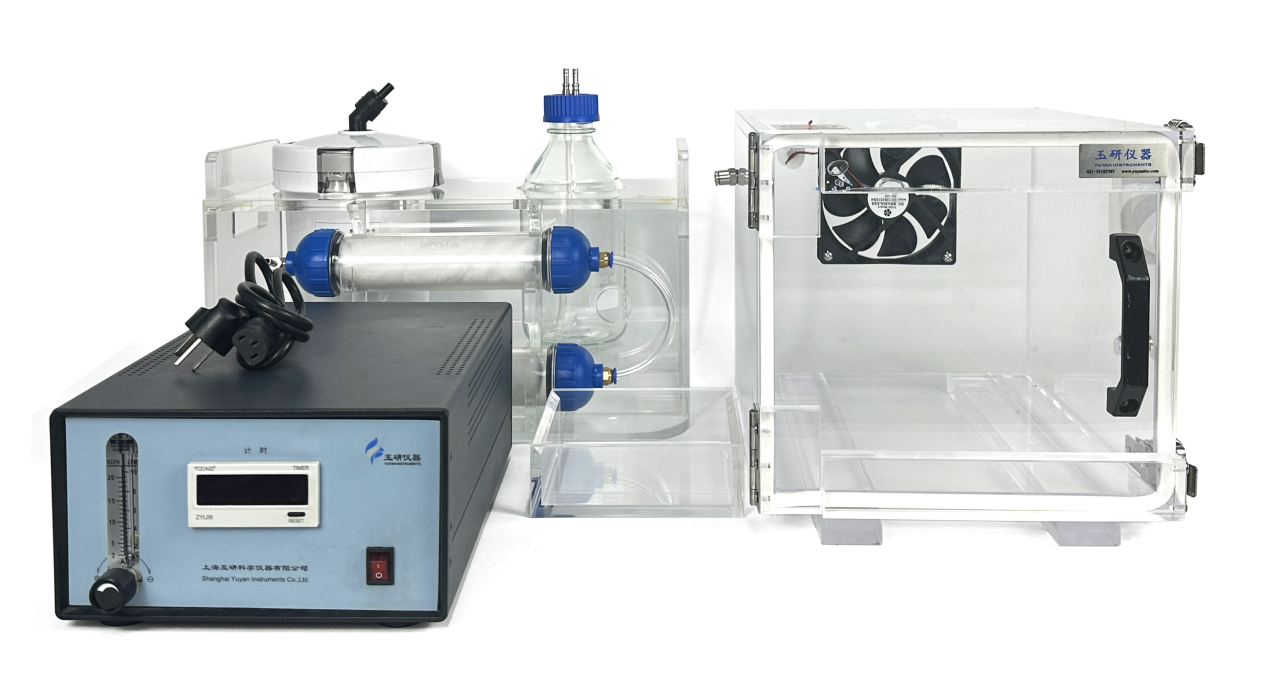
The C-350 Cigarette Exposure Test Chamber is a simple, effective smoke generator. It features manual cigarette loading and lighting, and is equipped with a tar filter and exhaust gas removal device. It adjusts the cigarette burning speed and fresh air supply rate, and effectively filters and removes smoke and exhaust gases.
By using the EMMSLink WBP system, researchers can gain a more comprehensive understanding of the development of COPD, including changes in disease progression, airway inflammation, and airflow limitation. This not only helps researchers gain a deeper understanding of COPD, but also provides an important reference for developing more precise and effective treatment strategies. (Image required)
The EMMS FM forced spirometry system has demonstrated exceptional performance and broad application in the field of pulmonary function testing. Designed specifically for research on chronic obstructive pulmonary disease (COPD), interstitial lung disease, emphysema, pulmonary fibrosis, silicosis, acute lung injury, and mechanical ventilation-induced lung injury, the system provides researchers with precise pulmonary function testing.
At the same time, the FM system has the ability to detect comprehensive physiological index parameters, such as FEV(x), FEF(x), FVC, FRC, MMEF, TLC, etc., which can comprehensively reflect the lung function status and provide a strong basis for the diagnosis and treatment of diseases.
In addition, the FM system also combines diffusion functions with airway resistance and compliance measurement, making it widely applicable in various preclinical studies. Its accuracy and stability have been recognized and praised by a large number of users. (Image required)
The COPD modeling process often requires simulating the pathophysiological processes of lung disease, particularly the characteristics of lung inflammation and airflow limitation. By using the Shanghai Yuyan Instruments pulmonary atomization drug delivery device, researchers can accurately simulate the drug's action in the lungs, observing the drug's impact on lung inflammation and airflow limitation, thereby more accurately evaluating the drug's efficacy and safety.
The pulmonary atomization drug delivery device has the characteristics of quantitative and direct pulmonary atomization drug delivery, which can ensure the accuracy and consistency of drug delivery and improve the repeatability and reliability of experiments. (Image required)
COPD is characterized by persistent, progressive airflow limitation, associated with an enhanced chronic inflammatory response in the airways and lungs to toxic particles or gases. The precise etiology of airflow limitation and airway obstruction, the disease's most crucial pathophysiological changes, remains unclear, but is generally believed to result from a combination of individual predisposing factors and environmental factors. Many patients also suffer from other symptomatic chronic illnesses, which undoubtedly contribute to the morbidity and mortality of COPD.
When discussing the causes of COPD, we must mention smoking as the most common and primary risk factor. Long-term smoking not only directly damages the respiratory tract but also increases the risk of inhaling other harmful substances, such as occupational dust and chemical gases, exacerbating the development of COPD. Toxic substances in cigarette smoke induce an inflammatory response in the airway epithelium, disrupting the epithelial barrier, promoting the accumulation of immune cells, and leading to excessive mucus secretion and remodeling of the small airway walls.
Recently, Professor Zhang Jing's team from the Department of Pulmonary Critical Care Medicine at Zhongshan Hospital, Shanghai Medical College, Fudan University, published an article titled "ROS induced the Rab26 promoter hypermethylation to promote cigarette smoking-induced airway epithelial inflammation of COPD through activation of MAPK signaling" in the internationally recognized journal Free Radical Biology and Medicine. They found that cigarette exposure can lead to epigenetic changes in lung tissue, which are closely related to the chronic inflammation of COPD. Among them, DNA methylation, as the main way to control epigenetic transcription, is particularly critical under the influence of smoking. Smoking affects the pathogenesis of COPD by regulating the expression of DNA methyltransferases.
Furthermore, the study revealed deeper mechanisms underlying airway inflammation in response to cigarette smoke exposure. Reactive oxygen species (ROS) produced by cigarette smoke play a crucial role in this process. ROS not only regulate the expression of DNMTs but also affect the function of p53 and Bcl2, ultimately leading to apoptosis of airway epithelial cells. Although the specific mechanisms by which ROS regulate gene methylation/demethylation remain incompletely understood, this finding undoubtedly provides new insights into the pathogenesis of COPD.
It's worth noting that Rab proteins, as crucial regulators of cellular function, also play a significant role in lung inflammation. Rab26, in particular, has been found to inhibit inflammatory signaling and attenuate the inflammatory response of lung endothelial cells. However, the mechanism of action of Rab26 and its relationship to airway inflammation following cigarette smoke exposure remain to be further elucidated.
This study not only deepens our understanding of the pathogenesis of COPD but also provides new insights into future treatments. By further studying the role of molecules like ROS and Rab26 in airway inflammation, we hope to develop more effective prevention and treatment strategies, bringing benefits to COPD patients.
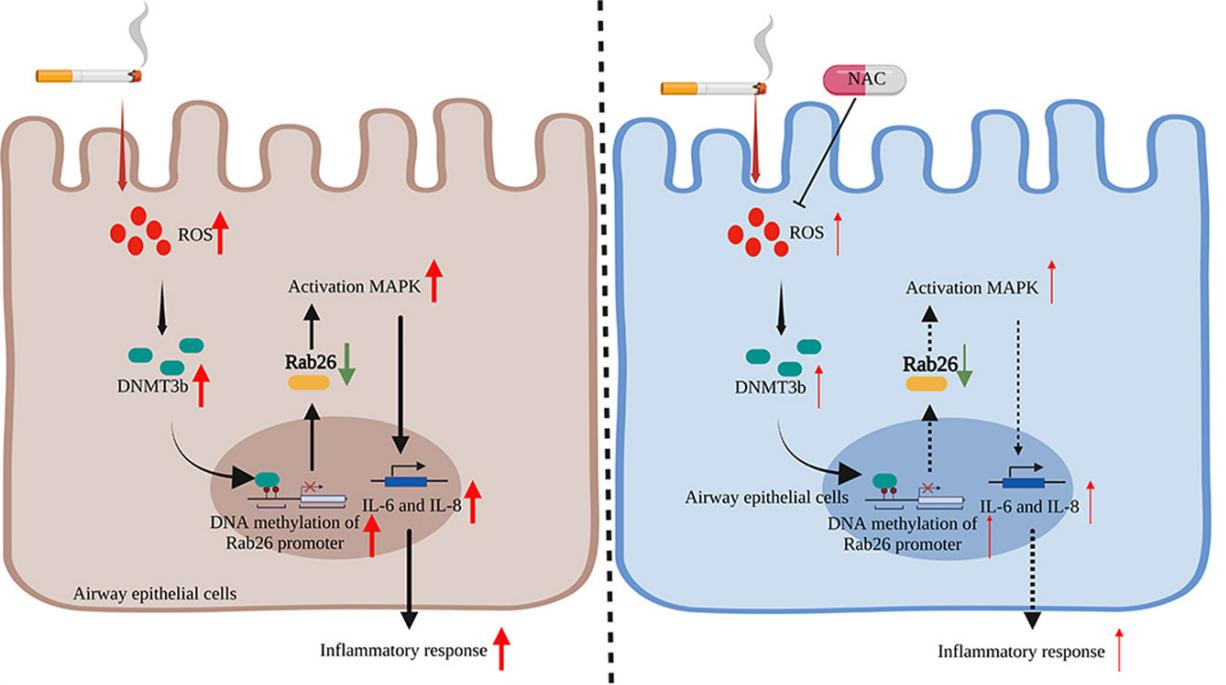
The article mentioned that under cigarette exposure conditions, ROS inhibited the expression of Rab26 by promoting DNMT3b-mediated DNA methylation of the Rab26 promoter. Downregulating the expression of Rab26 can enhance the activation of p38 and JNK MAPK signals, leading to excessive production of inflammatory cytokines. Restoring Rab26 with NAC (N-acetylcysteine) can also alleviate the airway epithelial inflammatory response induced by cigarette exposure.
The researchers first established a mouse model of cigarette exposure. Using a whole-body cigarette smoke exposure system, mice (n = 5) were exposed to 20 cigarettes twice daily, six days a week, for two hours, for three months. A control group (n = 5) was maintained in the same environment, including the same amount of food, but without cigarette exposure. The whole-body cigarette smoke exposure system, provided by Shanghai Yuyan Instruments, was equipped with a fully automated cigarette smoke generator, an exposure chamber, and a laminar flow biosafety cabinet. To protect the operator from secondhand smoke, the exposure chamber was set up within the laminar flow biosafety cabinet. Cigarette smoke was generated by the automated cigarette smoke generator and pumped into the exposure chamber. Lung and bronchoalveolar lavage fluid (BALF) samples were then collected from the mice for H&E staining, immunohistochemistry (IHC), and assays for inflammatory mediators. Body weight, white blood cell count, hematocrit (Hct), and hemoglobin (HbCO) levels were also measured.
Cigarette exposure induces airway epithelial inflammatory response
Airway inflammation induced by cigarette smoke exposure is a major feature of COPD. Here, researchers evaluated the inflammatory response of the airway epithelium in cigarette smoke exposure in vivo and in vitro. H&E staining revealed that the airway epithelium of cigarette smoke-exposed mice was disrupted, with a large number of neutrophils present around the bronchi. In addition, the alveolar spaces were enlarged and destroyed. The pathological changes are consistent with smoking-related COPD and emphysema. The level of systemic inflammation in mice exposed to systemic cigarette smoke was also assessed. Compared with the control group, the levels of BALF IL-8 and IL-6 in the systemically exposed mice were significantly increased (Figure).
Cigarette exposure inhibits Rab26 expression in airway epithelium
The data showed that in samples from COPD patients, PKM levels of Rab26 in lung tissue were significantly lower than those in non-COPD patients. IHC data showed that Rab26 expression in lung airway epithelial cells was lower in cigarette smoke-exposed mice than in control mice. In addition, Rab26 expression was reduced in lung tissue of cigarette smoke-exposed mice compared to controls.
DNMT3b regulates Rab26 expression
DNA methyltransferase (DNMT) family members play a key role in mediating gene DNA methylation. Therefore, the researchers explored the role of DNTM3B in cigarette exposure-induced DNA methylation of the Rab26 promoter. The researchers found that DNMT3B expression was increased in the lung tissue of cigarette-exposed mice. Immunohistochemical analysis also showed that DNMT3B levels were increased in the airway epithelium of the cigarette-exposed group compared with the control group.
ROS inhibits Rab26 expression by regulating DNMT3b
To confirm the effects of ROS on Rab26 expression and its potential mechanism through promoter methylation, the researchers treated cells with varying doses of H2O2 (a ROS) for 2 hours. The data showed that H2O2 increased DNMT3B protein production and inhibited Rab26 expression. Consistent with the above results, preincubation of cells with NAC partially reversed the downregulated Rab26 expression in the presence of H2O2. Luciferase assays showed that H2O2 inhibited Rab26 promoter activity. These data suggest that ROS induced by cigarette smoke exposure inhibits Rab26 promoter activity, downregulating Rab26 expression and leading to the production of inflammatory mediators. NAC partially reversed the inhibitory effect of cigarette smoke exposure on Rab26 expression.
Antioxidants enhance Rab26 expression and alleviate inflammatory responses in COPD mice
In vitro studies have shown that cigarette smoke exposure-induced oxidants lead to decreased Rab26 production and increased inflammation in epithelial cells. NAC (N-acetylcysteine) is currently widely used to treat COPD patients. This study, using NAC, confirmed the antioxidant's regulatory effect on Rab26 expression in vivo and the effect of increased Rab26 expression in lung tissue on the inflammatory response in COPD mice. H&E analysis showed that NAC ameliorated inflammatory cell infiltration in the perigillary region (Figure 5A). Figure 7B shows that mice exposed to NAC during cigarette smoke consumption showed increased Rab26 expression and decreased DNMT3b levels. Similarly, compared with the cigarette smoke group, the NAC/cigarette smoke group showed increased Rab26 expression and decreased DNMT3b expression in the lung airway epithelium (Figure 5C). Furthermore, NAC treatment suppressed cigarette smoke exposure-induced BALF levels of IL-8 and IL-6 (Figures 5D&E). These data suggest that ROS may inhibit Rab26 by promoting DNMT3b-mediated DNA methylation and ameliorating Rab26 expression in the inflammatory response of COPD mice induced by cigarette exposure.
When constructing an animal model of chronic obstructive pulmonary disease (COPD), Yuyan Instruments carefully selected some key modeling parameters to ensure the accuracy and reliability of the model.
First, given that cigarette smoke exposure is a major factor in the development of COPD, precise cigarette exposure conditions must be set. By controlling the concentration, frequency, and duration of cigarette smoke exposure, the damaging effects of long-term smoking on lung tissue can be successfully simulated.
Secondly, to simulate the complex environment of lung inflammation in COPD patients, stimulation with multiple inflammatory mediators and cytokines was introduced. The types, concentrations, and duration of action of these mediators and factors were carefully adjusted to maximize the simulation of the inflammatory response in COPD patients.
In addition, it is important to focus on simulating the characteristics of airflow limitation in COPD patients. By adjusting parameters such as airway resistance, lung compliance, and ventilation function, a COPD model with airflow obstruction characteristics can be successfully constructed.
Throughout the modeling process, researchers strictly adhere to scientific principles to ensure the accuracy and reproducibility of experimental data. At the same time, they must also pay attention to animal welfare and ethical principles to minimize harm to animals during the experiment.
Through these carefully designed modeling parameters, an animal model that truly reflects the pathophysiological changes of COPD can be successfully constructed, providing a powerful tool for subsequent research:
1. Mouse Modeling Using Cigarette Exposure Alone: After acclimating to the experimental environment, the mice were randomly assigned to four groups (7 mice per group): control, PM2.5, smoking, and PM2.5+smoking. The control group was exposed only to room air without PM2.5. The PM2.5 group was exposed to PM2.5 (at a concentration of 110 μg/m³) via an ultrasonic nebulizer. The smoking group inhaled cigarette smoke in a cigarette exposure chamber (consuming 10 cigarettes over a 2.5-hour period). The PM2.5+smoking group was exposed to both PM2.5 and cigarette smoke. All mice received the aforementioned treatments twice daily, 5 days a week, for 10 months. At the end of the experiment, the mice were sacrificed, and lung tissue was collected for analysis.
2. Cigarette exposure combined with intratracheal instillation of lipopolysaccharide (LPS) was used to establish the model for 8 weeks. Mice in all groups, except the control group, were placed in an automated small animal fumigation chamber. A cigarette was inserted into the automatic cigarette lighter, lit, and a microvacuum pump was activated to introduce smoke into the chamber. Cigarette exposure was performed twice daily, 3 hours apart, with 8 cigarettes lit each time. The maximum smoke concentration was maintained for 30 minutes. (Note: During each 30-minute fumigation, a small amount of oxygen was introduced for 15 minutes to prevent hypoxia and death in mice.) Fumigation was continued for 8 weeks, with a 6-day interval and a 1-day rest. On days 1, 14, and 21, mice in each group were anesthetized intraperitoneally with 0.3 ml/100 g of 10% chloral hydrate. The neck skin was then incised to expose the trachea. The control group received an intratracheal injection of 0.2 ml of normal saline, while the other groups received an intratracheal injection of 0.2 ml of 1 mg/ml LPS (no fumigation was performed on the day of injection).
Product Recommendations
Fully automatic cigarette poisoning systemThe Yuyan Instruments C-100 fully automatic cigarette exposure system includes a fully automatic cigarette smoke generator, a whole-body exposure chamber, and a cigarette exhaust purifier. Programmable settings, such as lighting time, frequency, and number of cigarettes, allow for automatic cigarette refilling, lighting, and butt removal. After the generated smoke is used to expose experimental animals to the toxins, the exhaust is filtered and removed, effectively removing tar, dust, and organic gases.
Main Features
High degree of automation
The cigarette smoke generator can automatically load and light a cigarette, and after the cigarette is burned out, it can automatically discharge the cigarette butt and load the next cigarette;
Flexible use
According to the required smoke concentration, you can pre-set: the lighting time of each cigarette, the interval time after the cigarette is burned out, and the number of cigarettes needed to be lit for the experiment;
Fully transparent design, easy to observe
The whole-body exposure method is adopted, and the entire cage is placed in the smoking room. The animals can eat and drink during the exposure process; the cabin is fully transparent, which is conducive to observing the status of the animals;
Able to effectively treat exhaust gas
The flue gas treatment device with negative pressure can effectively filter the pollutants in cigarette smoke through multi-stage filtration. After filtration, it can eliminate the odor of basic smoke and effectively protect and maintain the laboratory environment.
Semi-automatic cigarette poisoning system
The C-260 Cigarette Smoke Generator is a semi-automatic, highly efficient, and continuously operating smoke generator. It has helped many laboratories successfully establish models of cigarette smoke-induced cardiovascular disease, innate immune dysfunction, macular degeneration, erectile dysfunction, atherosclerosis, neurological effects, and pulmonary abnormalities. The cigarette loading rail can hold up to 20 cigarettes at a time, and cigarettes are manually loaded and lit. A tar filter can be installed to remove some tar from the smoke.
Main Features
Inhalation poisoning
The animals are exposed to cigarettes while they are awake and moving freely, and multiple animals can be exposed at the same time.
Suitable for long-term exposure experiments
The system is used for rodent chronic smoking models, using a whole-body exposure method. When in use, the mouse cage can be placed in the smoking room, and the animals can eat, drink water, and rest in the cage. It is suitable for long-term exposure experiments.
With oil and gas separation device
Equipped with an oil-gas separation device, it can selectively filter tar from cigarette smoke;
With circulation and ventilation
The built-in circulation diffusion system ensures a more uniform smoke concentration in the experimental chamber; the large-volume ventilation design and adjustable ventilation flow rate ensure sufficient air supply to the experimental chamber; the large-size glass window design allows for easy observation.
Manual cigarette poisoning system
The C-350 Cigarette Exposure Test Chamber is a simple, effective smoke generator. It features manual cigarette loading and lighting, and is equipped with a tar filter and exhaust gas removal device. It adjusts the cigarette burning speed and fresh air supply rate, and effectively filters and removes smoke and exhaust gases.
Related product recommendations
The EMMSLink WBP whole-body plethysmography system for awake animals provides powerful technical support for COPD research. The WBP system monitors respiratory function in real time while animals are awake, accurately capturing changes in key indicators such as airway responsiveness and lung capacity, thereby revealing insights into the pathophysiology of COPD. Furthermore, the system is equipped with a nebulizer drug delivery function, enabling researchers to conduct simultaneous drug inhalation experiments and quickly and accurately evaluate the therapeutic effects of drugs on COPD.By using the EMMSLink WBP system, researchers can gain a more comprehensive understanding of the development of COPD, including changes in disease progression, airway inflammation, and airflow limitation. This not only helps researchers gain a deeper understanding of COPD, but also provides an important reference for developing more precise and effective treatment strategies. (Image required)
The EMMS FM forced spirometry system has demonstrated exceptional performance and broad application in the field of pulmonary function testing. Designed specifically for research on chronic obstructive pulmonary disease (COPD), interstitial lung disease, emphysema, pulmonary fibrosis, silicosis, acute lung injury, and mechanical ventilation-induced lung injury, the system provides researchers with precise pulmonary function testing.
At the same time, the FM system has the ability to detect comprehensive physiological index parameters, such as FEV(x), FEF(x), FVC, FRC, MMEF, TLC, etc., which can comprehensively reflect the lung function status and provide a strong basis for the diagnosis and treatment of diseases.
In addition, the FM system also combines diffusion functions with airway resistance and compliance measurement, making it widely applicable in various preclinical studies. Its accuracy and stability have been recognized and praised by a large number of users. (Image required)
The COPD modeling process often requires simulating the pathophysiological processes of lung disease, particularly the characteristics of lung inflammation and airflow limitation. By using the Shanghai Yuyan Instruments pulmonary atomization drug delivery device, researchers can accurately simulate the drug's action in the lungs, observing the drug's impact on lung inflammation and airflow limitation, thereby more accurately evaluating the drug's efficacy and safety.
The pulmonary atomization drug delivery device has the characteristics of quantitative and direct pulmonary atomization drug delivery, which can ensure the accuracy and consistency of drug delivery and improve the repeatability and reliability of experiments. (Image required)
- Prev: Ugo Basile Orofacial Pain Tester | A novel self-reward and punishment experiment effectively assesses orofacial pain behavior in mice and rats—providing a comprehensive solution for preclinical orofacial pain assessment.!
- Next: Ugo Basile's startle reflex system | An important experimental tool for studying the mechanisms of mental illness, antipsychotic drugs, and sensorimotor gating function