




Yuyan Intermittent Oxygen Concentration Control System | An ideal tool for obstructive sleep apnea modeling
Date:2024-07-03
Author:Yuyan Instrument
1. Obstructive Sleep Apnea Syndrome (OSAS)
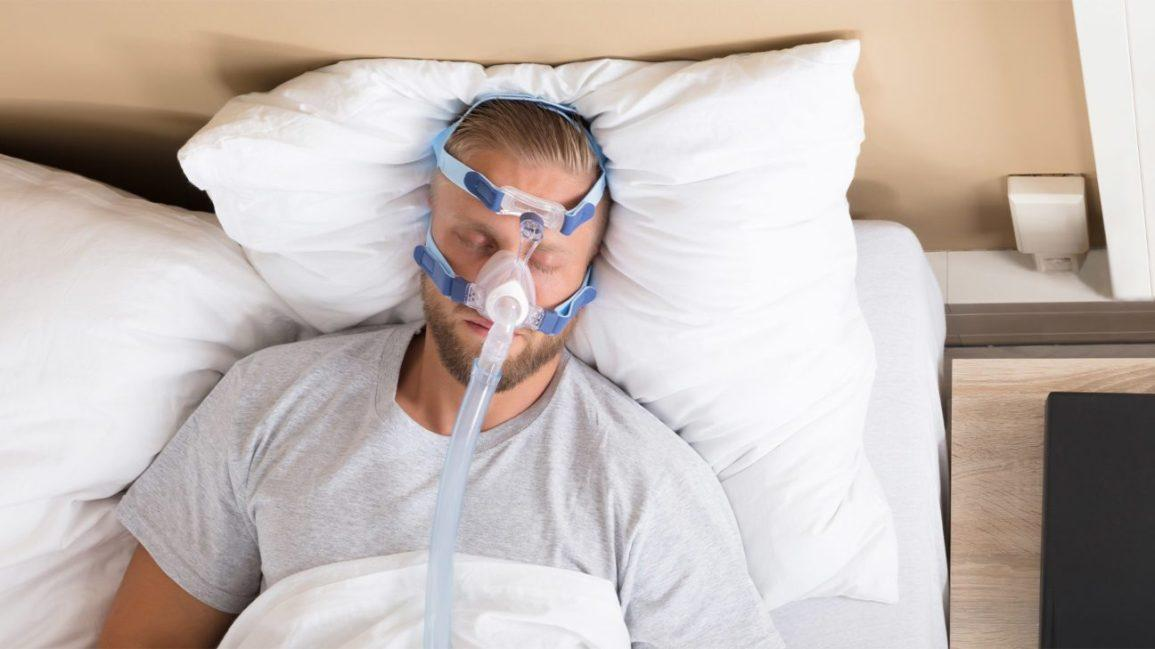
Obstructive sleep apnea syndrome (OSAS) is a chronic disease with a high prevalence and potential dangers. Epidemiological data from abroad indicate a prevalence of 2-4% in adults. The characteristic pathophysiological changes of OSAS are recurrent, chronic intermittent nocturnal hypoxia, carbon dioxide retention, dramatic fluctuations in intrathoracic pressure, and disrupted sleep architecture. OSAS can cause extensive damage to the body, with the most significant harm being to the heart, brain, and blood vessels, including hypertension, coronary artery disease, arrhythmias, acute cardiovascular and cerebrovascular events, and cognitive impairment. Despite extensive clinical research on the effects of sleep apnea on the heart, brain, and blood vessels, the precise mechanisms remain unclear.
2. Types and Characteristics of OSAS Animal Models
When conducting animal studies on obstructive sleep apnea syndrome, model selection is crucial. Animal experiments allow researchers to examine the characteristic chronic intermittent hypoxia, changes in intrathoracic pressure, and disrupted sleep architecture. There are three primary OSAS animal models: intermittent hypoxia, upper airway obstruction, and fragmented sleep. The following describes these three methods and their characteristics as documented in relevant literature.
1. Intermittent hypoxia model
In most intermittent hypoxia animal models used to study OSAS complications and their mechanisms, researchers often adjust modeling parameters based on specific experimental needs and previous literature. Previous research on cardiovascular complications of OSAS patients, such as atherosclerosis and hypertension, has shown that intermittent hypoxia with a minimum oxygen concentration of 4% to 6% for 7 hours daily can lead to atherosclerosis and impaired glucose tolerance in mice after 4 weeks. Twelve hypoxic cycles per hour for 8 hours daily at a minimum oxygen concentration of 5% can lead to hypertension in rats after 21 days. A 30-second hypoxia cycle for 7 hours daily at a minimum oxygen concentration of 4% to 6% combined with a high-fat diet can lead to liver damage in rats after 6 weeks. Lung damage can occur in rats after 5 weeks at a minimum oxygen concentration of 6% to 8% for 8 hours daily.
Features: Rats and mice are often used. This method can simulate the intermittent hypoxia pathological state characteristic of OSAS and complete a large number of animal models in a short period of time. It has become the most widely used modeling method.
2. Upper airway obstruction model
OSAS patients experience recurrent upper airway stenosis or collapse during sleep. Researchers used animal models, including those involving upper airway obstruction, to simulate this anatomical characteristic. Adult male New Zealand white rabbits underwent tracheotomy. The tip of the cannula was inserted between the third and fourth tracheal rings, and the tail was inserted between the 10th and 11th tracheal rings. The tip of the cannula was connected to a pressure sensor, and the tail to a respiratory flow recorder. After the tracheotomy, a computer-controlled collar and an electric speaker were placed in the animal's airway. A short latex tube with a valve was placed in the dog's tracheostomy. When sleep began, a computer automatically activated the valve, causing airway obstruction. Electroencephalograms (EEGs) and electromyograms (EMGs) were recorded during the dog's sleep.
Features: Suitable for large animals such as rats, rabbits, dogs, and pigs, but the surgical difficulty and survival rate of animal models need further verification.
3. Fragmented sleep model
Frequent nocturnal apneas and hypopneas in patients with OSAS result in frequent awakenings during sleep, resulting in a repetitive cycle of awakening, falling asleep, and reawakening. This phenomenon, sleep fragmentation (SF), differs from research models such as total sleep loss or selective sleep deprivation. The impact of SF on sleep is primarily manifested by repeated awakenings that disrupt sleep continuity and, in turn, disrupt the overall structure of sleep. Currently, a variety of devices and experimental methods exist for preventing or disrupting sleep in animals. These include the underwater platform method developed by Mendelson et al. in 1974, in which animals enter REM sleep by relaxing their muscles and then falling into water to awaken; the exercise belt method developed by McCoy et al.; the water cage model developed by Perry et al.; and the optogenetic method developed by de Lecea et al. in 2014.
Characteristics: Because many different types of sleep disorders and neurological diseases are accompanied by obvious fragmented sleep phenomena rather than OSAS, this method is rarely used in the establishment of OSAS animal models.
3. Intermittent oxygen concentration control system
In recent years, the intermittent oxygen concentration control system independently developed by Shanghai Yuyan Instruments has been widely adopted and acclaimed in numerous domestic laboratories. By precisely controlling the output of gas concentration, it can maintain any desired oxygen concentration or switch between multiple oxygen concentrations. It is suitable for various oxygen concentration-related experiments with experimental animals such as rats and mice. The system features adjustable and controllable parameters such as gas flow, concentration, and time, while simultaneously displaying multiple parameter data curves. It is an ideal tool for conducting intermittent hypoxia experiments and is one of the most popular intermittent hypoxia modeling devices on the market.
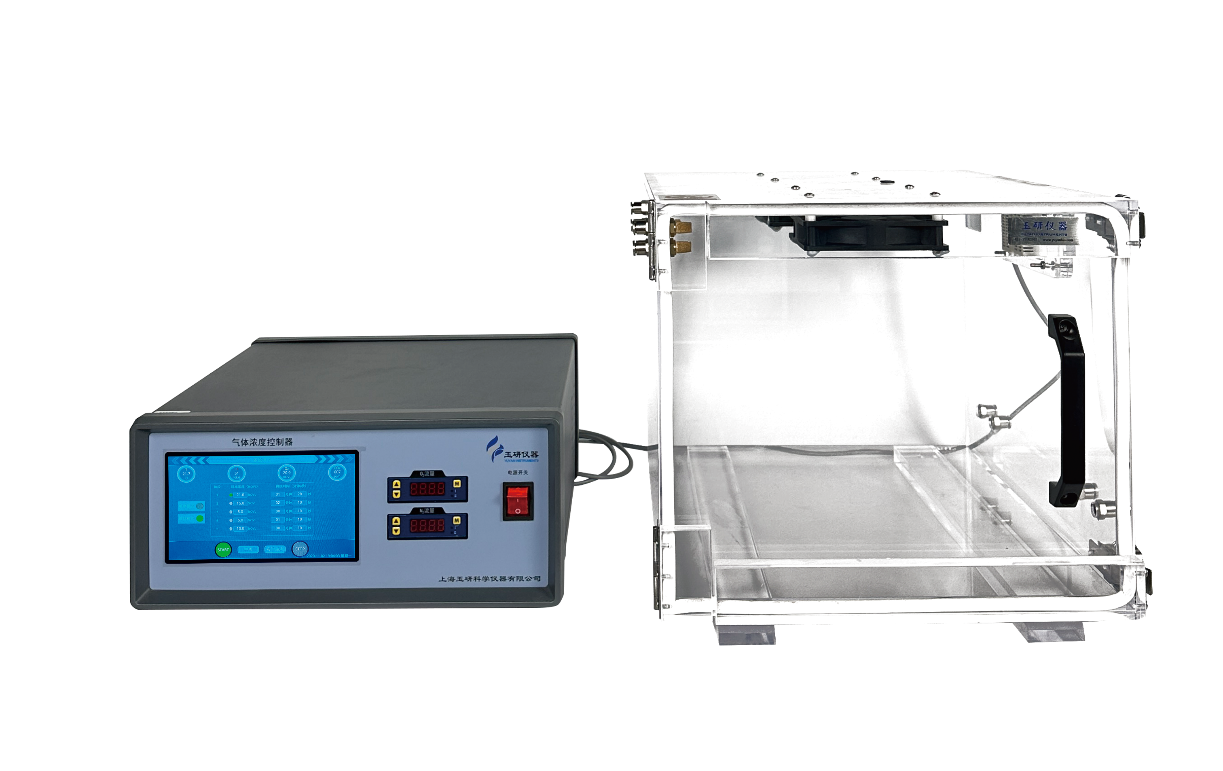
Intermittent oxygen concentration control system (S1007/S1008)
1. Technical Principle
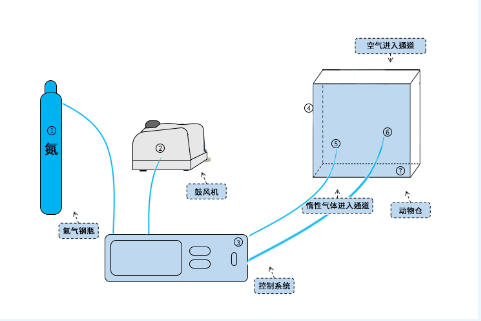
The system consists of five main components: an inert gas cylinder, a blower, an animal chamber, a control system, and an oxygen concentration sensor. The control system controls the timing of inert gas and air flow from the blower to maintain the oxygen concentration within the animal chamber. By combining real-time feedback from the oxygen concentration sensor, the system adjusts the timing of gas flow and the switching of the inert gas cylinder and blower to control the switching between multiple oxygen concentrations within the animal chamber.
Detailed notes: ① is the inert gas (mostly nitrogen) switch, which can adjust the gas flow rate; ② is the blower, which can blow air into the low-oxygen chamber; ③ is the control system, which controls the time when the inert gas and blower air enter the animal chamber; ④ is the exhaust port; ⑤ is the inert gas inlet channel; ⑥ is the air inlet channel; ⑦ is the animal chamber, made of transparent acrylic material, with an oxygen concentration sensor placed in the animal chamber to monitor the changes in oxygen concentration in the chamber in real time for feedback adjustment.
2. Main features
Intermittent oxygen concentration control mode: Set the upper and lower oxygen limits and the maintenance time. During operation, the oxygen concentration will drop from the set upper oxygen limit to the set lower oxygen limit within a certain period of time, maintain for the required time, and then climb from the lower oxygen limit to the upper oxygen limit, maintain for the required time, and work in this cycle.
Constant oxygen concentration control mode: In constant oxygen concentration working mode, the system will maintain the oxygen concentration in the exposure chamber at the set value for a long time. This mode can be used for hypoxia or enrichment experiments on other small animals.
Multi-stage oxygen concentration control mode: Multi-stage oxygen control allows you to set up to 4 different oxygen concentrations and the required maintenance time of each stage. The duration of each stage can be up to 24 hours. When working, it will switch and cycle in the set oxygen concentration stages.
3. Characteristics of animal warehouse
The box is reinforced and made of highly transparent acrylic material with good sealing, so you can observe the status of the mouse without any blind spots.
Standard temperature and humidity detection modules can monitor the internal environment of the cabin in real time to ensure the quality of life of animals
The standard dual return fans accelerate air mixing and ensure uniform oxygen concentration at all exposed locations in the box
Exposure boxes of special styles and sizes can be customized to accommodate different numbers of animals and meet the special needs of the laboratory
IV. Application Cases
Intermittent hypoxia (IH) is a core pathological feature of obstructive sleep apnea syndrome (OSAS), while insulin resistance (IR) is the most common metabolic complication of OSAS. Previous studies have shown that free fatty acids (FFA), released primarily through lipolysis by adipocytes, are elevated in OSAS and play a key role in the development and progression of IR. However, whether and how IH regulates adipocyte lipolysis in OSAS remains unclear. In their study, "Intermittent hypoxia-induced METTL3 downregulation facilitates MGLL-mediated lipolysis of adipocytes in OSAS," published in Cell Death Discovery, Xiuji Huang et al. found that the apnea-hypopnea index (AHI) in OSAS patients was positively correlated with serum FFA levels and adipocyte FFA release. IH promoted lipolysis and adipocyte FFA release by downregulating METTL3 levels. METTL3 downregulation attenuated N6-methyladenosine (m6A) levels in MGLL mRNA, reducing MGLL expression and thus promoting lipolysis. The data showed that METTL3 levels were decreased and MGLL levels were increased in adipose tissue of OSAS patients and indicated that METTL3 contributed to the reduction of FFA levels and the improvement of IR in chronic IH rats, providing new insights into the development and treatment of IR in OSAS.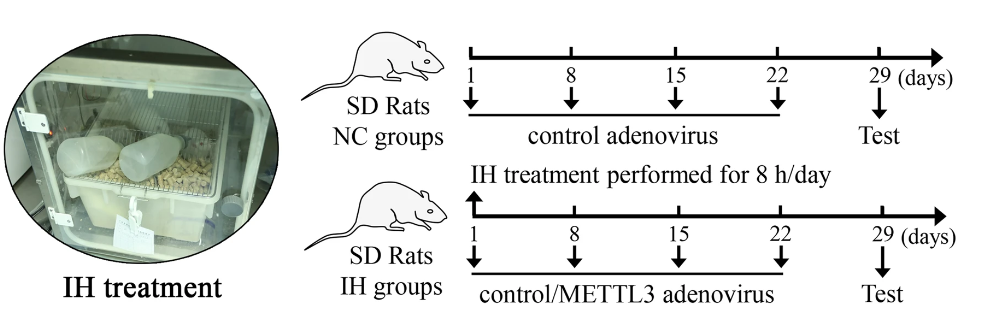
A chronic intermittent hypoxia (CIH) model simulating the characteristics of obstructive sleep apnea syndrome (OSAS) was established using an intermittent oxygen environment control system provided by Shanghai Yuyan Scientific Instrument Co., Ltd. Twelve adult male Sprague-Dawley rats were randomly divided into three groups: normoxic control (NC), intraperitoneal hypoxia (IH), and IH+METTL3 (IM). Rats were fed a standard diet and maintained on a 12-h light/dark schedule (8:00–20:00 h). IH treatment lasted for 28 days, from 8:00 AM to 4:00 PM, with oxygen concentrations cycling between 21% and 5% with 60-second cycles. Rats in the NC and IH groups were injected with a control adenovirus, while rats in the IM group were injected with the METTL3 adenovirus on days 1, 8, 15, and 22. Fasting blood glucose (FBG) and serum FFA, urea, and creatinine levels were measured on day 29. A glucose tolerance test (GTT) and an insulin tolerance test (ITT) were also performed.
5. Partial User List
China Medical University, Sun Yat-sen University, Shenzhen University, Nanjing University of Posts and Telecommunications, Sichuan University, Southern Medical University, The Affiliated Hospital of Guangdong Medical University, Shanghai Tenth People's Hospital, Sun Yat-sen University Zhongshan Eye Center, PLA Air Force Medical University, Central South University Xiangya Second Hospital, The Affiliated Children's Hospital of Fudan University, Shanghai WuXi AppTec New Drug Development Co., Ltd., The 904th Hospital of the Joint Logistics Support Force of the PLA, Jiangxi Zhonghong Boyuan Biotechnology Co., Ltd.6. Selected Published Literature
1. Wu, Dan-Dan et al. “STING mediates SU5416/hypoxia-induced pulmonary arterial hypertension in rats by regulating macrophage NLRP3 inflammasome activation.” Immunobiology vol. 228,2 (2023): 152345. doi:10.1016/j.imbio.2023.1523452. Gu, Hong et al. "Orexin-A Reverse Bone Mass Loss Induced by Chronic Intermittent Hypoxia Through OX1R-Nrf2/HIF-1α Pathway." Drug design, development and therapy vol. 16 2145-2160. 5 Jul. 2022, doi:10.2147/DDDT.S363286
3. Huang, Xiuji et al. “Intermittent hypoxia-induced METTL3 downregulation facilitates MGLL-mediated lipolysis of adipocytes in OSAS.” Cell death discovery vol. 8,1 352. 6 Aug. 2022, doi:10.1038/s41420-022-01149-4
4. Cao, Jing, et al. "Effect and mechanism of vascular endothelial growth factor-A on pulmonary vascular remodeling in neonatal rats with hypoxic pulmonary hypertension." Zhongguo Dang dai er ke za zhi= Chinese Journal of Contemporary Pediatrics 23.1 (2021): 103-110. doi:10.7499/j.issn.1008-8830.2009005
5. Ma, Lijuan et al. “Intermittent hypoxia induces tumor immune escape in murine S180 solid tumors via the upregulation of TGF-β1 in mice.” Sleep & breathing = Schlaf & Atmung vol. 25,2 (2021): 719-726. doi:10.1007/s11325-020-02166-2
6. Guo Xin, and Li Mingxia. "Effects of platelet-derived growth factor-BB on pulmonary vascular remodeling in neonatal rats with hypoxic pulmonary hypertension and its mechanism." Chinese Journal of Contemporary Pediatrics 25.4: 407-414.
7. Related product recommendations
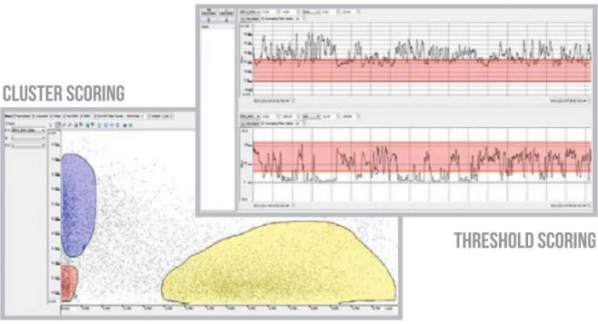
1. The gold standard for sleep research - Pinnacle's one-stop small animal sleep solutionTargeting research in areas such as animal sleep rhythms, the Pinnacle one-stop sleep monitoring and analysis system is a must-have product for popular fields such as sleep disorders, circadian rhythms, and sleep apnea. Through the recognized "gold standard" electroencephalography and electromyography (EEG/EMG) acquisition system paired with professional sleep analysis software, it enables automated sleep statistical analysis and performs a three-phase analysis of "rapid eye movement-slow eye movement-wakefulness." It has been applied by numerous brain science researchers at home and abroad to different sleep models of mice and rats, and has been cited in thousands of publications.
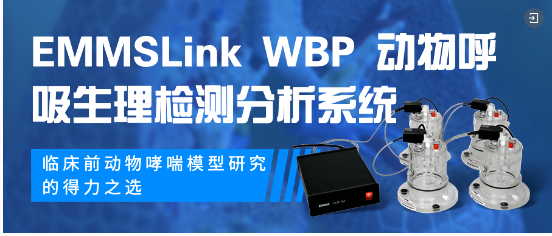
2. Sleep Apnea Statistics - EMMS Animal Non-invasive Lung Function Monitoring System
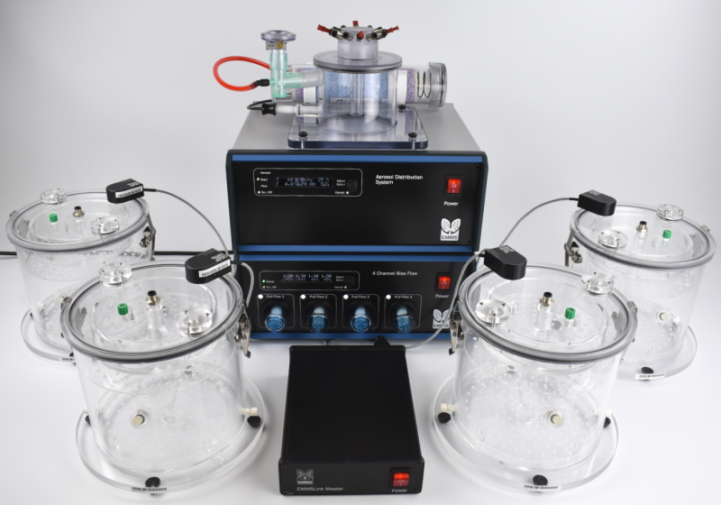
EMMS, a UK-based company, has over 30 years of experience developing animal respiratory physiology instruments for monitoring sleep apnea and other parameters. Leveraging a core patent holder for pulmonary function products, the company continuously innovates its products, earning widespread acclaim in Europe and around the world. The WBP non-invasive whole-body plethysmography system can measure parameters such as Penh (airway constriction index), the number of sleep apnea episodes, the duration of sleep apnea, the percentage of sleep apnea episodes, and the number of sleep apnea types 0, 1, and 2.
Recommended Reading
3. Real-time vital signs monitoring - MouseOx small animal non-invasive physiological monitor
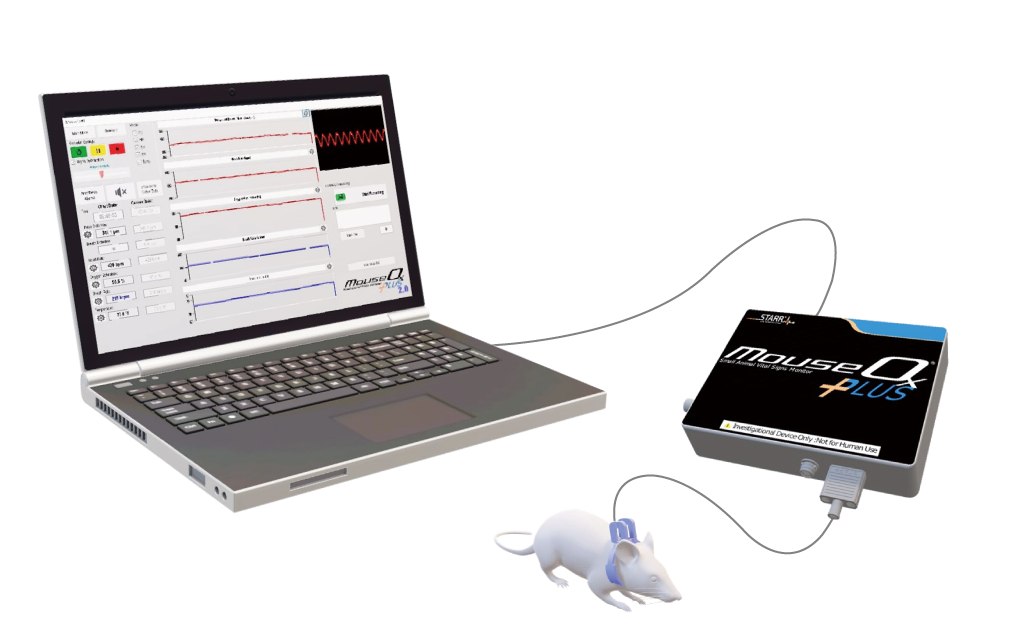
MouseOx is the world's first pulse oximeter developed by STARR, an American company, specifically for measuring the blood oxygen saturation of mice and rats. It can be used for long-term non-invasive real-time monitoring of animals in anesthesia or awake states. Through a single probe, it non-invasively monitors the blood oxygen saturation, pulse rate, respiratory rate, pulse amplitude, respiratory amplitude, activity level and rectal temperature of small animals. It supports high-throughput experiments of up to 16 animals, meeting the vital sign monitoring needs of large quantities of small animals. It has become the preferred device for non-invasive monitoring of large and small mice in laboratories around the world.
Recommended Reading