



Creating a new scientific research experience: Yuyan gas anesthesia machine - a precise anesthesia tool for small animal experiments
In animal experiments on mice and rats, in order to ensure the smooth progress of the experiment, the animals are often given general anesthesia, and general anesthesia can be further subdivided.
Different types of general anesthesia
General anesthesia can be divided into inhalation anesthesia (gas anesthesia) and injection anesthesia according to the different administration methods.Inhalation anesthesia
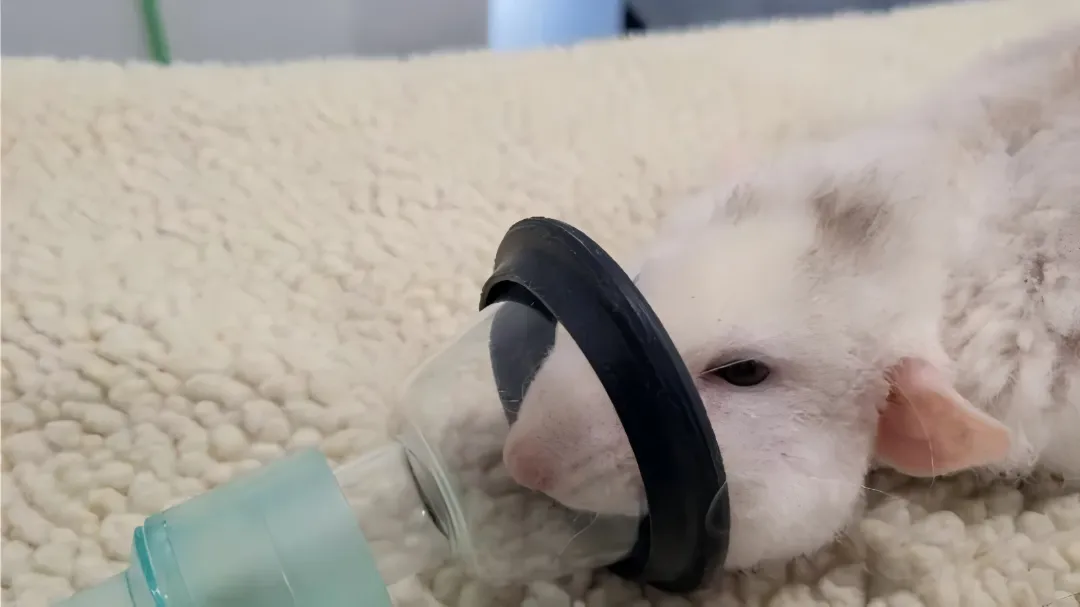
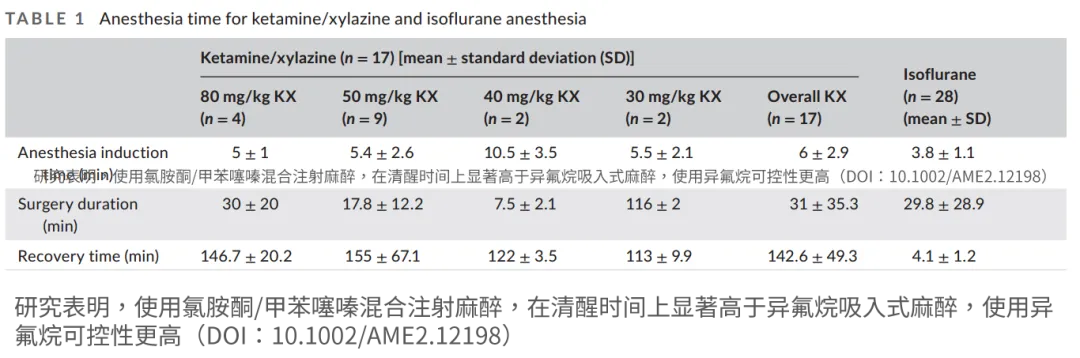
Inhalation anesthesia is a method of general anesthesia that allows the patient to inhale a volatile anesthetic gas or liquid, thereby suppressing the central nervous system and causing the body to enter an unconscious state.Inhaled anesthetics are volatile liquids or gases that enter the body through the respiratory tract and are distributed throughout the body through the bloodstream, producing an anesthetic effect ranging from shallow to deep. This type of anesthesia has a rapid onset, and the depth of anesthesia can be adjusted based on the inhaled concentration and oxygen flow, making it highly controllable.
Injection anesthesia
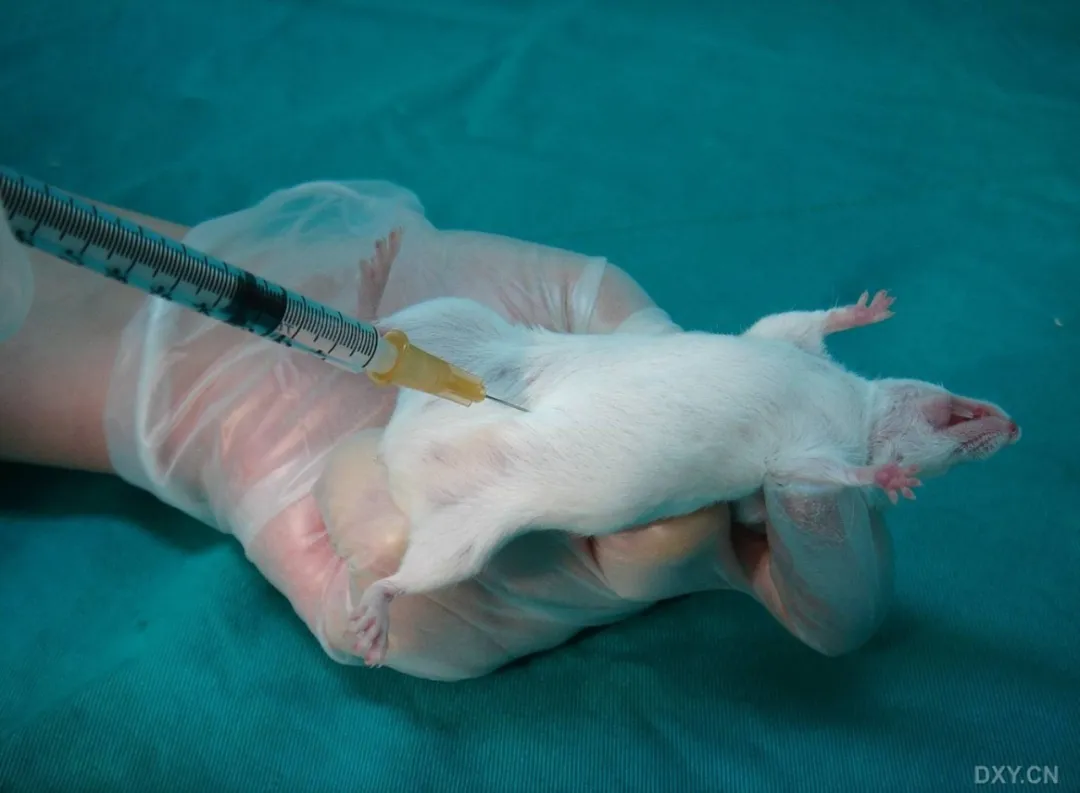
Injection anesthesia is a method of achieving anesthesia by injecting anesthetic drugs. In experiments on mice and rats, it is often done through intraperitoneal or subcutaneous injection.
The working principle of injection anesthesia is to inject anesthetic drugs into the body. The drugs are rapidly distributed throughout the body through blood circulation, acting on the cerebral cortex and nervous system, thereby inhibiting the central nervous system and causing the patient to enter an unconscious and painless state.
The selection and application of anesthesia techniques are crucial in animal experiments and surgeries. Although traditional injection anesthesia is simple to operate, it has some disadvantages, such as difficulty in controlling the depth of anesthesia, long recovery time for animals, and high metabolic burden.
In contrast, inhalation anesthesia technology has gradually become the mainstream animal anesthesia method internationally due to its advantages such as rapid onset, rapid recovery, easy control of anesthesia depth, and little impact on animal physiology.
Principles of inhalation anesthesia
The first choice for most mouse anesthesia protocols is the use of inhaled anesthetics, with isoflurane being the most commonly used. Although many of the mechanisms underlying the effects of inhaled anesthetics have not been clearly determined, isoflurane functions as an activator of gamma-aminobutyric acid and glycine receptors and an inhibitor of NMDA receptors, demonstrating its ability to both activate and inhibit related receptors.
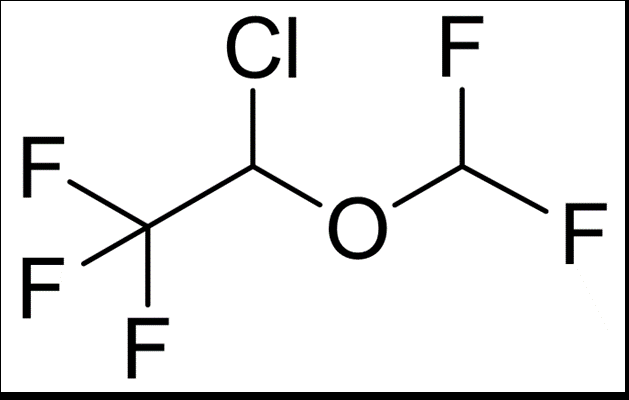
Both activation and inhibition of the relevant receptors lead to a suppression of CNS neural activity, producing the hallmarks of immobility, hypnosis, and amnesia associated with anesthesia. Because the drug acts simultaneously on multiple receptors, the dose-response curve is very steep, allowing nearly all mice to achieve a desired level of anesthesia (surgical level, no response to noxious stimuli) while very few mice reach deeper, less desirable levels (autonomic blunting or death).
Isoflurane's low blood solubility allows for rapid uptake through the alveoli and crosses the blood-brain barrier. This extremely rapid conduction rate results in rapid induction of anesthesia. When surgery is complete, the isoflurane dose (concentration/flow rate) is reduced, lowering the anesthetic concentration in the alveoli. This allows the central nervous system to rapidly eliminate the drug, which is then exhaled, resulting in rapid awakening.
However, after conventional intraperitoneal injection of anesthetic drugs, such rapid changes in central nervous system anesthesia are impossible. Many drugs need to be metabolized by the liver before they can be excreted from the body, which undoubtedly puts a huge burden on liver function.
Unique advantages of gas anesthesia
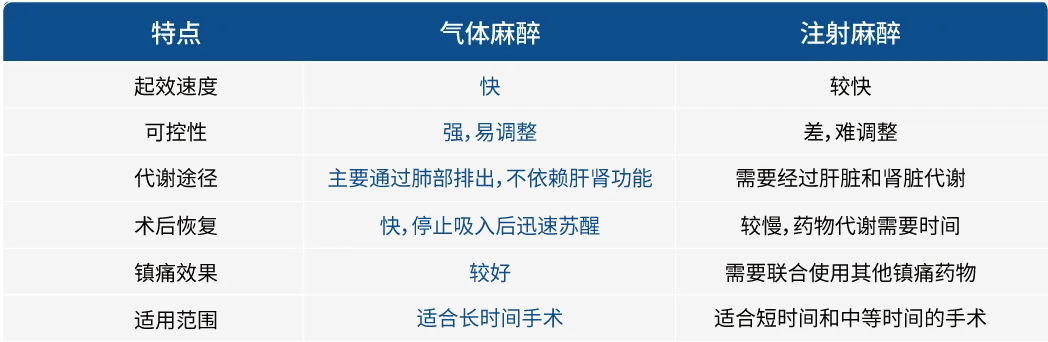
Fast onset of actionInhalation anesthesia is administered through the respiratory tract, allowing the drug to be quickly absorbed through the lungs and into the bloodstream, achieving a rapid anesthetic effect. In contrast, although injection anesthesia also works quickly, it is usually not as rapid as inhalation anesthesia.
Anesthesia depth is easy to control
The depth of anesthesia with inhalation anesthesia can be precisely controlled by adjusting the inhaled concentration and oxygen flow rate, and this can be adjusted in real time during the experiment, allowing researchers to more flexibly adjust the depth of anesthesia based on the animal's intraoperative response and surgical needs. Controlling the depth of anesthesia with injectable anesthesia, on the other hand, is more difficult and often relies on experience.
Little impact on circulation and breathing
Modern inhaled anesthetics, such as isoflurane, have mild depressant effects on circulation and respiration, and their recovery is rapid. This allows the animal to maintain a relatively stable physiological state during surgery, reducing the risk of complications. Injectable anesthetics, on the other hand, may have a certain depressant effect on the heart and blood pressure, potentially affecting the animal's normal physiological state.
Fast recovery after surgery
After inhalation anesthesia ceases, the drug is rapidly excreted through the lungs, allowing the animal to regain consciousness quickly. This helps shorten postoperative recovery time and is consistent with animal welfare. Injectable anesthetics, on the other hand, require metabolism in the liver and kidneys before being excreted, resulting in a relatively longer recovery time.
Little impact on liver and kidney function
Inhaled anesthetics are not metabolized by internal organs and therefore have minimal effects on organs such as the liver and kidneys. This can reduce the risks associated with anesthesia. Injectable anesthetics, on the other hand, rely on liver and kidney function for metabolism, potentially posing risks to model animals with compromised liver and kidney function.
Yuyan Gas Anesthesia Machine - Assisting Small Animal Gas Anesthesia
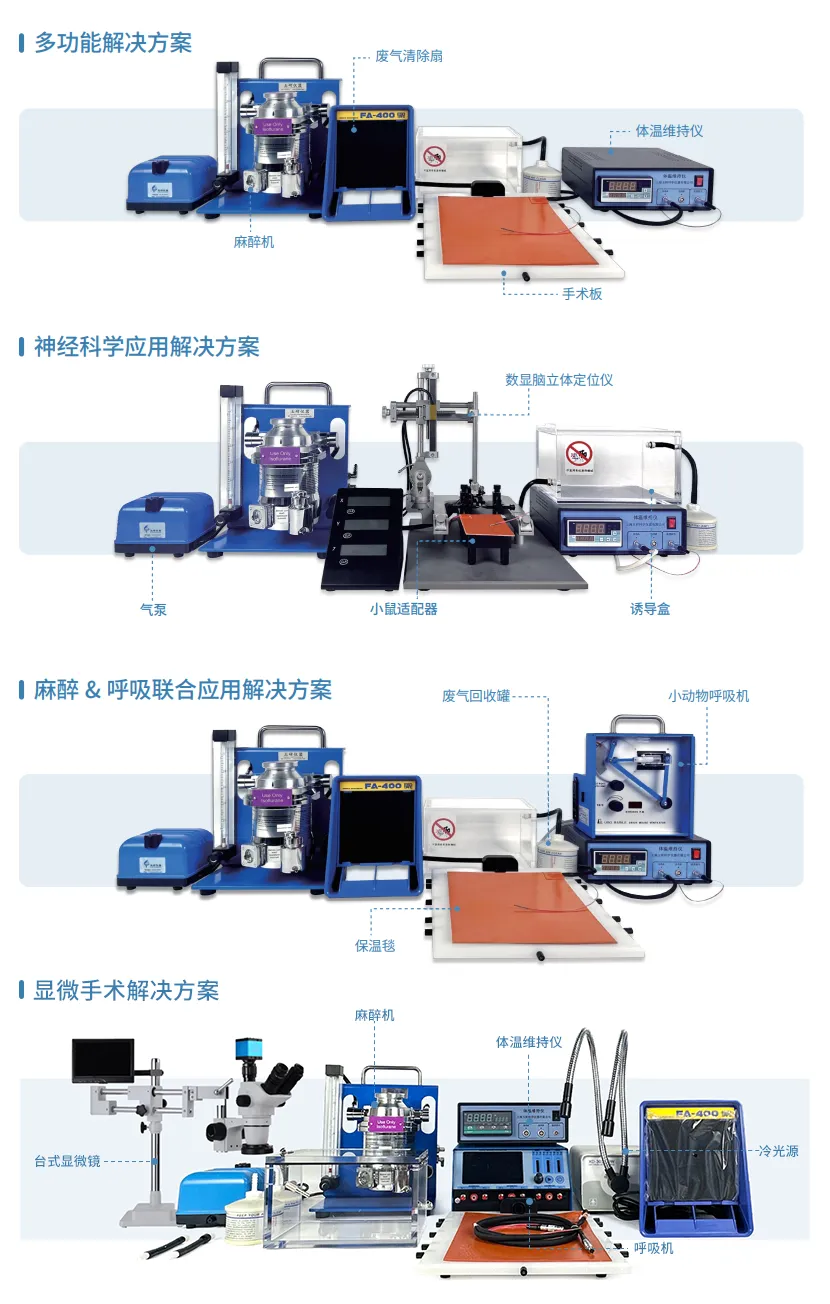
Gas anesthesia has many advantages, but if you want to fully utilize the advantages of gas anesthesia, you cannot rely on cotton wool dipped in ether for anesthesia. An anesthesia machine that can perform gas anesthesia accurately and quickly is essential.To meet the diverse needs of animal research, Yuyan Instruments has developed a variety of anesthesia machines suitable for different environments, along with related air pumps, induction boxes, anesthesia masks, and waste gas treatment devices, providing a complete set of small animal gas anesthesia solutions that are simple to operate, safe, and reliable.
ACS series anesthesia machine
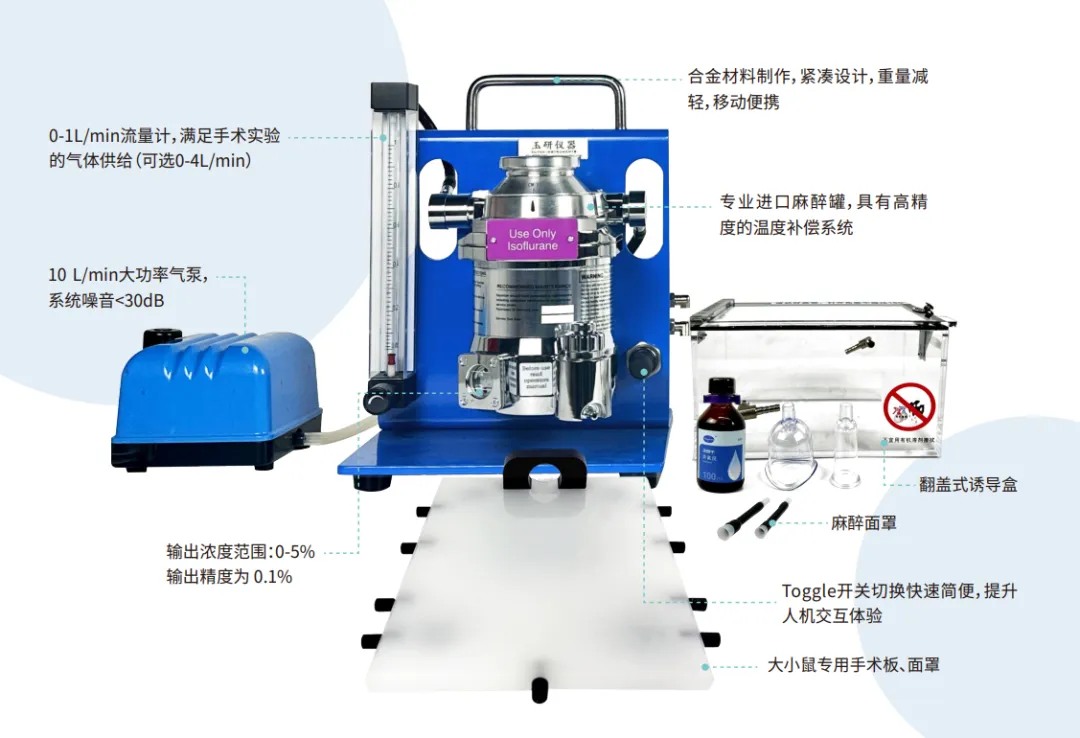
Yuyan's ACS series anesthesia machines are widely praised by users for their compact design, space-saving laboratory operating space, temperature compensation, and precise control of anesthetic concentration. Regardless of the experimental environment, the ACS anesthesia machine can maintain a stable flow rate and concentration to protect your animals, and has a variety of configuration solutions to meet a variety of different experimental needs.
The ACS series anesthesia machines include vaporizers, airflow meters and other accessories to meet the anesthesia needs of independent and concise spaces.
Separate multi-channel series
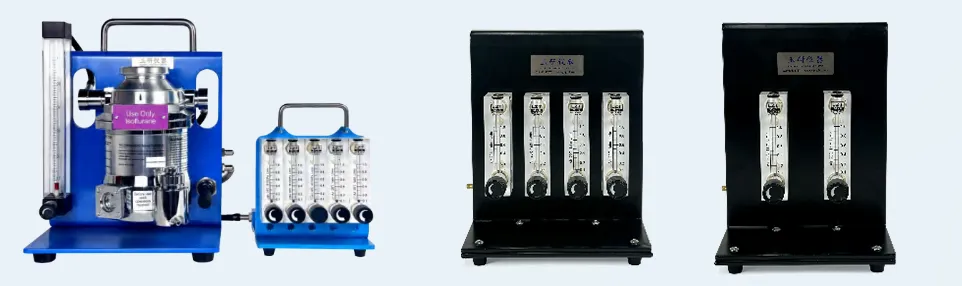
The multi-channel anesthesia machine is equipped with multi-channel pipelines, which can be freely matched to meet the needs of multiple groups of experiments at the same time. The channels are replaceable and can be transformed into a multi-channel anesthesia machine using five/four/two-channel gas circuits.
Integrated multi-channel series
The integrated multi-channel anesthesia machine can perform experiments on multiple animals simultaneously and has a rapid oxygenation function to quickly remove anesthetic gases.
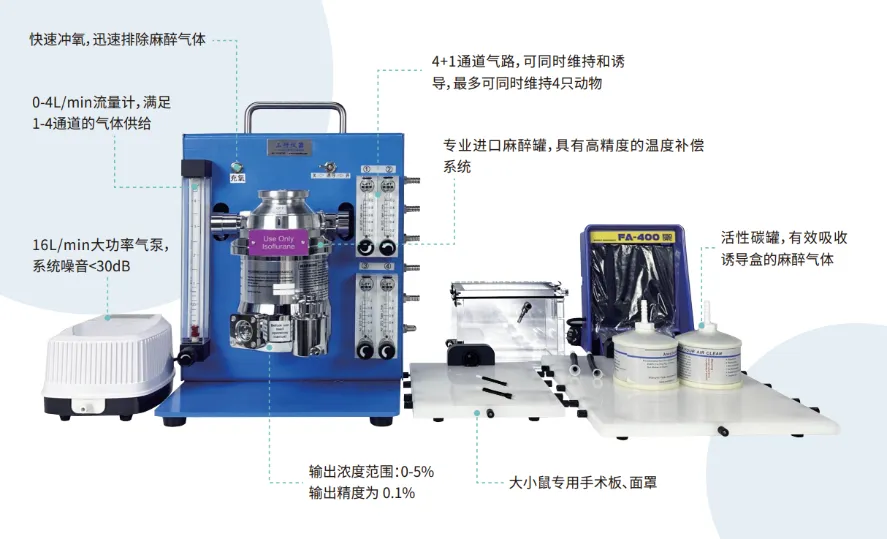
Features
Stable output, safe and reliableThe vaporizer has high-precision temperature compensation function, output accuracy of ±0.1% (better than domestic ±0.2%), precise control, stable output and good airtightness.
Precise control and easy observation
Precise gas flow meter with an adjustment range of 0-1000 mL/min, suitable for low-flow anesthesia of small animals. It has a digital amplification function and can be upgraded to a 0-4000 mL flow meter for larger animals.
Stable performance and easy to use
It is quick to assemble, requires few operating steps, and can quickly and accurately control the depth of animal anesthesia, allowing you to quickly start experiments without complex training.
Widely applicable and highly expandable
It is suitable for inhalation anesthesia of mice, rats, guinea pigs, rabbits, monkeys and other animals. It can be equipped with multi-channel expansion components or use an integrated system to conduct multiple experiments simultaneously.
Compact design, improved utilization
The more compact structure design saves desktop space and facilitates instrument transportation.
Inhalation anesthesia application plan