




Animal Guardian | How IVC Cages Improve the Quality of Life of Laboratory Animals
Animals have always accompanied the continuous progress and development of human society. The prosperity of modern human society is inseparable from the proper use of animals. However, while humans view animals as "partners" who contribute to their own rise, they often overlook their living environment and inner feelings. Compared to the long history of mankind, attention to animal welfare has only been around for a little over a century.
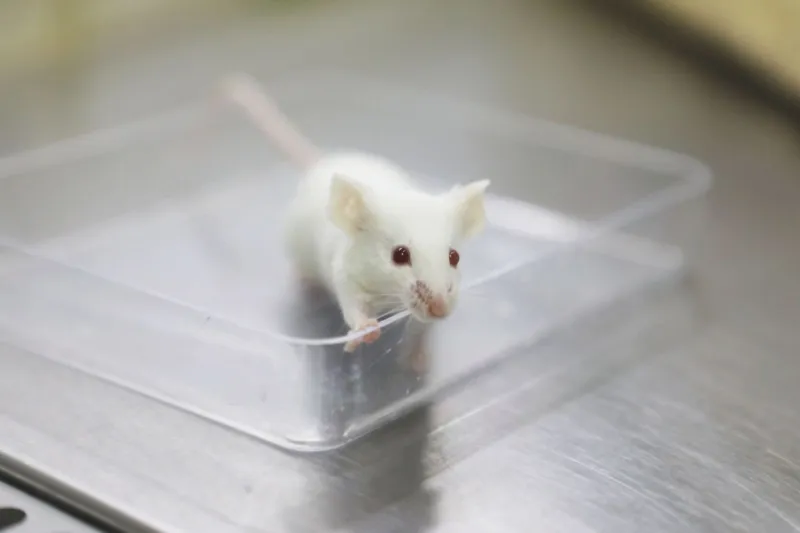
In 1959, William Moy Stratton Russell and Rex Leonard Burch formally proposed the 3R principles of experimental animal welfare for the first time in their book "The Principles of Humane Experimental Technique", namely replacement, reduction and refinement.The introduction of this principle has laid a solid theoretical foundation for the welfare of experimental animals and also marks that human ethical considerations for the use of experimental animals have reached a new height.
Laboratory animals, serving as the touchstones of life science research, quality inspectors of biological product production, and gatekeepers of pharmaceutical testing, shoulder the heavy responsibility of replacing humans in experimental research. The emergence of these specialized animals has not only promoted scientific research but also prompted deeper reflection on how to ensure the full respect and protection of animal welfare while using them.
National standards for laboratory animal husbandry requirements
The National Standard of the People's Republic of China GB14925-2010 "Laboratory Animal Environment and Facilities" stipulates the minimum space required for the housing of commonly used experimental animals. It stipulates that mice in groups need a floor area of at least 0.0042m2 and a cage height of 0.13m (see the table below for more animal information).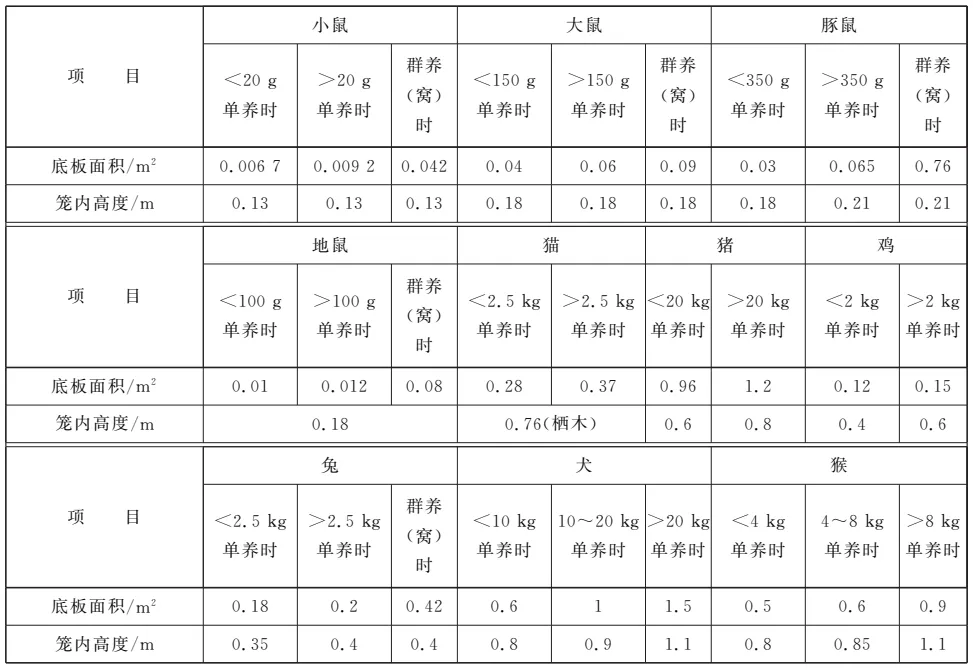
At the same time, the standard stipulates relevant standards such as temperature, relative humidity, and air flow velocity in cages in experimental animal production rooms, providing a reliable basis for the breeding of experimental animals in accordance with animal welfare.
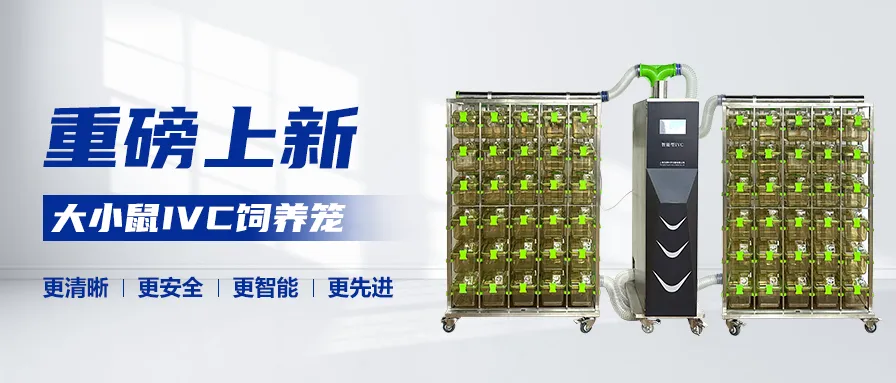
The emergence of the Individually Ventilated Cage (IVC) is the result of a deep consideration of animal welfare while pursuing scientific progress. It provides a more comfortable living environment for experimental animals, effectively reduces experimental management and energy costs, and ultimately promotes the smooth and effective completion of research.
Improving animal welfare in IVC cages
Yuyan Instruments' IVC cages strictly comply with relevant international standards and national standards such as GB14925-2010 "Experimental Animal Environment and Facilities". Through a series of design and technical means, they significantly improve the welfare of experimental animals and at the same time improve the reliability and accuracy of animal experimental data.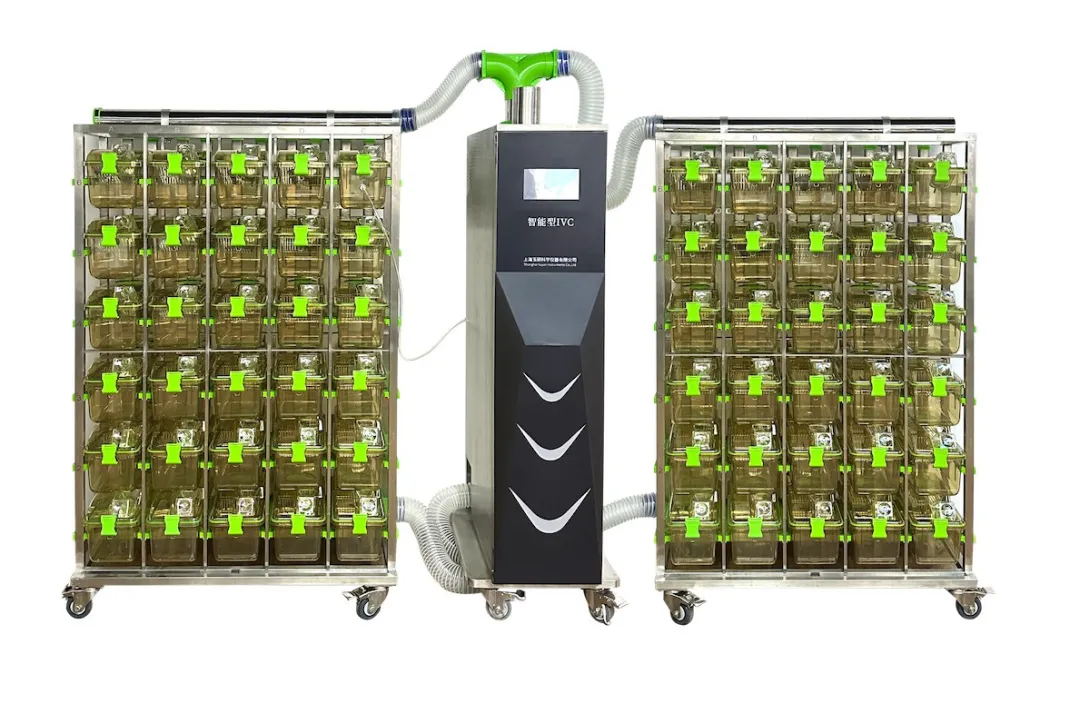
Yuyan Instruments' IVC cages are designed specifically for laboratory animals, ensuring excellent ventilation and cleanliness. Made of safe and non-toxic materials and featuring a scientifically designed structure, they provide a comfortable living environment while facilitating daily management and observation. The equipment can be used to maintain an SPF (Specific Pathogen Free) clean environment for animal care, ensuring the health of laboratory animals.
01. Provide a clean and stable breeding environment
1. High efficiency filtration system:
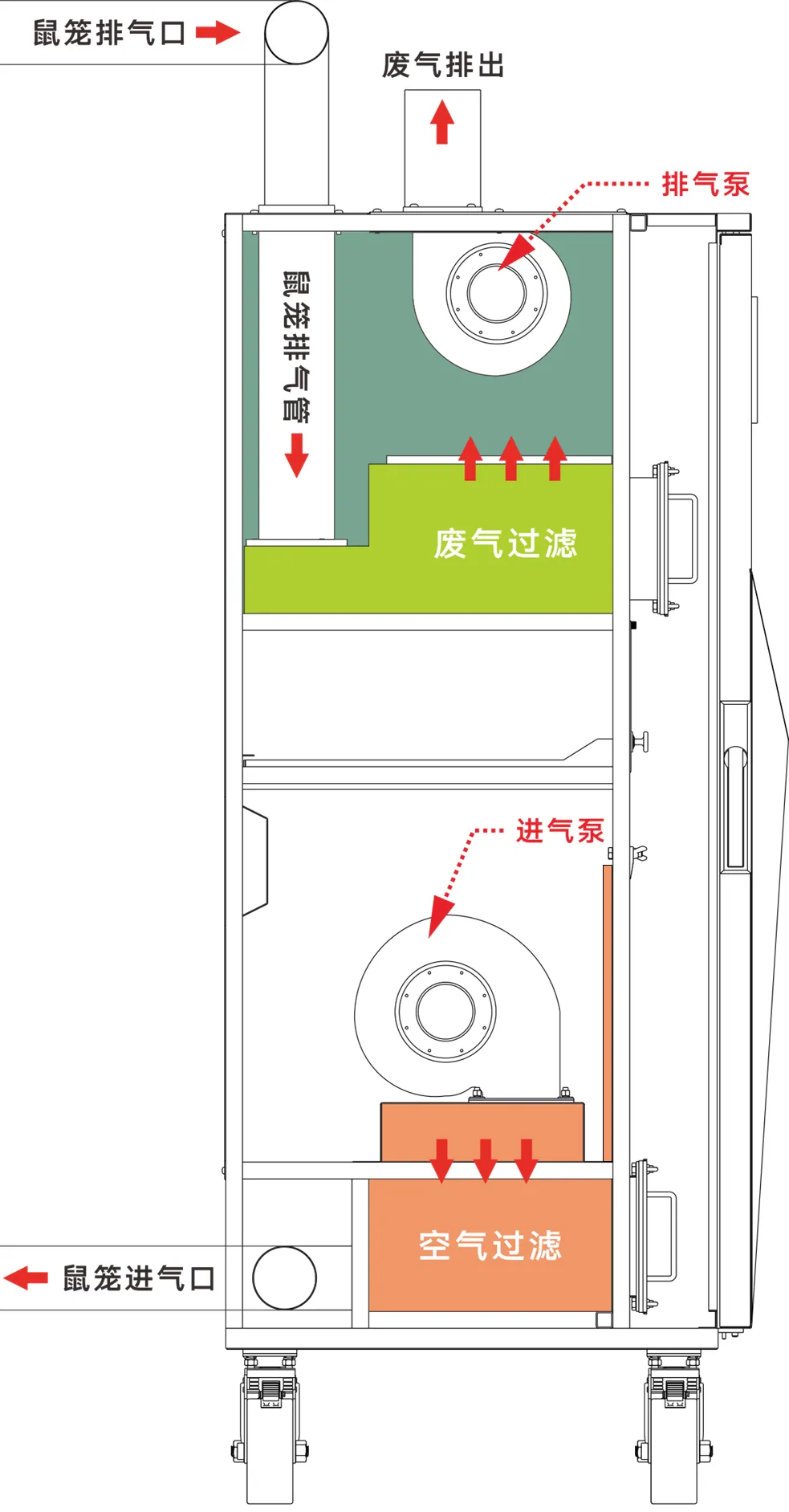
IVC cages use an independent air filtration system to provide filtered clean air to each cage. This effectively removes harmful substances such as microorganisms and dust in the air, reducing the risk of animal disease.
2. Independent loop:
The air in each cage circulates independently, and the exhaust gas is discharged centrally, avoiding cross contamination between different cages;
3. Stable environment:
The IVC system can maintain the stability and consistency of the environment inside the cage, including temperature, humidity, air circulation, etc., providing a comfortable living environment for animals.
02Reduce stress and distractions
1. Low noise design:
The centralized air supply combination design of the IVC system reduces noise in the animal living environment and reduces abnormal stimulation to the animals;
2. Reduce human interruptions:
The design of the IVC cage reduces the number of times the cage box is opened, thereby reducing the frequency of human disturbance of the animals, which meets the requirements of animal welfare;
3. Life window design:
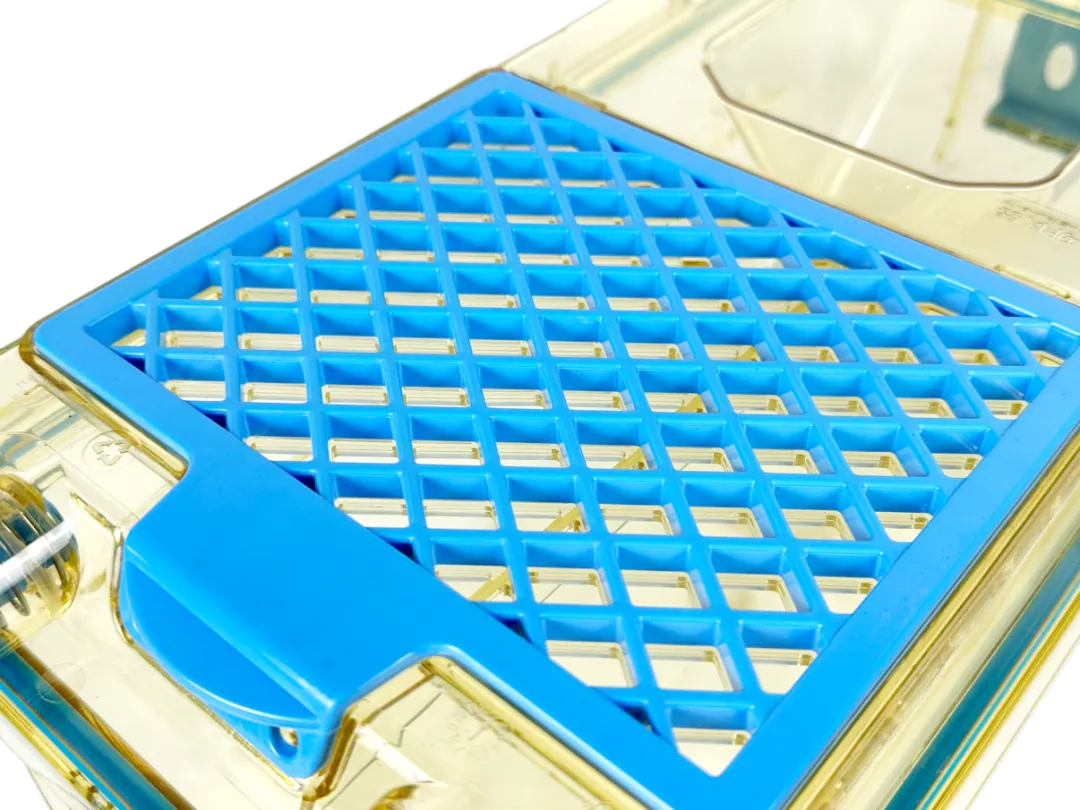
The IVC system cages are equipped with a "life window" that can ensure the safety of animals for a certain period of time and reduce their stress response in extreme situations (such as leaving the cage or power failure of the entire machine).
03Improve feeding efficiency and management level
2. Efficient cleaning and disinfection:
3. Intelligent management:
04Conform to the natural needs of animals
1. Comfortable space:
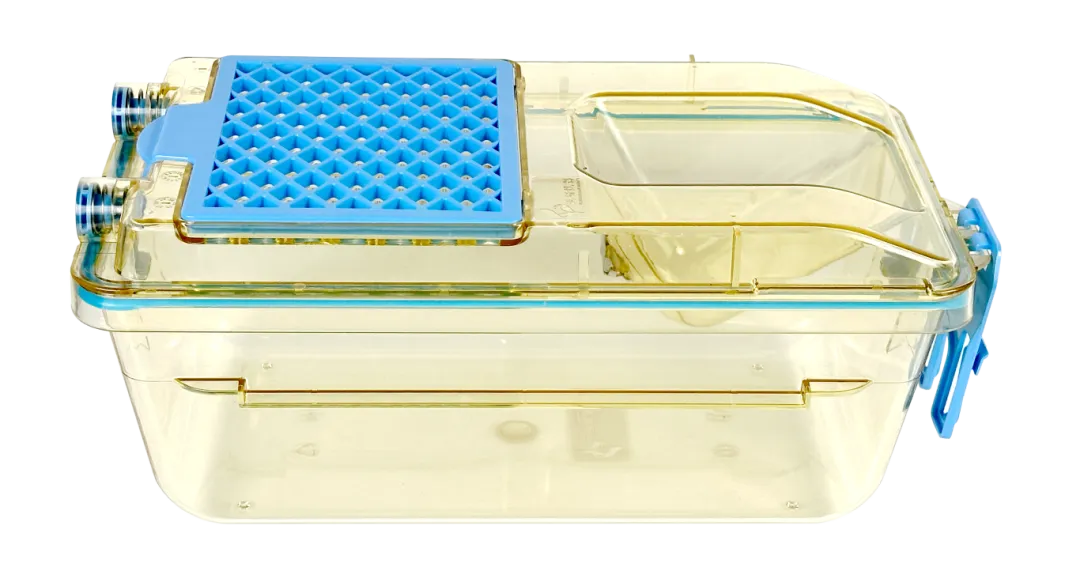
Yuyan Instruments' new cage box has a larger bottom area to expand the animal's activity space
Based on a deep understanding of scientific research needs and animal welfare trends, Yuyan Instruments has launched a newly designed IVC cage. This cage inherits all the advantages of the previous generation of traditional IVC cages while significantly optimizing the animal's activity space. Its larger activity area and more user-friendly design elements provide experimental animals with a richer and more diverse living experience and space for exploration.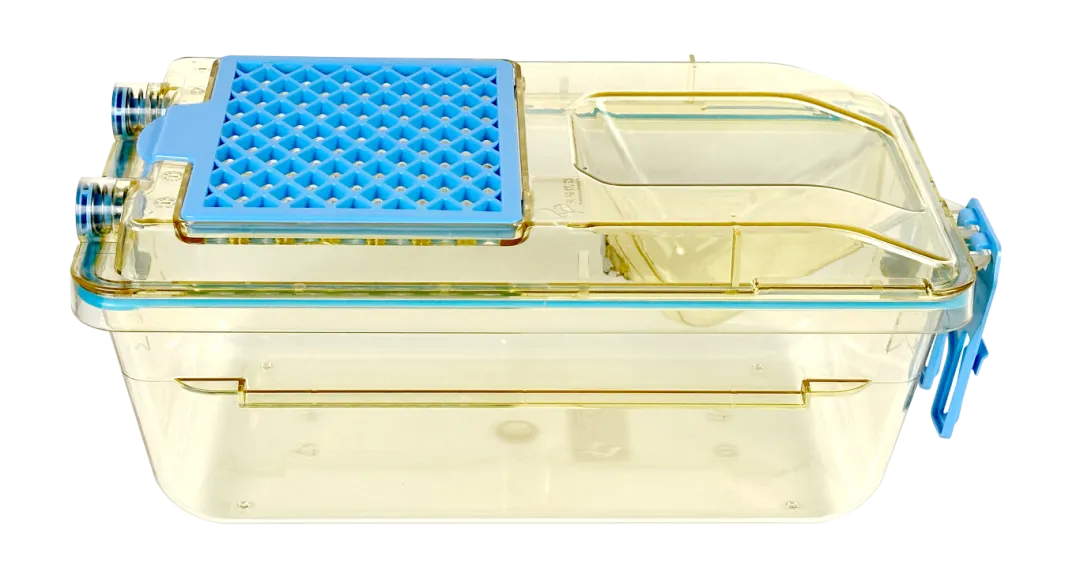
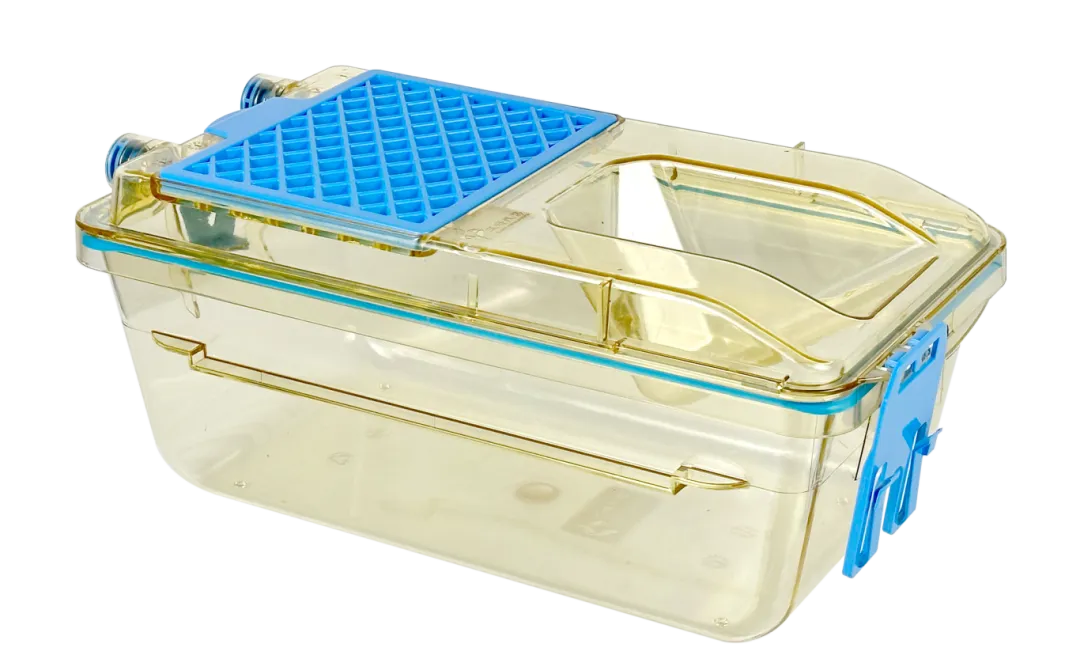
01. Increase the bottom area of the cage
02. Extra-large life window design
The top of the cage is equipped with a large square life window, up to 180cm2, which effectively prevents animals from suffocating in extreme situations (such as leaving the cage or power failure). The life window is covered with a microbial filter membrane, which can filter microorganisms with a high efficiency of 0.2μm.
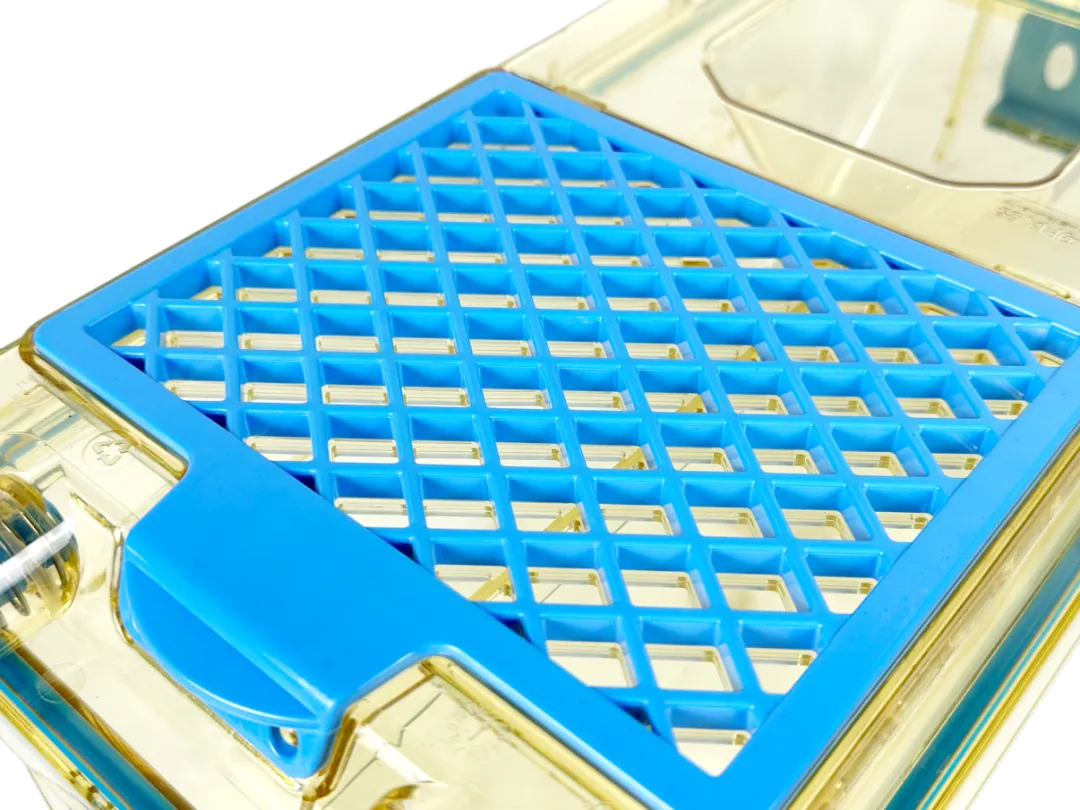
03.Side-shift label hanger
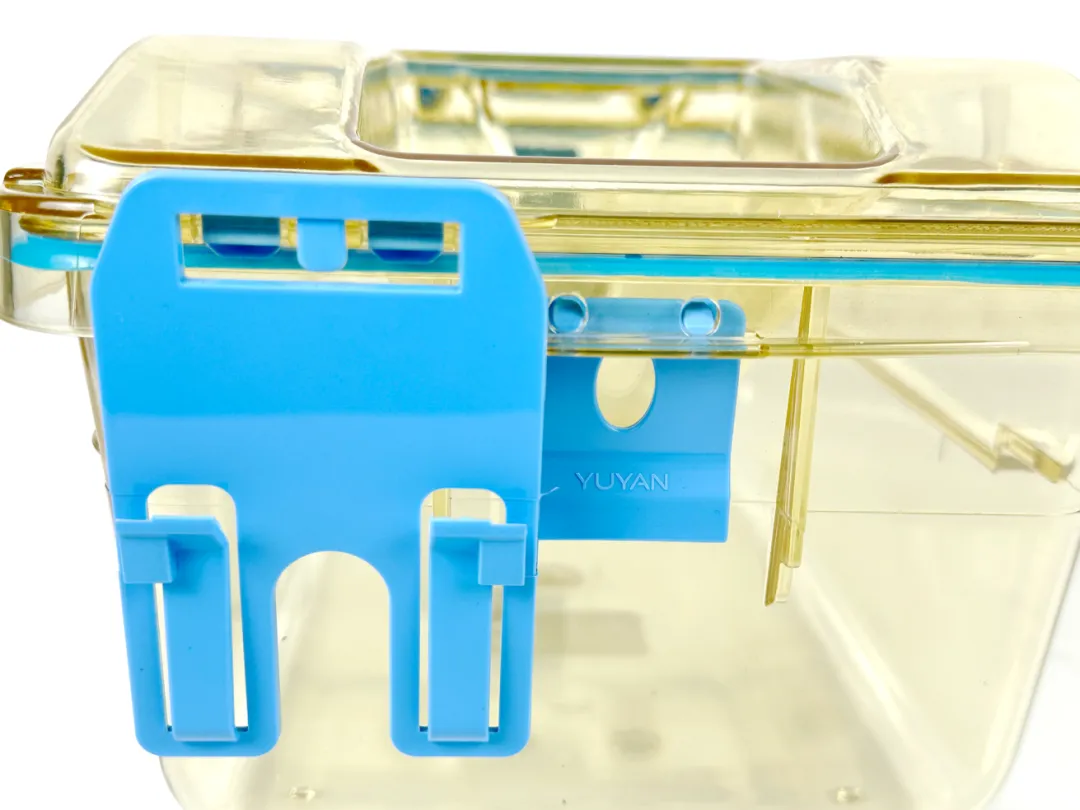
The buckle is a push-type design, which can be unlocked with just a light press. It can be operated with one hand, and one person can easily pick up the animal without the help of others.
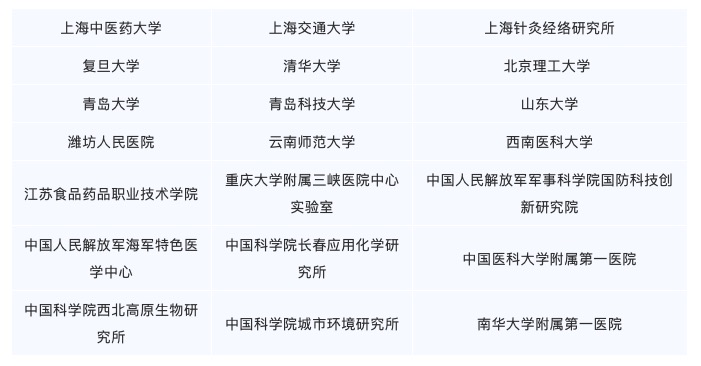
User List
Further Reading
Technical Analysis | How IVC Cages Protect Your Animals' Health
Self-developed core creates extraordinary strength
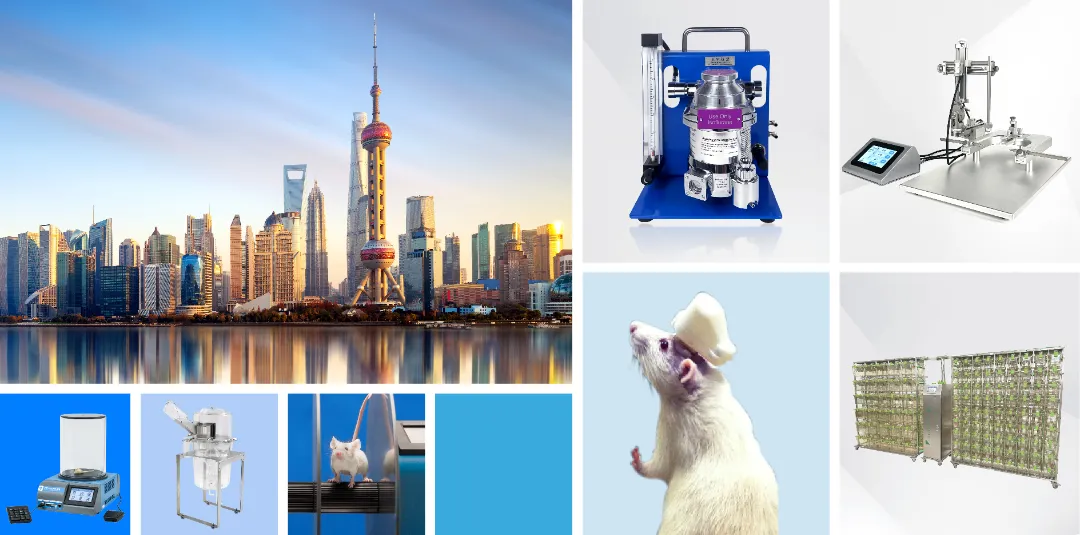
Shanghai Yuyan Scientific Instrument Co., Ltd., as a leading manufacturer of scientific research equipment in the industry, has been adhering to the core concept of "innovation drives development, and self-research creates quality" for 14 years since its establishment in 2010. It is committed to the independent research and development and production of scientific instruments. Its current product line covers multiple scientific research and application fields such as experimental animal husbandry, physiological signal acquisition, and neuroscience research. Not only does it continuously optimize and upgrade conventional instruments, but it also dares to explore cutting-edge technologies and has launched a series of high-end scientific instruments with independent intellectual property rights.
R&D personnel account for 40% of the company, and it has a team of scientists in sensors, chip design, core algorithms, etc. There are professional teams to provide support in product implementation and operation, market and academic promotion, comprehensive product solution design and application. The company has service points covering the whole country and strong technical service capabilities. Its customers include Tsinghua University, Peking University, Zhejiang University, Shanghai Jiaotong University, University of Chinese Academy of Sciences, West China Hospital of Sichuan University, Northern Theater Command General Hospital and other first-class domestic and foreign research institutions and hospitals.