




Solving the Problem of Long-Term Drug Delivery: Innovative Breakthroughs in Capsule Pumps and Awake Drug Delivery Systems
1. Fluctuation in blood drug concentration: The difference between peak and trough drug concentration after a single injection can be as much as 5-8 times, affecting the accuracy of drug efficacy assessment;
2. Stress interference: Continuous intraperitoneal injection leads to a continuous increase in cortisol levels, which may mask the true effect of the drug;
3. Operational limitations: Dosing at a fixed time each day makes it difficult to conduct circadian rhythm studies, and nighttime operation can easily result in data loss;
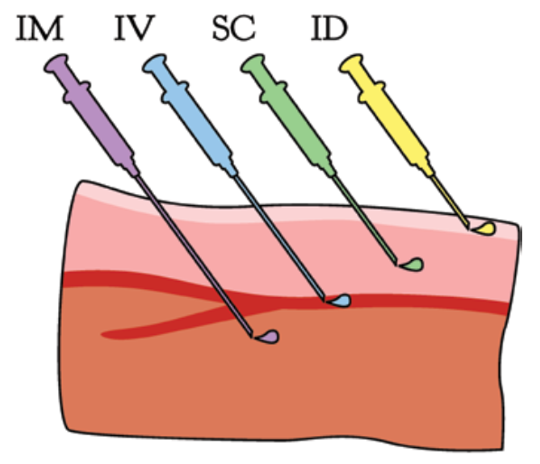
How to solve these problems? Two innovative technologies have emerged: capsule pumps and conscious drug delivery systems.
Osmotic-driven capsule pump: a miniaturized sustained drug delivery engine
01Innovation Principle
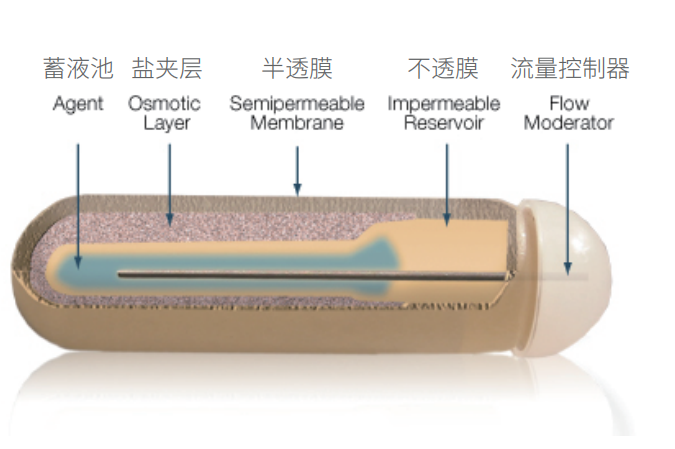
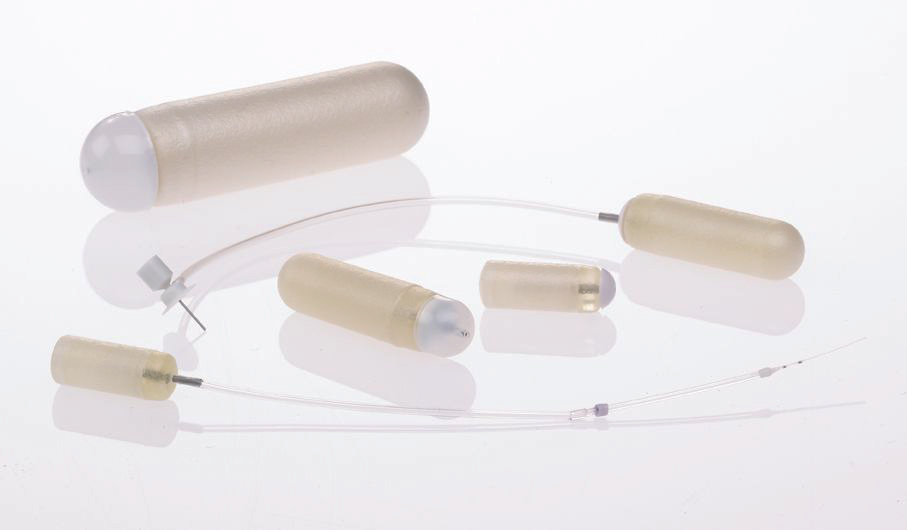
The core of the capsule pump lies in its dual-chamber osmotic pressure drive system:
1. Drug storage cavity: can accommodate 0.25-2mL drug solution, using medical silicon capsule to ensure biocompatibility;
2. Osmotic drive chamber: This device encapsulates hypertonic sodium chloride crystals and controls the water permeation rate through a semipermeable membrane. Once implanted, tissue fluid enters the drive chamber through the semipermeable membrane, generating pressure that pushes the piston in the reservoir to release the drug at a uniform rate. Combined with a drug delivery catheter, this device allows for stable infusion for up to six weeks.
Compared with traditional injections, this technological breakthrough is reflected in:
2. Long-term stability: A single implant can maintain drug release for several days to weeks, reducing the interference of frequent operations;
3. Low toxicity and side effects: The drug is continuously released at low doses to reduce the risk of toxic side effects.
02 Literature Application
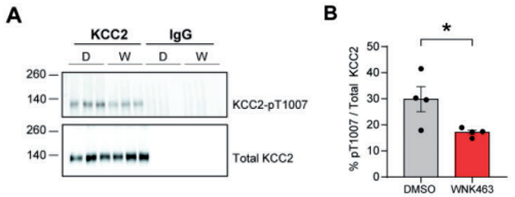
This operation verified the feasibility of targeted regulation of the KCC2 phosphorylation pathway in anti-epileptic treatment. This study demonstrated the core value of capsule pumps in targeted drug delivery to the central nervous system: through miniaturized and long-term precise intervention, it provides a reliable tool for translational medicine research exploring ion homeostasis regulators (such as KCC2 enhancers).
Awake drug delivery system: an “invisible infusion device” for free activities
01Technical Principle
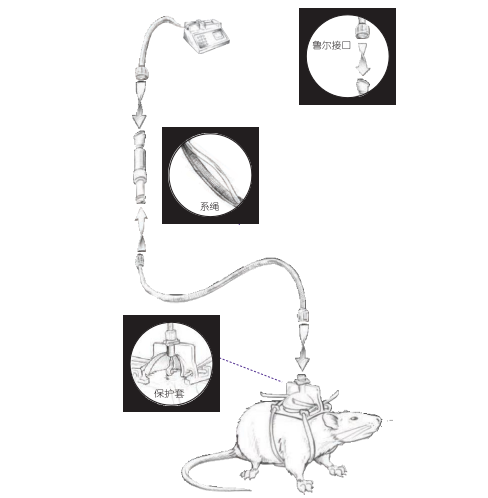
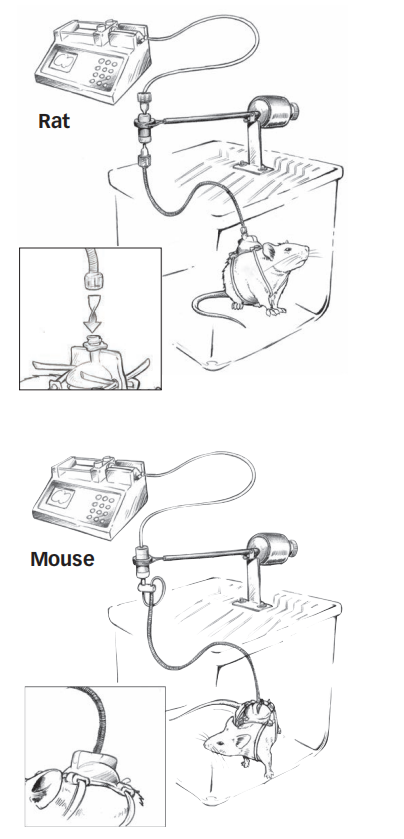
The core concept of the awake drug delivery system is "unrestrained drug delivery," which means achieving precise drug delivery and real-time sample collection while the animal is freely moving. Its core components include:1. Implantable catheters: Made of biocompatible materials (such as polyurethane or silicone), they can be implanted in animals for long periods of time and connected to target tissues (such as veins, ventricles, or abdominal cavity);
2. Microinjection pump: achieves continuous or intermittent drug delivery by precisely controlling the flow rate;
3. Rotating balance arm: connects the catheter to the injection pump to ensure that the infusion line will not be entangled or fall off when the animal moves freely.
Compared with traditional drug delivery methods, this technology has the following advantages:
1. Unrestrained design: Animals receive medication while they are free to move, which reduces stress responses and improves the reliability of experimental data;
2. Precision drug delivery: A microinjection pump combined with an implantable catheter enables precise drug delivery and flow monitoring;
3. Long-term experimental support: The system is designed to support long-term experiments of several weeks or even months to meet the needs of chronic disease research and pharmacokinetics;
4. Wide applicability: Applicable to multiple fields such as neuroscience, cardiovascular research, pharmacokinetics, etc., providing flexible experimental tools for scientific research.
02 Literature Application

The SAI awake drug delivery system integrates continuous infusion, automated blood sampling, and multimodal physiological monitoring, providing a high-dimensional data platform for drug toxicity mechanism research. Compared to traditional terminal experiments, this system reduces animal use by 81% (n=8 vs. n=43) while enabling intra-individual time series analysis, significantly improving data reliability. This model is particularly suitable for early risk prediction and cross-organ toxicity assessment of nephrotoxic drugs.
Professional product solutions that precisely match scientific research needs
Based on core technology breakthroughs, Yuyan Instruments provides the following two major product systems to directly address the pain points of long-term drug delivery research.01ALZET® Capsule Pump System: A long-lasting and stable miniaturized solution
Core Advantages
1. Ultra-long battery life: 3-42 days of continuous drug administration, meeting the research cycle requirements of chronic disease models;
2. Precise targeting: Equipped with ventricular/spinal cord/tumor catheter systems, local drug concentration can be increased by 8-12 times compared to intravenous injection;
3. Animal compatibility: Suitable for 30g mice to 500g rats, special models support rabbits, guinea pigs, etc.
4. Drug adaptation: Continuous infusion of protein/peptide drugs to avoid the peak and valley effect of traditional injections.
Technology extension advantages
1. Zero power consumption design: Osmotic pressure drive does not require an external power supply and is suitable for real-time monitoring scenarios such as MRI/PET imaging.
2. Temperature self-regulation: The flow rate is automatically calibrated in the 37°C in vivo environment, and the flow rate fluctuation is <5% when the temperature difference is ±2°C (better than the 15%-20% of mechanical pumps).
02Awake and Freely Moving Drug Delivery System: A Complete Tool Chain for Dynamic Studies
Core Advantages
2. Multi-species compatibility: Covering mice (≥30g) to pigs, the catheter diameter is 0.3-1.2mm and can be customized to meet vascular/tissue targeting needs;
3. High-precision infusion: pulsation-free pump 0.1-500μL/min (error ±2%), supporting step/pulse/circadian programming;
4. Sealing and leak-proof: The Luer lock design has a leakage rate of <0.1μL/min (90% lower than the traditional one), saving 75% of operation time;
5. Dynamic sampling: Omni protection belt supports free movement blood collection (error ± 5%), simultaneous infusion and sampling;
6. Sterile protection: Antibacterial protection tape reduces contamination risk by 80% (contains 70% isopropyl alcohol seal, GLP certified).
Summary and Outlook: Technological Innovation to Break the Long-Term Drug Delivery Dilemma
The key to solving the problem of long-term drug delivery lies in achieving a balance between accuracy, stability, and animal welfare through technological innovation.The coordinated development of capsule pumps and conscious drug delivery systems provides two core values for biomedical research:Breakthrough in scientific dimension
2. Clear pathological mechanisms: Dynamic monitoring in the awake state (such as heart rate, blood pressure, and neuroelectrophysiology) combined with targeted drug delivery supports systematic research on multi-organ interaction networks and provides high-dimensional data support for the analysis of complex disease mechanisms.
Translational medicine
1. Speed model optimization: The capsule pump's long-term controlled release (6 weeks ± 3 days) matches the research cycle of chronic diseases, and the unrestrained design of the awake system (range of motion ≥ 50 cm × 30 cm) is closer to human physiological conditions, significantly improving the clinical conversion rate of drug toxicity prediction and efficacy evaluation;
2. Ethical and Efficiency Enhancements: These two technologies simultaneously achieve the dual goals of improving research efficiency and ensuring animal welfare by reducing the frequency of procedures (single implantation instead of daily injections) and the number of animals used (down 81%).