




Pulse oximeter - a reliable tool for accurately solving the problem of non-invasive and continuous monitoring of blood oxygen saturation in small animals
How can we achieve non-invasive, continuous, and accurate blood oxygen monitoring in small animals? The MouseOx pulse oximeter is the answer.
Difficulties of Traditional Blood Oxygen Monitoring in Small Animals
01. Size limitation and difficulty in signal captureExperimental animals such as mice and rats have slender limbs, and traditional oximeter sensors are too large to fit stably. This results in insufficient penetration depth of the light signal, making it susceptible to motion interference during measurement and causing drastic data fluctuations.
02. Lack of continuity in dynamic experiments
Arterial blood sampling requires repeated punctures. A single mouse can tolerate a maximum of 3-4 blood draws, and the interval between each draw must be greater than 30 minutes to restore blood volume. This makes it impossible to capture the instantaneous blood oxygen changes in the acute hypoxia model. The data is "fragmented" and it is difficult to construct a complete time curve.
03. The "double interference" of anesthesia and stress
Deep anesthesia may inhibit respiratory and circulatory functions, leading to a non-physiological decrease in blood oxygen levels; while light anesthesia or restraint operations will cause the animal to struggle, a surge in heart rate, and changes in local blood flow, which will mask the true oxygen metabolism state and form a "measured value - actual value" deviation.
04. Conflict between ethics and efficiency
High-frequency blood sampling requires repeated modeling of a large number of experimental animals, which increases the difficulty of ethical approval; and the calibration of traditional optical equipment is time-consuming (such as the spectrophotometer needs to be preheated for 30 minutes), which seriously slows down the progress of the experiment.
Take the study of chronic hypoxia-induced pulmonary hypertension as an example: A traditional protocol involved 10 rats per group, with blood drawn every 48 hours for four weeks. This required the sacrifice of 80 animals, took 560 hours, and yielded only 56 data points. Limitations included the inability to capture natural nocturnal fluctuations in blood oxygen levels, and the premature elimination of 20% of the animals due to complications from blood collection, which reduced confidence in the conclusions. The sensor technology and adaptive algorithm of MouseOx pulse oximeter are the "breakthrough weapon" that directly addresses these pain points.
01. Micro precision, suitable for small animals
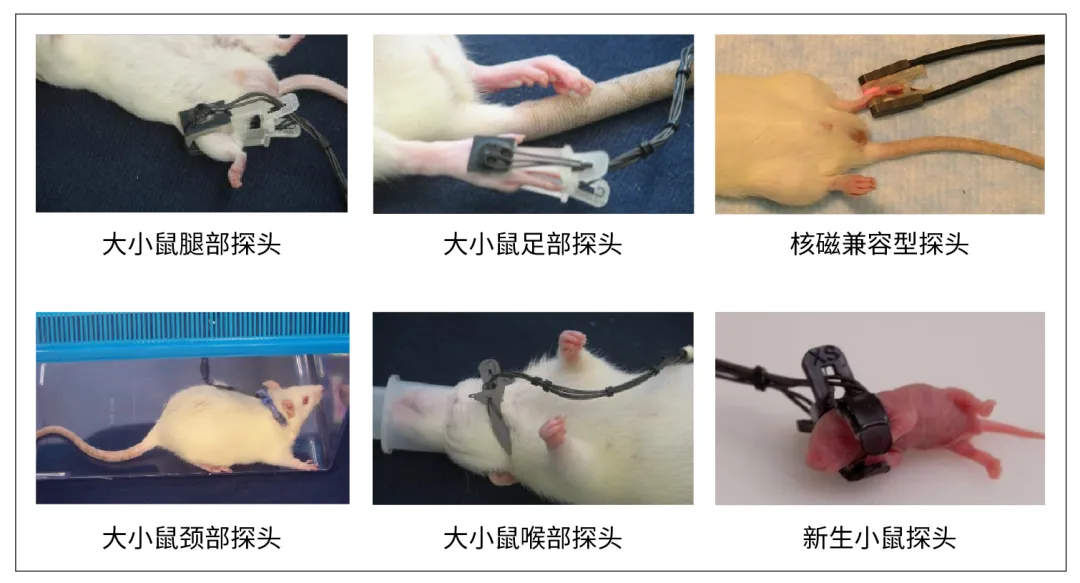
Micro sensors designed specifically for mice and rats (neck, throat, legs and feet) fit tightly to their slender limbs. Combined with an anti-motion interference algorithm, the instrument allows the instrument to more accurately monitor the heart rate, saturation (SpO2), respiratory rate, respiratory amplitude and pulse amplitude of small animals in the awake and active state.
02. Dynamic continuous monitoring to capture instantaneous changes
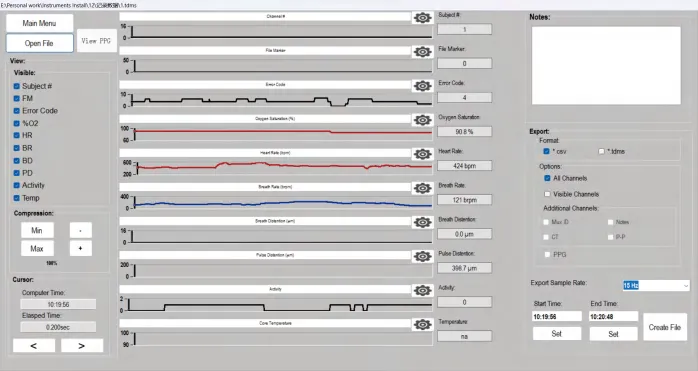
It supports high-frequency sampling at 300 Hz per second and 24-hour continuous recording, accurately capturing sudden drops in blood oxygen within 10 seconds in models such as myocardial ischemia and acute hypoxia, and generating a complete time-blood oxygen curve, replacing the fragmented data of traditional single-point blood sampling.
03. Non-invasive and anti-interference, the data is true and reliable
The anesthesia-free and surgery-free design reduces physiological interference, and the anti-motion algorithm ensures an error of <±1.5% when the animal struggles slightly. It is highly correlated with arterial blood gas analysis (r²>0.97), truly reflecting the dynamics of oxygen metabolism under anesthesia, disease, or drug intervention.
04. Ethical and efficient, accelerating scientific research progress
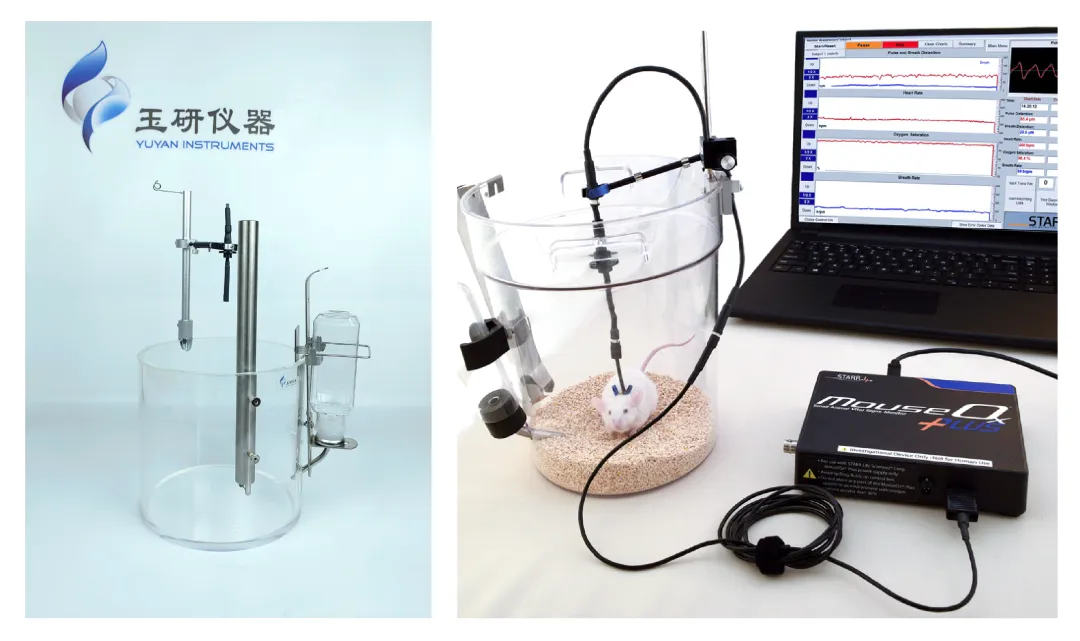
Reduce the use of experimental animals by 50%, complying with ethical principles and international review standards; expandable multi-channel synchronous monitoring, significantly optimizing experimental cycle and cost.
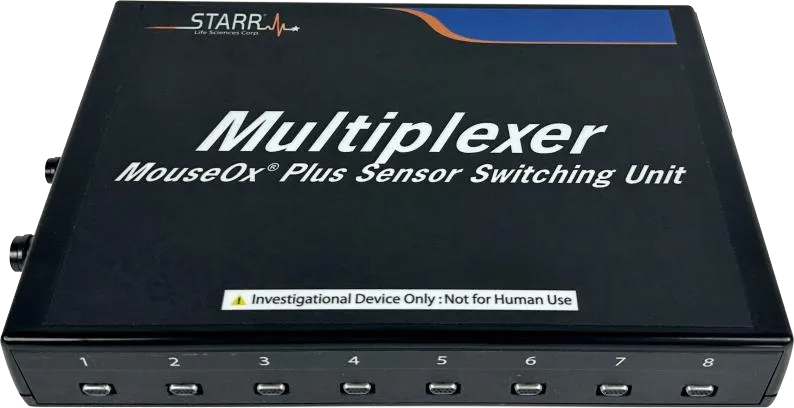
Experimental operation
01. Choose the right sensorSelect appropriate sensors according to the animal's state and size (such as neck clamps when awake, throat clamps, leg clamps, and foot clamps when anesthetized), and clamp the animal.
Make sure the detection area is clean to avoid hair obstruction or stains that may affect the signal.
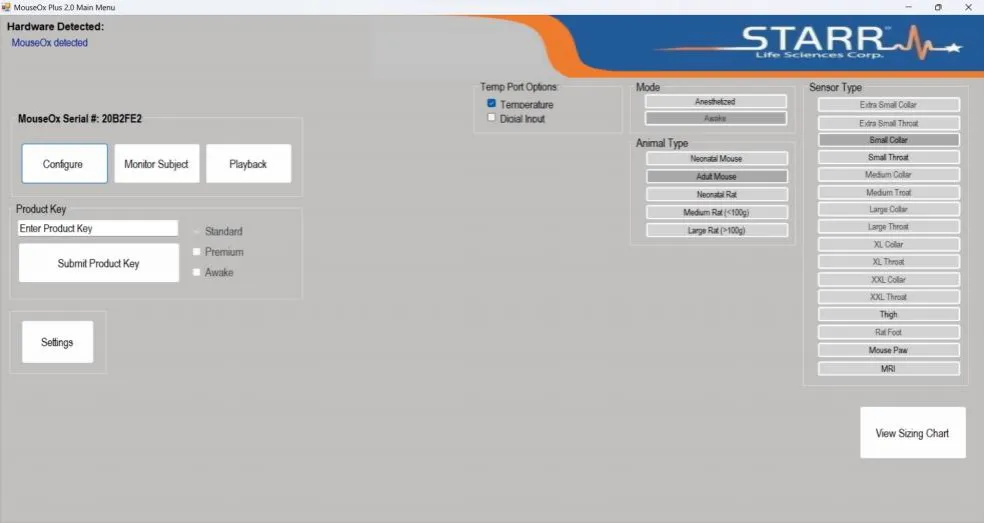
02. Device connection and software settings
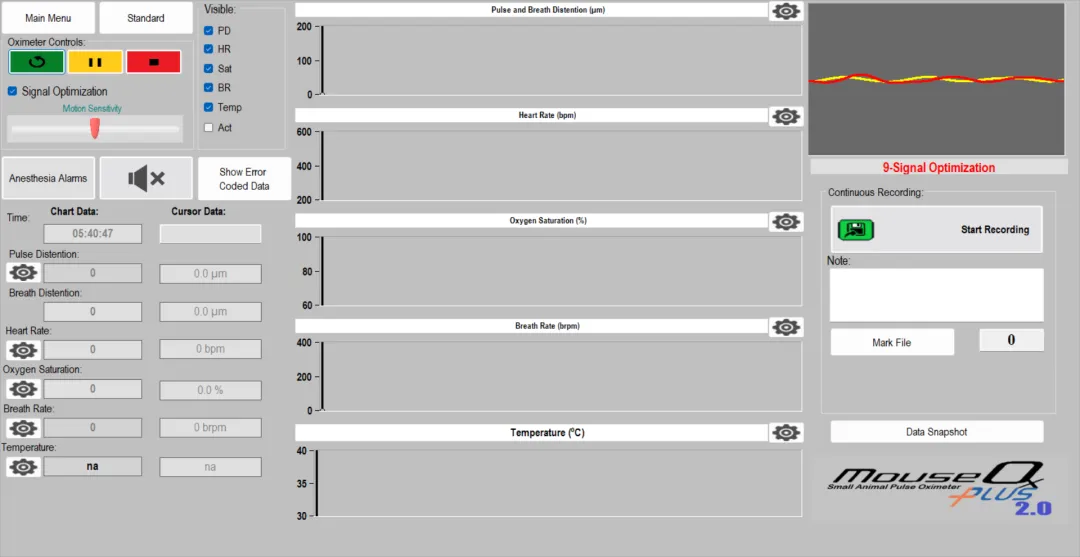
After turning on the device, select the animal size and sensor type in the software and enter the measurement interface. The software interface will display SpO₂, heart rate, and pulse waveform in real time.
03. Dynamic data recording
The software continuously records blood oxygen trends for hours to days.
Key events (such as drug administration and hypoxia intervention) can be marked to facilitate later analysis of correlations.
04.Data export and report generation
One-click export to Excel format to meet experimental data needs.

Application Areas
01. Translational Medicine ResearchAcute respiratory diseases, ischemia, shock animal models, stroke and brain injury research, cardiovascular disease, hypoxia and inhalation poisoning research, etc.
02.Animal physiological monitoring
The instrument has a built-in alarm function that can be used to ensure appropriate anesthesia depth, prevent hypoxia, prevent intraoperative hypothermia, and adjust the amount of auxiliary oxygen during surgery.
Accuracy verification
Noninvasive measurements offer equally guaranteed data accuracy compared to invasive blood gas measurements. The figure compares the results of invasive blood gas sampling with those of the MouseOx noninvasive pulse oximeter, demonstrating a good linear relationship between the two.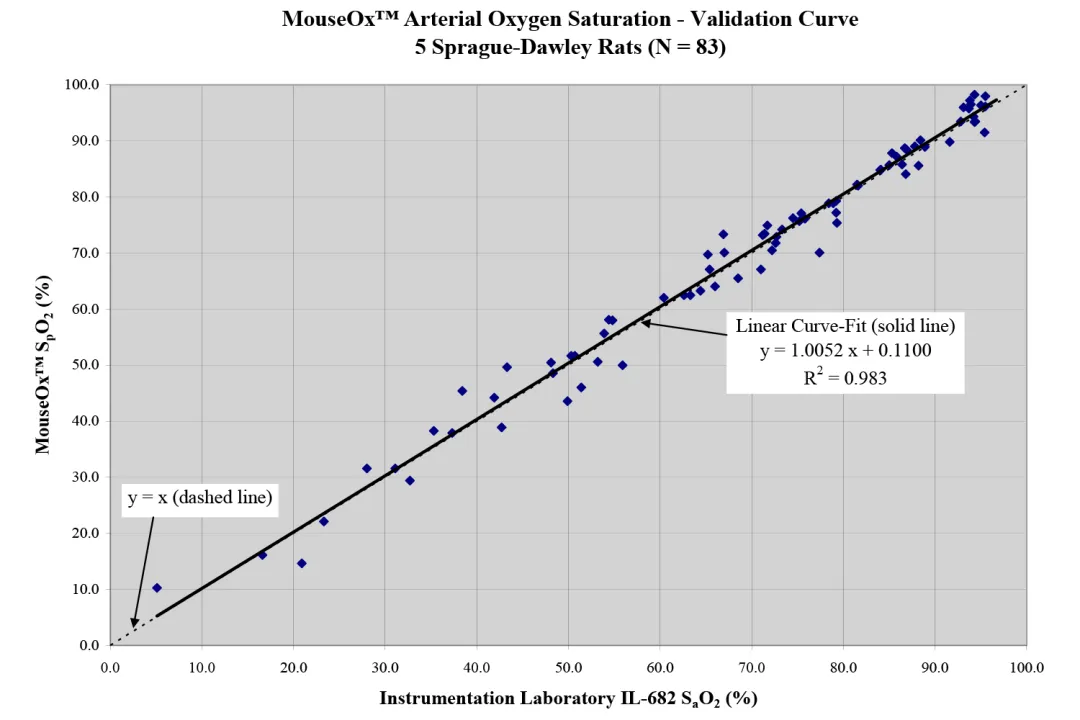
Application Cases
In 2024, Prasad Rajalingamgari's team from MAYO CLINIC in the United States published an article in JCI titled "Prospective observational study and mechanistic evidence showing lipolysis of circulating triglycerides worsens hypertriglyceridemic acute pancreatitis." In the article, the authors revealed through clinical analysis, animal experiments and in vitro studies that the severity of hypertriglyceridemia-related acute pancreatitis (HTG-AP) stems from lipase-mediated lipolysis of circulating triglycerides to produce harmful non-esterified fatty acids (NEFA), which aggravates the disease through multiple organ damage.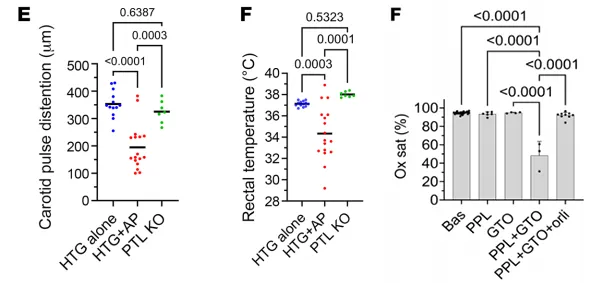
In the HTG-AP mouse model, the authors used MouseOx to monitor physiological signals. By monitoring pulse waveform weakening, hypothermia, decreased blood oxygen saturation, and hypothermia, they directly verified that free fatty acids (NEFAs) produced by lipolysis caused multiple organ failure (lung, kidney, and circulatory system). By accurately capturing transient changes in physiological parameters, MouseOx enables researchers to gain a deeper understanding of complex pathological processes such as lipotoxicity and hypoxia tolerance, providing reliable evidence for clinical translation.
Some literature
1.Goswami, Dinesh G et al. “Dermal Exposure to Vesicating Nettle Agent Phosgene Oxime: Clinically Relevant Biomarkers and Skin Injury Progression in Murine Models.” The Journal of pharmacology and experimental therapeutics vol. 388,2 536-545. 17 Jan. 2024, doi:10.1124/jpet.123.001718
2.Gautam, Avishekh et al. “Necroptosis blockade prevents lung injury in severe influenza.” Nature, 10.1038/s41586-024-07265-8. 10 Apr. 2024, doi:10.1038/s41586-024-07265-8
3.Bassi, Marta et al. “Pharmaco-toxicological effects of the novel tryptamine hallucinogen 5- MeO-MiPT on motor, sensorimotor, physiological, and cardiorespiratory parameters in mice-from a human poisoning case to the preclinical evidence." Psychopharmacology vol. 241,3 (2024): 489-511. doi:10.1007/s00213-024-06526-8
4.Hsieh, Hsin-Hua et al. “Imaging diabetic cardiomyopathy in a type 1 diabetic rat model using 18F-FEPPA PET." Nuclear medicine and biology vol. 128-129 (2024): 108878. doi:10.1016/j.nucmedbio.2024.108878
5. Wardman, Jonathan H et al. “CSF hyperdynamics in rats mimicking the obesity and androgen excess characteristic of patients with idiopathic intracranial hypertension.” Fluids and barriers of the CNS vol. 21,1 10. 25 Jan. 2024, doi:10.1186/s12987-024-00511-1
6.Ouyang, Wei et al. “An implantable device for wireless monitoring of diverse physiobehavioral characteristics in freely behaving small animals and interacting groups.” Neuron, S0896-6273(24)00153-3. 19 Mar. 2024, doi:10.1016/j.neuron.2024.02.020
7.Curran, Colleen S et al. “Anti-PD-L1 therapy altered inflammation but not survival in a lethal murine hepatitis virus-1 pneumonia model.” Frontiers in immunology vol. 14 1308358. 8 Jan. 2024, doi:10.3389/fimmu.2023.1308358
8. Liu, Chang et al. “Neuroinflammation increases oxygen extraction in a mouse model of Alzheimer's disease." Alzheimer's research & therapy vol. 16,1 78. 10 Apr. 2024, doi:10.1186/s13195-024-01444-5
9.Huang, Peng et al. “NCP, a dual kappa and mu opioid receptor agonist, is a potent analgesic against inflammatory pain without reinforcing or aversive properties.” The Journal of pharmacology and experimental therapeutics, vol. 389,1 106–117. 26 Feb. 2024, doi:10.1124/jpet.123.001870
10.Shiraishi, Kazushige et al. “Airway epithelial cell identity and plasticity are constrained by
Sox2 during lung homeostasis, tissue regeneration, and in human disease.” NPJ
Regenerative medicine vol. 9,1 2. 5 Jan. 2024, doi:10.1038/s41536-023-00344-w nbsp;
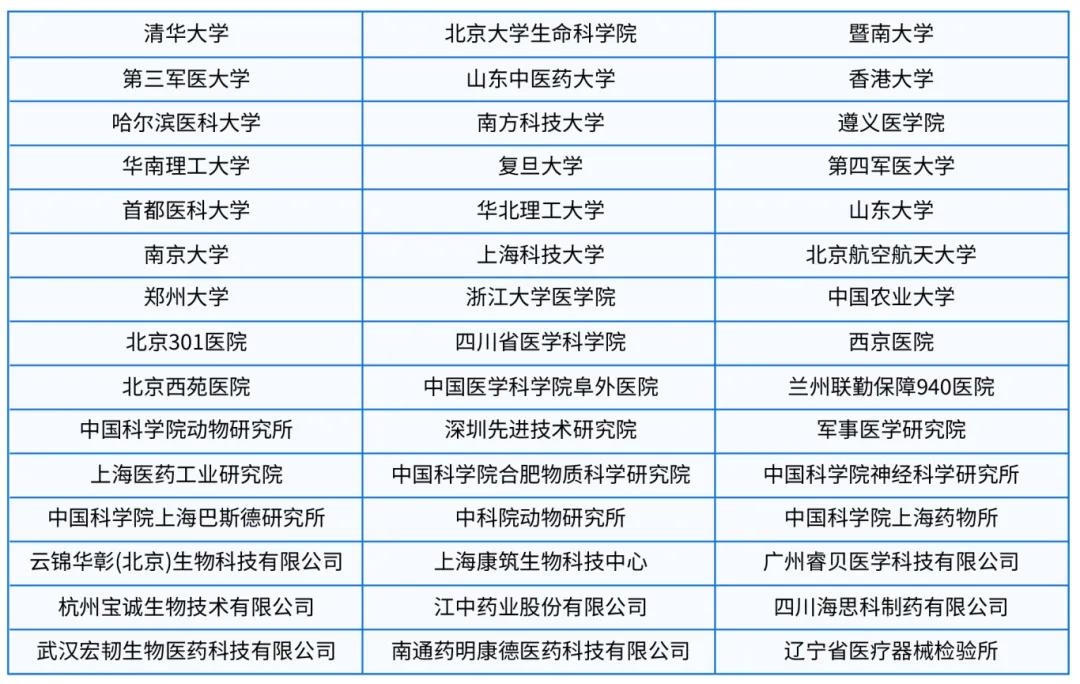
Partial user list
Self-developed core creates extraordinary strength
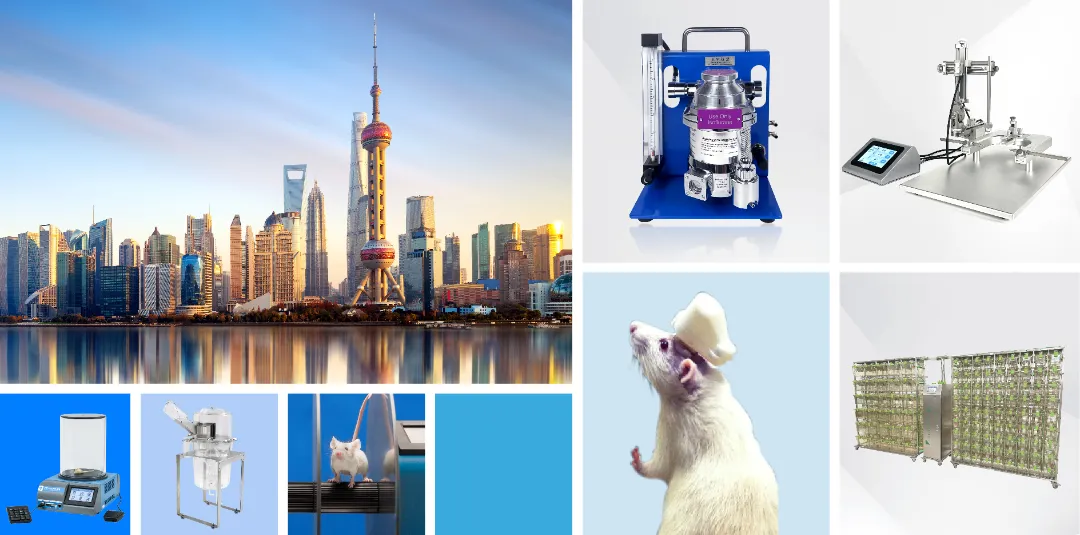
Shanghai Yuyan Scientific Instrument Co., Ltd., as a leading manufacturer of scientific research equipment in the industry, has been adhering to the core concept of "innovation-driven development and self-research to create high-quality products" for 15 years since its establishment in 2010. It is committed to the independent research and development and production of scientific instruments. Its current product line covers multiple scientific research and application fields such as experimental animal husbandry, physiological signal acquisition, and neuroscience research. Not only does it continuously optimize and upgrade conventional instruments, but it also dares to explore cutting-edge technologies and has launched a series of high-end scientific instruments with independent intellectual property rights.