

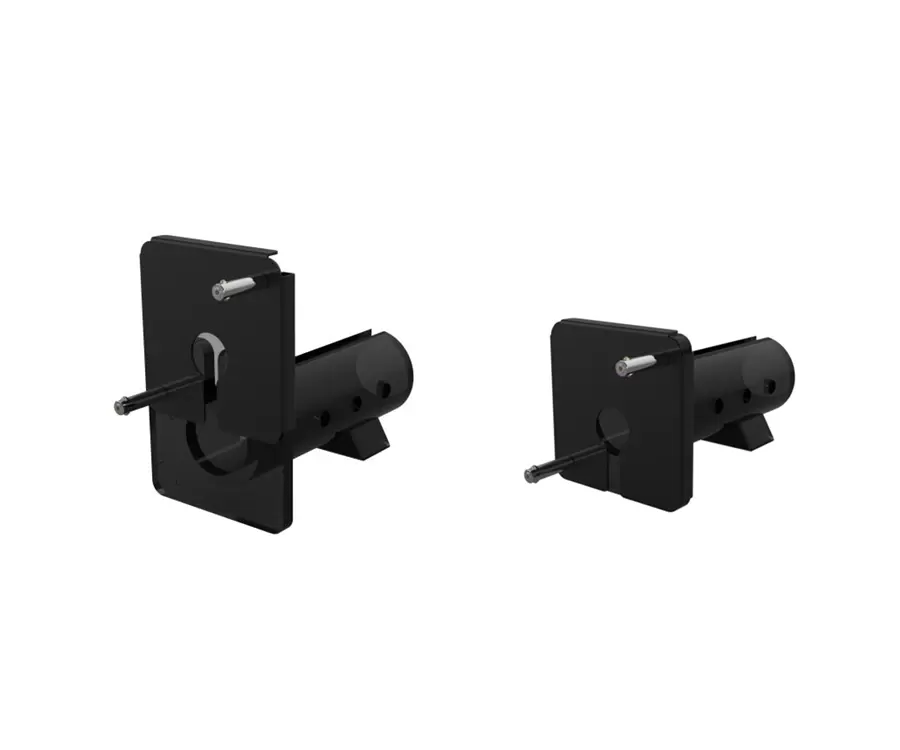
Small Animal Non-invasive Blood Pressure Monitor
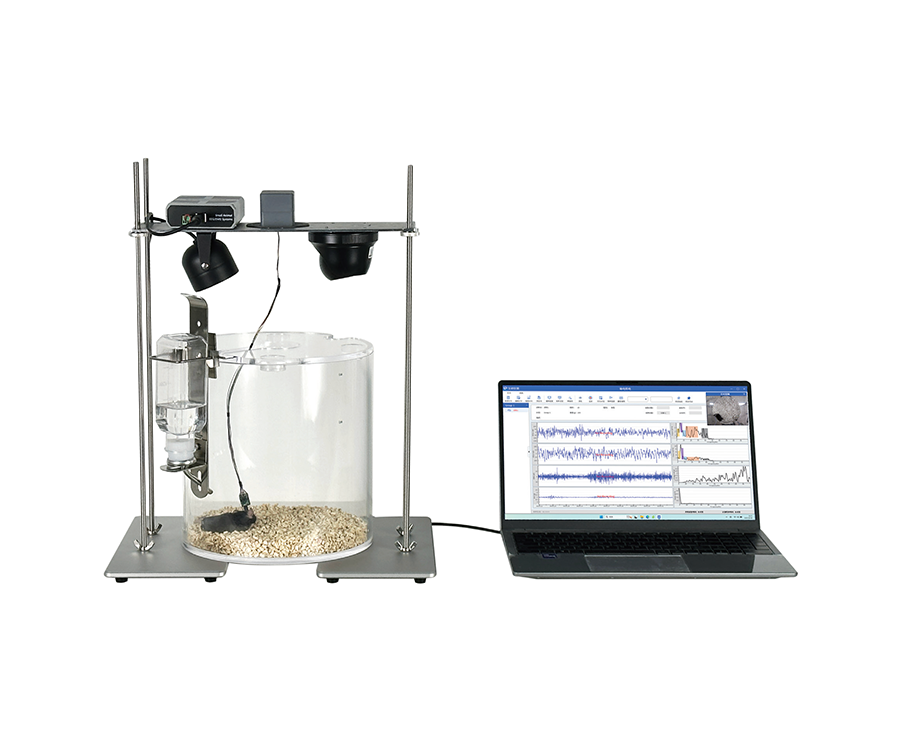
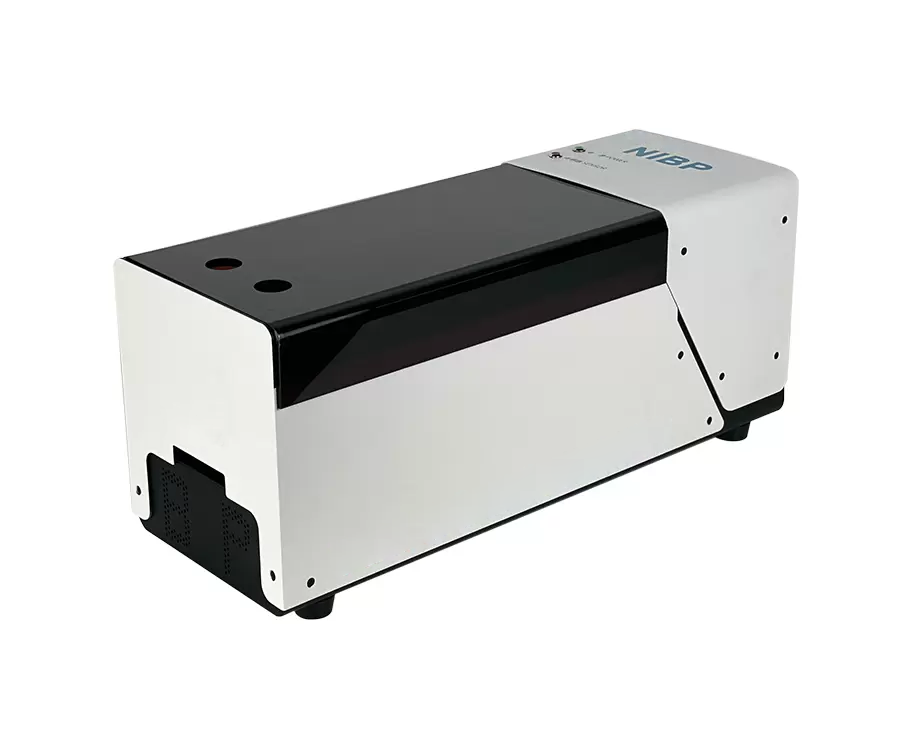
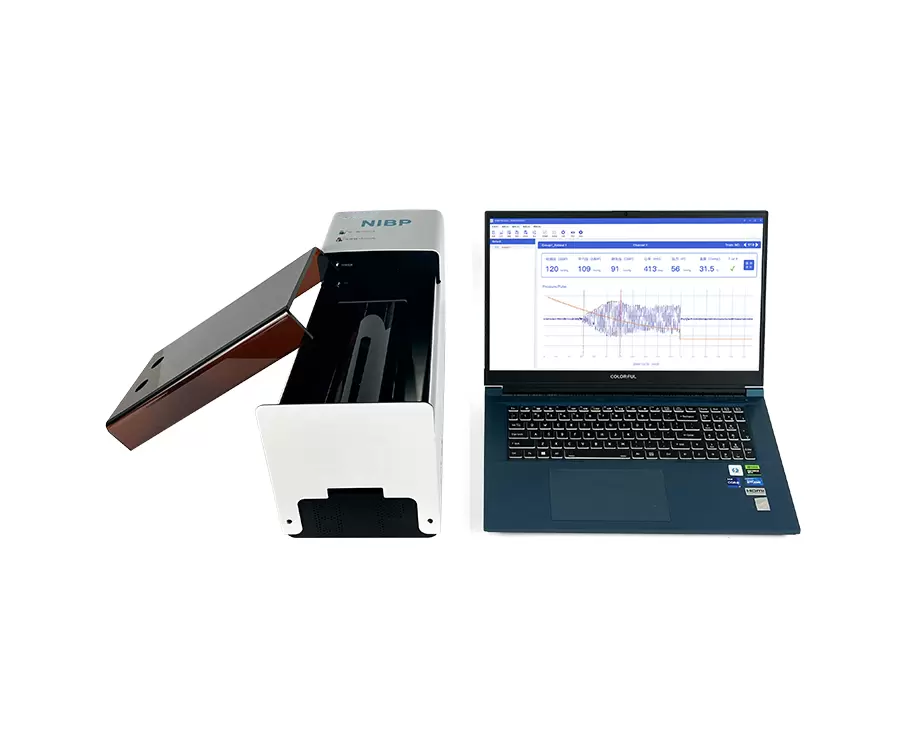
The small animal non-Invasive Blood Pressure Monitor is an automated and non-invasive device. The system is primarily used to measure systolic, diastolic, and mean blood pressure, as well as heart rate in both rats and mice. The device simultaneously acquires and displays data and waveforms from 1 to 9 channels.
 Phone Consultation
 Follow us
- Introduction
- Features
- More Recommendations
Introduction
The NIBP-MR Small Animal Non-Invasive Blood Pressure Monitor is an automated, non-invasive. It enables synchronous recording and display of 1–9 channels of rat/mouse tail blood pressure waveforms, with all test data saved in raw format for offline analysis. Primarily used to measure systolic blood pressure (SBP), diastolic blood pressure (DBP), mean blood pressure (MBP), and heart rate (HR) in rats and mice.
The technical principle of the non-invasive blood pressure measurement system for small animals is based on the pulse wave method. It measures blood pressure by changing the pressure inside the tail cuff through inflation, which compresses (interrupting blood flow) and releases (restoring blood flow) the tail artery.
The technical principle of the non-invasive blood pressure measurement system for small animals is based on the pulse wave method. It measures blood pressure by changing the pressure inside the tail cuff through inflation, which compresses (interrupting blood flow) and releases (restoring blood flow) the tail artery.
Features
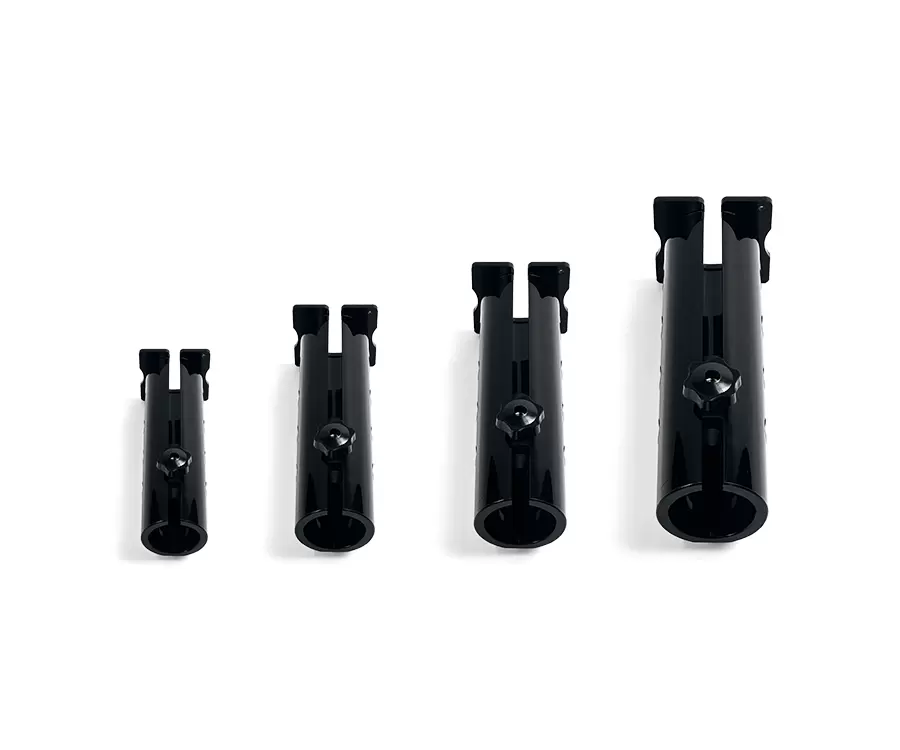
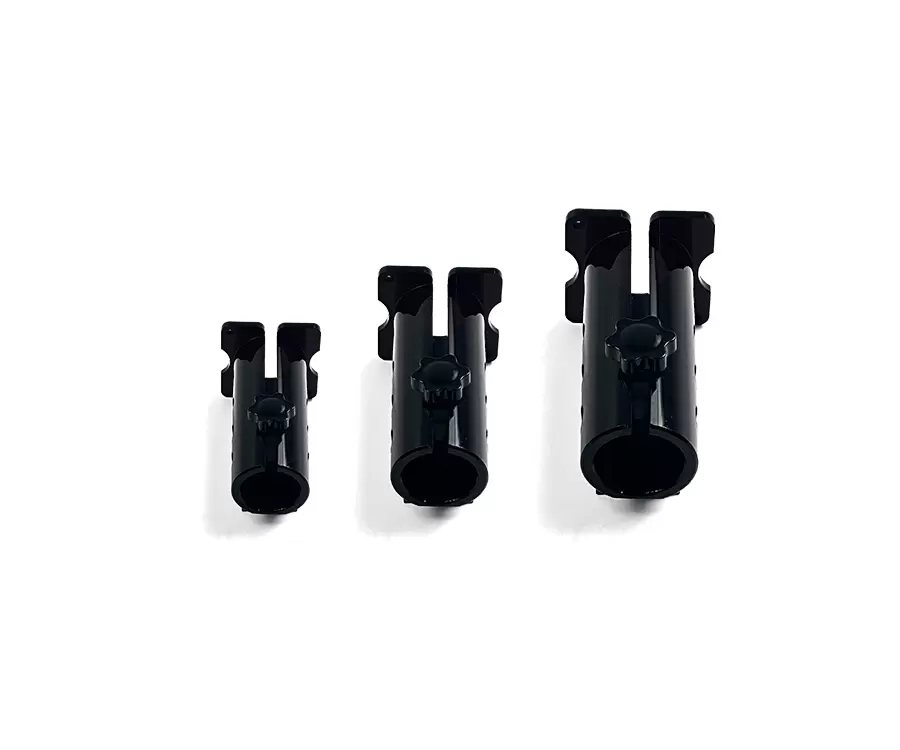
Simple and efficient animal immobilization:The circular immobilization cylinder with a pull-out base plate, combined with an integrated sensor, ensures convenient and efficient animal immobilization.
Integrated chamber:Independent compartment design reduces various external disturbances; air-conditioned constant-temperature chamber heating ensures more precise temperature control and enhanced comfort for animals.
High-throughput design:Multi-channel hosts can be used in combination or separately; data from each channel is displayed on the same interface without channel switching.
When the pressure inside the tail cuff is adjusted to a point where arterial blood flow transitions from complete interruption to the onset of cardiac ejection, allowing arterial blood flow to resume, the pulse wave reappears after its initial disappearance. The pressure value corresponding to this wave represents systolic blood pressure. Subsequently, as the pressure inside the tail cuff gradually decreases, the amplitude of the pulse wave increases in a regular pattern until it reaches a maximum amplitude and stabilizes. The pressure value corresponding to this maximum amplitude represents mean blood pressure.
Disease Model studies:Continuous monitoring of blood pressure in animal models provides insights into the pathogenesis and progression of diseases, offering a scientific basis for disease prevention and treatment.
Teaching Function:It can be applied to the teaching of related disciplines such as biomedicine and pharmacology. The non-invasive blood pressure measurement system for small animals can be used to demonstrate the methods of animal blood pressure measurement and data analysis processes.
Integrated chamber:Independent compartment design reduces various external disturbances; air-conditioned constant-temperature chamber heating ensures more precise temperature control and enhanced comfort for animals.
High-throughput design:Multi-channel hosts can be used in combination or separately; data from each channel is displayed on the same interface without channel switching.
Technical Principle
The technical principle of the non-invasive blood pressure measurement system for small animals is based on the pulse wave method. It measures blood pressure by changing the pressure inside the tail cuff through inflation, which compresses (interrupting blood flow) and releases (restoring blood flow) the tail artery.When the pressure inside the tail cuff is adjusted to a point where arterial blood flow transitions from complete interruption to the onset of cardiac ejection, allowing arterial blood flow to resume, the pulse wave reappears after its initial disappearance. The pressure value corresponding to this wave represents systolic blood pressure. Subsequently, as the pressure inside the tail cuff gradually decreases, the amplitude of the pulse wave increases in a regular pattern until it reaches a maximum amplitude and stabilizes. The pressure value corresponding to this maximum amplitude represents mean blood pressure.
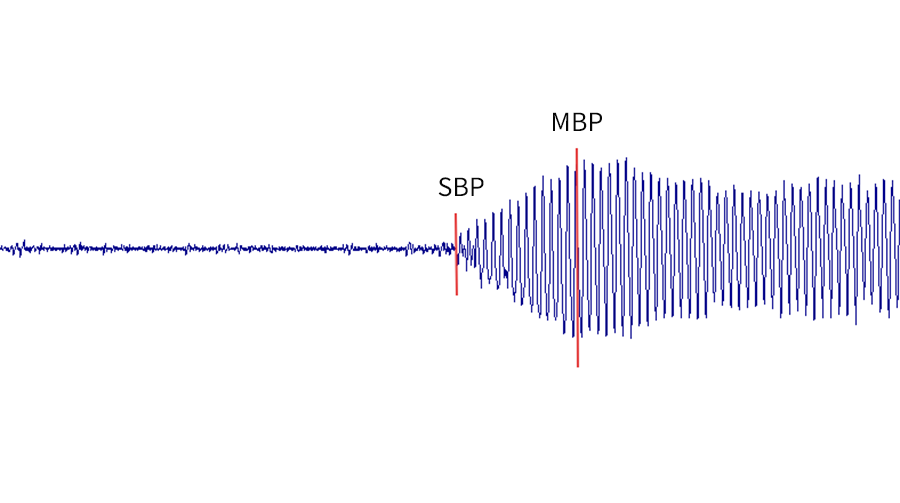
Schematic diagram
Application Fields
Pharmacodynamic studies:During drug development, it is necessary to evaluate the impact of drugs on animal blood pressure. Non-invasive blood pressure measurement systems for small animals can accurately monitor changes in blood pressure before and after drug administration, providing reliable data support for pharmacodynamic studies.Disease Model studies:Continuous monitoring of blood pressure in animal models provides insights into the pathogenesis and progression of diseases, offering a scientific basis for disease prevention and treatment.
Teaching Function:It can be applied to the teaching of related disciplines such as biomedicine and pharmacology. The non-invasive blood pressure measurement system for small animals can be used to demonstrate the methods of animal blood pressure measurement and data analysis processes.
Specifications
| Parameter | Specification |
|---|---|
| Channel number | 1-9 |
| Weight range | 10-1000 g |
| Pulse Wave Preview | √ |
| Blood pressure measurement range | 0-350 mmHg |
| Heart rate measurement range | 0-1000 bpm |
| Single test duration | 10 seconds (excluding preparation time) |
| Preheating range | Room temperature to 50°C |
| White noise | √ |
| Data Backup | √ |
| Sensor type | Photoelectricity |